Honolulu Rail Pays $41 Million In Dispute Over Ala Moana Extension
The settlement gives the city the easements it needs to build through Kakaʻako, but HART does not yet have the money to construct that segment.
The Honolulu rail authority has finally settled a condemnation lawsuit over land in the path of the future rail line through Kakaʻako, agreeing to pay $41 million for easements needed to extend the line to Ala Moana Center.
The settlement resolves a lawsuit filed by the city and the Honolulu Authority for Rapid Transportation against Victoria Ward Ltd. in 2018 in an effort to win control of land needed for the extension. But much has changed since that lawsuit was filed.
The Kakaʻako land that was the focus of the court fight is currently beyond the reach of HART because the city has only enough money to build the system to an area near South Street.
It is unclear where HART will find the funding to extend the rail system to reach the Victoria Ward property it has just acquired, and beyond that to Ala Moana.
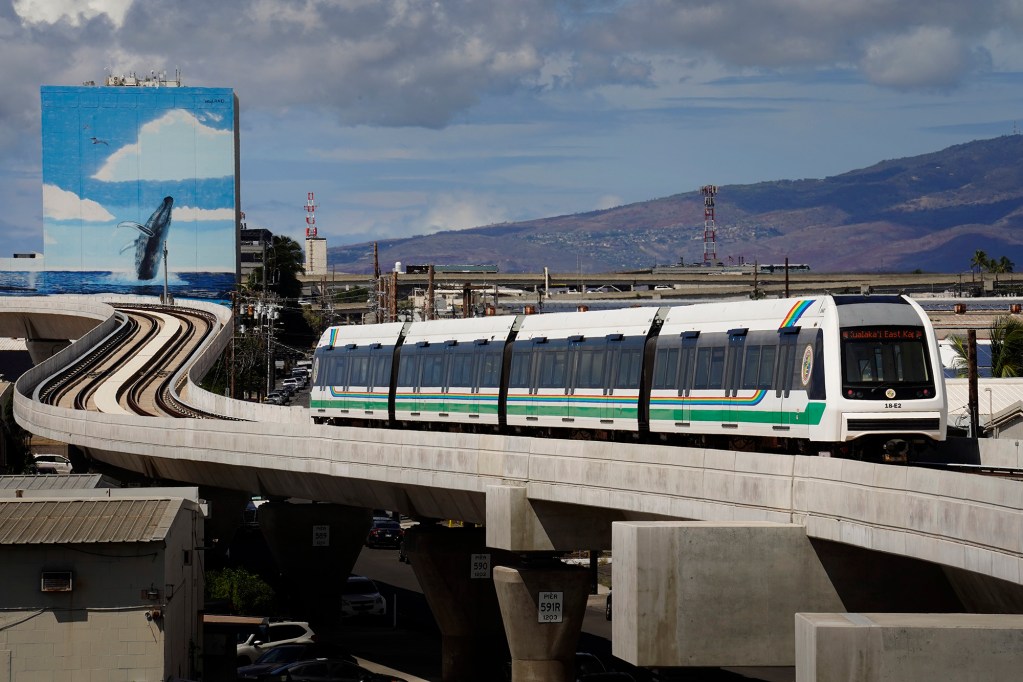
HART CEO Lori Kahikina has said it will cost about $1.6 billion to build the next extension from Kakaʻako to Ala Moana, money that HART does not have.
The settlement marks the second time in recent months HART has committed tens of millions of dollars to efforts aimed at extending the rail line beyond its current terminus at the Civic Center station near Halekauwila and South streets.
The HART Board of Directors approved a plan in October to pay rail contractor Tutor Perini Corp. more than $53 million to design the segment of the Skyline system from the South Street area to Ala Moana.
A Big Money Dispute
Howard Hughes Holdings Inc., the parent company of Victoria Ward Ltd., had been seeking $200 million from HART for the easements needed to run rail through the 60-acre Ward Village community.
The controversy centered on about 2 acres of land along the route between Cooke and Kamakee streets, and the city early on offered $13.5 million for the Kakaʻako land.
The dispute over the land’s value was appealed all the way to the state Supreme Court, which in late 2023 sent the case back to Honolulu Circuit Court for a trial. Last March the rail board gave tentative approval to a proposed settlement, and that agreement was finalized in court last week.
Kristen Kunimura, senior account executive with Bennet Group Strategic Communications, provided a joint statement from HART and Victoria Ward that described the settlement as “a significant milestone in the collaborative efforts between the parties.”
“With the settlement finalized, the parties are moving forward in a spirit of cooperation and shared commitment to supporting the rail project and its long-term benefits for the Honolulu community,” the statement said.
But during the years the condemnation case slogged through the court system, costs for the rail project ballooned and the city was forced to scale back the project.
The city had planned to build Skyline from East Kapolei to Ala Moana when it broke ground on rail in 2011, but was forced in 2022 to eliminate two stations and end the line near South Street to cut costs.
Kahikina declined a request for an interview this week, but “HART remains committed to completing the rail system to the Ala Moana Center and ultimately extending it beyond,” according to a written statement from HART provided by Kevin Whitton, vice president of Pang Communications.
Whitton later issued another statement indicating that HART incurred about $15 million in attorneys’ fees and related expenses over the nearly 10 years of pre-litigation and litigation.
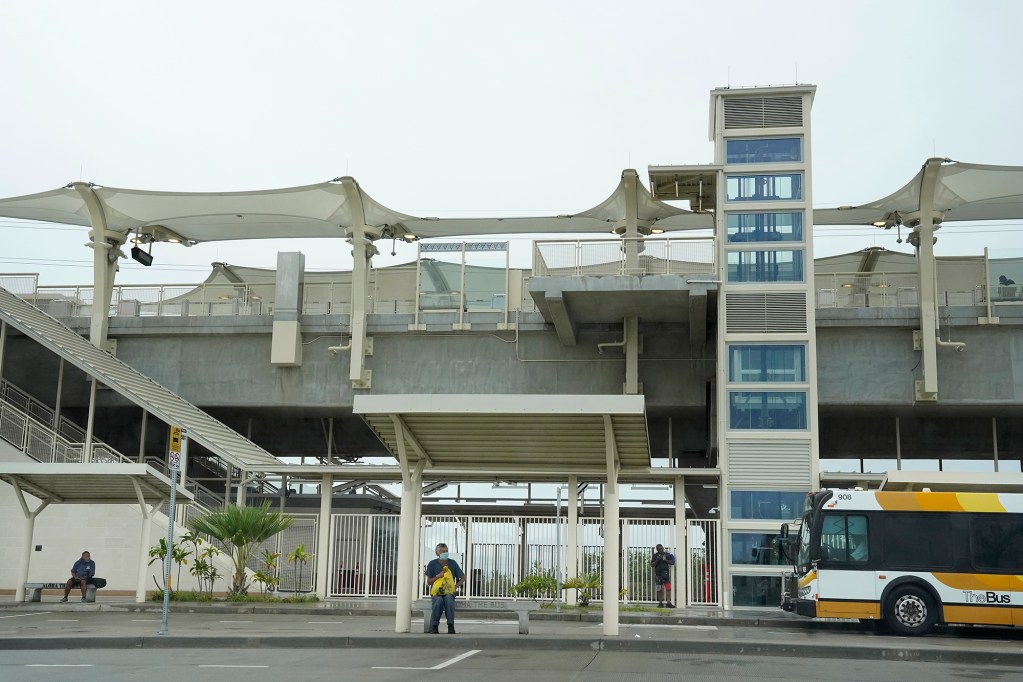
Where Will New Rail Money Come From?
Honolulu Mayor Rick Blangiardi declined an interview request, but his director of communications, Scott Humber, said in a written statement the mayor “is in support of reasonable future planning with a goal of increasing the functionality of the Skyline system, subject to the future funding capacity of the City, State and/or federal government.”
The mayor does not yet have a plan to fund the next segment, according to the statement.
Colin Moore, a political scientist at the University of Hawaiʻi Manoa, said recent moves by HART to prepare for the next phase of rail development suggest rail supporters “feel like they have — at last — a little momentum here.”
In October the city opened a new segment of rail from Aloha Stadium to Middle Street, meaning the system now serves the major employment center at Pearl Harbor as well as the Daniel K. Inouye International Airport.
Blangiardi has set a ridership goal of 25,000 boardings per day by next October, and aims to promote rail to Honolulu commuters with a $1 million advertising campaign.
“I think everything kind of hinges on the success of this most recent opening,” Moore said. Satisfied rail riders “could begin to shift public opinion a little bit, which would help them when they’re asking for money to complete the project. You begin to hear more positive voices about rail.”
“The city expects as more people use the rail, as more TOD (transit-oriented development) happens, there’s going to be more momentum to finishing it to Ala Moana, and the money will eventually appear,” he said.
“I think they’re trying to get as many pieces in place so when it comes time to ask for additional money to complete the project, they can say, ‘We’re lined up, we’re ready to go, we have the right-of-way, the plans, let’s go-go-go,’ ” Moore said.
But any such request for new funding probably won’t be made in an election year, he said.
The recent moves by HART to pay for design work to Ala Moana and to acquire easements for construction beyond the South Street area bother some rail critics.
Joe Kent, executive vice president of Grassroot Institute of Hawaiʻi, said the action looks like “some kind of strategy to trap taxpayers.”
“The whole point of stopping at the Civic Center was, I thought, HART ran out of money, and now they’re behaving like they have all this extra money to start digging beyond the Civic Center,” he said.
“They’re already paying monies through eminent domain far beyond where the project was supposed to end, and when inevitably they run out of money, are they going to come back to the taxpayer with hat in hand again?” Kent asked.
“It’s almost as if they’re operating under the assumption that they’ll have all this extra money, but as we’ve seen from the project in the past, they tend to go way over budget with unforeseen costs, and that balloons expenses,” Kent said.
Read the settlement here: