Maui County Council Advances Plan To Phase Out Short-Term Vacation Rentals
The split council will take the legislation up for final reading in two weeks, and plans to hear a separate bill that could effectively exempt many of the roughly 7,000 affected properties.
Following hours of emotional testimony from longtime residents, vacation rental owners and lobbyists, a divided Maui County Council on Monday advanced an amended version of Mayor Richard Bissen’s bold plan to phase out thousands of the island’s short-term rentals in an effort to improve the local housing stock.
The 5-3 vote was highly anticipated because the mayor’s plan, which is laid out in Bill 9, has polarized the community for more than a year and a half. The council is expected to take the legislation up for a second and final reading on Dec. 15.
Keani Rawlins-Fernandez of Molokaʻi hailed the bill as an opportunity to reclaim residential units for local families being priced off the island. Council Chair Alice Lee of Central Maui said it was one of the worst bills she’s seen.
“Well, there you have it,” Lee said immediately following the vote.
Rawlins-Fernandez joined Council members Gabe Johnson of Lānaʻi, Tamara Paltin of West Maui, Shane Sinenci of East Maui and Nohelani Uʻu-Hodgins of the North Shore to vote in favor of Bill 9. Lee, Tom Cook of South Maui and Yuki Lei Sugimura of Upcountry voted against the legislation.

Bissen unveiled Bill 9 in May 2024, driven by the deadly August 2023 wildfires that displaced more than 12,000 people and exacerbated the island’s longstanding housing crisis.
If passed, the amended legislation would end the exemptions that currently allow roughly 7,000 apartment-zoned units to operate as vacation rentals.
While many of those opposed to Bill 9 — including people who own or manage short-term rental properties — have argued that the potential elimination of roughly half of the county’s vacation rentals could cause serious economic and social repercussions, supporters have said the legislation is a way to free up some much-needed housing for fire survivors and local families.
“The difference between opponents and proponents of Bill 9, crystallized in their positions today, is that some people see Maui as a business, and some people see Maui as our home,” Rawlins-Fernandez said during the meeting. “Unlike the generational families and residents that have built community here, many STR owners we heard from are free from experiencing the challenge of weighing the loss of family and friends being priced out of a system that is designed to price them out. As was stated in testimony, they have workers. That’s a different relationship.”
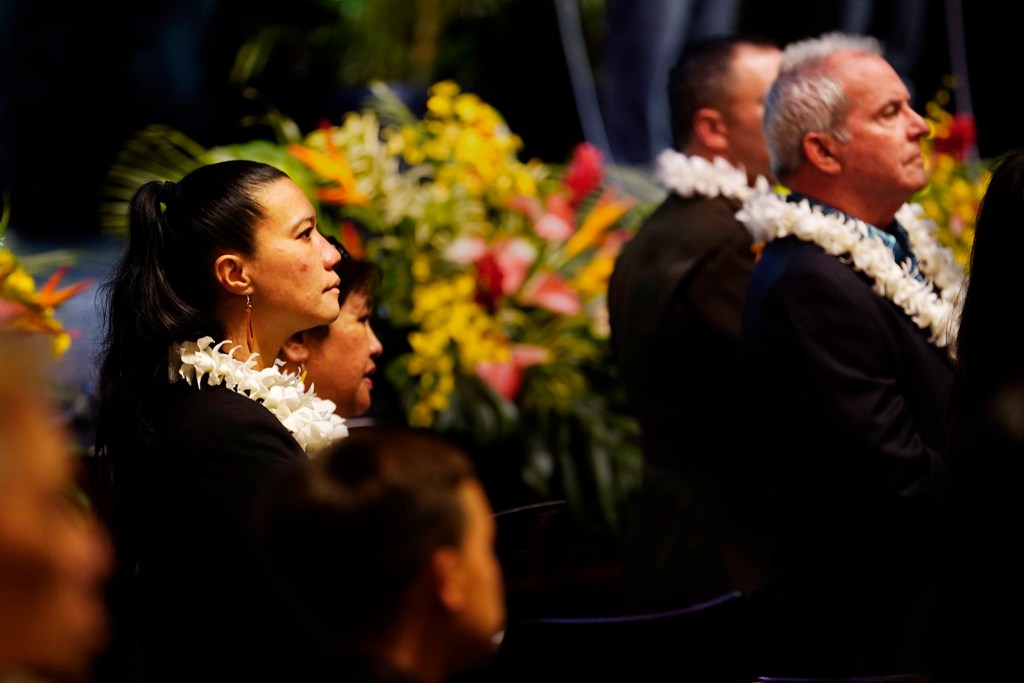
Lee acknowledged that county officials must look for ways to help residents who need housing, but said she was incredibly concerned about the loss of tax revenue and other income that many anticipate could result from the passage of Bill 9.
“I’ve been in this business over 26 years, and honestly, this is one of the worst bills I’ve ever seen,” said Lee, who was first elected to the council in 1988. “Along with eliminating more visitors, you have to figure out, how do we replace the money that they used to provide? How do we deal with programs that we no longer can afford, and how do we deal with the jobs that are going to be lost?”
She added that the divisiveness of the bill has made it difficult for council members and the community to work together and identify alternative solutions that might work for everyone.
“We have a lot of people that are angry and frustrated, and it’s really hard to be good at problem-solving when you’re angry and you’re not focused on the problem,” she said. “I’m hoping that there’s some way we can find common ground, or some kind of common purpose, so we’re not constantly fighting … I’m hoping the future holds a more positive path for all of us.”
One widely cited study by the University of Hawaiʻi Economic Research Organization found that phasing out nearly half of the county’s vacation rentals could lead to widespread job loss and severely weaken Maui’s tourism-driven economy, but could also lower housing costs and improve affordability.
Kimberly Smith, who owns a vacation property in Kīhei, testified on Monday that she worried about Bill 9’s potential impact on all the people who help run short-term rental units.
“Behind every short-term rental are real people: housekeepers, maintenance workers, property managers and small business owners who depend on the industry for their livelihoods. These are our neighbors, our friends,” she said. “These aren’t just vacation rentals. They are stable employment for local residents and a vital part of Maui’s economic engine. I believe there’s a smarter solution here.”
Autumn Ness, executive director of the Lahaina Community Land Trust, said local residents deserve a more diversified economy with more job opportunities in other industries.
“Just because some people have invested in a tourist economy does not mean that this community is obliged to maintain such an economy, especially when the very nature of that economy is extractive and is causing generational harm to our full population,” she said. “In fact, we have a duty to correct our economics and regulate things back into balance, even if what is good for the collective may not be good for individual investors.”
Lee said the council is expected to take up a proposal to create two new hotel zoning districts on Dec. 19. The Temporary Investigative Group that was formed for Bill 9 recommended doing so and then moving certain properties from apartment zoning into the new hotel zoning so they can keep operating as vacation rentals.
The proposal, which has support from several council members, would allow more than half of the roughly 7,000 affected properties to keep operating as vacation rentals.
“My vote in support also comes with a commitment that I will support some forthcoming companion legislation that will continue short-term uses in new zoning areas,” Sinenci said.
If that accompanying legislation is passed, Sinenci said, only about 13% of Maui’s short-term rentals would be affected by Bill 9’s passage and the projected shortfalls would be cut in half.
U’u-Hodgins said she was committed to working with the other council members to pass that legislation and look for other ways to blunt some of the most intense effects of Bill 9.
“I will caution that I don’t think this is going to be the panacea for a housing crisis,” she said, “because it is indeed a crisis.”
Civil Beat’s coverage of Maui County is supported in part by a grant from the Nuestro Futuro Foundation.