

As Palm-Killing Beetles Spread On Big Island, State Action Is Slow
Hawaiʻi island residents have been tracking coconut rhinoceros beetles’ destruction throughout the islands. Fearing the same for their home, they’re urging the state to move faster.
It has been nearly two years since the first rhinoceros coconut beetle was discovered on Hawaiʻi island. And yet, despite ongoing concern by residents, the state is moving slowly in devising its response.
Seven months ago, the state’s Department of Agriculture and Biosecurity said it would begin working to stop the spread of CRB, within and beyond North Kona. But a meeting of the agency’s board Tuesday marked the first concrete step to do so by regulators. Now, as agriculture department staff move to streamline and resolve apparent issues in the proposed regulations, it will likely take until March for the board to consider implementing them.
Many of the attendees at Tuesday’s meeting, including residents of other islands, said that the state is lagging on its pledge to regulate the movement of agricultural materials while the destructive pest is spreading and killing both the island’s coconut palms and its endangered, endemic loulu palms.
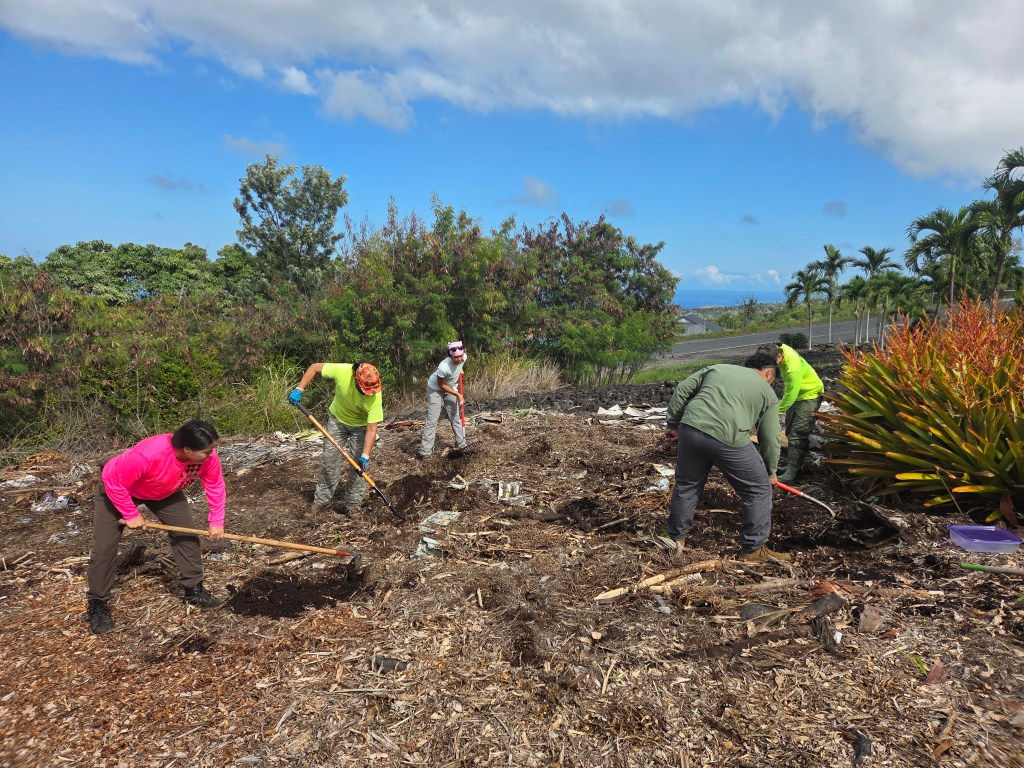
At the heart of the debate is the question of whether to restrict the movement of mulch, nursery plants, and other materials that harbor the beetles.
“The longer we wait, the worse the situation gets,” Franny Brewer, program manager for the Big Island Invasive Species Committee, told Civil Beat. “I’m glad that there’s a timeline for when this needs to be ready. But I still think that there needs to be some kind of reckoning [about the fact] that our state takes this long on invasive species responses.”

The proposed restrictions stem from a petition lodged by the nonprofit environmental groups Pōhaku Pelemaka and Hawaiʻi Wildlife Fund, whose staff worry the beetle’s spread could decimate the island’s flora, far beyond the confines of its current 38-mile footprint on the west side of the island. The petitioners proposed regulations akin to a set of rules created for Oʻahu in 2022, which restricted the movement of agricultural and landscaping goods known to harbor beetle larvae.
The Oʻahu quarantine measures, according to state Plant Quarantine Branch Manager Jonathan Ho, were ineffective. But advocates see the approach as a place to start.
“CRB does not care what our institutional, organizational, economic or regulatory boundaries are,” Jeremy Burns of ʻĀina Ho’okupu o Kīlauea said in testimony at the meeting. “I think the goal here is to slow the spread as much as possible and buy time for other mitigation measures to be developed … Let’s not let perfection be the enemy of taking some beneficial action.”
The First Two Years
Before making landfall on Hawaiʻi island in 2023, the beetles spent almost a decade in apparent confinement on Oʻahu.
At first they appeared to be isolated to Waikoloa. Then, in March of last year, larvae and beetles were discovered at Kona International Airport and the state-owned, 179-acre Keāhole Agriculture Park, before spreading further.

In response, the county implemented a voluntary order to discourage the movement of potentially-infested live plants, mulch and green waste, and other landscaping materials such as compost from the area in June 2025. The order was described as “a precursor to a mandatory compliance structure” to be implemented by the state, according to a press release from the time
The county’s order expires this week, and it’s that expiration that prompted the two nonprofit organizations to formulate the petition for the Department of Agriculture and Biosecurity.
“We should be able to rely on the state and county,” Jodie Rosam, Hawaiʻi Wildlife Fund’s Plant Program Specialist, told the board on Tuesday. “I’m perplexed why nothing has been done.”
The board spent about an hour considering the petition and hearing testimony. And while many who testified made recommendations about actual protocol that might be put into place, the board merely voted to move forward in the process. So it’s not yet clear whether it will adopt the Big Island petitioner’s proposed rules or create its own.
The board heard testimony about the potentially adverse effects on agricultural and landscaping businesses in the region that would be contained, which stretches from Waikoloa to Keauhou. The concerns of those business owners mirrored some of the state’s reservations that led to the delay of rulemaking in Oʻahu in 2023.
And while the cost of containing CRB is hard to deny, advocates say the pest will likely start appearing elsewhere if something isn’t done.
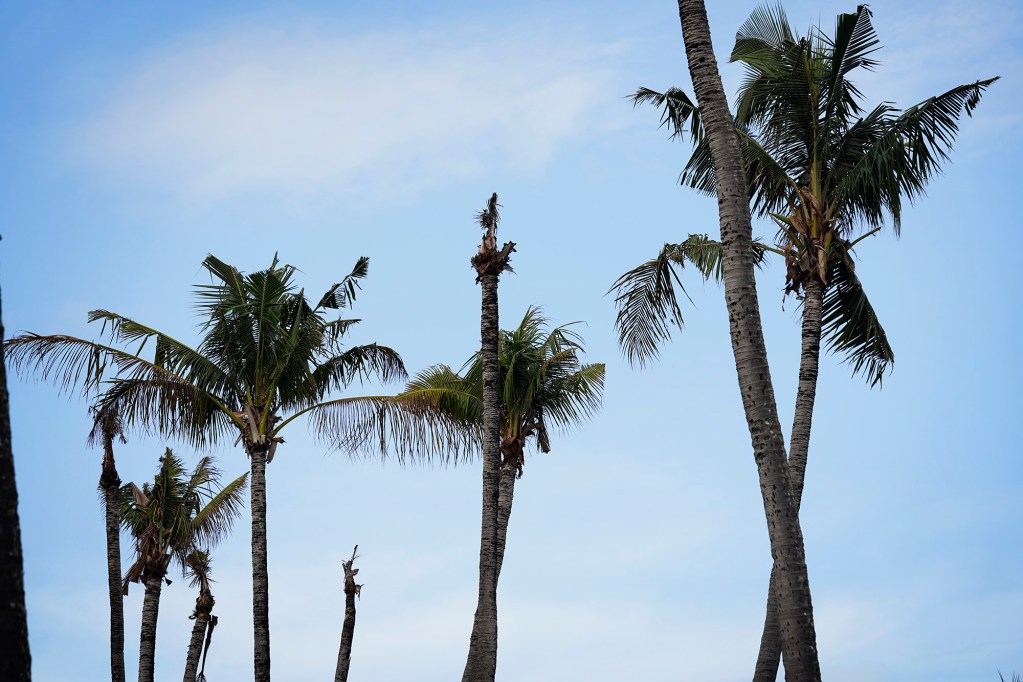
“The point is we don’t know the extremes of its spread,” Pōhaku Pelemaka’s executive director Leila Kealoha told Civil Beat. She worries that it could be immensely destructive in places like Puna, where her organization works.
“It takes about two years to have a major infestation. And it’s about two years since it was detected,” added Kealoha.
Plant quarantine manager Ho also spoke to the department’s chronic staffing shortages as a potential barrier in the effort to contain the pest. The three staff in Kona and nine in Hilo will not be enough to regulate the area, he said.
Ho also cast doubt on the effectiveness of quarantining one specific part of the island.
Similar rules in 2022 on Oʻahu failed, he said, while highlighting a handful of regulatory holes and technicalities in the proposed rules named in the Hawaiʻi Island petition. Who the regulations apply to, how treatments are defined and overlaps with other state agencies were among Ho’s concerns.
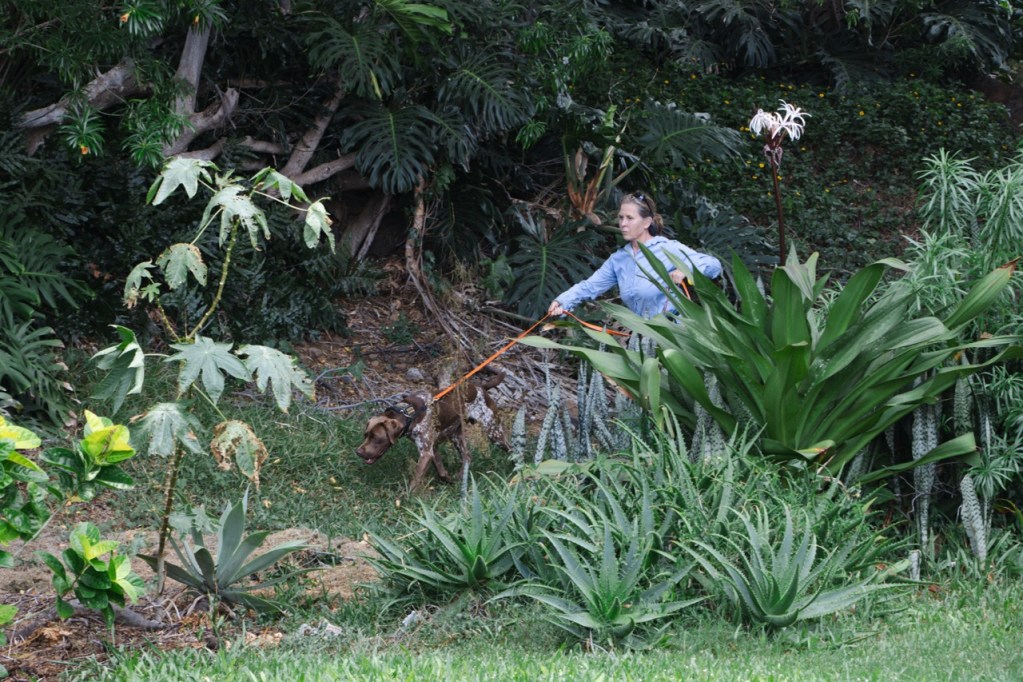
The holes are there, “because the petition was done by amateurs,” Brewer of the island’s invasive species committee told the board. “They’re doing the job that should be done by the regulatory agency of this state.”
Several people testified in support of implementing rules as a first step in mitigating the spread of CRB, while almost 300 pages of testimony were submitted ahead of the meeting. The level of response only underscored the importance of the issue, said the board members.
Board member En Young, Kamehameha Schools’ director of sustainable industry development, said he understood the community’s frustration and appreciated their commitment to the issue.
“I apologize that our part of the intervention has taken this long,” he said.
And while nursery and landscaping businesses testified in opposition, concerned the rules would put them out of business, some changed their tune once they realized they could be part of the rule-making process, Brewer told Civil Beat after the meeting.
‘Every Week Is Critical’
The state rule-making process is typically slow, though it’s even slower than usual in this instance, advocates say. New rules must be drafted and put before the Advisory Committee on Plants and Animals for sign-off, then they can be submitted to the board for approval. Ho estimates that he can rehash the proposed rules by March.
Board member David Smith, who manages the state Division of Forestry and Wildlife, said the state should try to get rules in place by the February board meeting instead.“Every week is critical; it’s not something we can put off,” said Smith.
Most supporters of new rules were heartened by the board’s approval, though Rosam of Hawaiʻi Wildlife Fund said the group will keep putting pressure on the state, as it hashes out the details.
Big Island Invasive Species Committee’s Brewer will also continue to push the process forward as the often hidden beetles quietly continue to spread across the island. “It doesn’t matter how many staff you don’t have,” she said. “It’s not going to wait til you have those things in place.”
“Hawai‘i Grown” is funded in part by grants from the Stupski Foundation, Ulupono Fund at the Hawai‘i Community Foundation and the Frost Family Foundation. Civil Beat’s coverage of environmental issues on Hawaiʻi island is supported in part by a grant from the Dorrance Family Foundation. Civil Beat’s coverage of climate change and the environment is supported by The Healy Foundation, the Marisla Fund of the Hawai‘i Community Foundation and the Frost Family Foundation.

