

Here we go again. The Hawaiʻi State Capitol is bustling with lawmakers, lobbyists, advocates and even the few citizens who can spare the time to visit what’s long been called “The Big Square Building on Beretania” (if they can find a parking space).
Civil Beat political writers and editors have been watching legislative sessions and legislators up close for decades. The players change over time but one thing stays the same: The people at the top have tremendous power and are not afraid to use it, sometimes ruthlessly and often behind closed doors. The Hawaiʻi legislative sessions are short — mid-January to early May — with thousands of bills introduced, so the power struggles are hard to follow. Public participation is limited.
This year, the dynamics are as interesting as ever. The two top people in the House — Speaker Nadine Nakamura and Finance Committee chair Chris Todd — are both relatively new to their current posts. Nakamura was elected by her colleagues to the top spot just a year ago; Todd was tapped to lead the House money committee at the end of last session, in May, when members soured on Rep. Kyle Yamashita as chair of that key committee.
They will be going up against veteran politicos in the Senate — President Ron Kouchi and Ways and Means chair Donovan Dela Cruz, both of whom are much more experienced at working the caucuses and the hallways to get what they want.

Explore detailed legislator profiles, voting records and what happens in hearings on Digital Democracy.
This is an important dynamic because the House, with its 51 members who must stand for reelection every other year, is generally less predictable and potentially more volatile but in recent years has managed to take the initiative on moving some important issues forward, such as political reform or social change. The House usually sees more turnover — 11 new members took office last year — and many of them are younger and more idealistic. They at least start out with enthusiasm. And they are much harder for leadership to manage.
The Senate, with 25 members up for reelection every four years, doesn’t see many defections from leadership’s marching orders. The Senate also has more power over the governor, and many a political skirmish has played out as Senate committees take up gubernatorial appointments.
Nakamura and Kouchi hold their jobs because they’ve built coalitions that have put them in power. Keeping their backers happy is sometimes hard, especially in the Senate where the president needs 13 of his colleagues to support him.
Around 3,000 bills are filed every session and it’s the top leaders who decide what committee — and how many committees — a bill is referred to. A triple referral is considered the kiss of death and a sign that leadership doesn’t want the bill to see the light of day.
Still, it’s an election year and unlikely that anyone will take any risks that might give a political opponent fodder. As always, Democrats overpower Republicans to such an extent that the minority caucus is rarely heard from (with a couple of exceptions).
With that background, here’s our introduction to the key people worth watching over the next four and half months.
The Top Of The Pyramid — Leadership
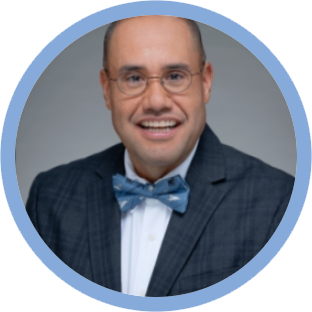

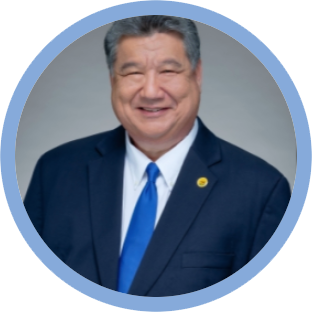

Political loyalties can shift quickly and rumors abound but for now the leadership lineup seems solid.
Donovan Dela Cruz
Let’s just tell it like it is. Donovan Dela Cruz is the most powerful person in the Legislature. Even more powerful than his caucus boss, the Senate president. He is the leading voice on the state budget and has final say over all bills that go to his Ways and Means Committee, which is many of them. That includes greenlighting lots of money for capital improvements in members’ districts, which is what they need to keep getting reelected. Dela Cruz, who is himself up for reelection this year, has more than $1.1 million in his campaign treasury and is often said to be eyeing a run for governor.
The longtime Wahiawā politician has mastered an understanding of the budget and state spending that few else have. He is a skilled manager of the flow of bills into and out of his committee and he is able to keep his colleagues happy enough to keep him on as chair. When he talks, people listen. Since taking the reins of Ways and Means in 2017, ousting then-Sen. Jill Tokuda, he’s also arguably become the most feared person in the Legislature, one known to be vindictive, and publicly called out as a bully. But he also has a vision for the state that includes building an education-workforce pipeline so young people don’t have to move to the mainland for work, and developing local agriculture to create jobs and reduce imports.
Nadine Nakamura
Nadine Nakamura, from Kauaʻi, made history and headlines last year when she became the first female House speaker in state history. Nakamura was someone most people in the caucus could agree on following the departure of longtime speaker Scott Saiki, who lost his seat in the 2024 election. She is considered likeable and kind and wields her power with a light touch.
Still, there is no guarantee she will be able to hang on to the speakership after this year’s elections and she is walking a bit of a tightrope to keep her supporters happy. As a newly named speaker, she is less firmly established than her predecessor Scott Saiki, and the House has seen rapid turnover among its members in the last two election cycles. She is more accessible to the press and thus to the public than the Senate president. One issue that is proving divisive is whether the Legislature should do its own investigation into the identity of the lawmaker who in 2022 took $35,000 as a possible bribe while the FBI recorded it. Nakamura at least took a position on the proposal to empanel a special committee, which was to follow the lead of the state attorney general and decline to step in while the feds were still investigating. On Tuesday the AG reversed course and now says she’ll partner with the feds on an investigation.
Ron Kouchi
Ron Kouchi, also from Kauaʻi, has been Senate president for the last decade, a state senator since 2010. Before that he served more than two decades on the Kauaʻi County Council. He is low-key, and in recent years has been called to task for remaining mum on important issues, most recently for failing to speak out about the $35,000 bribery case, something he finally did last week. He’s also a sharp thinker with a long memory and has become adept at running the Senate, including managing the people and personalities.
For the past few years, he has been deliberately sharing power with Dela Cruz, even at times taking a back seat to the Ways and Means chair. Last year, Kouchi signaled he would not run for reelection in 2026, publicly supporting a fundraiser for Kauaʻi Mayor Derek Kawakami to take his seat. But a few months ago he changed his mind and made it clear he’d again be on the ballot in 2026. Having two Kauaʻi residents at the top of the legislative perch is also good for the Garden Island and guarantees more support for capital improvement projects such as schools, parks and other facilities.
Josh Green
As governor, Josh Green is in a natural power position. He introduces his own initiatives and those of his agencies. But if he doesn’t like how the Legislature is doing things — or treating his priorities — he can veto any bill that reaches him. And he also has line-item veto power, meaning he can cross things out of the budget. He doesn’t have to release money for legislators’ priorities and, like Gov. David Ige before him, has sometimes vetoed Dela Cruz’s pet projects. Dela Cruz has in turn made it hard on some Green nominees that had come before the Senate for approval.
Last year, things seemed smoother between the two and Dela Cruz supported Green’s income tax cut initiative among other key proposals, including the so-called green fee to help preserve the natural environment. This year, with federal budget cuts promising to take a multimillion-dollar chunk out of the state’s spending plan, explaining to voters that the promised tax rollback needs to be trimmed if not eliminated will be a tough political hurdle for Green. He’s also beginning to get some criticism for delays in the rebuilding of homes and businesses in Lahaina. The governor is up for reelection this year and insists he wants the job for another four years even though he is also giving a nod to pundits who suggest he has an eye on national office, even a run for president.
The Next Layer Down — Committee Chairs

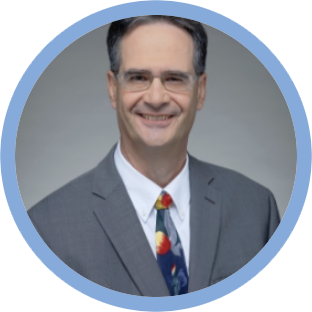

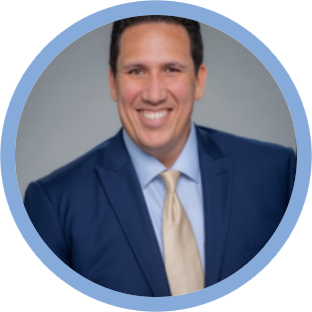

The chairs wield great power over legislation and can kill a bill singlehandedly, without the consent of committee members or the bill’s sponsor.
Chris Todd
The newish House Finance Committee chair got the job because he is a comfortable public communicator and well-liked by his colleagues, who were less than pleased that former chair Kyle Yamashita let some of their favorite bills die at the last minute without explanation. Todd, who is from the Hilo side of the Big Island, is seen as even-tempered and steady. But he will have his work cut out for him, especially trying to hold his own with the more seasoned Dela Cruz.
Karl Rhoads
Karl Rhoads has already said he will retire after this session and appears likely to push for one or two issues he has remained passionate about in his 20 years in the Legislature. One is raising the retirement age for judges, which he’ll need to persuade his colleagues to put on the ballot as a proposed constitutional amendment. His Judiciary Committee will take the lead on any judicial nomination the governor makes, including a new chief Supreme Court justice. A lawyer who has been chair of either the House or Senate judiciary committees for most of his time in office, he is one of the more liberal members of the caucus and one of the strongest advocates for gun control. He is principled, outspoken and media friendly.
David Tarnas
The judiciary committees are viewed as the most powerful in the Legislature after the money committees. David Tarnas, who is in his fourth year as House Judiciary and Hawaiian Affairs Committee chair, is not a lawyer but has handled the committee and its subject matter effectively and efficiently. He makes it a point to explain the pros, cons and details of bills. Tarnas is another one who will speak out about concerns as he’s done over the failure of the pay-to-play legislation, killed at the last minute by legislative leadership. He’s also one of the more progressive members of the Legislature and wants to put the question of allowing adult-use cannabis on the ballot. Also from the Big Island, Tarnas thinks of himself more as a land and water guy and some believe this may be his last session as Judiciary chair, especially with the departure of Rhoads who he has worked well with over the past few years.
Jarrett Keohokalole
Jarrett Keohokalole is one of the most ambitious members of the Legislature and one of the most outspoken. He chairs the Senate Commerce and Consumer Protection Committee, which is the third most powerful committee, taking up bills dealing with major business interests and government regulation. Keokohalole is one of the most prominent Native Hawaiians in the Legislature and has been a strong voice on issues affecting Hawaiian homelands and the Office of Hawaiian Affairs. He knows how to round up votes in his caucus and is not afraid to buck leadership, as he did last year on the bill that helped protect Hawaiian Electric Co. from financial problems after the Maui wildfires. Expect to hear even more from him this year as he is running for Congress against incumbent U.S. Rep. Ed Case and will be using his legislative bully pulpit to promote his position on national issues.
Donna Kim
Longtime Kalihi Sen. Donna Kim now controls both higher education and secondary education issues that come before the Legislature. Previously, she had an iron grip on the Higher Education Committee while Sen. Michelle Kidani ran the Education Committee. But Senate leadership combined the two this year as rumors of Kidani’s imminent departure rumbled through the Capitol. Heading a double committee is unusual (they are still separate in the House) but it’s definitely Kim’s passion and strength. She is deeply schooled in educational issues including the nitty-gritty of the University of Hawaiʻi and Department of Education budgets, which are among the largest in the state, and is quick to call administration officials to task on even the smallest details. She has excellent sources in the agencies and community who keep her informed about problems. Kim styles herself as fighting for the people and wants to know where their money is going. She frequently texts members of the Board of Education and the UH Board of Regents while they are in session so she can make her views known on whatever they are debating. Like Dela Cruz, who is her close ally, she is easily one of the members of the Legislature most feared by anyone who has business before her committee.
The Middle Of The Pack But Rising
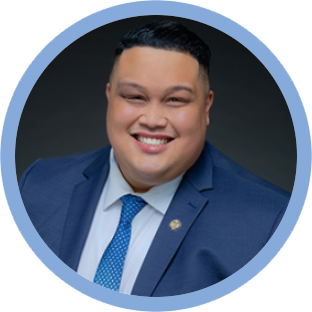
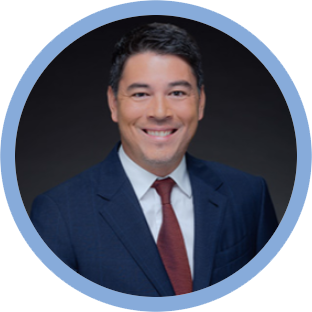


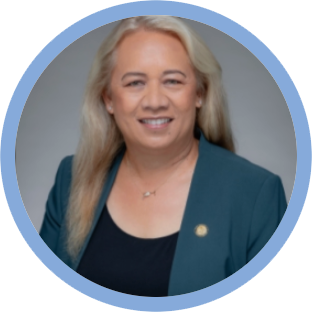
Younger House members and more established senators demonstrate the differences and dynamics of the two chambers.
Darius Kila
Darius Kila is one of the most media savvy members of the Legislature. He works well with television reporters and is frequently on the evening news being filmed at the scene of some story or another. A Westside guy, Kila has doggedly elevated Waiʻanae concerns including traffic, crime and violence, and environmental issues. As chair of the House Transportation Committee, he has taken the lead on how to deal with the increasing number of traffic fatalities. He may put out more press releases than other House members, but they are on real issues and usually tied to legislation. And he comes across as sincere, not just trying to elevate his profile so he can run for higher office. He is tight with leadership, which works in his favor so he can get things done.
Sean Quinlan
Sean Quinlan is another lawmaker who has no problem talking to reporters or the public. He’s highly quotable and down to earth. He was elevated to the No. 2 position in House leadership — Majority Leader — when Nakamura took control, and he represents a sizable faction in the caucus who are younger centrists. His own North Shore district has a conservative streak that he serves well. He is widely admired for his political abilities, such as last year when he killed a committee chair’s bill on recreational marijuana on the House floor. In many ways, he is the most prominent voice in the House now — and he usually has something to say.
Kirstin Kahaloa
The representative from Kona is from a conservative district but remains a centrist and close to the business community there. She is young and Native Hawaiian and well-liked by leadership. Although a relative newcomer — she was first elected in 2022 — she was recently elevated to the Majority Caucus Leader post, the job held by Chris Todd before he was tapped to be Finance chair. She recently chaired the Agriculture and Food Systems Committee where she shepherded through a major bill on biosecurity.
Angus McKelvey
A strong advocate for Lahaina where he lost his own home in the 2023 fire, McKelvey chairs the Senate Government Operations Committee. He has been in the Legislature since first being elected to the House in 2006, jumping to the Senate in 2022. He has a knack for not getting crosswise with leadership and knows how to work the system to get his own bills through. He is passionate about consumer protection.
Lynne DeCoite
DeCoite is seen as a very tough senator who won’t back down on issues she’s passionate about. She was instrumental in killing the assault weapons bill last year, a measure championed by Rhoads and Tarnas. It died on a split vote in the Senate, the tie broken by Kouchi on the Senate floor as gun rights advocates watched from the gallery. DeCoite, from Molokaʻi, is a consistent advocate for rural issues including hunting, agriculture and business. A Native Hawaiian who is considered right-center politically, she has been a leading critic of the Hawaiʻi Tourism Authority but also has been a proponent of legalizing gambling in the state.
Somewhere Else On The Pyramid — But Interesting
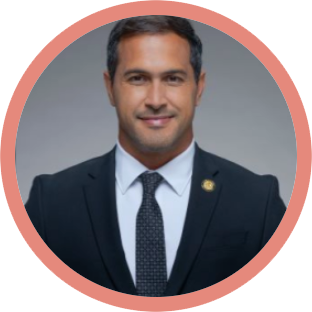
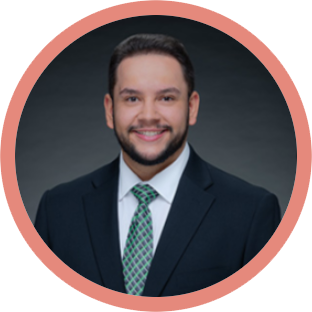

Lawmakers who don’t go along with the leadership program and are sometimes seen as ineffective can still make significant contributions to the legislative process.
Brenton Awa
A former TV news anchor turned politician, Awa can be counted on to be the one everyone’s talking about. That was the case last year on opening day when he went on a rant against the Democratic leadership, accusing them of bad decisions that have raised the cost of living in Hawaiʻi. One of three Republicans in the Senate, he has no power other than the bully pulpit but is popular in his North Shore community. He is a darling of social media with a huge Instagram following and posts frequently. Awa is strongly principled and refuses to accept campaign contributions but then got in trouble with the State Ethics Commission for using his state office to promote a staffer’s campaign for the Senate. Despite his sometimes overheated speechifying, he takes criticism well and he doesn’t get angry. He’s mounted a longshot bid for Congress against incumbent Rep. Jill Tokuda, who is already blasting him as a Trump acolyte.
Diamond Garcia
Lauren Matsumoto might be the minority leader but the face of Republicans in the House is Diamond Garcia. The West Oʻahu representative has only been in office since 2022 but he’s a rising power within the minority caucus. A member of the Christian right, Garcia is a protege of the late Gene Ward, who was one of the state’s most popular and outspoken Republicans. Garcia has proved himself to be highly articulate on GOP issues and, as Minority Floor Leader, often takes the lead on discussion and floor debate in the House. And he knows how to shape his persona for the local audience in Hawaiʻi so he doesn’t come across as overtly MAGA. He’s pals with Brenton Awa and the two occasionally team up on issues, recently traveling to Washington, D.C., together to try to get the Trump administration to back down on federal budget cuts to Hawaiʻi.
Kim Coco Iwamoto
A former elected school board member who ran for office three times before defeating Scott Saiki in 2024, Iwamoto has come to the Legislature with a mission. She is hard left on social issues and is frequently critical of the Democrats because they are not liberal enough. An attorney, Iwamoto does her homework and is one of the few rank-and-file members who is not afraid to ask good questions on complex matters, as she did recently during a hearing on the proposed consolidation of Hawaiʻi Pacific Health and HMSA. The fact that she unseated Saiki, who had been a strong leader in the House, has not made her popular within the caucus so she has yet to develop any clout. But she is an excellent advocate for the public with no qualms about speaking her mind.

About the Authors
Patti Epler is the Ideas Editor for Civil Beat. She’s been a reporter and editor for more than 40 years, primarily in Hawaii, Alaska, Washington and Arizona. You can email her at patti@civilbeat.org or call her at 808-377-0561.
Kevin Dayton is a reporter for Civil Beat. You can reach him by email at kdayton@civilbeat.org.
Chad Blair is the politics editor for Civil Beat. You can reach him by email at cblair@civilbeat.org or follow him on X at @chadblairCB.
Help power essential news and information