

Supreme Court Seems Likely To Strike Down Hawai‘i Gun Restrictions
Conservative justices seemed skeptical of the state’s argument for restricting the carrying of guns on private property.
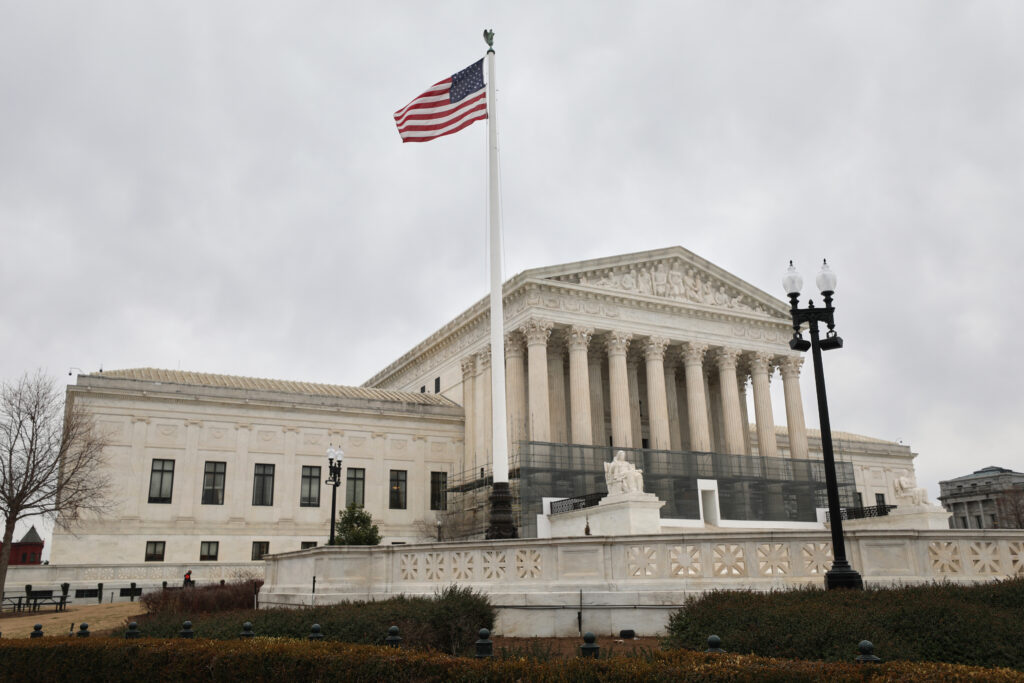
WASHINGTON — The Supreme Court seemed likely to strike down Hawai‘i restrictions on carrying guns into stores Tuesday in the justices’ latest firearm case since their landmark decision expanding Second Amendment rights.
The Trump administration backed the challenge to the law barring guns in places like malls and hotels unless the property owner specifically allows them. It’s sometimes referred to as a “vampire rule,” for its permission requirement.
Hawai‘i, on the other hand, said the measure is aimed at ensuring private owners have the right to decide whether they want firearms on their property.
Conservative justices, though, seemed roundly skeptical of the state’s argument, questioning whether Hawai‘i could make similar rules restricting First Amendment freedom of speech rights on private property.
“You’re just relegating the Second Amendment to second-class status,” Justice Samuel Alito said.
Very few people had concealed-carry permits to carry guns in Hawai‘i before the Supreme Court’s 2022 ruling that found the Second Amendment generally gives people the right to have firearms in public. The state has granted thousands since then, attorney Neal Katyal said.
Four other states have enacted similar laws, though presumptive restrictions for guns on private property have been blocked in places like New York.
If the court strikes the measure, Hawai‘i business owners could take their own steps to bar people from bringing in guns. The outcome won’t affect other state restrictions on guns in places like parks, beaches and restaurants that serve alcohol.
The case came before the court after it was challenged by a gun-rights group and three people from Maui. A judge originally blocked it, but an appeals court allowed it to be enforced.
The Supreme Court is expected to hand down a decision by late June.
The justices are hearing another gun case this term, about whether people who regularly use marijuana and other drugs can legally own guns.
In recent years, the justices have struck down a federal ban on gun accessories called bump stocks from Trump’s first term. They upheld regulations on ghost guns imposed under then-President Joe Biden, however, as well as a federal gun law intended to protect domestic violence victims.
This story was written by AP reporter Lindsay Whitehurst

