The Cruise Industry Gets An 11th Hour Reprieve From Hawaiʻi’s New Green Fee
Appellate court judges say the ships that bring passengers into port don’t have to pay the fee while the dispute plays out in court.
Hours before Hawaiʻi’s historic “green fee” took effect for the new year, federal appellate court judges delivered a setback to the measure, which aims to address the islands’ pressing environmental and climate change needs.
The judges upheld the cruise industry’s request that its ships not have to pay the new fee while in port — or to pay any of the visitor taxes already charged to hotels and vacation rental owners — while the battle over their inclusion plays out in court.
That means Hawaiʻi will see a 10% decrease in expected revenue from the nation’s first green fee while the injunction is in effect. That reduction would become permanent if the industry’s main trade group, Cruise Lines International Association, prevails in court.

While a 10% cut may not seem earth-shattering, local proponents of the Hawaiʻi green fee say the demand to fund projects that aim to better shield the islands from climate change is overwhelming and that every dollar counts.
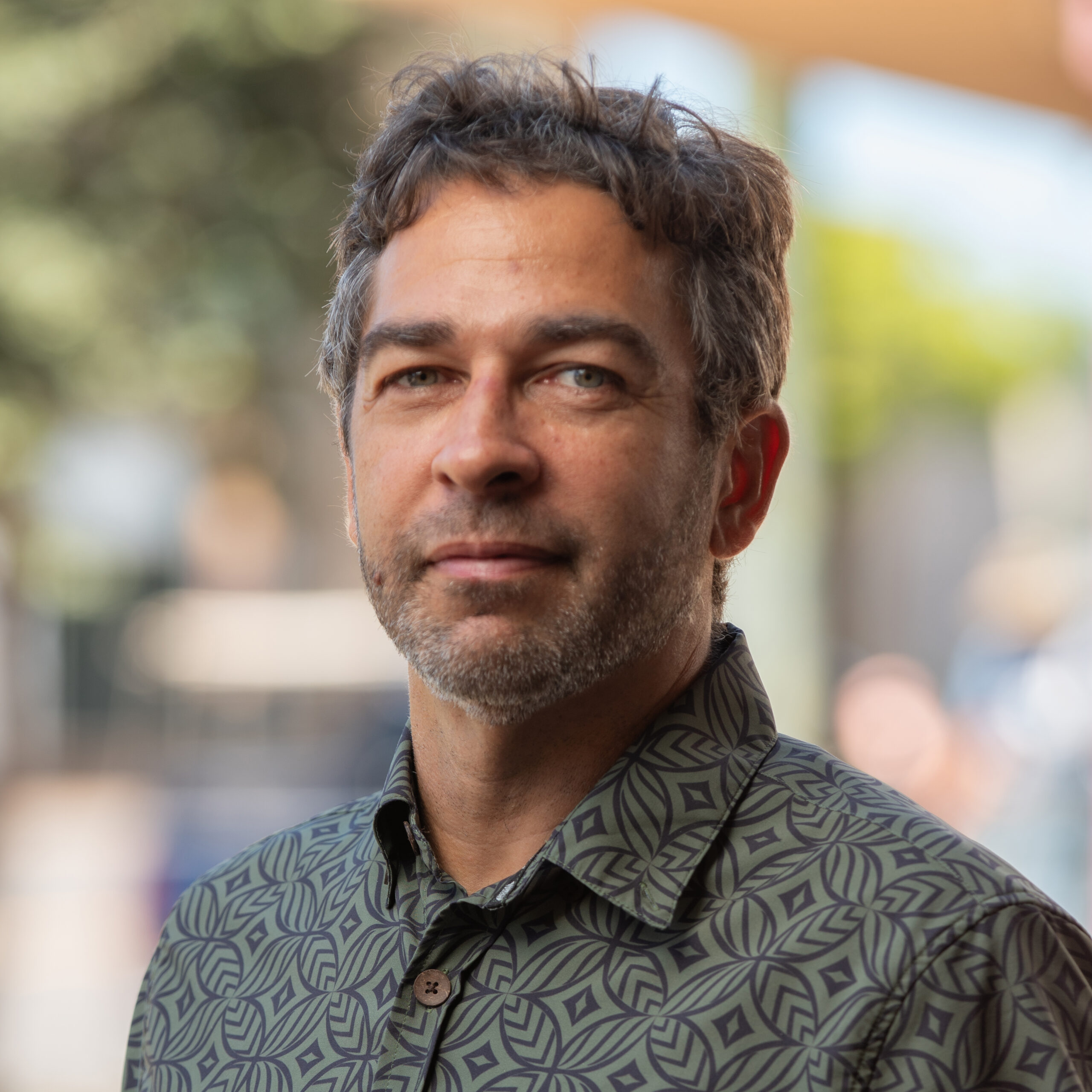
Jeff Mikulina, chair of the volunteer Green Fee Advisory Council, said his group already whittled down $2 billion worth of project requests from 621 applicants in the fee’s first selection round to $130 million to recommend to Gov. Josh Green.
With the loss of the cruise ship revenues, Mikulina said Friday, the process to pick those projects gets even harder.
“It’s just deeply unfortunate, because the idea was fairness across the (tourism) sector. Folks that are coming to Hawaiʻi to enjoy and use natural resources are going to be part of the solution and protecting them,” Mikulina said. “So without that source of income from the cruise ships, it’s just going to shift back to other visitors and to residents and taxpayers.”
Cruise Lines International representatives did not respond to a request for comment. Green declined through a spokesperson to comment, citing the pending litigation.
Welcome To The Club?
Hawaiʻi’s new green fee is funded through a 0.75% increase to the state’s existing transient accommodations tax. That means short-term stays in the islands are now charged an 11% state tax plus an additional 3% by the counties.
State officials expect the fee to raise about $100 million a year. The $130 million worth of projects that Mikulina’s advisory council recommended spanned a year and several months, he said.
Notably, the law that created the fee, Act 96, for the first time compels cruise ships that unload passengers into the islands to pay the full transient accommodations tax as well. That includes the increase funding the green fee.
The cruise industry filed suit in August, arguing its inclusion violates the U.S. Constitution. The U.S. Department of Justice, which under President Donald Trump has contested numerous climate change initiatives around the country, later joined the suit.
Both parties called for an injunction to halt the cruise ships from having to pay the tax until the dispute was fully resolved in court. U.S. District Court Judge Jill Otake denied that request Dec. 23. But U.S. Ninth Circuit Court of Appeals judges Andrew Hurwitz and Daniel Bress reversed Otake’s decision Wednesday — right before the new state law took effect.
Hurwitz and Bress called for the case to be expedited and scheduled to be heard as soon as possible.
The state Attorney General’s Office said in a statement Friday it remains “confident that Act 96 is lawful and will be vindicated when the expedited appeal is heard on the merits.”
The Green Fee Advisory Council has already submitted its recommendations to the governor, Mikulina said, and Green’s office is expected to release the list in the coming weeks. The Legislature then will decide which projects benefit from the fee.
How that all plays out, Mikulina said, could be complicated by the cruise industry’s suit affecting how much money will be available.
“It’s really preventative medicine, every dollar. It’s going to get rid of flammable grasses and put in native forest that’s going to be habitat and reduce runoff, which is going to benefit reefs and those ecosystems,” Mikulina said Friday.
“That fairness piece is really key,” he said. “That if someone is coming to enjoy the resources, they have a responsibility to help support what makes Hawaiʻi.”
Civil Beat’s coverage of climate change and the environment is supported by The Healy Foundation, the Marisla Fund of the Hawai‘i Community Foundation and the Frost Family Foundation.