Another Raise For Honolulu Politicians? Salary Group Says Yes
If approved, it would be the third raise in three years for top city officials.
UPDATE: The mayor’s office says it wasn’t involved in salary discussions, but may submit testimony in the future.
Just three years after substantial pay raises for Honolulu politicians sparked a public uproar, the city’s Salary Commission is proposing giving the same officials even more money.
The volunteer commission, which is appointed by the Honolulu mayor and City Council, is proposing 4.7% raises for most elected and appointed officials. Honolulu Prosecuting Attorney Steve Alm’s raise would be closer to half a percentage point.
Under that plan, Mayor Rick Blangiardi would make $237,000, which is 27% more than he made four years ago. Honolulu interim Police Chief Rade Vanic would make more than $261,000, a 27% raise for that position since 2022.
Honolulu City Council members would make $128,000, which is a whopping 86% increase from four years ago.
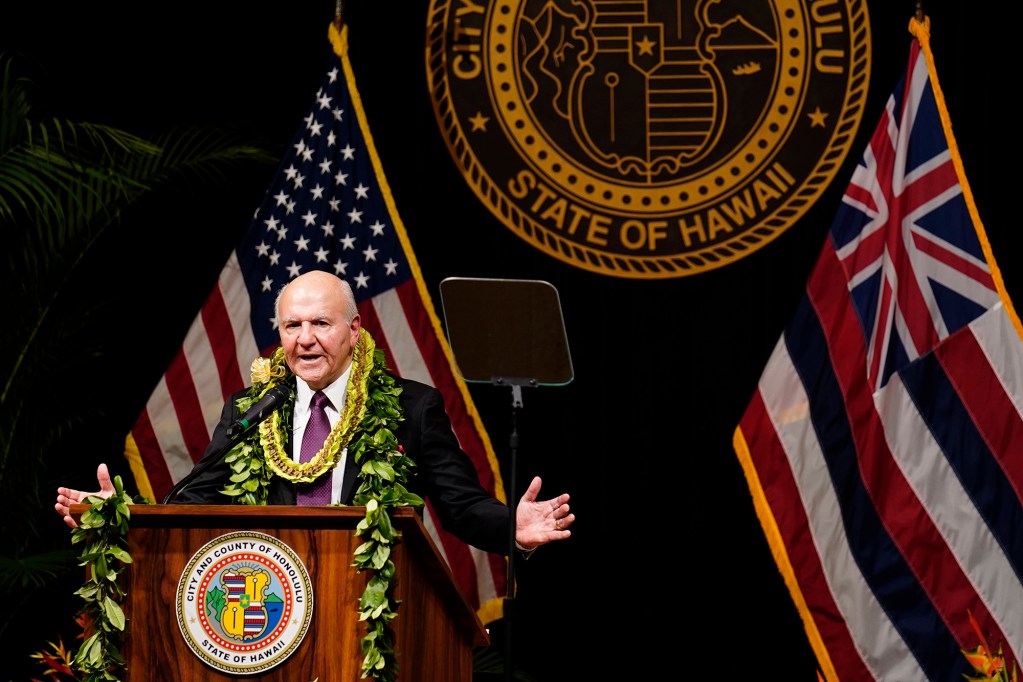
Larry Veray, chair of the Pearl City Neighborhood Board, said he thinks council members work hard and deserve to be financially comfortable. But he thinks they should refrain from taking pay raises for a few more years, given how much their salaries went up in 2023.
“They got a huge increase,” he said, “and they are comfortable now where they’re at.”
The public will have the opportunity to testify on the proposal at the Salary Commission’s upcoming meeting on Monday. Information on submitting testimony can be found on the meeting agenda.
Later in the month, the Salary Commission will finalize its recommendation. City Council members can reject any part of the proposal by a three-fourths vote of their entire membership, except for their own raises.
The mayor’s administration typically doesn’t get involved this early in the Salary Commission’s deliberations besides providing relevant government data, city spokesperson Scott Humber said Tuesday morning in a written statement.
“After the Commission makes a recommendation, the administration will testify if called upon or as necessary to provide the Commission input,” he said.
Council members did not respond to requests for comment on Monday. In a written statement, City Council director and chief communications officer Aron Dote said council members appreciate the Salary Commission’s annual evaluation of compensation for city leadership and pointed to a 2024 charter amendment that caps council member raises.
In 2023, city officials got a 64% pay bump that attracted major public scrutiny. Some residents said it was an insult to community members who are struggling with the city’s high cost of living.
At the time, Veray had called it a “slap in the face” for struggling residents and said it would be better if the raise was spread out over multiple years. The City Charter, however, does not allow salary proposals to spread over multiple years.
Despite the criticism, the same Honolulu officials got additional 4% raises last year.
Following the public outcry, voters in 2024 approved a cap on future raises, limiting increases to 5% and said raises for council members should be similar to raises for public union employees. The latest proposal falls just under the new legal threshold.
Department heads would make about $211,000 and their deputies would make about $201,000, up from $202,000 and $192,000, respectively. The police chief’s salary would increase from about $250,000 to $261,000 and the fire chief’s would increase from about $242,000 to $253,000.
Leading up to their big raise in 2023, council members had earned about $68,000 per year. While the raise elicited controversy, it also brought their salaries more in line with council members in other cities. Council members in Portland, Oregon, make about $133,000 and unlike Honolulu City Council members are prohibited from holding other jobs. Boston city councillors make $125,000.
The charter amendment voters approved in 2024 also removes the ability for council members to veto their own raises. Supporters said council members were previously incentivized to block their own raises for years because accepting them could hurt their chances for reelection.
Raises Exceed Inflation Rate
The proposal takes into account inflation and recent public union salary increases, according to a presentation from last week’s Salary Commission meeting. Inflation in Honolulu was 2.6% this past year, the report says.
Public union salary increases that were ratified last year were generally lower than 4%, though the state police union’s new contract from the fall gives them 5% annual raises through 2028, according to the Honolulu Star-Advertiser.
“We don’t set these salaries in a vacuum,” Salary Commission chair Sarah Guay said at the commission’s February meeting.
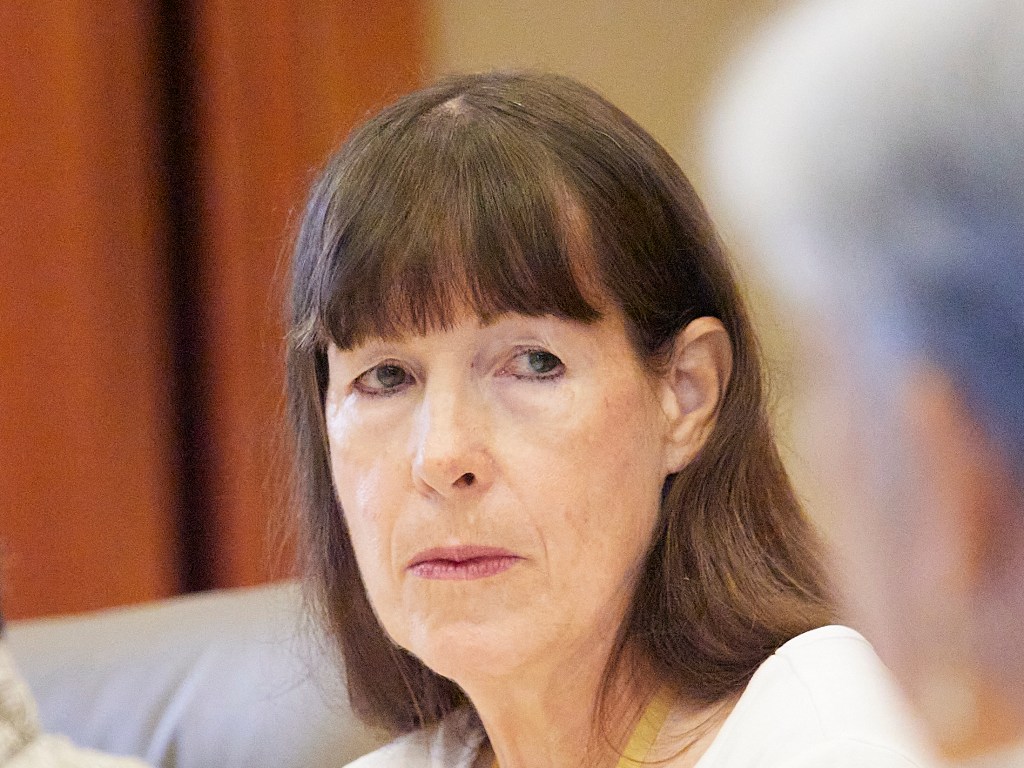
Natalie Iwasa, a certified public accountant and frequent testifier at the City Council, said she thinks the proposed increase is higher than it needs to be.
“I don’t think there’s any real justification for going above the inflation rate,” she said.
In justifying the 2023 raises, salary commissioners said council salaries had been lagging for years. They said a substantial boost would make it easier for council members to focus on their jobs.
“That was the real intent behind that 64%, right?” Iwasa said. “To catch them up on everything.”
Three council members – Andria Tupola, Augie Tulba and Radiant Cordero – initially said they would refuse the 64% raise.
“It would be inconsistent for me to accept a raise given my strong public opinion against salary increases,” Tupola wrote in a memo rejecting the money.
But when the buzz died down and after the trio was reelected, all three later accepted the pay increase.