

Kidney Nonprofit Charged Taxpayers ‘Outrageous’ Prices For Covid Tests
Following Civil Beat’s reporting, the nonprofit is enlisting outside help to review its books.
During the pandemic, the National Kidney Foundation of Hawaiʻi charged island taxpayers premium prices for Covid tests – up to $166 per test – as millions of public dollars flowed to the nonprofit’s consultant, a man who may now be at the center of a major political scandal.
The nonprofit was scrutinized four years ago by Hawaiʻi News Now for charging Honolulu $120 per test.
Now Hawaiʻi health department records obtained by Civil Beat show the Kidney Foundation was charging the state even more: $140 per test on Oʻahu, $156 per test on the neighbor islands and $166 per test at schools statewide. On top of that, the foundation invoiced thousands more per day in labor expenses.
“Those prices are outrageous,” said Scott Miscovich, a doctor who ran his own Covid testing operation here through Premier Medical Group and charged only $105 in 2021.

At the time, in 2021, the national median price of a PCR test was $62 for insured patients, according to the Peterson-KFF Health System Tracker, an online tool that monitors health care data.
Miscovich said the Kidney Foundation’s prices exceeded the standard at that time “by a long shot.”
“This was a time when everyone in health care should’ve been coming together to focus on the people we’re serving, not on pulling money out of taxpayer dollars,” Miscovich said. “We all paid for this. This was all of our monies.”
University of Hawaiʻi economist Tim Halliday and Johns Hopkins University accounting professor Ge Bai, who studied Covid test prices in Hawaiʻi, agreed. Bai called the prices “ridiculous.”
“That’s incredibly high,” Halliday said. “These windfall profits serve no other purpose than letting a small number of people make a lot of money.”
The foundation’s testing program has attracted renewed public attention as Tobi Solidum, the man who orchestrated the testing program, is embroiled in another controversy.
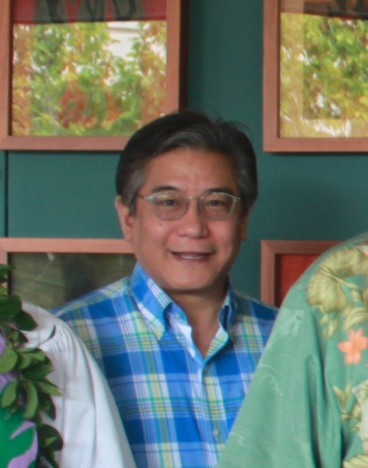
Evidence suggests Solidum may be the man the FBI suspects of having handed $35,000 to an influential state lawmaker in January 2022. That transaction, exposed by Civil Beat last year, has ignited a political firestorm and is now being investigated by the Hawaiʻi attorney general.
During the Covid testing program, Solidum’s company, GeoPolicy Development Group collected more than $7 million in consulting fees from the Kidney Foundation’s for-profit subcontractor, Capture Diagnostics, according to court records. Solidum also received a $1 million dividend for investing in Capture Diagnostics, court records show.
Civil Beat has made repeated attempts to reach Solidum and Glen Hayashida, who retired as the Kidney Foundation’s CEO in September after 30 years with the organization.
They did not respond to messages left via voicemail or text, or to letters sent in the mail. Multiple sources told Civil Beat Solidum may now be living in the Philippines.
“These windfall profits serve no other purpose than letting a small number of people make a lot of money.”
University of Hawaiʻi economist Tim Halliday
Kidney Foundation CEO Maile Kawamura, who took the helm of the organization in October, declined repeated interview requests. But the organization said a third-party, independent review of the nonprofit’s books is underway.
“We take these matters seriously,” it said in a statement. “Our focus remains uninterrupted service to patients while reinforcing governance, oversight, and operational discipline across the organization.”
Testing Company Made Millions
The National Kidney Foundation of Hawaiʻi had no experience with lab testing.
But the nonprofit’s consultant, Solidum, was entrepreneurial. And when Covid broke out, he jumped on the opportunity to get involved, according to a local documentary about the effort called “Caught Inside.”
In 2020, Solidum approached then-Honolulu mayor Kirk Caldwell to set up a mobile testing lab at the Honolulu airport. He enlisted the help of Capture Diagnostics, an Ohio-based startup that had only existed since the prior year, and another company, SynergyMed Global Design Solutions, which provided the lab. Caldwell has not responded to Civil Beat requests to discuss the testing program.
The tests would be free for patients, and taxpayers would foot the bill through federal pandemic relief funds.
In fall 2020, when the project was first launching, a Kidney Foundation’s quote of $125 per test sounded like a good price, according to a price justification memo the county shared with Civil Beat. A competing bid from Nomi Health would’ve charged $136 per test, so the Kidney nonprofit’s charge was deemed “fair and reasonable.”
Because of the public health emergency, procurement rules at the city and state were suspended, and the contracts were granted without the organization having to submit a competitive bid.
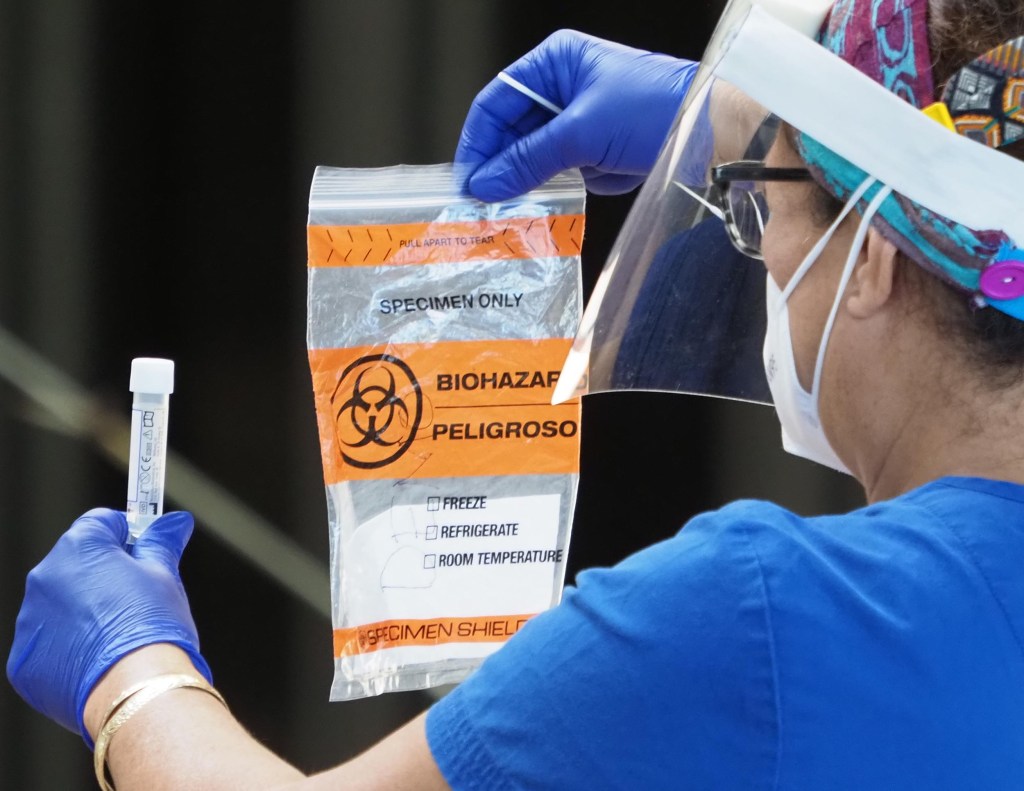
The city’s contract records suggest – but don’t say specifically – the $125 price was for PCR tests, highly sensitive tests that can take hours or days to complete. The foundation and Honolulu agreed the nonprofit could bill $40 per antigen test, a quicker and cheaper diagnostic tool that can be less accurate.
Caldwell’s administration directed more than $16 million of the city’s federal pandemic relief money to launching the lab from scratch. Tens of millions more followed after Mayor Rick Blangiardi took office in 2021.
By 2021, prices for Covid tests were coming down, according to Miscovich. The initial panic and scarcity in 2020 had given way to more supply, and therefore lower prices.
In August 2021, the city and the Kidney Foundation agreed to knock $5 off its price, records show, taking it down to $120 per test.
But when the Kidney Foundation contracted with the Department of Health in July 2021, launching pop-up test sites across the Hawaiian Islands, records show, its prices were higher.
The parties agreed that test kits on Oʻahu would be billed up to $140 each, plus a daily labor rate of $3,903 when more than 20 tests were done. On the neighbor islands, the foundation could bill up to $156 per test, plus a labor rate of $5,183 when more than 10 tests were done.
Factoring in those labor rates, the cost to taxpayers of some Oʻahu tests exceeded $150 each, according to numbers in a 2021 invoice. The cost on the neighbor islands ranged from $156 to $322 each.
In August 2021, the health department contracted with the Kidney Foundation to test in schools across the islands. The no-bid contract says the nonprofit could bill $166 for in-school PCR tests and about $45 for antigen tests – more than the organization was charging Honolulu the prior year.
Around the same time, Miscovich’s medical group ran a testing site at the Mauna Kea Resort on Hawaiʻi Island. In August 2021, he charged only $105 for each PCR test, labor included, and $35 for antigen tests, according to an email he shared with Civil Beat.
“That included our markup,” he said of the total charge. “Even with a luxury resort, my standard was we are not going to gouge anyone because we need those places to open up, because all of us in the state want to have our family and friends back to work.”
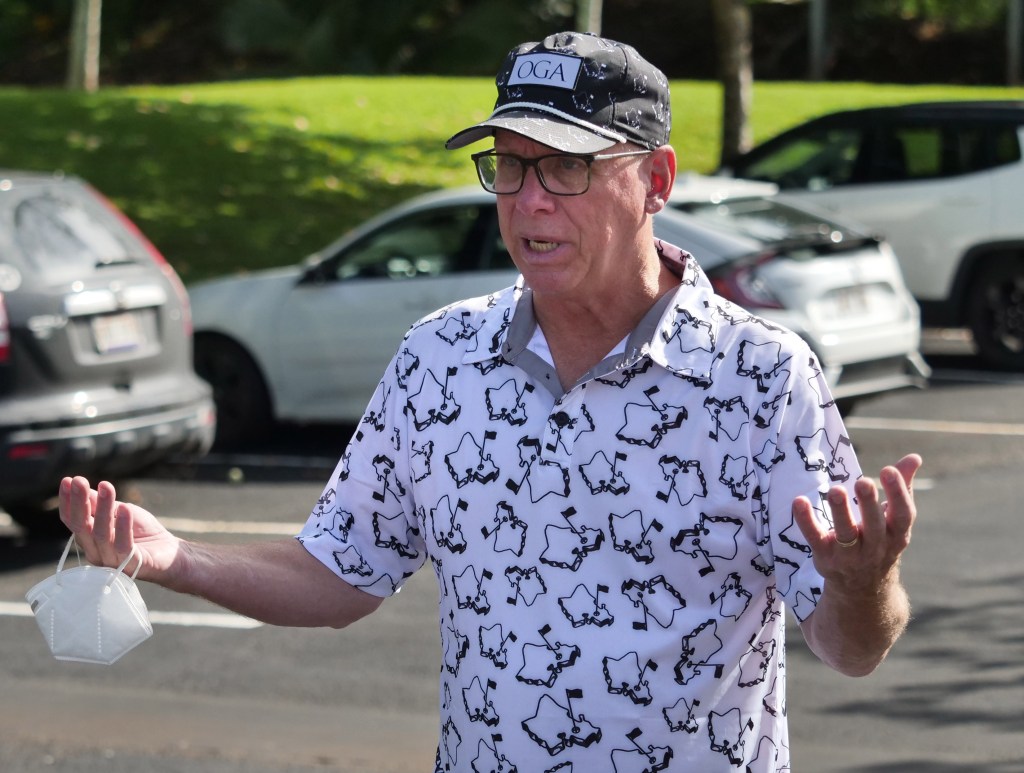
The Kidney Foundation continued to charge the state their established rates until March 2022, records show.
According to health department spokesman Adam LeFebvre, the prices were negotiated in 2021 during a surge of Covid’s delta variant when demand for testing was high and supply chains were constrained. He said Hawaiʻi, as a small state, was limited in its purchasing power.
“The reported cost per test reflects full cost accounting for statewide coordination and operation of the testing program,” he said in an emailed statement. “This included purchasing test kits, warehousing, shipping and logistics between testing sites and laboratories, lab processing, and overall project management across multiple locations statewide.”
LeFebvre said the health department contracted with the Kidney Foundation in mid-2021 because by then, it had a track record of Covid testing and was able to coordinate a statewide operation. He said the agency did not award contracts based on lobbying by Solidum.
Scott Humber, communications director for Mayor Rick Blangiardi, said in an emailed statement there are no city rules that prohibit city vendors from profiting from their contracts.
“Please keep in mind that the City needed to establish testing capability quickly and on a large scale to address the COVID-19 public health crisis,” he said. “To our knowledge, there was no other entity willing and able to take on this responsibility and the City needed the testing sites and process in place to protect the public during the pandemic.”
Civil Beat left messages with two local competitors, Clinical Labs and Diagnostic Laboratory Services, but did not receive responses. However, a 2022 study of Hawaiʻi lab income during the pandemic found that local labs profited handsomely from PCR testing. Comparing testing revenue with PCR testing volume, Halliday and Bai estimated that labs profited by at least $10 per PCR test.
Nonprofits cannot make profits for owners, and they do not have shareholders. But the Kidney Foundation’s private subcontractor, Capture Diagnostics, did, at least for a time. In filing for bankruptcy last year, the company said in court filings that its testing work generated “several million dollars” in revenue over two years.
Bai said Hawaiʻi taxpayers were “robbed” and should be outraged.
“Your money could be spent helping people really in need instead of of being funneled into undeserving special interests,” she said.

As Covid waned, demand for testing plummeted, and the money dried up. The last big payments from Honolulu and state went out in 2022, payment records show.
As of March 2022, the department of health canceled PCR testing and opted to do only cheaper antigen tests, records show. But the price for the antigen tests went up to $54 each.
Between 2020 and 2023, the Kidney Foundation brought in unprecedented revenue of $130 million, including $35 million from the City and County of Honolulu and $95 million from the state health department. Most of that money came from federal pandemic relief funds.
And most of it, tax filings show, went to Capture Diagnostics.
Capture’s attorneys in that case did not respond to Civil Beat requests for comment.
Public records suggest Solidum collected income from the Kidney Foundation, Capture Diagnostics and Synergy, from which he received a commission.
The city’s contract contained provisions to prevent conflicts of interest. It said the foundation shall “establish safeguards” to bar employees and contractors from using their positions for personal gain. However, the city contract describes no mechanism to enforce that.
Nonprofit Now Reviewing Its Financials
In the statement shared by Kidney Foundation CEO Kawamura, the organization said it recognizes “important and understandable questions” have been raised by recent reporting on the Covid testing program as well as a planned center in Kapolei that was supported by $3 million in state funds. Civil Beat found that the center was never built.
The review will cover both projects, according to the statement, and updates will be provided once there are verified findings.
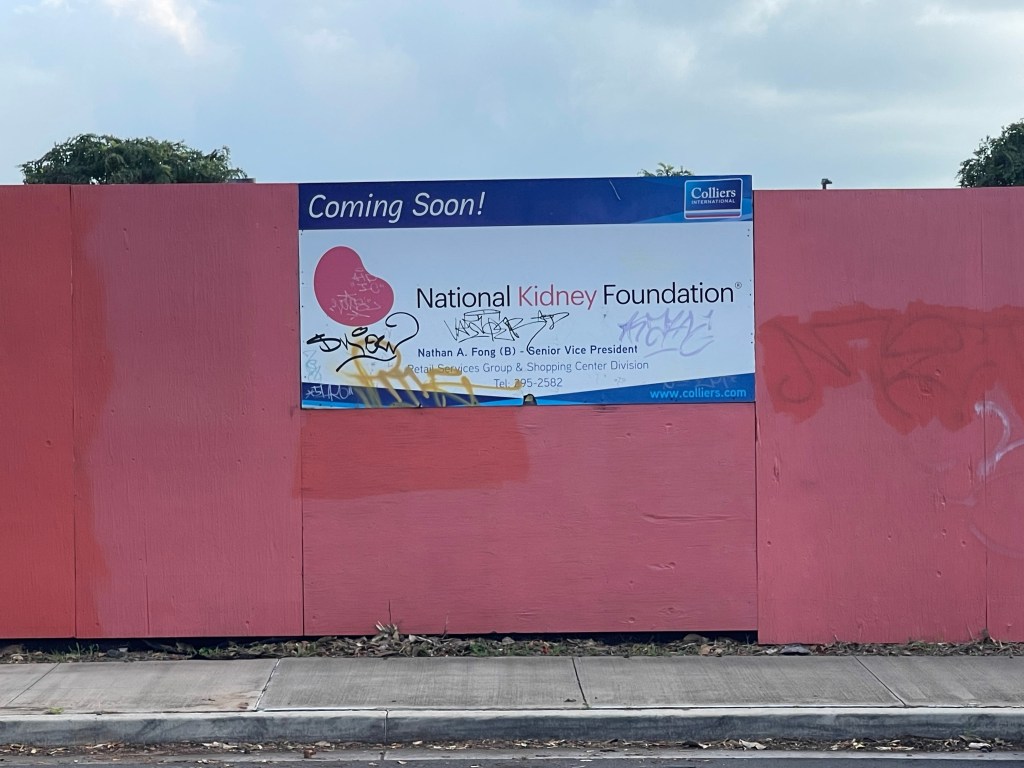
Contract records obtained by Civil Beat suggest the Kidney Foundation was required to file audits with the federal government covering the years it received substantial federal funding. But Civil Beat was unable to find any such audits filed by the nonprofit.
Under federal law, non-federal entities receiving more than $750,000 prior to October 2024 were required to submit particular audits to the federal government. Honolulu and the health department confirmed the vast majority of the $130 million they gave the nonprofit were federal dollars.
But the foundation’s tax disclosures from 2020 through 2023 state no such audits were required. The Kidney Foundation does not have any reports filed with the Federal Audit Clearinghouse, where these kinds of reports are typically posted. The foundation’s accounting firm, CW Associates, did not respond to multiple requests for comment.
Kawamura did not respond directly to questions about whether any audits were done but said the organization is “reviewing prior filings and compliance documentation to ensure any information provided is accurate and comprehensive.”
Natalie Iwasa, a certified public accountant and local government watchdog, said the nonprofit owes information to the public, which funded its operation.
“It’s all from the taxpayers,” she said. “And that’s one of the things they give up when they become nonprofit and they don’t have to pay taxes. They have a duty to disclose certain information to the public.”

