The Stakes Have Never Been Higher For Maui Planning Department
The third Maui County planning director in three years plans to prioritize post-wildfire rebuilding and tackle complex local issues.
Jacky Takakura knows the world she’s entering, but that won’t make her job much easier.
She’s the third person tapped to serve as Maui County planning director in the past three years. As the island continues to recover from the deadly 2023 wildfires that devastated Lahaina and Kula, there has perhaps never been a more difficult time to lead the Planning Department.
Over the next several months, it will need to tackle an array of complex and controversial topics, from overseeing the permitting process for property owners looking to rebuild homes and businesses to shepherding legislation that could exempt thousands of vacation rentals from being phased out. On top of that, the department will be expected to address the long-overdue rewrite of the county’s zoning code and prepare South Maui and other parts of the island for future development.

Even though Takakura, a 28-year county employee and former deputy planning director, never aspired to the top job, she said her decades of local government experience and recent involvement in post-wildfire rebuilding have prepared her to take on those issues and myriad others. She also has seen the toll the stress of the job has taken on her predecessors.
“It’s really intense, but I feel like I can do this because of the good team that I have,” she said. “We’ve got a lot of really great employees, and I’ll be standing on their shoulders.”
Mayor Richard Bissen appointed Takakura soon after former Planning Director Kate Blystone suddenly resigned in mid-January, citing personal reasons. Takakura agreed to fill the role through the remainder of Bissen’s current term, which runs through the end of this year, and committed to acting fast.
She outlined a 90-day action plan with more than half a dozen goals intended to expedite post-disaster rebuilding efforts and strengthen the department’s capacity to deliver results. That plan, she said, was the result of collaboration between the planning department and other county officials. It’s a familiar goal that remains formidable.
“Everybody is on the same page about getting things going,” she said. “I’ve been peripherally involved, but now I’m going to be more directly involved and responsible and accountable.”
Takakura’s appointment has not yet been confirmed by the Maui County Council, but she has been serving as the county’s acting planning director for about a month.
The Government Relations, Ethics, and Transparency subcommittee, chaired by council member Kauanoe Batangan, is scheduled to consider her appointment on March 10. Council Chair Alice Lee said Monday that she expected Takakura to be confirmed.
“We know it’s important to have her on board officially as soon as possible,” Lee said. “She has her hands full, but she is a veteran. She’s been with the county a long time. A lot of us have worked with her for a long time, so we are very comfortable with her.”
Takakura has already been tasked with expediting the council’s bill to create two new hotel zoning districts, where thousands of units currently zoned for apartment use could become exempt from the anticipated phaseout of roughly half of the island’s short-term vacation rentals.
Last week, the Maui Planning Commission voted not to recommend that the council pass the rezoning bill. That move, which surprised Lee, makes the bill harder to pass because now a supermajority vote by the council is needed for approval. Takakura will take it before the Molokaʻi and Lānaʻi planning commissions for their recommendations later this month.
Top Priority: Post-Disaster Rebuilding
Two and a half years after the Lahaina fire destroyed thousands of buildings and displaced more than 12,000 people, the planning department is still largely focused on post-disaster recovery efforts and ensuring the town is quickly rebuilt in a way that respects the community’s history and acknowledges contemporary concerns about climate change, disaster preparedness and the availability of affordable housing.

“The mayor’s top, top priority is getting residents into their homes, and I’m totally on board with that,” Takakura said.
In the near future, that means Takakura plans to work with the county’s permitting contractor 4LEAF to expand its services.
As of last week, 147 structures had been completely rebuilt in Lahaina and Kula, including 138 residential buildings. Another 565 building permits had been issued, and 300 homes were under construction, according to 4LEAF data provided by the Maui County Office of Recovery. An additional 331 building permits — about half residential — remained under review.
Taking a look at how the county handles rebuilding permit applications submitted by property owners in historic districts would also be a short-term priority, Takakura said. Currently, property owners applying for permits to rebuild in those areas must go through a lengthy process that includes going before the county’s Cultural Resources Commission, the federally certified government agency that oversees the island’s historic landmarks.
Takakura and other officials have been working with the commission for the past year to craft legislation that would allow non-commercial property owners looking to rebuild following a federal or state disaster to bypass this step.
“That would just cut out a lot of the time,” she said. “They’d have to be rebuilding something similar to what they had before in terms of scale and architectural character, so it’s not just anything goes, but at least that would allow them to move forward a little bit quicker.”
The commission has been criticized for its failure to quickly respond to the destruction of many of Maui’s historic buildings. It has only met a handful of times since the 2023 disaster, often because there have not been enough members to hold meetings.
Lee, the council chair, said there would almost certainly be opposition to granting certain property owners permission to begin construction without the commission’s approval. But she said something needs to be done to speed up the rate of rebuilding.
“If this is going to continue to be an issue, then it’s going to have a very severe economic impact on West Maui and the rest of the county of Maui,” she said. “If we can’t fill that commission, then we’ll have to move to find an alternative.”
Takakura said she was also focused on amending the West Maui Community Plan to increase the height restriction for Front Street Apartments to 35 feet, up from 30, so three floors can more easily be rebuilt. She also is working with other officials to exempt Waiola Church, Lahaina Jodo Mission and other historic landmarks from height restrictions.
“They were built before there was even zoning, and they’re all taller,” she said. “To not let them come back would just be really sad.”
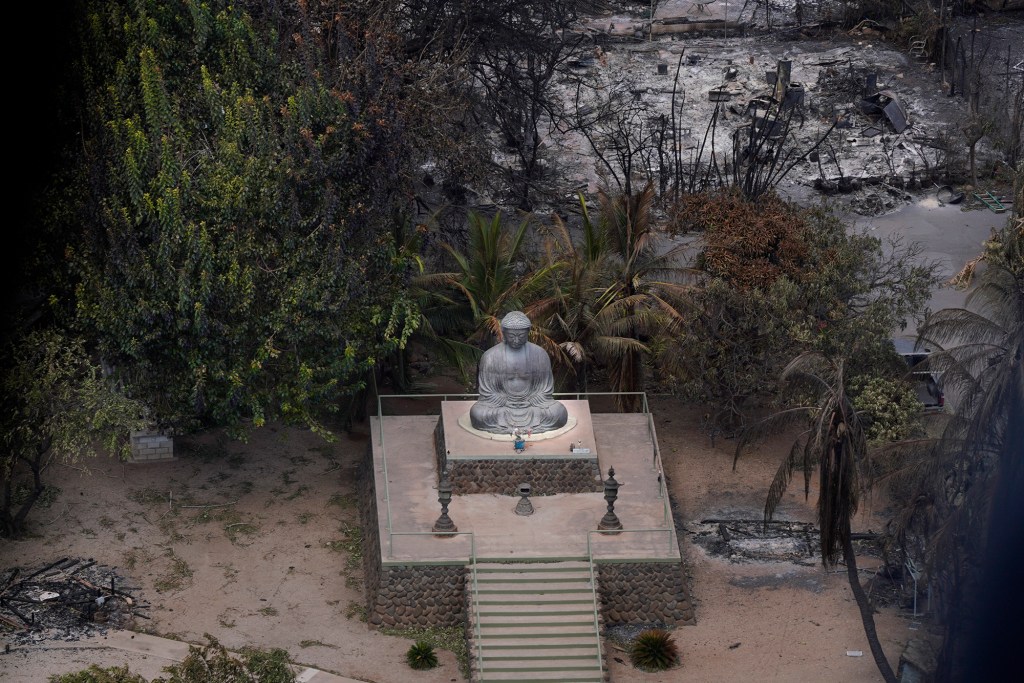
Other priorities related to the post-disaster rebuilding effort include: working with state lawmakers to speed up the permitting process for people looking to rebuild near the shoreline; educating the public about recent changes that allow more property owners to build accessory dwelling units and clarifying parking requirements for new homes.
Takakura also plans to oversee the first revision of Title 19 — the county’s zoning code — in more than 65 years. While Title 19 has been updated in a piecemeal fashion over the decades, she said it is long overdue to be comprehensively rewritten.
“For a lay person, it can be kind of confusing, so we’re trying to organize it,” she said, explaining that officials plan to modernize the language and add tables and images that make the code simpler to navigate and understand.
The rewrite has been in the works for at least a decade, but the 2023 fires and destruction of downtown Lahaina prompted a new wave of Title 19 criticism.
“It’s one of those fundamental things,” Takakura said, “that you don’t think much about until you are working with something like a big disaster.”
Looking Ahead
Blystone, the most recent planning director, was brought on in January 2024 to guide the county through wildfire rebuilding efforts and an affordable housing crisis. Over the course of her two-year tenure, she played a role in the county’s response to many of the most contentious local issues in recent history, including: Bissen’s plan to phase out thousands of short-term vacation rentals; the process of distributing permits following the 2023 fires; how to update shoreline setback rules; and large development projects like a long-planned 670-acre luxury project in Wailea.
Bissen told Civil Beat in late January that Blystone would continue to work for the county in another capacity. On Monday, county representatives confirmed that Blystone was working as an executive assistant in the Office of the Mayor.
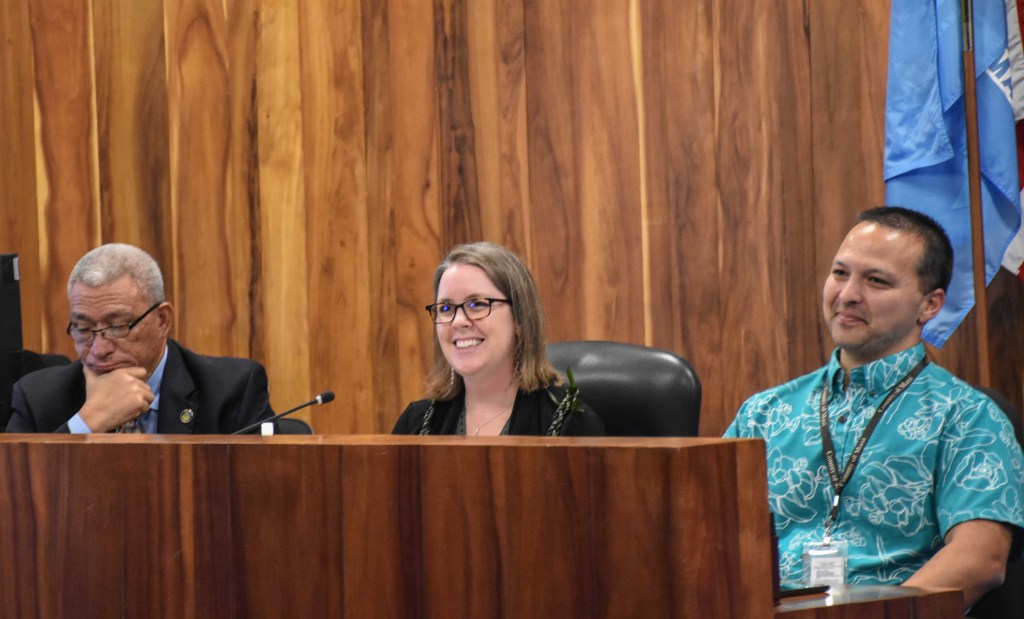
The planning department under Blystone tackled unprecedented hurdles, but there remain many more on the horizon. As the new face of the department, Takakura said she is prepared to be at the center of emotionally charged conversations about contentious issues. Outside of disaster recovery, the department is expected to handle permit applications for several large residential developments and complete its review of the highly anticipated South Maui Community Plan.
“I’ve been doing that throughout my career — talking to people and just making sure they get the information that they need,” she said, noting that she worked directly with the community in a previous stint with the Department of Water Supply.
“I’d rather just let my work speak for itself,” Takakura said. “I just want to get things done. I know what needs to be done.”