

Oʻahu’s North Shore: Where The Buffalo Roam?
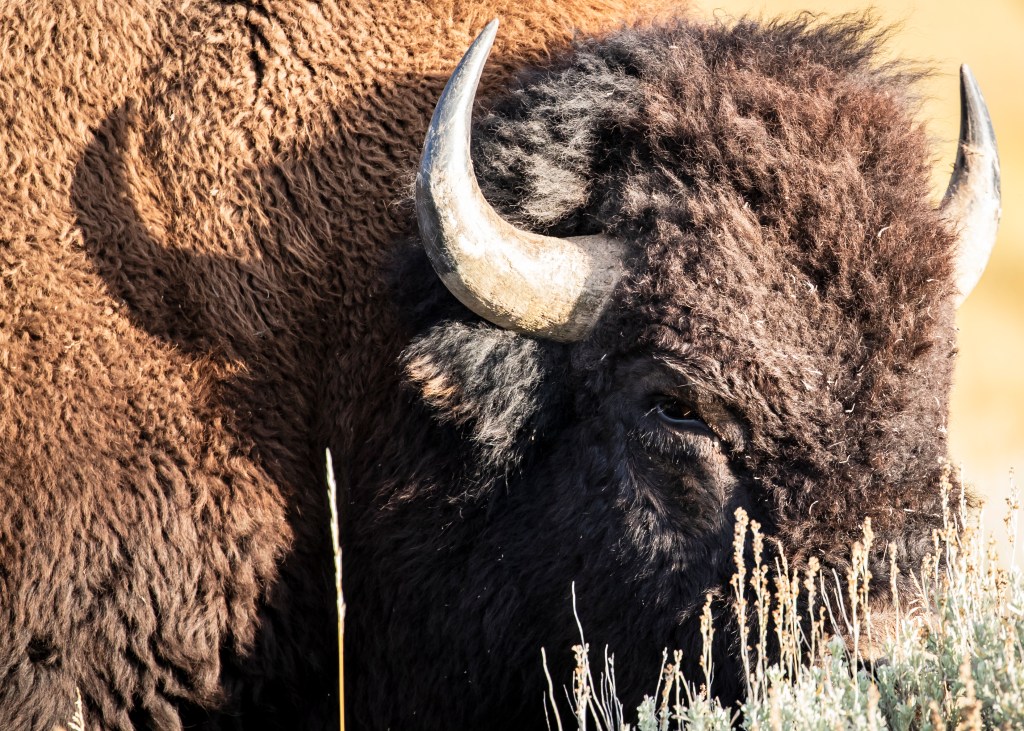
If the state Board of Agriculture and Biosecurity approves, American bison from Montana will soon be on a plane to Hawaiʻi.
Bison may soon graze on the slopes of the Waiʻanae Range, underpinning a nearly 400-acre ranch in the hills above Waialua.
Michael Botha, a longtime Haleʻiwa resident and founder of Big Sky Bison in Montana, is asking the state Board of Agriculture and Biosecurity to approve his import application on Tuesday so he can fly 22 female bison and five bulls to Oʻahu as the basis for the herd.
Some North Shore residents have raised concerns about the implications of having the animals graze land above the area that was flooded last month during back-to-back Kona low storms, but Hawai‘i’s Advisory Committee on Plants and Animals has recommended the state welcome the animals.

The bison are to become the focus of a destination ranch whose owners say they will put the meat on local menus. Advisory committee members and at least one testifier questioned how the community might react, especially in light of pushback on previously unwanted projects on the North Shore, such as the gondola and zipline. Botha has said those projects are incomparable.
“The difference with us is that we’re doing agriculture on agricultural property,” Botha told the advisory committee earlier this month. “Everyone we’ve spoken to – I would say without exception – has been very positive.”
North Shore Community Board Vice Chair Racquel Achiu has been the only member of the public to testify so far. She highlighted the island’s lack of livestock processing capacity, public safety and land use among her concerns. Top of mind, however, is how Botha will deliver on his vision.
“When people come in and propose new projects, especially on the North Shore, no one is buying it right out of the gate,” Achiu told Civil Beat.
Botha, who did not respond to interview requests, runs a bison business in Montana that’s driven by meat production and tourism, with hunting offered to clients who are willing to spend up to $10,950 for a “Trophy Buffalo Hunt Experience.” The 1,200-acre Montana ranch is intended to act as a blueprint for the North Shore operation, under the business name Aloha Bison.
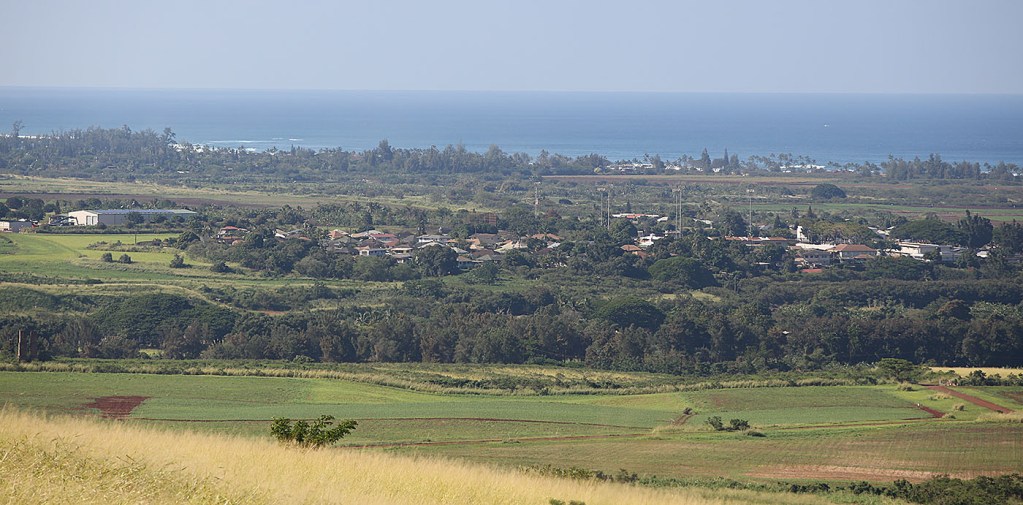
The local herd will take several years to grow with up to 1,000 acres of leased land available, though Botha says he intends to initially use between 200 and 400 acres and says fencing will be installed, a corral built and improvements made to the land – including the removal of invasive plant species – if and when the import is approved.
The advisory committee, which comprises agricultural and environmental officials and experts, was satisfied with Botha’s plan, having mainly questioned Botha and state agriculture staff about safety concerns and the possibility of disease or invasive species being introduced.

American bison, which sit in the same family as cattle, may not have set foot on Oʻahu yet, but a herd has existed on Kauaʻi for the past decade. Bison from that herd were moved to Waimea last year after escaping in Hanalei during heavy rains and flooding in 2018.
Achiu, a rancher on a neighboring North Shore property, brought up the escape issue while discussing her safety concerns at the advisory committee meeting. She asked about the animals’ potential proximity to Waialua schools and the community.

“This is not Montana. This is just different land, different terrain and a different environment,” Achiu said at the meeting. “The concerns are very, very real in this area, especially after all the flooding.”
The planned North Shore ranch is not like Hanalei, Botha said, because there’s 5,000 acres between the ranch and the Waialua community unlike the riverside location on Kauaʻi. Botha said he breeds his animals to be tame and to respect boundary lines.
“I’ll tell you how we handle a bison that steps out of line: We kill it,” Botha said.
In a 2025 Instagram post, Botha shared plans to build a visitors center, burger restaurant and shop. There is no mention of such facilities in his current submission to the agriculture department, which Achiu told Civil Beat she finds alarming.
Slaughter and meat production is limited in the islands, as many processing facilities have shuttered or are almost entirely dedicated to cattle.
Aloha Bison plans to use either the existing slaughterhouse in Kalaeloa. Botha said constructing a small, dedicated slaughter facility on site is also an option.
“Hawai‘i Grown” is funded in part by grants from the Stupski Foundation, Ulupono Fund at the Hawai‘i Community Foundation and the Frost Family Foundation.

