Hawaiʻi Balks At Funding Maui Fire Victim Health Study
Lawmakers did not pass a bill that would have funded the continuation of the most comprehensive study of the long-term health effects of the wildfires.
University of Hawai‘i researchers are scrambling to plug a $1.5 million gap to continue studying the long-term health and social effects of the 2023 Maui fires after state lawmakers quietly dropped a bill to fund it last week.
The Maui Wildfire Exposure Cohort Study, or MauiWES, has furthered the understanding of the ramifications of the disaster on victims and connected participants with medical care, mental health resources, housing assistance and other services.
Unless a new funding source is identified, that work could come to a screeching halt, according to Ruben Juarez, one of the researchers heading the study with the UH Economic Research Organization.

“If MauiWES is not allowed to continue, I think many wildfire survivors will lose one of the few remaining systems actively checking on their long-term health, documenting their needs and helping connect them to care,” he said, adding that there is currently only enough funding to sustain the study through the end of June. “For the community, this definitely could add to the painful message that recovery ends when the headlines fade.”
Last week, state lawmakers were poised to pass a bill that would allocate $3 million in the upcoming fiscal year’s budget to sustain and expand MauiWES and the Maui Registry, which collects information from and connects fire-affected residents with support services. The legislation unexpectedly stalled after House and Senate negotiators struck a last-minute deal to save previously approved tax cuts, and lawmakers couldn’t agree on how much to appropriate for the study.
Alika Maunakea, one of the lead researchers on the project, said researchers had been led to believe that lawmakers overwhelmingly supported expanding the study because they understood the importance of assessing the fires’ long-term impact and addressing the ongoing physical and psychological health issues experienced by many survivors.
“We thought that they would recognize that the crisis remains an issue, especially as new issues are still being recognized,” Maunakea said. “It’s not just about the initiative and this one decision and funding for now, but it just felt as if they didn’t seem interested in identifying best practices and strategies to implement statewide that could help against future disasters, which is exactly what we’re doing.”
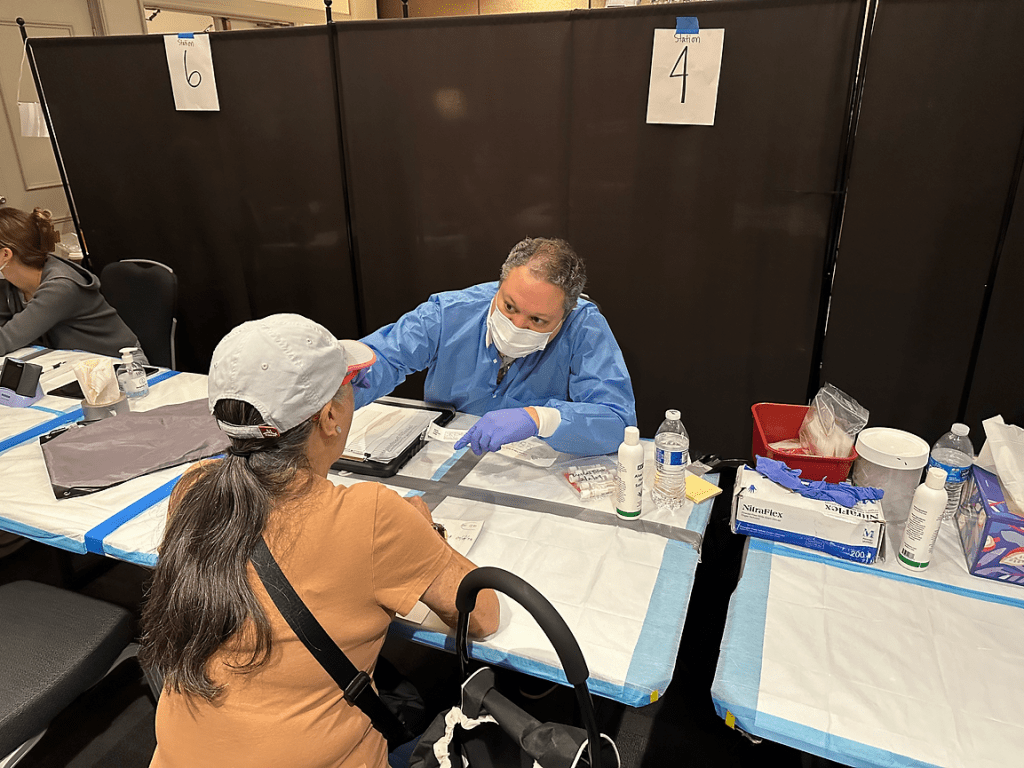
Juarez said there was “zero indication” that the bill would not pass, and researchers were even preparing to hire three new employees to help handle the additional workload. However, when it became evident that lawmakers may not approve the full $3 million needed to expand the study to include roughly 3,000 people — including children, first responders, kūpuna and medically vulnerable residents — they made sure to explicitly express to lawmakers that they needed at least $1.5 million to maintain the same services and to continue working with the study’s roughly 1,500 current participants, according to Juarez.
Since MauiWES launched in 2024, it has received about $2.3 million from the state and additional funding from the Hawaii Community Foundation, Kaiser Permanente and the National Institutes of Health.
Researchers have contacted Maui County officials and nonprofit representatives to see if they might be able to help bridge the gap, Juarez said, and they have been working with Gov. Josh Green’s office “to determine whether there is a path forward to rescue MauiWES.”
“I’m hoping they will be able to provide some support,” he said. “But no matter what, I think that this is just a state failure and a missed opportunity.”
He added, “Without additional support, we may need to let staff go at the end of the month.”
Green’s office is reviewing all bills coming out of conference committees, including those that were not passed, according to a statement provided by a state spokesperson on Monday afternoon.
State Sen. Angus McKelvey, who represents District 6 on Maui, introduced the bill to fund and expand MauiWES. While McKelvey was disappointed the legislation didn’t move forward, he said he was committed to working with Green’s office, other state lawmakers and UH to help researchers secure the funding they need to continue the study.
“It is a very important research project, and the work being done here — and I stress this to my colleagues — is something that will create a model for proper resiliency response in future disasters, especially those involving high levels of toxic generated contaminants,” McKelvey said, adding that his dedication was fueled by his experience losing his own home in the Lahaina fire.
“I’m very motivated to see this study continue. But at the same time, after doing this for 20 years, what makes success is continuing to fight, even when things like this happen.”
‘Why Is This Not A Huge Priority?’
Christopher Knightsbridge, who heads the mental health research team for MauiWES, said he works with fire survivors who would not have access to medical and mental health care if they were not MauiWES participants.
“I was completely devastated. It really, genuinely shocked me,” Knightsbridge said about the funding bill’s failure.
“How has nobody done anything to give us any help? Why is this not a huge priority, whether it’s because you want to be on the morality side and you actually care about the people and want to do what’s right, or on the fiscally conservative, fiscally responsible side and want to prevent the financial crisis of care in the future?”
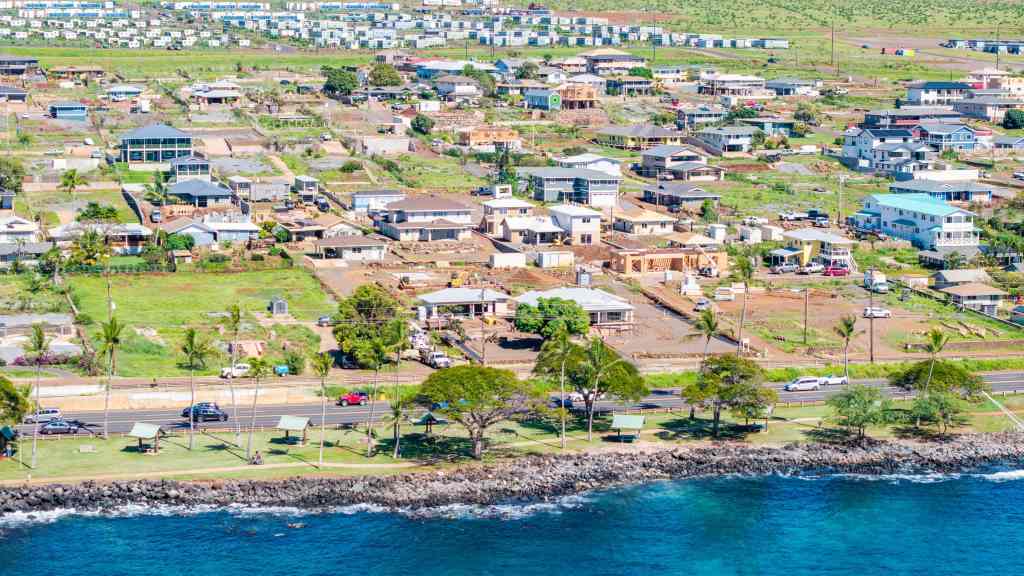
Andy Lehmann, a career carpenter who had been living in Lahaina for about 30 years when the 2023 fire destroyed almost everything he owned, said his quality of life had improved dramatically since he first got involved in the study about six months ago.
“I would have gotten in trouble if I hadn’t had that support, somehow or other, whether it was emotionally or drinking too much beer or lashing out and getting in a fight with someone. You just get edgy, and I’ve never been like that in my life,” he said.
Lehmann did not initially seek any formal mental health care, but he was haunted by memories of the day after the fire when he returned to the remains of his warehouse and encountered the charred corpses of people and animals, he said. The fires killed 102 people in Lahaina.
He decided to inquire about becoming a participant in the study after a friend suggested that it might be helpful.
“I felt better as soon as I walked in. It’s just an aura,” he said, recalling the day he arrived at the Lahaina clinic.
Lehmann said working with MauiWES researchers has helped him better understand his response to the disaster and how to manage his emotions.
“I’ve tried to get other people to go there, and some have and have had great results,” he said. “It’s just a really good thing.”
The vast majority of study participants are adults, Knightsbridge said, but there are families with children who have signed up to be on a waitlist to get involved with MauiWES. The $3 million that researchers had expected to receive from the state would have allowed them to work with more children and learn more about how the youngest Maui fire survivors have been affected, he said.