Interisland Shipping Rates Set To Rise July 1 After Governor Signs Bill
Young Brothers quickly announced a 3% rate hike soon after the bill was signed. State wharfage fees will rise at the same time, potentially driving up prices even more.
Gov. Josh Green has quietly approved a controversial bill allowing interisland shipper Young Brothers to impose a series of rate increases over the next three years, and the company announced it intends to boost freight rates by 3% effective July 1.
The Young Brothers rate increase will go into effect on the same day as the state Department of Transportation has scheduled a 3% increase in state wharfage fees, delivering a double whammy to interisland commerce.
The 3% rate increase by Young Brothers will be its second price hike this year. The Public Utilities Commission last fall granted Young Brothers an extraordinary 25.75% increase that took effect Jan. 1.
The shipper’s rate increase was approved as part of Senate Bill 2694, which Green signed into law on May 19 without fanfare. The bill grants Young Brothers automatic rate increases of up to 5% a year for the next three years.
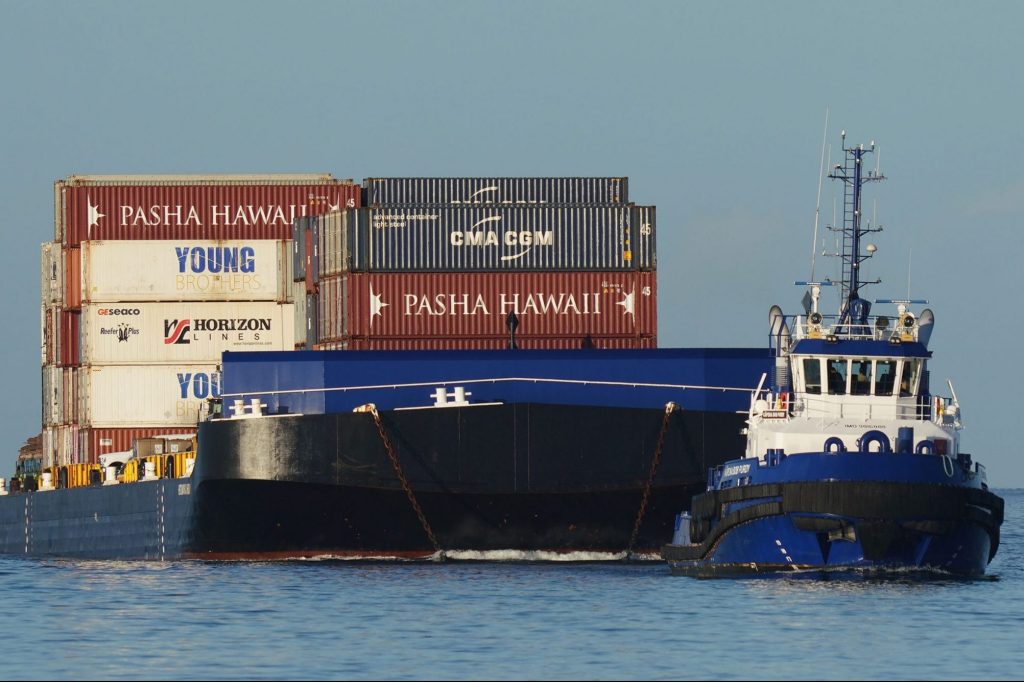
Young Brothers operates a near-monopoly moving bulk cargo between Oʻahu, Hawaiʻi island, Kauaʻi, Maui, Molokaʻi and Lānaʻi. It is the only cargo carrier operating among the islands that handles large volume shipments such as construction materials.
The company is regulated by the state Public Utilities Commission, and needs PUC approval for rate increases. But Young Brothers says the PUC approval process is too slow and cumbersome, forcing the company to operate at a loss while it awaits PUC decisions on rate hike requests.
Young Brothers has said the situation for the company became so dire two years ago that in 2024 and 2025 the shipper diverted more than $26 million in state wharfage fees it collected from customers, money it was supposed to remit to the state. Instead, the company used the money to help cover its own operating expenses.
The state Department of Transportation imposed penalties and interest on Young Brothers for diverting those state funds for its own use, and the company now owes the state about $30 million.
‘One More Pain Point’
Young Brothers did not respond to a request for comment Tuesday, but in a notice to its customers described the rate increase mechanism in SB 2694 as “a more timely, transparent and predictable framework for adjusting interisland shipping rates.”
Others disagree. Pamela Tumpap, president of the Maui Chamber of Commerce, said the Legislature and the governor used SB 2694 to effectively bypass the entire PUC process, which was established to regulate Young Brothers’ shipping monopoly.
It qualifies as a monopoly, she said, because for most interisland shipping, businesses and consumers have no choice but to do business with Young Brothers.
“Businesses are already reporting that the freight costs are already high with what they just got hit with. It adds to more uncertainty,” she said. “This just adds one more pain point.”
Tumpap said Young Brothers already has a separate mechanism in place for increasing its rates to keep up with rising fuel costs, and pointed out the PUC rejected a proposal for an across-the-board automatic rate increase proposal when Young Brothers submitted one to the commission in 2024.
When the PUC granted Young Brothers the 25.75% rate increase that took effect this year, the commission also declared there would be no additional rate increases for the next two years. But SB 2694 changes that.
Green declined a request for an interview, but his senior adviser Will Kane contends the new law does not actually overrule the PUC.
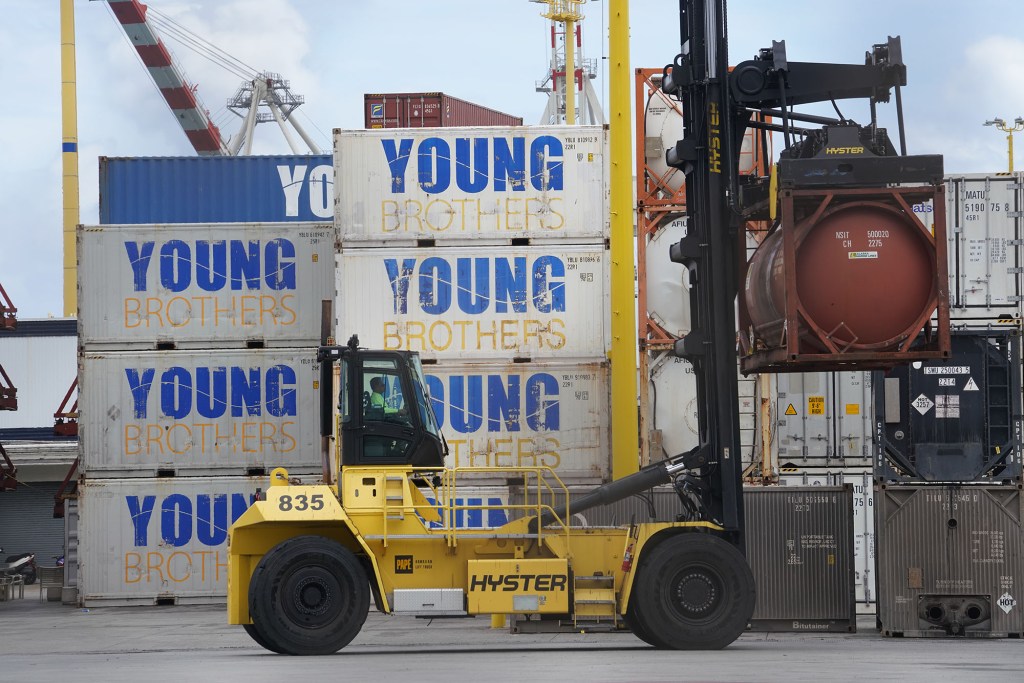
“Rather than ‘overruling’ the PUC, it is squarely within the prerogative of the Legislature to amend the responsibilities of an agency, such as the PUC,” Kane said in a written statement.
“The legislature passed a bill that allows for reasonable, manageable rate increases that our residents and businesses can more readily adjust to, while installing safeguards to gauge the success of the program,” Kane wrote. “This can be adjusted over time to ensure our communities’ interisland shipping needs are well served.”
Opponents of the automatic rate increase bill include several neighbor island business organizations such as the Hawaiʻi Island Chamber of Commerce and the Molokaʻi Chamber of Commerce as well as the Hawaiʻi Restaurant Association and the Hawaiʻi Food Industry Association.
“People are kind of surprised that the 3% rate increase was already announced on top of the 25.75% increase that went into effect in January,” said Lauren Zirbel, president and executive director of the Hawaii Food Industry Association.
“We’re just concerned about consumers having to absorb a second rate increase in one year after the PUC had already denied this request (for an automatic rate increase mechanism),” she said, “and what the impact is going to be on food prices.”