

‘Renovation Aloha’ Hosts Fined For Illegal Airbnbs In Latest Misstep
Tens of thousands of dollars in fines for illegal vacation rentals are unpaid, the city says.
The home flippers behind the hit HGTV show “Renovation Aloha” now owe $40,000 to the city of Honolulu for operating two illegal short-term rentals through the rental site Airbnb.
That includes a rental in Mililani that has been hit with a $10,000 tax lien.
It’s just the latest trouble for husband and wife Kamohai and Tristyn Kalama, who gained popularity through their reality program that showed the couple renovating derelict Honolulu homes they bought relatively cheaply and quickly flipped for quick profit.
In fact, on their January 2024 show they moved far quicker than seemed legally feasible against the slow pace of permitting by the Honolulu Department of Planning and Permitting. Which, it turned out, was the case.
In 2024, reporting by Civil Beat revealed that construction on eight properties in the first season of the show had begun before the work had been approved by the city, meaning not only were the Kalamas in violation of city laws but buyers were open to possible violations and liability for problems that could develop later. In one case, that included a cracks in concrete siding so wide it allowed daylight to shine through.
The Kalamas paid out around $20,000 in penalties for violations, which was a sliver of the $1.3 million profit the couple boasted their strategy brought them.
Now it turns out the couple has also been running up fines for illegal short-term rentals. None of those fines have been paid, Department of Planning and Permitting spokesman Davis Pitner said in an email.

Rentals of less than 30 consecutive days on Oʻahu are only legal in designated resort areas or elsewhere, with a special permit. Rentals in most residential areas must be for 30 days or more.
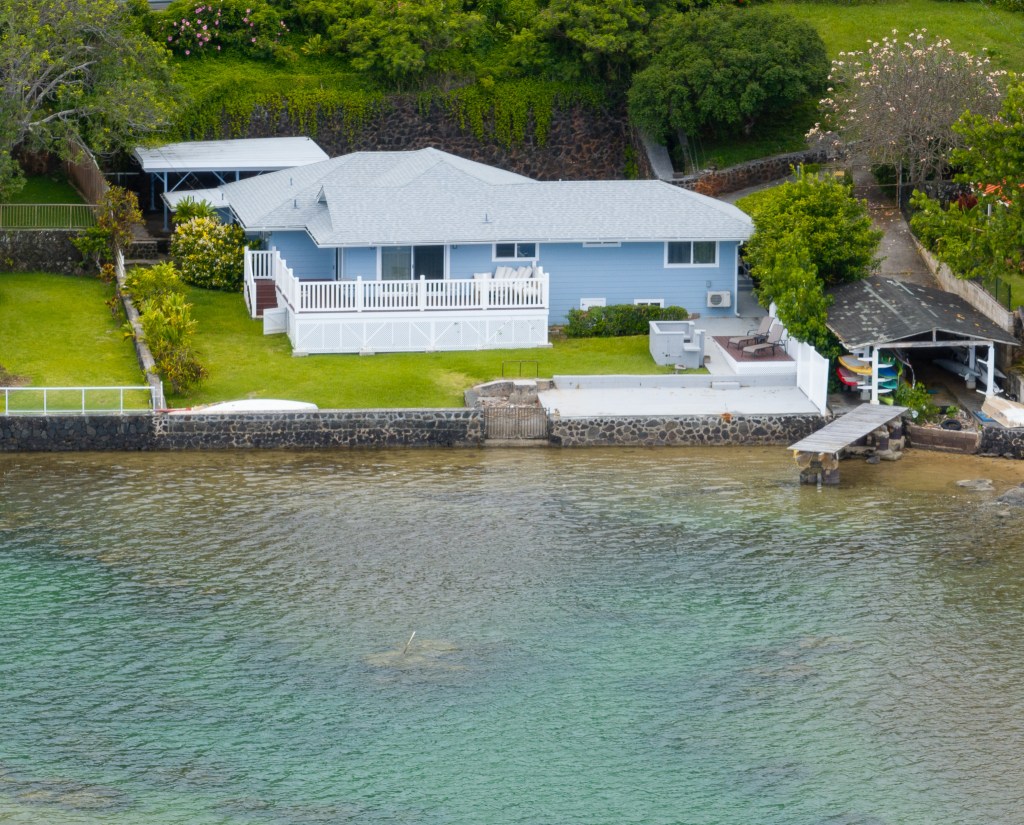
But one listing in Kāneʻohe bought by the couple’s company and listed in Tristyn Kalama’s name was renting for a minimum of three nights at $1,000 per night without a permit, according to DPP’s investigation conducted at the end of January.
That listing for the four-bed, two-bath “private waterfront escape” with “epic ocean views” resulted in a $10,000 fine.
The home on Kamehameha Highway was again listed on AirBnb last Tuesday and available for a three-day minimum stay. On Wednesday, after Civil Beat reached out for comment, the listing was modified to show a 30-day stay was required.
The same property had been issued a building violation notice in January 2025 for unpermitted work. That violation was canceled in June when ownership of the property was transferred from their company Stand Firm Development LLC to Tristyn Kalama. A new notice of violation was reissued that month and remains active.
Pitner said no permit application has been made to correct the violation, and he said DPP was planning to send inspectors to the property to hand-deliver the notice.
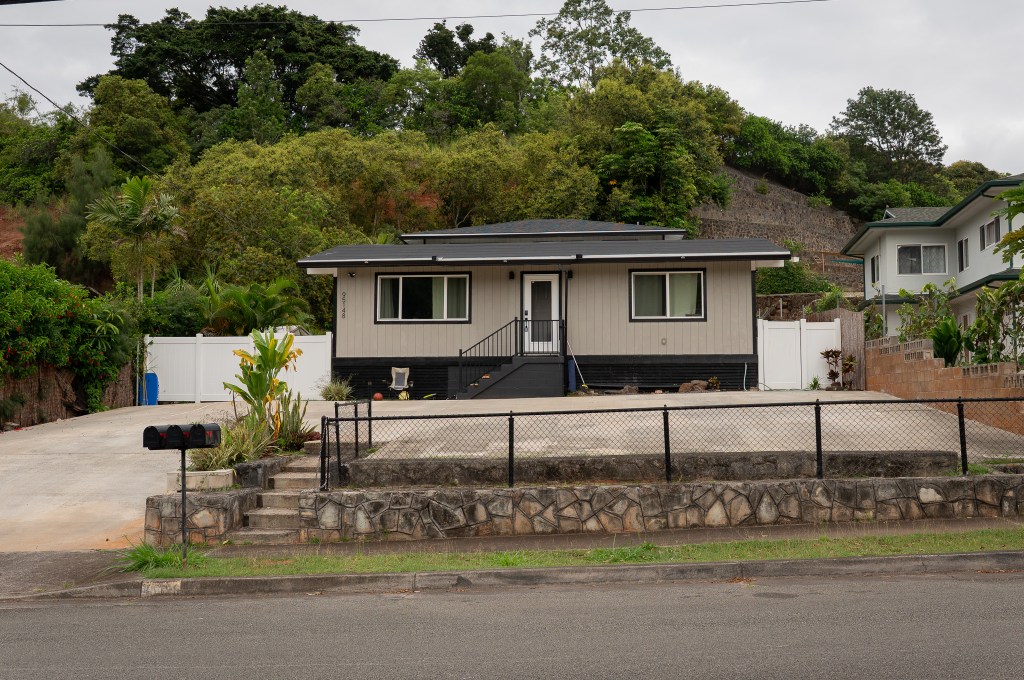
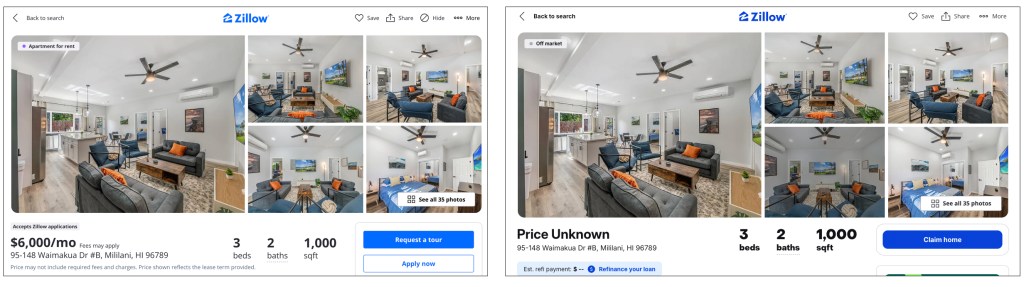
The couple also are co-owners, through Stand Firm Developments, of a three-bed, two-bath home on Waimakua Drive in Mililani that was listed on Airbnb and drew $30,000 in fines –– the first dating back to July 28 last year. The property is co-owned with an entity registered to Tristyn Kalama’s father.
Although no longer listed on Airbnb, the house has been available to rent for $6,000 a month on the real estate site Zillow as recently as Tuesday. On Wednesday, the property profile had been taken down, which has happened five previous times in the last year.
Emails sent to the couple’s company email and to Tristyn Kalama’s personal email seeking comment were not answered, but the listings were modified after Civil Beat reached out.
Exceeding The Scopes
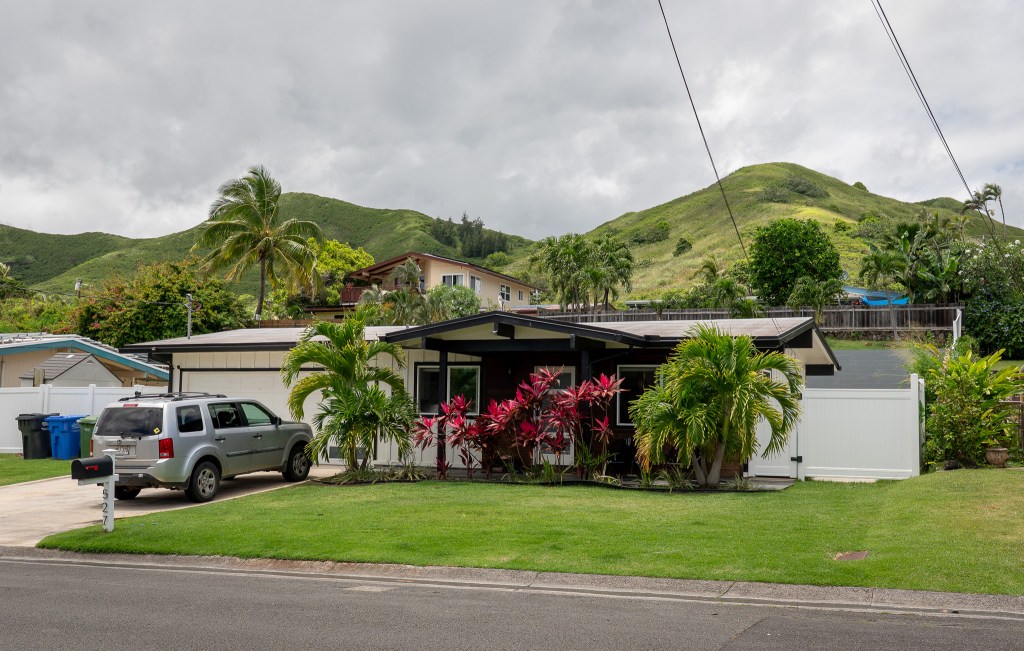
Meanwhile, the Kalamas have continued other renovation projects, including on a house in ʻIliʻāina Street in Kailua owned individually by the Kalamas and Tristyn Kalama’s parents, who were fined for a building permit violation in December.
The permit has since been corrected and the owners paid a penalty of $2,800, Pitner said.
Mo Radke, who chairs the Kāneʻohe Neighborhood Board, said he wasn’t aware of the Kalamas’ listings. But in similar situations, Radke said what often is missing is consideration of impact on the surrounding community.
“It becomes unfair for everybody else and it also provides an avenue for other people to disregard laws and do things that are good for them,” Radke said.
Despite the permit penalties and accruing fines, both “Renovation Aloha” and the Kalamas real estate strategy have maintained momentum.
The online blurb for the third season that started March 21 said viewers would see the Kalamas facing “their toughest challenges yet, including: rat infestations, squatter evictions and property with a shocking lava tube discovery.”
That “discovery” was iwi kūpuna, or bones. That resulted in legal trouble for the production as the filming of ancestral remains is illegal without the express permission of the state burial council, which the Kalamas did not have.
The Office of the Hawaiʻi Attorney General issued a temporary restraining order against HGTV’s parent company Warner Bros. Discovery to prevent the footage from being aired. That TRO was lifted Monday after the company agreed the footage would not broadcast during the third season of the program.

