

Hawaiʻi Immigrant Charged With Voting Illegally Amid Trump Crackdown
The case is the first in at least 40 years in Hawaiʻi involving a noncitizen.
A Maui resident who emigrated from the Philippines more than a decade ago was arraigned in federal court Tuesday on charges of voting illegally, the first such case in Hawaiʻi in at least 40 years involving a noncitizen.
Her hands clasped in front of her dress blouse, Remedios Alasaas, 66, stood in court between an interpreter and her federal public defender, who entered not guilty pleas for her on charges of unlawfully voting as an alien.
“Yes, sir,” she said in English to the judge when he asked her through the interpreter whether she understood the proceedings.
The Kahului resident is accused of voting in the 2022 general election and then again in an August 2024 primary.
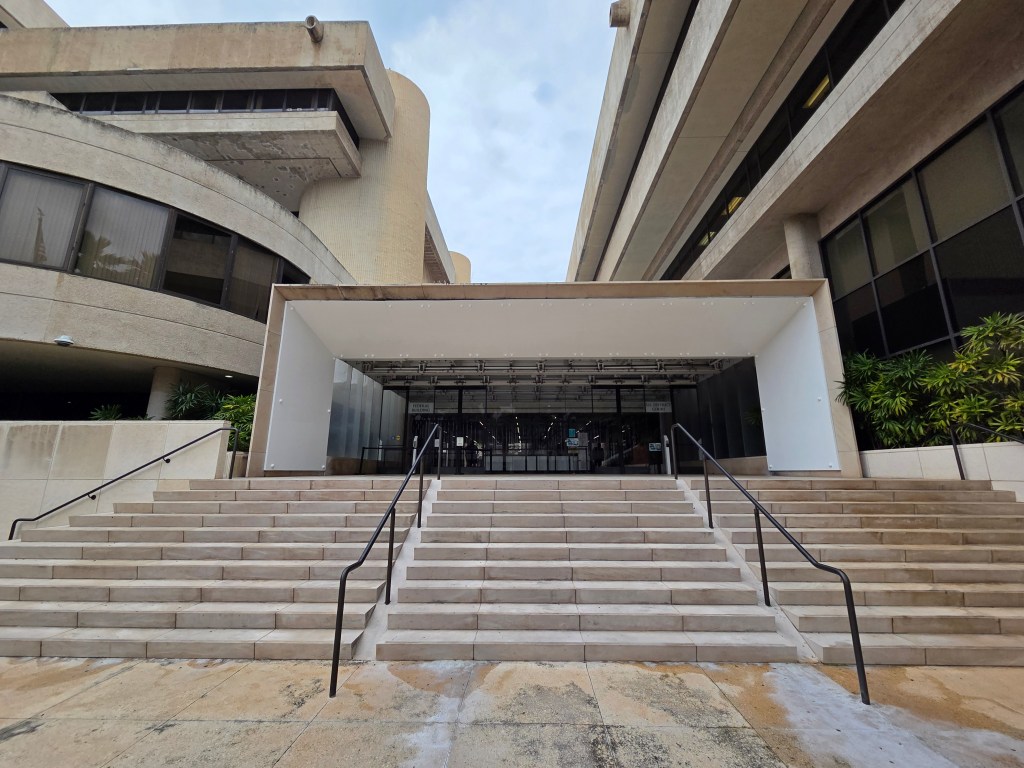
“On both occasions, Alasaas understood that she was not a citizen at the time that she cast her ballot,” the U.S. Attorney’s Office said in a June 1 press release, which also said she entered the country “in or around 2014 and registered to vote soon thereafter.”
The charges against Alasaas come as President Donald Trump and his allies continue to allege that noncitizens are voting in droves while in reality evidence of voter fraud is rare and rarely consequential.
The justice department sued Hawaiʻi in December to force the state to turn over its voter rolls, but so far it has refused to do so.
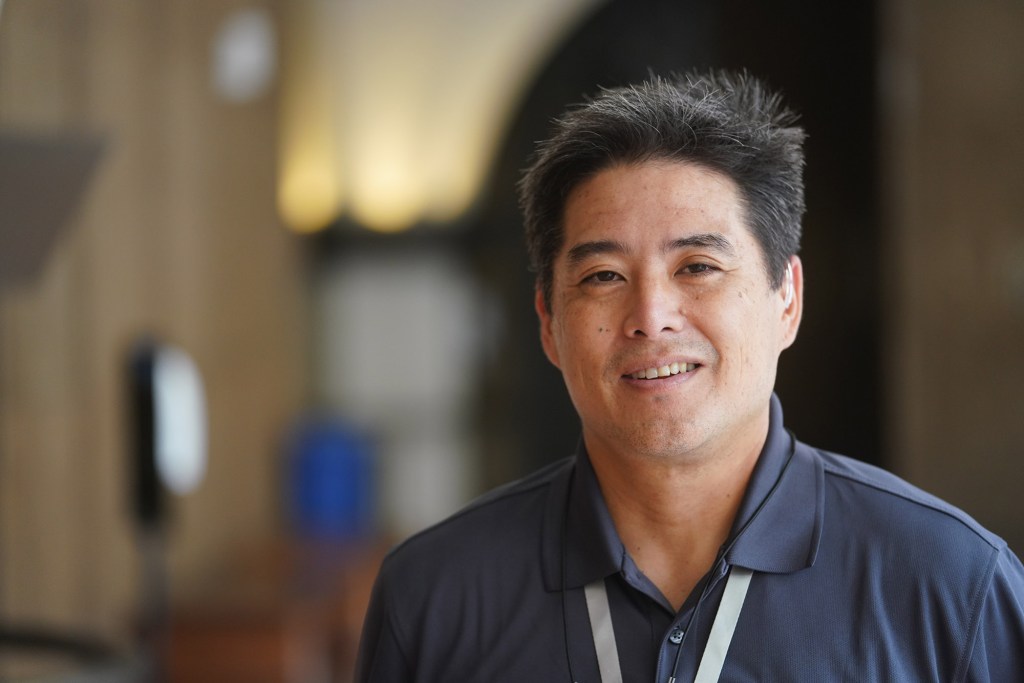
Following the hearing, Assistant U.S. Attorney Gregg Paris Yates said he believed the records supporting the charge that Alasaas voted illegally were provided to the Department of Justice and the FBI by the Maui County Clerk’s Office, but Yates declined to say whether the clerk’s office had done so voluntarily or in response to a subpoena.
Maui County Clerk Moana Lutey initially told Civil Beat she would respond to questions about the DOJ’s investigation via email, but then would not answer questions about whether the county was cooperating with the authorities.
“I’m sorry,” she said, “but I am not comfortable providing comments on an active criminal case.”
The state’s chief election officer, Scott Nago, told Civil Beat that his agency was not involved in the Alasaas investigation and has not turned over any information to authorities. He also said the counties are the ones who keep track of voter participation records.
Yates also said that he believed Alasaas had either a green card or some form of immigrant visa when she voted but that he had to confirm that. Green card holders are not allowed to vote in national or state elections.
Alasaas’ attorney, Craig Jerome, declined to comment Tuesday, saying he did not yet have enough information about the case. Alasaas could not be reached for comment after the brief hearing.
Tiny Numbers, A Top Priority
In the two elections Alasaas is charged with voting in, 419,665 and 271,345 people, respectively, cast ballots. That means her votes would only account for about 0.0002% and 0.0004% of all ballots cast.
Nationwide, the numbers of noncitizen voting fraud cases are even smaller, unlikely to affect the outcome of any election.
For instance, the Heritage Foundation, a conservative think tank in Washington that’s closely aligned with the president, maintains a database of 1,620 cases of election fraud dating from 1982 to 2025. It includes just 100 cases of noncitizen voting over a time span in which more than 1.3 billion people cast ballots in presidential elections, which breaks down to less than 0.000008%.
“Prosecutors can take years to investigate something and can bring a case whenever they want. So the timing here is not by accident.”
Alexander Silvert, retired public defender
Despite the scarcity, top DOJ officials have been pressuring U.S. attorneys from across the country to make prosecuting noncitizen voting a top priority, according to a recent report from the New York Times that said there were more than 90 open investigations into noncitizen voting allegations but few actual charges.
According to the report, Aakash Singh, an associate deputy attorney general, convened a conference call with regional prosecutors and reportedly told them to “get creative” so that they could bring more cases. Singh also noted that any convictions should end in deportation.
Just two weeks later, Hawaiʻi prosecutors filed charges against Alasaas.
Alexander Silvert, a retired federal defender, said the prosecution appears to be motivated at least in part by politics. The timing is noteworthy, he said, not just because of the directives coming from DOJ headquarters, but also because the charges were announced via press release during peak election season.
He likened it to the DOJ and IRS announcing charges against tax cheats in the days and weeks ahead of Tax Day. It serves as both a public service announcement and explicit warning, he said.
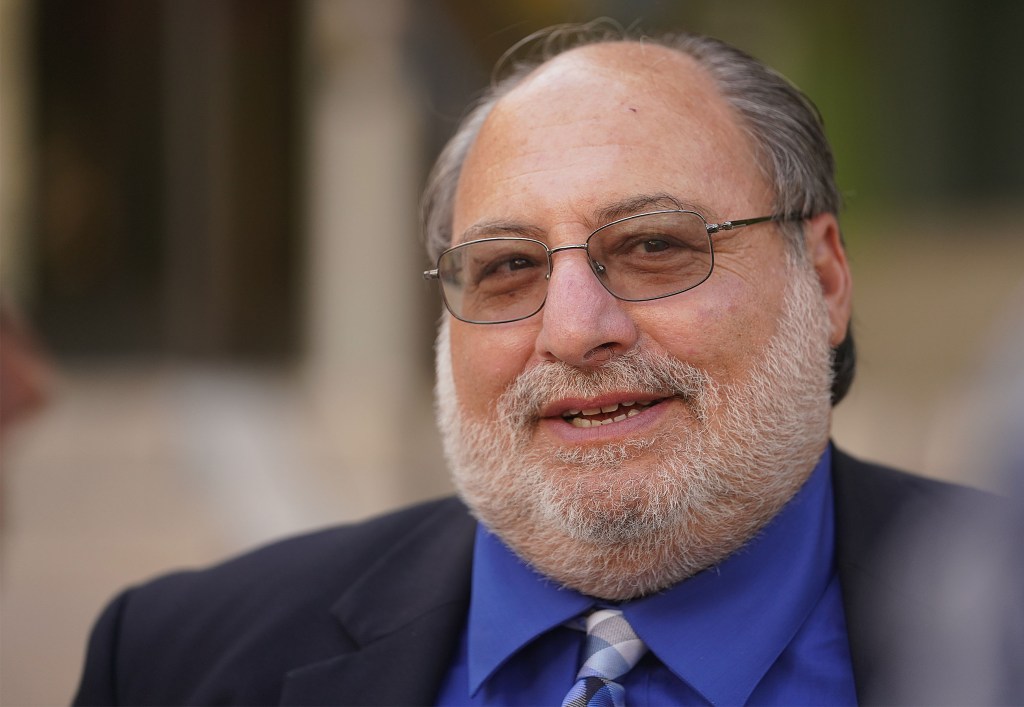
“Prosecutors can take years to investigate something and can bring a case whenever they want,” Silvert said. “So the timing here is not by accident.”
Prosecutors have been pursuing cases across the country, including in North Carolina where a Canadian man who was living in the U.S. since the 1960s was sentenced to two months in prison after pleading guilty to making false claims about his citizenship to vote in various elections dating back to 2004.
And after Trump began railing against California’s elections, saying without proof that there was “big cheating” going on, Bill Essayli, a federal prosecutor there, took to social media to announce that his office had “multiple election fraud investigations underway,” although he didn’t provide any evidence or details.
Through a spokesperson, Ken Sorenson, the U.S. Attorney for Hawaiʻi, declined to discuss specifics of the Alasaas prosecution. But in last week’s press release announcing the charges he characterized the case and its ramifications as serious.
“When non-citizens defraud the democratic process by voting, they undermine the integrity and credibility of our elections,” Sorenson said. “This Office will vigorously investigate and prosecute all instances of voter fraud.”
Sorenson was echoed by Kevin Porter, the special agent in charge of the FBI’s Honolulu field office, which participated in the investigation.
“The right to vote in Federal elections is a cornerstone of our democracy, and secured for U.S. citizens,” Porter was quoted in the press release. “The FBI will continue its work to ensure the integrity of our elections and hold accountable anyone who undermines the fairness of our democracy by engaging in voter fraud.”
Sarah Rice, an FBI Honolulu spokesperson, said the agency would not be commenting further on the case.
Alasaas’ jury trial is set to start Aug. 10.


