

Niʻihau Language School At Risk Of Losing Kaua‘i Campus
Families say the school has played a critical role in preserving their cultural and linguistic ties to the Forbidden Isle for nearly two decades.
One of the state’s few schools dedicated to teaching students the Hawaiian language spoken on Niʻihau is at risk of losing its campus just a few weeks before the school year is set to begin.
The charter school Kula Aupuni Niʻihau A Kahelelani Aloha, known as KANAKA, has served students in West Kauaʻi for roughly two decades. The school provides bilingual education that community members say is crucial to preserving the language and culture of Niʻihau, also known as Hawaiʻi’s “Forbidden Isle.”
Only 500 people speak ʻŌlelo Kanaka – the Hawaiian language of native speakers – so schools like KANAKA play an important role in preserving the language and culture of the island.
But KANAKA is facing the loss of its Kekaha campus after its nonprofit landlord — led in part by the school’s former principal — jacked up the rent more than threefold within the last two months, from $5,777 to $20,000. The nonprofit also attempted to impose an eviction date of Aug. 8, just five days after the new school year begins.
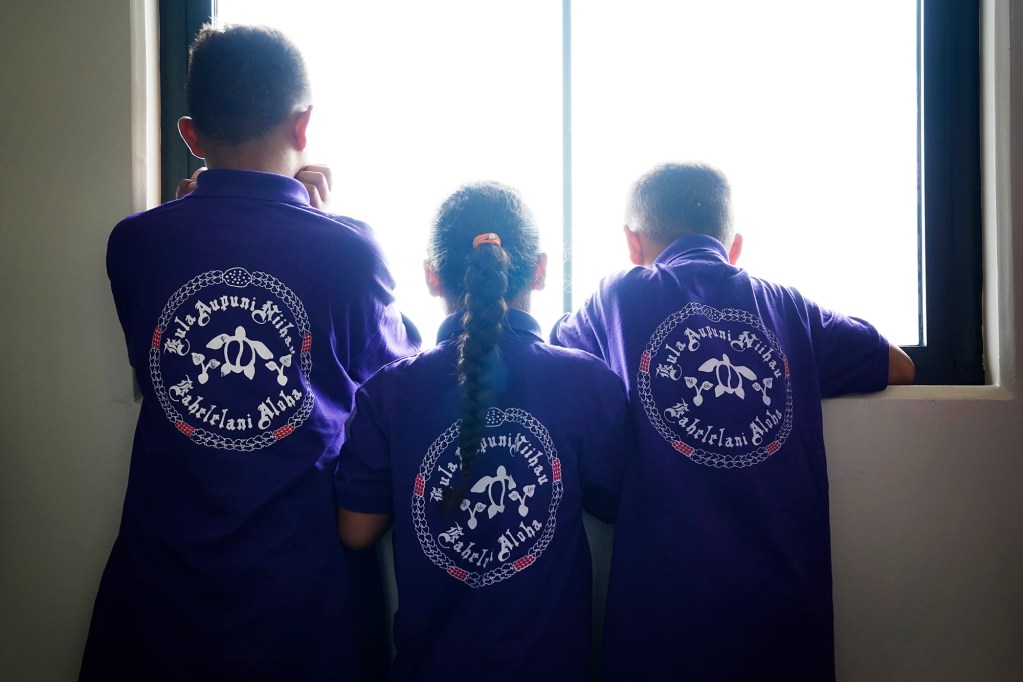
The Hawaiʻi Attorney General’s office has filed a complaint to prevent the school’s eviction and allow KANAKA to pay the rent it originally agreed to in 2023.
“There will be irreparable harm done to the students if they’re not able to attend school on August 3,” Deputy Attorney General Carter Siu said Wednesday during a Circuit Court hearing in Līhuʻe.
Judge Stephanie Char put the rent increase and eviction notice on pause until another hearing could be held next month.
It’s common for charter schools to rely on outside nonprofits to lease or finance their facilities. But KANAKA’s case illustrates the peril in which Hawaiʻi’s charter schools can find themselves when relying on nonprofits that suddenly go rogue.
Meanwhile, the education of roughly 41 students hangs in limbo. The K-12 school said earlier this month it had no alternative location for its facilities. If KANAKA has no campus, it could risk closure by the State Public Charter School Commission.
Kekaha is home to two other public schools – including a Hawaiian immersion school educating kids in ʻŌlelo Kanaka. But families say KANAKA provides a unique opportunity for their students to receive a bilingual education while also maintaining their cultural and linguistic connections to Niʻihau.
Nonprofit Changing Course
The landlord responsible for the rent hikes and eviction notice is the nonprofit Kanaka Aupuni A Niʻihau Aloha – KAANA — which was created with the goal of “establishing economic stability” for KANAKA and providing economic opportunities for families, according to its articles of incorporation.
Kaʻana, in Hawaiian, means to share.
The nonprofit initially entered into a lease with the school that was supposed to last until 2032, according to court documents.
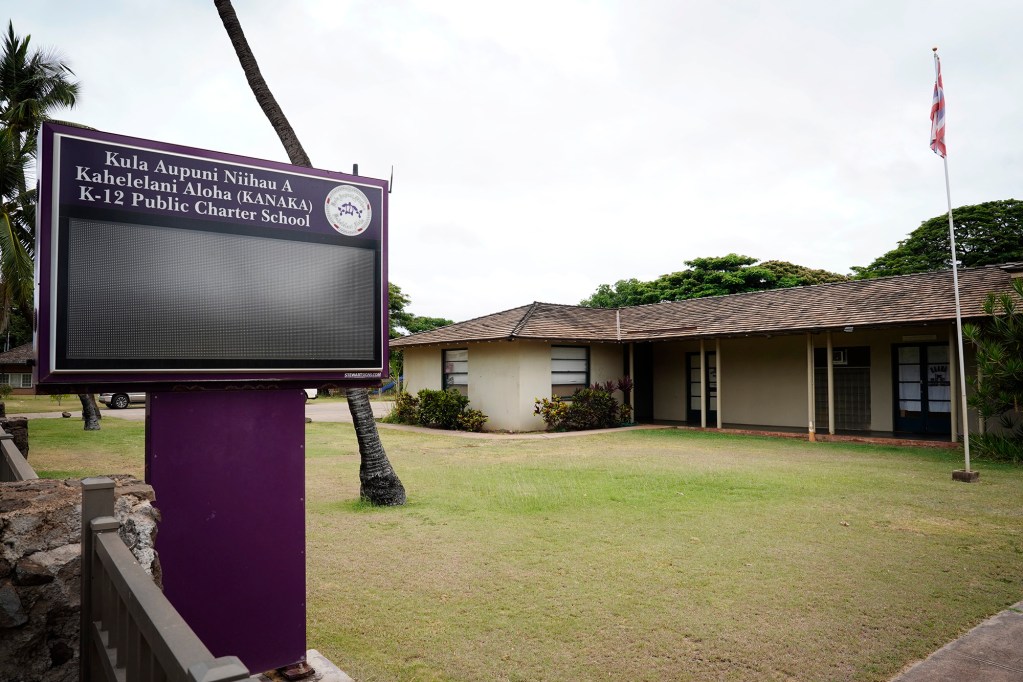
Unlike traditional public schools, charter schools are responsible for financing and securing their own facilities.
While charter schools are state entities that can’t take on debt, nonprofits can take out loans to purchase or renovate facilities. In turn, these nonprofits often lease campus space to their associated charter schools.
It’s unusual for these nonprofits to threaten the existence of charters, especially when they’re established to support schools and help them secure campus space, said Jim Griffin, a co-founder of Momentum Strategy and Research, which evaluates charter school facilities. Yet, KANAKA isn’t the first Hawaiʻi charter school whose relationship with its nonprofit has soured, putting the school at risk of eviction.
“They are a creation of the school to serve the school’s purposes,” Griffin said about nonprofits. “End of story.”
What Happened?
The KAANA nonprofit owns nearly two acres of land in Kekaha, which it rents to the KANAKA charter school. The 2016 contract was supposed to run through summer 2032 and set rent at $5,777 a month, according to the lease agreement.
But in June, the nonprofit alerted the school that it owed nearly $16,000 in rent. The next month, the rent was increased to more than $17,000. The nonprofit raised the rent and maintenance fees while reducing the space available to KANAKA without consulting the school or going through the proper negotiation process, according to the complaint.
KANAKA’s director pushed back in a July letter to the nonprofit, requesting an explanation of the charges and an invoice that would set the monthly rent back to $5,777.
KANAKA Public Charter School remains “willing to meet in good faith to discuss rent, facilities usage, utilities, and any lease-related concerns,” wrote interim co-director Shantel Kaleolani Stevens.
“However, KANAKA PCS cannot accept unilateral changes imposed by invoice, nor can it accept an invoice as a valid amendment to the lease or as a proper termination notice.”
Nearly a week later, the nonprofit responded: It was terminating the school’s lease and giving KANAKA a month to leave the property. If the school needed more time to clear out past Aug. 8, it would need to pay $20,000 per month.
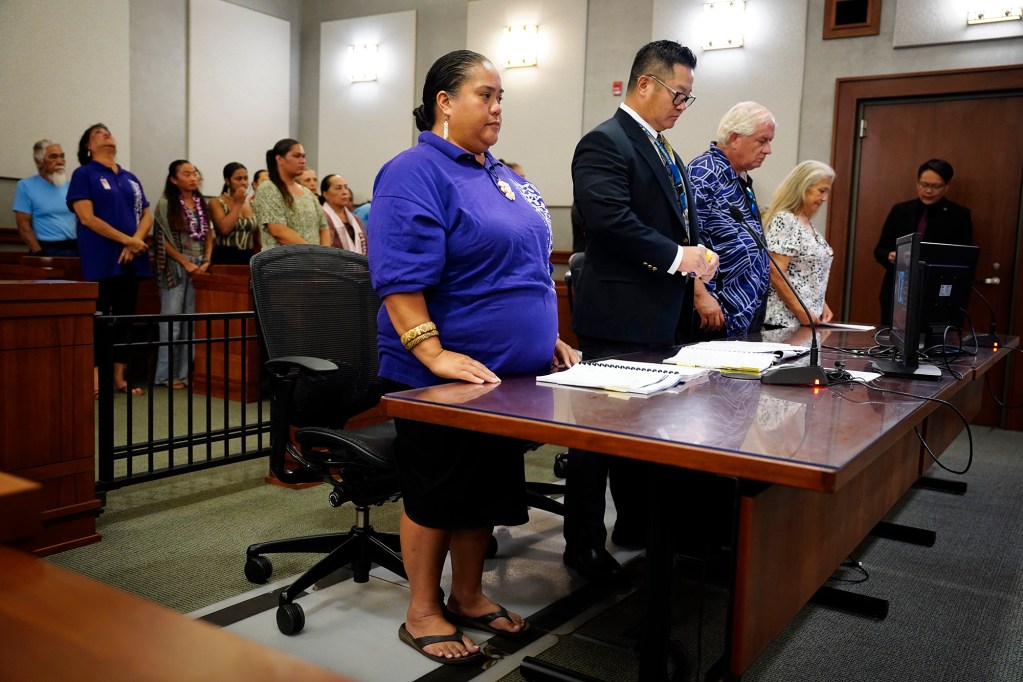
In a hearing Wednesday, KANAKA was granted a temporary restraining order allowing it to remain on its campus without paying $20,000 in rent. The restraining order is good until the next hearing date on Aug. 13 – just over a week after the school year begins.
It’s unclear what motivated the nonprofit to drastically increase its monthly rent and attempt to evict KANAKA. Stevens said in court records that the nonprofit instructed the school to empty four of its classrooms so it could generate more revenue.
In 2024, the nonprofit reported more than $205,000 in revenue and net assets of $480,420. In addition to serving as KANAKA’s landlord, the nonprofit also engages in business development and management services and property acquisition, according to its annual report to the Internal Revenue Service.
But court filings also reflect a strained relationship between the leadership of the school and nonprofit over the past year.
KAANA’s principal officer is Steven Sullivan, according to its annual filings to the IRS. Steven is the husband of Hedy Sullivan, who served as the long-time principal of KANAKA charter school before she died in late 2024.
Sullivan served as KANAKA’s principal following Hedy’s death, according to school documents from fall 2025. But around the same time, Sullivan filed a request for a temporary restraining order against KANAKA’s governing board chair, alleging that he was verbally abused and harassed while working as principal.
“I feel like I can no longer go to work to do my job in a peaceful manner with safety,” he said in his request.

The court denied the restraining order in September, citing insufficient allegations of harassment. Sullivan is no longer listed as the school’s principal, but he still serves as a director and treasurer on the nonprofit’s board.
Since then, Sullivan has made it difficult for the school to exist on campus, said Siu, one of KANAKA’s lawyers. In addition to raising the rent, Siu said, Sullivan also denied KANAKA access to a safe that houses confidential school files.
Sullivan did not respond to requests for comment. During Wednesday’s hearing, Sullivan’s lawyer said she is still in the stage of gathering information on the case, since her clients were only served on Sunday.
Stevens, the school’s co-director, said she can’t speculate on the nonprofit’s motivation for attempting to evict KANAKA.
Looking Ahead
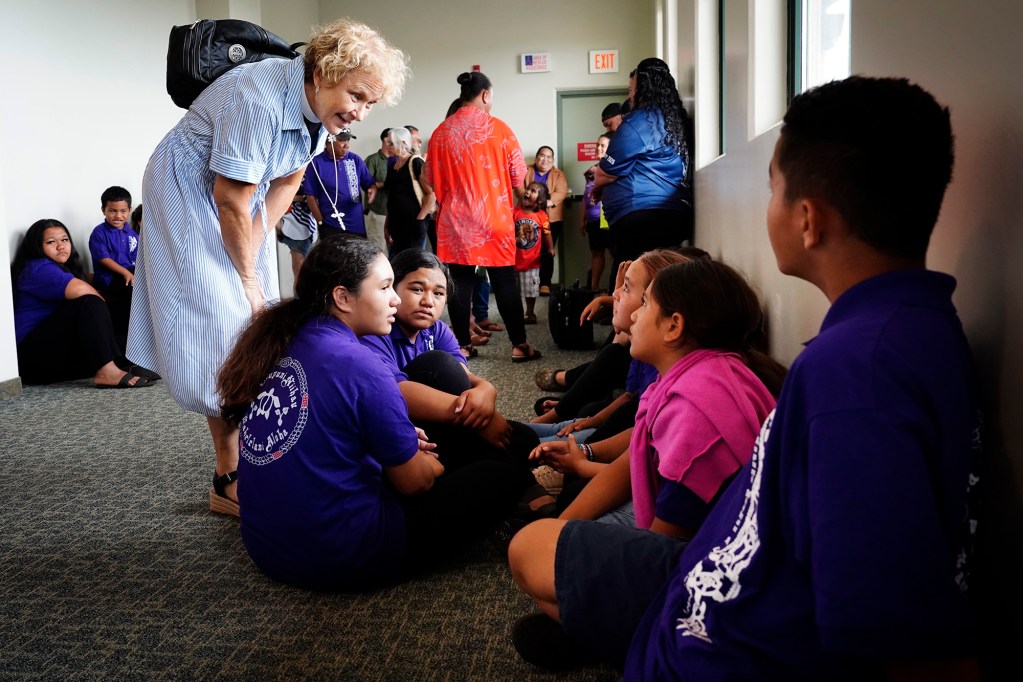
During Wednesday’s hearing, the courtroom overflowed with students, alumni and teachers of KANAKA, many wearing the school’s purple polo shirts. Those in attendance said the school played a unique role in educating students and keeping the Hawaiian language alive.
For parent Mana Kanahele, attending KANAKA has become a family tradition. Kanahele, who is from Niʻihau attended KANAKA with his wife and now sends his six children to the school. He wants his children to grow up speaking both English and Hawaiian, he said, while also maintaining the community’s legacy.
Sarah Tochiki, a community member and Kauaʻi teacher, said she’s optimistic the community will rally and help the school relocate if KANAKA loses its facilities. But it will be a difficult transition for both teachers and students, especially so close to the start of the year.
“I don’t see the school closing,” she said, “but I do see them having to struggle in a way that is really, frankly, to me, not fair and almost inhumane.”
This isn’t the first time a charter school’s stability has been threatened by the nonprofit intended to support it. Last year, the Wahiawā charter school Kamalani Academy was forced to close after its affiliated nonprofit set its rent at unsustainable levels and gave few explanations of why the payments were so high.
Griffin of Momentum Strategy and Research said it’s up to a school’s governing board to keep tight reins on its associated nonprofit.
As private entities, nonprofits aren’t subject to the same regulations or oversight that charter schools face from the state. But a governing board should ideally limit the scope and power of its nonprofit to make sure its only function is to secure facilities for the charter school and collect rent, he said.

“Their mission, their bylaws, their rules are literally to hold title, to receive a check from the school for rent every month, and turn that check around to pay off the debt service on the land,” he said. “You set it up in such a way that it doesn’t have the ability to kind of go rogue.”
State lawmakers have also been grappling with how to create more support for charter schools in need of facilities.
Senate Bill 2024, introduced earlier this year, charged the School Facilities Authority with working with private developers to build campuses in high-need areas of the state. The facilities could then be leased to charter schools in need of campus space.
The bill passed through both the House and Senate but died in conference committee.
Nani Kanahele, a graduate of KANAKA who attended the school from kindergarten, said many community members grew up at the Kekaha campus and would be sad to see it go. She hopes her nieces and nephews currently attending KANAKA will have the opportunity to learn in the same space.
“We’ve been in the area for a very long time, so it’ll be sad to see a lot of the kids miss out on that,” she said. “I’m not really sure what’s going to happen down the road, but I hope that good things come out of it.”
Civil Beat’s education reporting is supported by a grant from Chamberlin Family Philanthropy.
CORRECTION: This story has been updated to correct Mana Kanahele’s island of origin. He is from Niʻihau.
Read the complaint here:

