

The Real Fight For Hawaiʻi Congressional District 2 Is Still To Come
Democratic Rep. Jill Tokuda and GOP challenger Sen. Brenton Awa are expected to easily move on to the Nov. 3 general election.
Although it’s on the Aug. 8 primary ballot, the race for Hawaiʻi’s 2nd Congressional District is not getting a lot buzz like some of the more hard-fought election contests. At least for now.
U.S. Rep. Jill Tokuda, a Democrat, is seeking a third term representing rural Oʻahu and the neighbor islands, but faces little competition from within her own party.
Her challengers are all relatively unknown candidates, and include a retired teacher, a Big Island man whose platform is based on introducing articles of impeachment against President Donald Trump and a 40-year-old from Maui who was arrested in May for pulling a gun on county workers in a government building.
The other side of the ballot, however, tells a different story and sets the stage for a more competitive race come November’s general election.
Republican state Sen. Brenton Awa is running unopposed for the GOP nomination. Awa is one of only three Republicans in the state Senate and is the chamber’s minority leader.
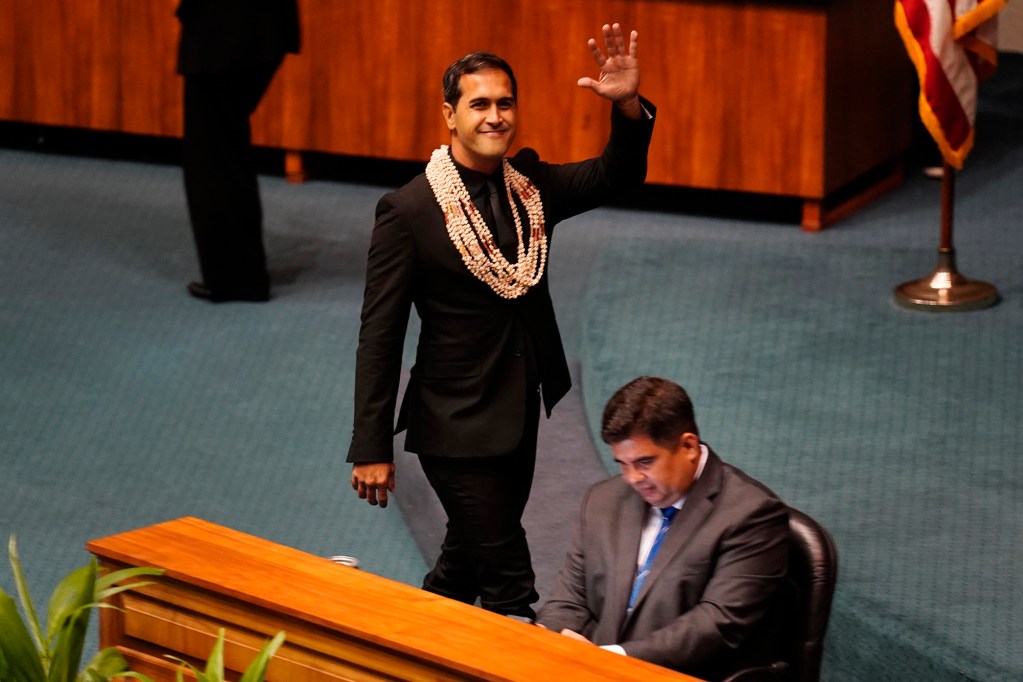
A former TV news anchor, Awa has been unafraid to challenge the powers that be in Hawaiʻi and on occasion has upset his colleagues and made them uncomfortable, such as when he brought a polygraph machine to the Senate floor to find out which senator had received a $35,000 bribe that is the subject of an ongoing criminal probe.
Already Awa is pitching himself as an alternative for voters who will decide in November which party controls Congress during President Donald Trump’s final two years in office.
For far too long Hawaiʻi’s congressional delegation has been dominated by Democrats, Awa said, and it’s time to try something different. Awa argues that as a Republican, he’d have unique access and leverage that his Democratic counterparts lack, especially at the White House.
If he wins, it would be the first time a Republican has ever represented Hawaiʻi’s 2nd Congressional District.
“It’s always about making sure there’s balance in our leadership,” Awa said, likening the current delegation’s make-up to a toolbox with the same set of tools. “If we only got screwdrivers and wrenches in the toolbox, but you need a hammer, you’re out of luck.”
Tokuda, however, is openly skeptical of the idea that Awa — or any Republican for that matter — can go to Washington, negotiate with Trump and come back with a good deal for Hawaiʻi.
Plenty of her GOP colleagues have tried and failed, she said. More often, they say one thing and vote another when it comes to appeasing the president.
“The reality is that Donald Trump doesn’t deal,” Tokuda said. “Donald Trump does what’s good for Donald Trump.”
Tokuda said her appeal to voters is that she’ll stand up to the president, not capitulate to him.
Keeping It Kamaʻāina
Despite their party differences, Tokuda and Awa share a similar goal: Making Hawaiʻi affordable enough so that those raised in the islands don’t have to move away if they don’t want to.
Tokuda said she’s confronting this problem in her own home. She has two sons, the oldest of whom just graduated high school. When she asked him recently whether he planned to stay in Hawaiʻi, he told her it was too expensive and that he wasn’t sure he could make it work.
“That’s a very scary response to hear from your child,” Tokuda said. “And that’s a reality that too many families face and have faced for too long.”
In Congress, Tokuda is a part of the Democrats’ cost of living working group focused on reducing the price of goods and groceries. And she has co-sponsored legislation aimed at keeping land in kamaʻāina hands, for instance, by stopping large investors from using taxpayer subsidies to purchase single-family homes and blocking corporations and private equity firms from snatching up farmland.
She’s also championed legislation to reduce the tax burden on disaster survivors, including victims of the 2023 Maui wildfires, by ensuring that their disaster relief and settlement payments remain tax-exempt and that certain losses not covered by insurance could be claimed as deductions.
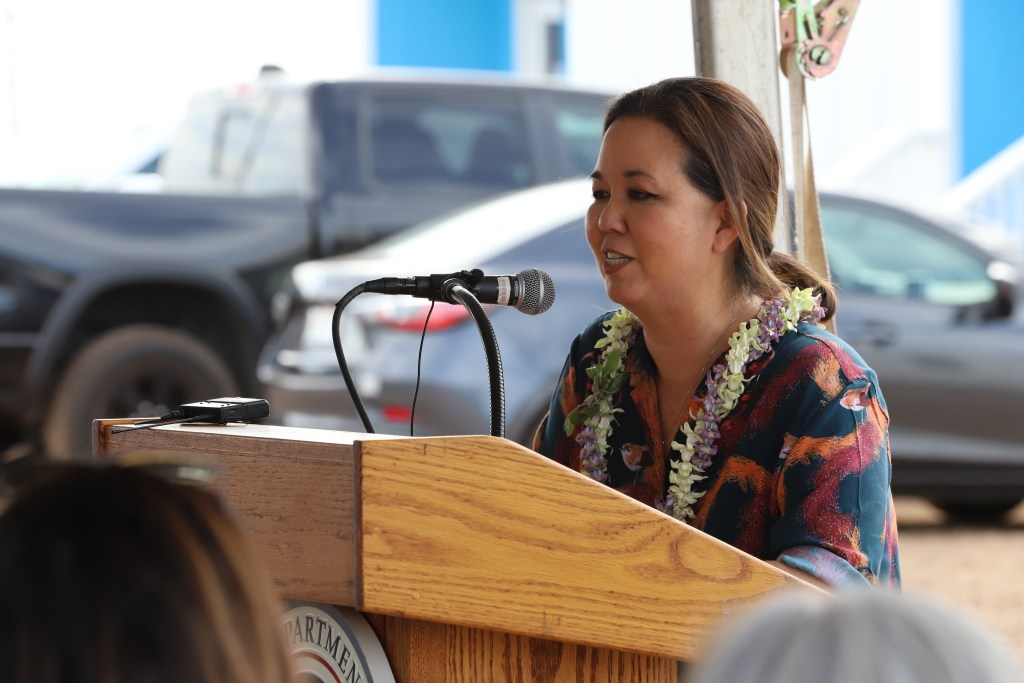
Awa similarly argues that Hawaiʻi is failing its own people and needs to do more to keep them from fleeing the islands due to the ever increasing cost of living and barriers to owning an affordable home.
Like Tokuda, he wants to stop corporate investors from buying up Hawaiʻi’s land and says he would pursue tax initiatives in Congress to encourage developers to build homes for local residents.
Awa also wants to make active-duty military and defense personnel pay their fair share while living in the islands. He has proposed caps on federal housing allowances to reduce price distortion in the local rental market and wants to force service members to pay full freight on vehicle registration so that fees for other residents could be reduced.
Housing every Native Hawaiian is Awa’s North Star, but also his exit plan from politics. One avenue, he said, is to reduce blood quantum requirements for eligibility for Hawaiian homesteads.
“If we housed every Hawaiian, I’d quit,” Awa said, “because I don’t want to do this job.”
One And Done?
Perhaps the biggest difference between Tokuda and Awa is their view on public service.
Awa said he never envisioned a life in politics but was encouraged to enter the fray in 2022 by those who told him he could make a difference.
He doesn’t consider himself a traditional Republican or part of Trump’s MAGA base. For instance, he believes Joe Biden won the 2020 election — which the facts show he did despite Trump’s many conspiracy-laden attempts to claim otherwise — and Awa says so openly unlike many of the president’s allies.
“If your numbers don’t show up as the winner, you lost,” he said. “Accept it.”
If he’s elected, Awa said he promises to only serve a single term to help Hawaiʻi ride out the final two years of the Trump era. He has no desire to stay longer, he said, and doesn’t even want to move to Washington in part because there’s no surf.
“I’m not a career politician,” Awa said, adding that he’s not sure how many years he has in him. “This is a shitty job. But I have to do it because I can.”
For Tokuda, who spent 12 years in the state Senate before moving to Congress, that type of answer should be disqualifying. She knows the value of seniority and showing up consistently when it comes to advocating for Hawaiʻi and doesn’t think it should be dismissed so easily.
“There are some who simply want to run so that they can serve during this president’s tenure,” she said. “That absolutely would harm and hurt the people of Hawaiʻi. I’m running for the people of Hawaiʻi, I’m running to be effective and to take action to support our constituents and our families here at home.”
Awa’s Senate seat is not on the ballot this year, which means he will retain his seat even if he loses his bid for Congress.
The other candidates running in the Democratic primary against Tokuda include Greg Guithues, Steven King and Kirill Basin. Two nonpartisan candidates, Edward Codelia and Terry Randall, are also on the ballot. None of them have reported raising any money for their campaigns with the Federal Election Commission.
Meanwhile, earlier this month, Tokuda’s campaign reported raising more than $145,000 in the last quarter while Awa reported just under $14,000 in contributions. Tokuda’s campaign reported having more than $600,000 in cash available compared to about $19,000 for Awa.

