Honolulu’s Checkbook: Who’s Getting Paid And How Much
The expenses include more than $3,000 from the Climate Change and Resiliency Fund spent at the arcade and sports bar Dave and Buster’s.
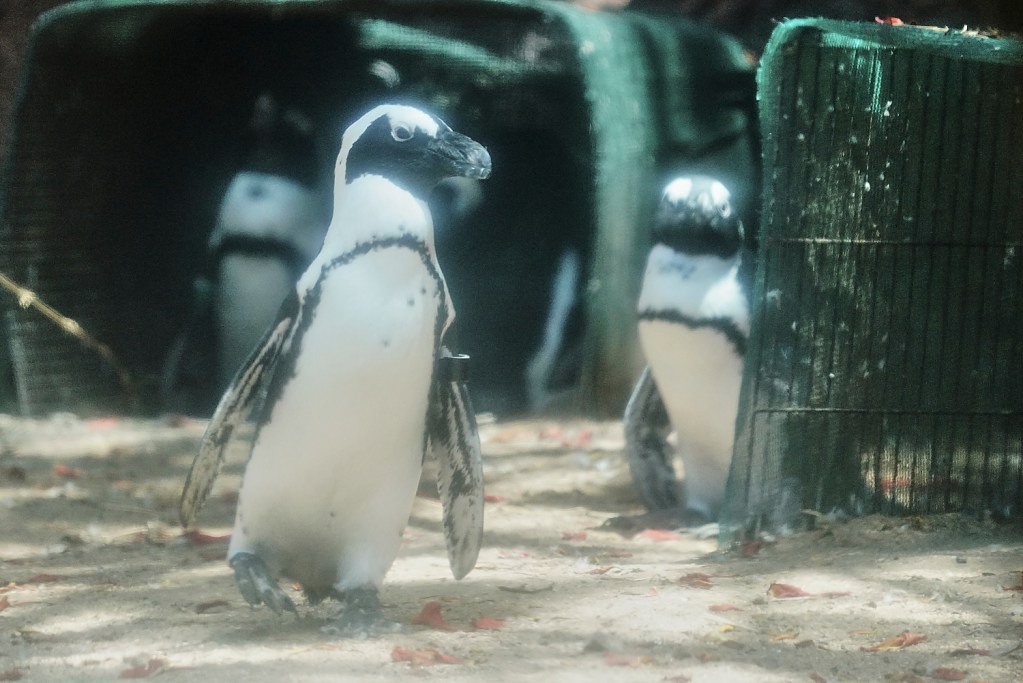
Half a million dollars for gray rubbish bins. Just over $350,000 for Waikīkī surf racks. More than $255,000 for penguin exhibit improvements.
These are just some of the expenditures in Honolulu’s check register, the city’s payment log, from Jan. 1, 2025 through July 13, 2026, which Civil Beat obtained with a public records request. The data captured roughly $3.5 billion in expenses during that period.
Perhaps unsurprisingly, the biggest costs were for major city projects such as Skyline construction and wastewater treatment facility upgrades.
Top vendors included Hensel Phelps Construction Co., which is working to expand capacity at the Honouliuli Wastewater Treatment Plant and upgrade Sand Island Wastewater Treatment Plant; Tutor Perini Corporation, which is working to build more of Skyline’s rail line into town; and Oʻahu Transit Services, which operates TheBus.
Voters approved the creation of a Climate Change and Resiliency Fund in 2024, which receives half a percentage point of property tax revenue – almost $9 million annually – to invest into projects meant to brace Oʻahu against threats from the natural world such as heavy rain and rising seas.
Two years later, none of those investments have happened yet. Instead, officials have so far spent $544 of the fund’s money on flower pots and $3,776 on the arcade and sports bar chain Dave and Buster’s. In an email Thursday, city parks spokesperson Nate Serota said the Dave and Buster’s excursion was a reward for Summer Fun Junior leaders who helped create and implement a climate resiliency curriculum for other youth.
In fact, during the past year and a half, the City and County of Honolulu spent more than $15,000 at Dave and Buster’s. Most of that money came from the city’s General Fund for excursions in the Summer Fun program for island youth.

In addition to showing what the city spends money on, the check register also offers a peek into what the city doesn’t spend money on.
Only six businesses, for example, received monetary awards of $10,000 within the time requested from the city’s Transit Construction Mitigation Fund. That pot of money was advertised as a way to boost small businesses who lost customers due to nearby Skyline construction.
More expenses are on the horizon, spokesperson Scott Humber said in an email Monday, including to revitalize the city’s ailing bike-share system Biki, create a cesspool conversion grant program, assess the city’s stormwater infrastructure and coordinate farmers markets at Skyline stations. The value of these contracts and others is a total of $6.9 million.
One city program with a mouthful of a title — the Highway Beautification, Abandoned Vehicle, and Tourism-Related Traffic Congestion Revolving Fund – charged the city $3,230 for a cell phone account and $750 for mail postage. Humber said this includes 29 phones assigned to city workers whose jobs are to patrol Oʻahu for abandoned and derelict vehicles, and that the postage is for mailing notices to registered owners of towed vehicles.
Other notable expenses include roughly $4 million per month in operating fees to the company that runs the city’s waste-to-energy plant, H-Power, and $2.3 million to DRC Consulting, the company that the city keeps on retainer for debris management in the event of disasters such as this spring’s back-to-back Kona lows.
Peruse the top 500 entries:
UPDATE: This story was updated to include comment from the parks department provided after publication.