Indigenous Groups Are Exempt From Medicaid Work Rules, But Native Hawaiians Aren’t
Native Hawaiians will have to comply with the new work requirements in President Donald Trump’s signature One Big Beautiful Bill Act, despite facing significant obstacles to employment and healthcare.
This story was reported by Ashley Mizuo
Native Hawaiians will need to comply with new work requirements to qualify for Medicaid after being excluded from exemptions carved out for other Indigenous groups, an omission that clinicians fear will exacerbate the challenges the marginalized population already faces in getting healthcare.
In 43 states and the District of Columbia, President Donald Trump’s signature One Big Beautiful Bill Act will require most adults to work, go to school or enter a training program, or volunteer for at least 80 hours a month. Native Americans and Alaska Natives are exempt from the mandates, which take effect in January.
Of the nearly 700,000 Native Hawaiians in the U.S., around 47% live in Hawai‘i. Within the contiguous United States, California, Washington, Nevada, Texas and Oregon have the largest populations of Native Hawaiians.
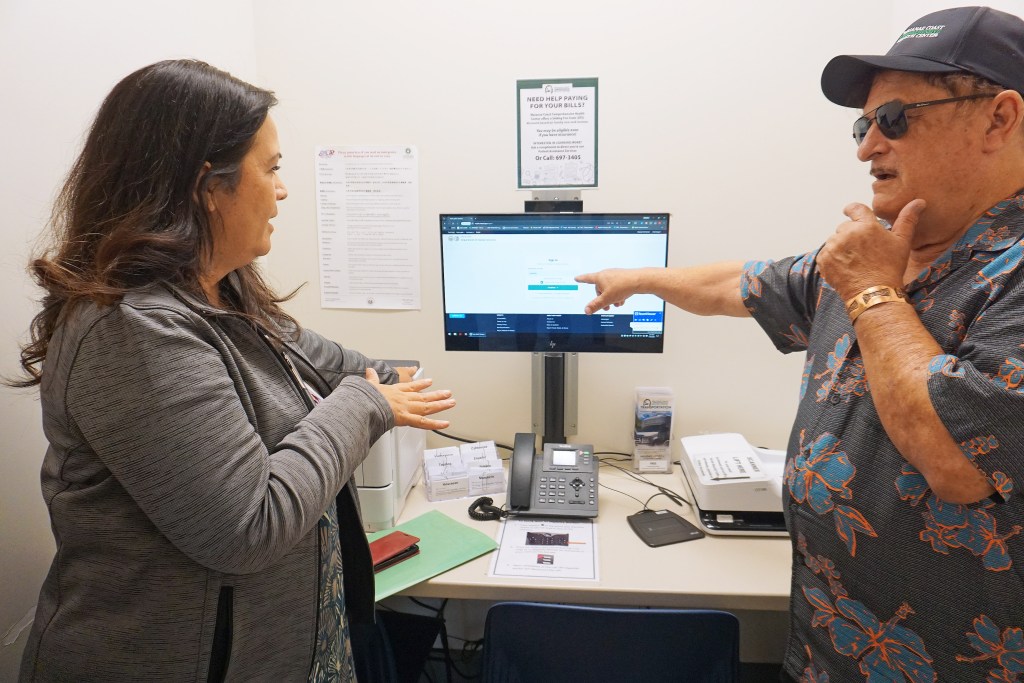
Hawaiʻi’s Medicaid administrator, Meredith Nichols, said the Centers for Medicare & Medicaid Services didn’t respond to the state’s request to include an exemption for Native Hawaiians, but she believes the decision came down to the population’s lack of recognition as a tribal nation. Hawai‘i has about 390,000 Medicaid enrollees, 15% of whom identify as Native Hawaiian, Nichols said.
“We know that when we’ve asked similar questions in the past, it all comes down to federal recognition,” she said.
Hawaiʻi health administrators met with Trump administration officials in June. Some unsuccessfully pushed to add an exemption to the new law, which would need congressional approval.
White House spokesperson Kush Desai did not respond to requests for comment. In a statement, CMS spokesperson Timothy Foster confirmed that the agency met with 16 health centers in Hawai‘i about Medicaid changes but didn’t respond to other questions.
Barriers to Care
Native Hawaiians face many of the same health disparities as Native Americans and Alaska Natives, including higher risks during pregnancy, higher infant mortality rates, and higher rates of being uninsured than the white population. And in Hawaiʻi, Native Hawaiians have the second-lowest life expectancy among ethnic groups after other Pacific Islanders.
Kapono Chong-Hanssen is the medical director of Ho‘ōla Lāhui, the Native Hawaiian healthcare system on Kaua‘i that also serves the privately owned island of Ni‘ihau, whose 170 full-time residents are predominantly Native Hawaiian. Chong-Hanssen said he anticipates many of his patients will no longer receive the care they need once the new work requirements take effect.
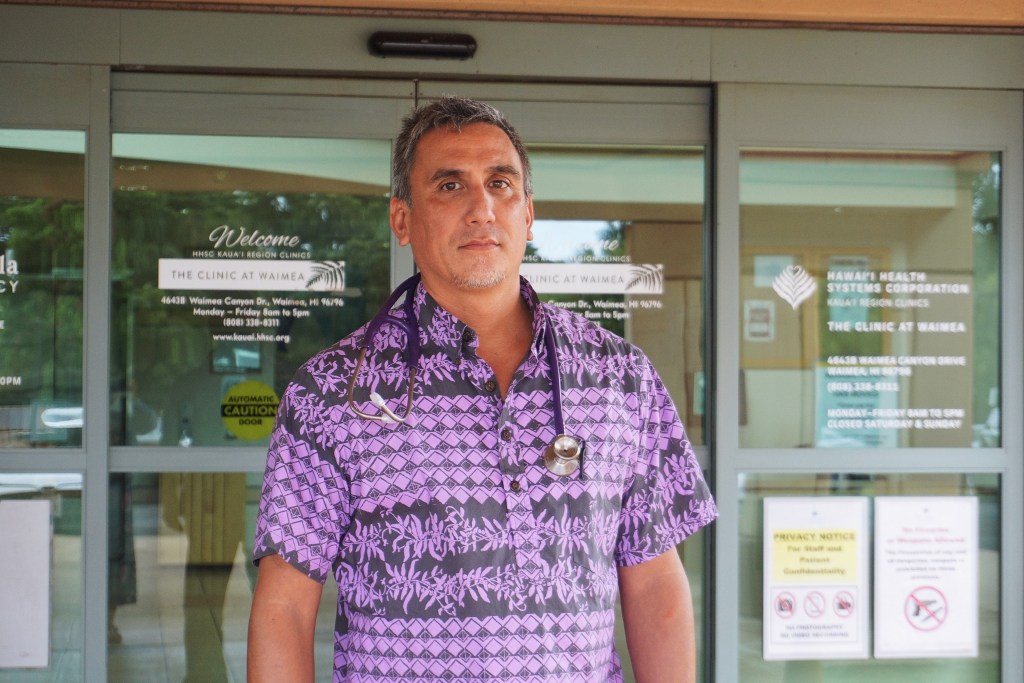
The new requirements will erode the trust healthcare providers worked hard to build among Native Hawaiian patients, who, in response to historical disenfranchisement, are more likely to disengage and “throw the whole system out” when they run into barriers, Chong-Hanssen said. “It just flies in the face of everything that we’re trying to do.”
Beyond medical services, Medicaid covers transportation expenses when patients travel between islands for care. A round-trip ticket between Kaua‘i and O‘ahu, for example, can cost hundreds of dollars.
“It just flies in the face of everything that we’re trying to do.”
Kapono Chong-Hanssen, medical director of Ho‘ōla Lāhui
Congress placed over 200,000 acres of land in a trust for Hawaiian homesteads in 1921 to bring Hawaiians back to their native lands after the U.S. backed the 1893 illegal overthrow of the Hawaiian kingdom. Nearly 30,000 Native Hawaiians are still waiting for land, while, as of the 2020 census, more than 34,000 people lived on Hawaiian homelands. The homesteads are often far from Honolulu, where most health services are located.
Waianae Coast Comprehensive Health Center primarily serves the west side of O‘ahu, which is home to the island’s largest Native Hawaiian population, near four Hawaiian homesteads.
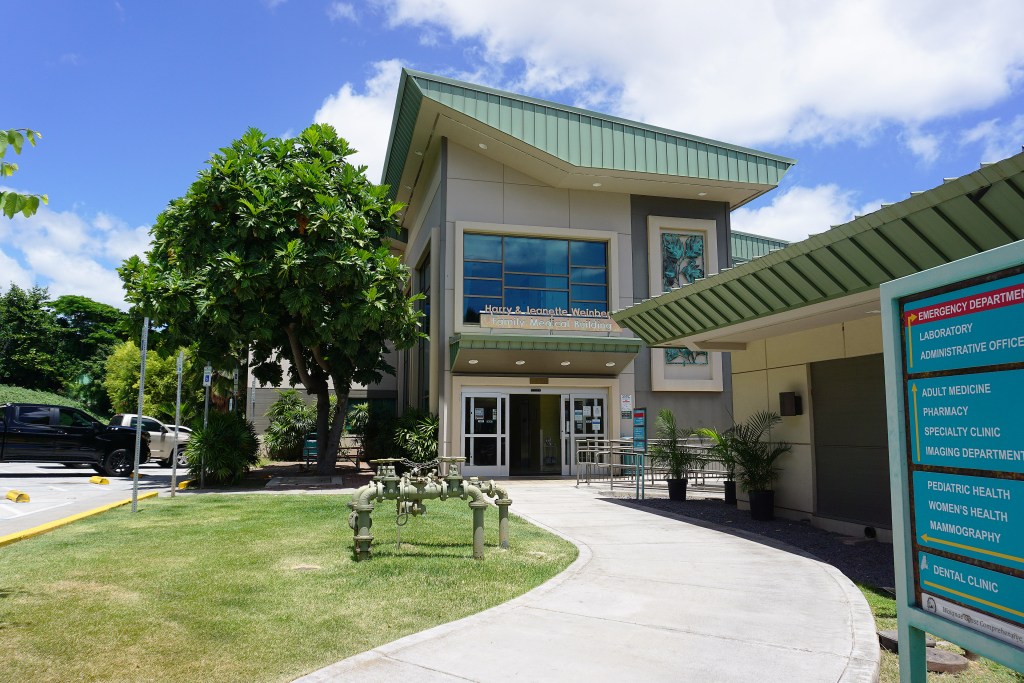
The center’s vice president, Leinaala Kanana, said that many of its patients are geographically isolated and that few jobs are available in the area. Patients also have trouble accessing transportation to get to work or finding affordable childcare.
The center’s CEO, Rich Bettini, said Hawai‘i’s high living costs and depressed wages have pushed many people into homelessness, creating another barrier to complying with the new Medicaid requirements. Native Hawaiian and Pacific Islanders make up about 60% of O‘ahu’s homeless population. The center estimated about 2,800 of its patients may be affected by the requirements, half of whom are Native Hawaiian.
The annual “cost of living for a family of four in Hawaiʻi on O‘ahu is $100,000-plus. The average income of our patients is under $30,000 a year,” he said. “That is an enormous gap.”
‘Bigger Fish To Fry’
Native Hawaiians face obstacles to being granted the same exemptions as other Indigenous groups. While several federal laws refer to Hawaiians as an Indigenous group, they are not among the 575 tribes recognized by the federal government. Federal recognition can be granted either by Congress or administratively through a process established by the Department of the Interior. Native Hawaiians remain divided about whether they would even want federal recognition, with some fearing it would jeopardize their ability to restore Hawaiian independence.
Laws governing Medicaid also don’t acknowledge Native Hawaiians, aside from the 2021 American Rescue Plan Act, signed by former President Joe Biden. In the covid-era law, the federal government fully reimbursed Native Hawaiian health centers for Medicaid services for two years. However, all the qualifying Native Hawaiian health centers were in Hawai‘i, where fewer than half of Native Hawaiians in the country now live.
The federal government fully reimburses Indian Health Service and tribal facilities for healthcare services provided to Native Americans and Alaska Natives. Native Hawaiian healthcare systems instead receive the same reimbursement rate as in the rest of Hawaiʻi.
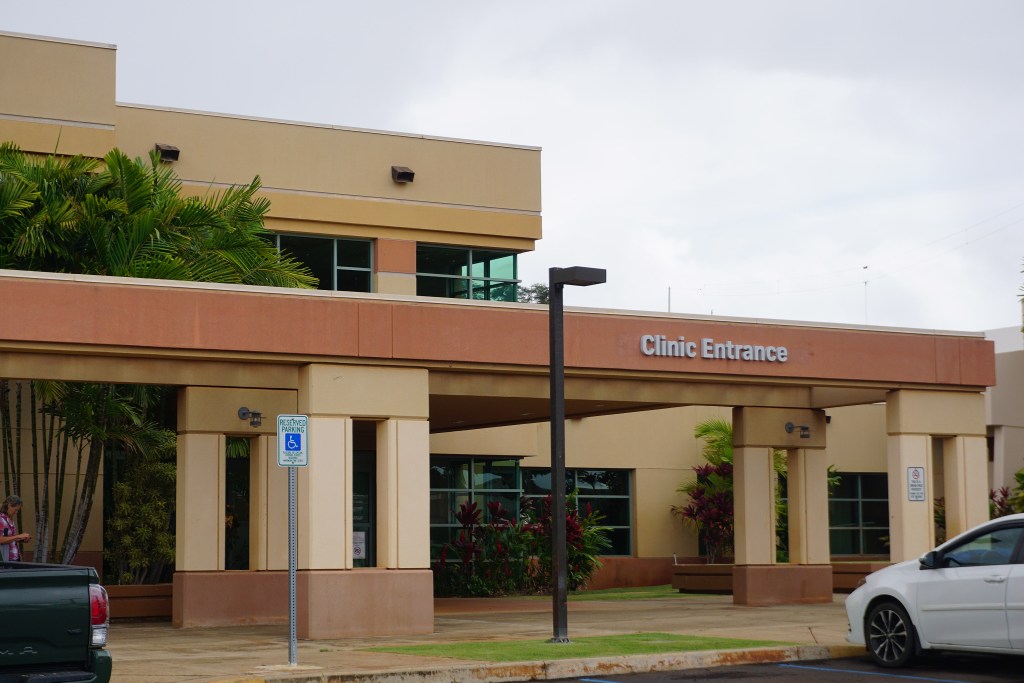
Keolamaikalani Dean, the CEO of the King Lunalilo Trust, which provides services for Native Hawaiian elders, pointed to the new Medicaid requirements as just one of many federal policies limiting Native Hawaiians’ healthcare.
“It’s horrible as a policy, but there are bigger fish to fry,” he said.
Dean said he’d rather advocate for giving Native Hawaiian healthcare systems the same full Medicaid reimbursement that the Indian Health Service receives. The change would have greater impact on patients seeking care, he said.
Native Hawaiian advocates said they have been overextended as they work to guard against an onslaught of threats to revoke other federal funding by the Trump administration.
In Trump’s proposed 2027 budget, cuts to Native Hawaiian programs cited the group’s lack of federal recognition as a “tribal nation.” The proposed cuts coincide with lawsuits from conservative groups challenging Native Hawaiian education programs and long-standing legislation that provides homestead land to some Native Hawaiians at almost no cost, alleging the programs racially discriminate against other groups.
Papa Ola Lōkahi, a nonprofit that oversees the Native Hawaiian healthcare systems in the state, declined to comment for this article. The group is involved in a lawsuit filed by a conservative group aiming to stop a university scholarship for Native Hawaiians pursuing healthcare careers.
Congresswoman Jill Tokuda, a Democrat, viewed the exclusion of Native Hawaiians from the exemptions to Medicaid work requirements as an attempt to further erode Native Hawaiians’ Indigenous status, pointing to recent challenges by the Trump administration and lawsuits.
“These are not one-offs,” Tokuda said. “This is a targeted, coordinated attack to undercut the Indigenous status of Native Hawaiians.”
KFF Health News is a national newsroom that produces in-depth journalism about health issues and is one of the core operating programs at KFF — the independent source for health policy research, polling, and journalism.
CORRECTION: A previous version of this story included an incorrect reference to U.S. Rep. Jill Tokuda’s title.