No Relief For Maui Wildfire Survivors Losing Thousands To Contractors
Homeowners rebuilding in Lahaina have lost hundreds of thousands of dollars to unlicensed or unreliable contractors. Government officials have so far failed to hold anyone accountable.
This story is a collaboration between Honolulu Civil Beat and Inside Climate News.
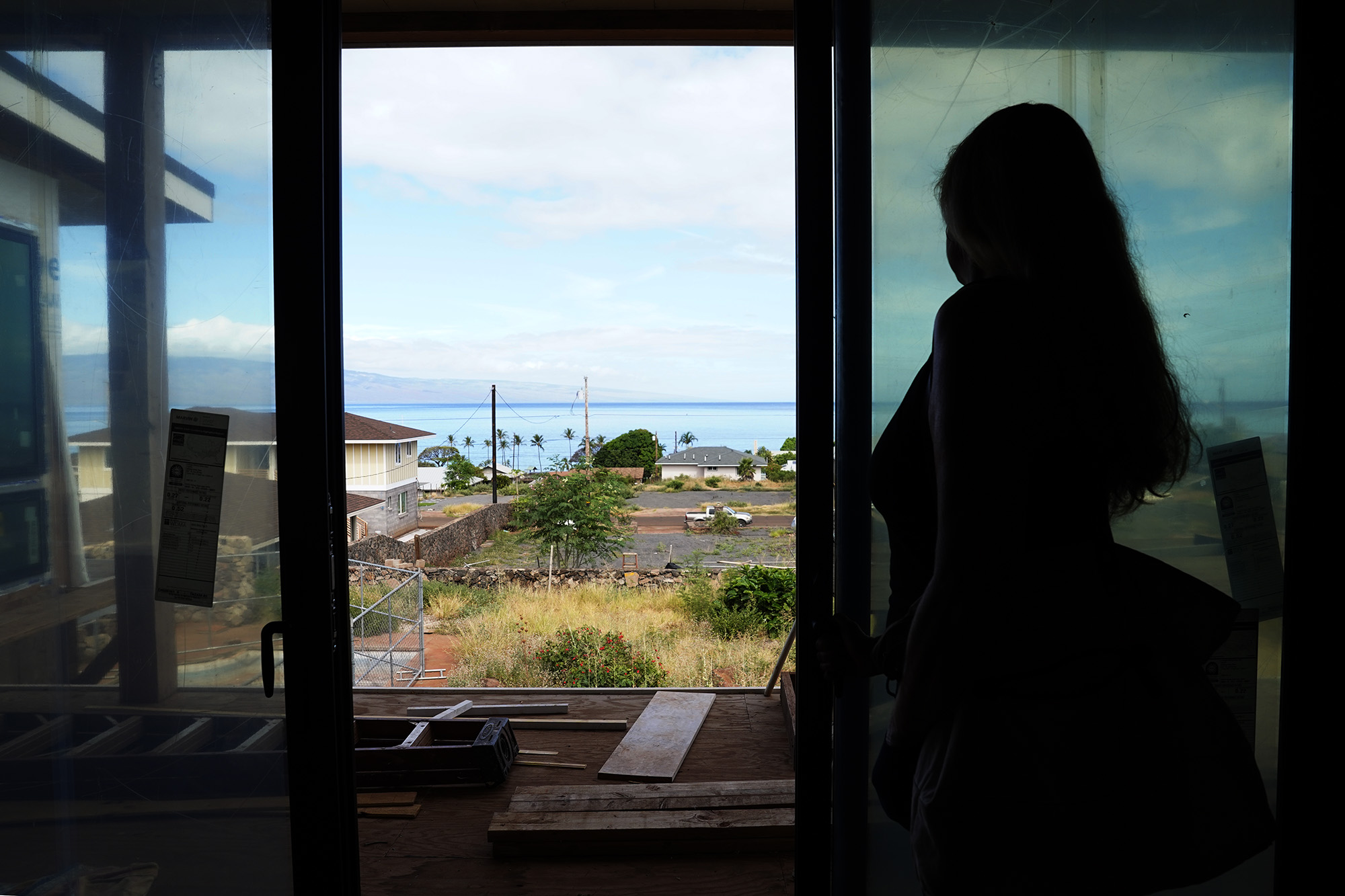
Three years after the deadly Lahaina wildfire destroyed her childhood home, Raquel Utrillo cannot bear the thought of returning to the block where she grew up.
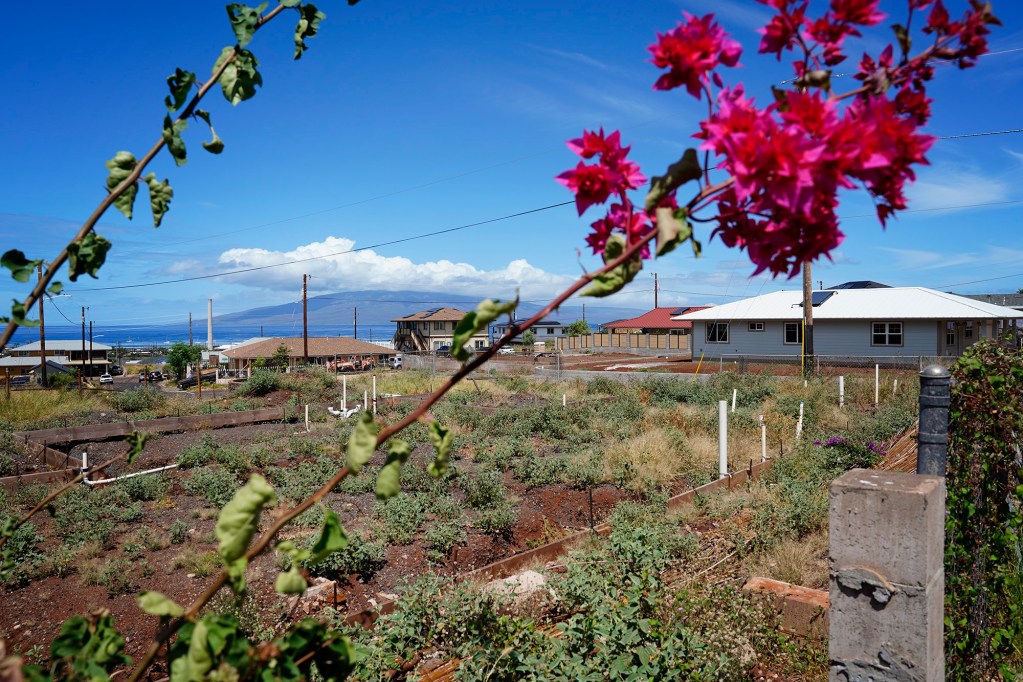
Others in the neighborhood have finished rebuilding, but her family’s lot remains almost empty. It is a painful reminder of how long it has been since Utrillo last heard from the contractor she hired to construct a new home for her mother and sister.
“I’m still in shock. It’s mentally and physically messing with my brain,” Utrillo said. “He seemed to be so trustworthy and so genuine. I do not want this to happen to anyone else.”
She hired a contractor to prep the lot and install a prefabricated home in July 2024, but she said he stopped showing up to work on the project shortly after he got started and by early 2026 had stopped responding to her messages altogether. Utrillo shared documents showing she had paid him a total of $640,000.
Dozens of survivors of the deadliest U.S wildfire in a century have contacted local and state officials about serious problems with the contractors they hired to rebuild their homes. Contractors stopped showing up, were unable to account for large amounts of money paid to them or performed work so poorly it had to be redone, according to lawyers, community advocates, public officials and homeowners.

As part of a months-long investigation, Civil Beat and Inside Climate News reviewed hundreds of pages of public and private records, including police reports, court filings, contracts and text messages exchanged between contractors and property owners. Many community members said they believe contractor fraud and misconduct in the Lahaina burn zone is a far bigger problem than documented in official reports.
“There are enough bad apples that just about everyone knows someone that’s been impacted,” said Carolyn Auweloa, co-founder of the Lahaina Community Land Trust.
But government agencies have announced no actions against contractors for post-wildfire misconduct, including those with complaints from multiple households, according to the newsrooms’ investigation. There have been no criminal charges, no licenses revoked, no fines or injunctions.
Criminal cases related to disaster recovery are complex and often take years — though 16 unlicensed contractors have already been hit with felony charges in California related to rebuilding from the more recent 2025 Los Angeles wildfires.
Andrew Martin, Maui County’s prosecuting attorney, said his office has a deputy prosecutor and an investigator working close to full time on the issue and is actively investigating cases of fraud alongside the police department and other law enforcement partners.
At a community meeting in Lahaina on Aug. 12, he and other local officials urged residents to come forward to help him build a criminal case.
“We know that there have been a very high number of fraud cases, some of them reported, and some of them not,” Mayor Richard Bissen said during the meeting. “If you fall into that category, we want you to report it, we want to take action.”
There are avenues besides criminal charges. State attorneys general can sue contractors for damages and seek cease-and-desist orders. Toni Schwartz, a spokesperson for Hawaiʻi’s Department of the Attorney General, said the agency won’t comment on or confirm the existence of ongoing investigations, and declined to discuss the matter of contractor fraud targeting Maui wildfire victims even in broad terms. In response to a public records request, deputy attorney general Ashley Tanaka said the department does not maintain communications about the matter and referred questions to the agency overseeing contractors.
That agency, the Department of Commerce & Consumer Affairs, could attempt to stop repeat victimization with regulatory action. But the DCCA doesn’t appear to have fined any contractors related to post-wildfire business practices, revoked licenses or taken other steps to stop bad actors. DCCA spokesperson William Nhieu said the agency couldn’t quantify how many complaints it has received that involve post-wildfire rebuilding but is aware of 12; eight investigations are still pending, and the rest were closed without disciplinary action.
As the problem persists, it’s added to an already severe island-wide mental health crisis.
Officials should not have been surprised. Contractor fraud and other scams are common after natural disasters, including the 2018 wildfire in Paradise, California, Hurricane Sandy in the Northeastern United States in 2012, and Hurricane Katrina in Louisiana and other southern states in 2005.

“It’s sad because we were warned this was going to happen,” said Sen. Angus McKelvey, who represents Lahaina and lost his home in the fire. “It’s happening.”
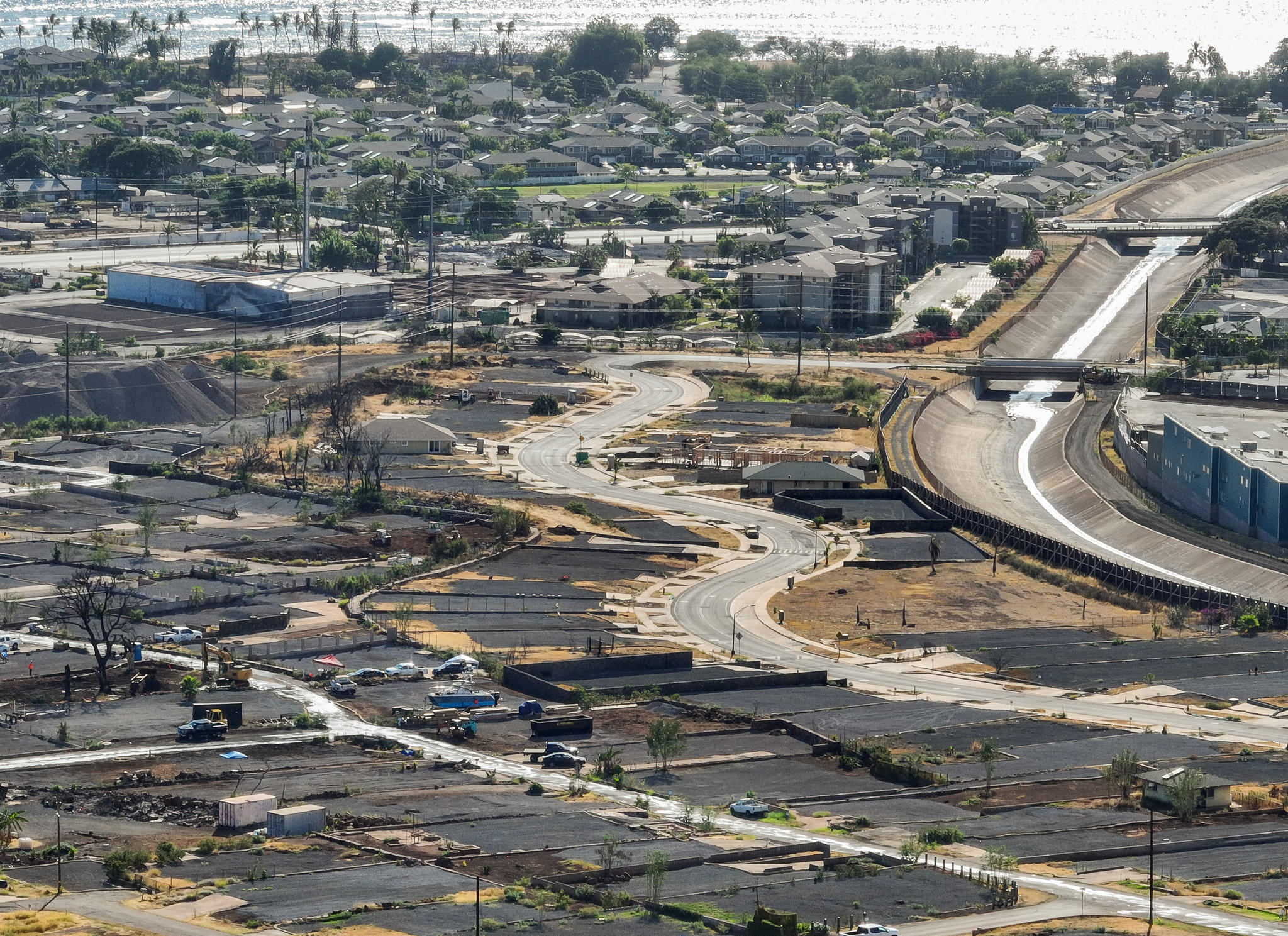
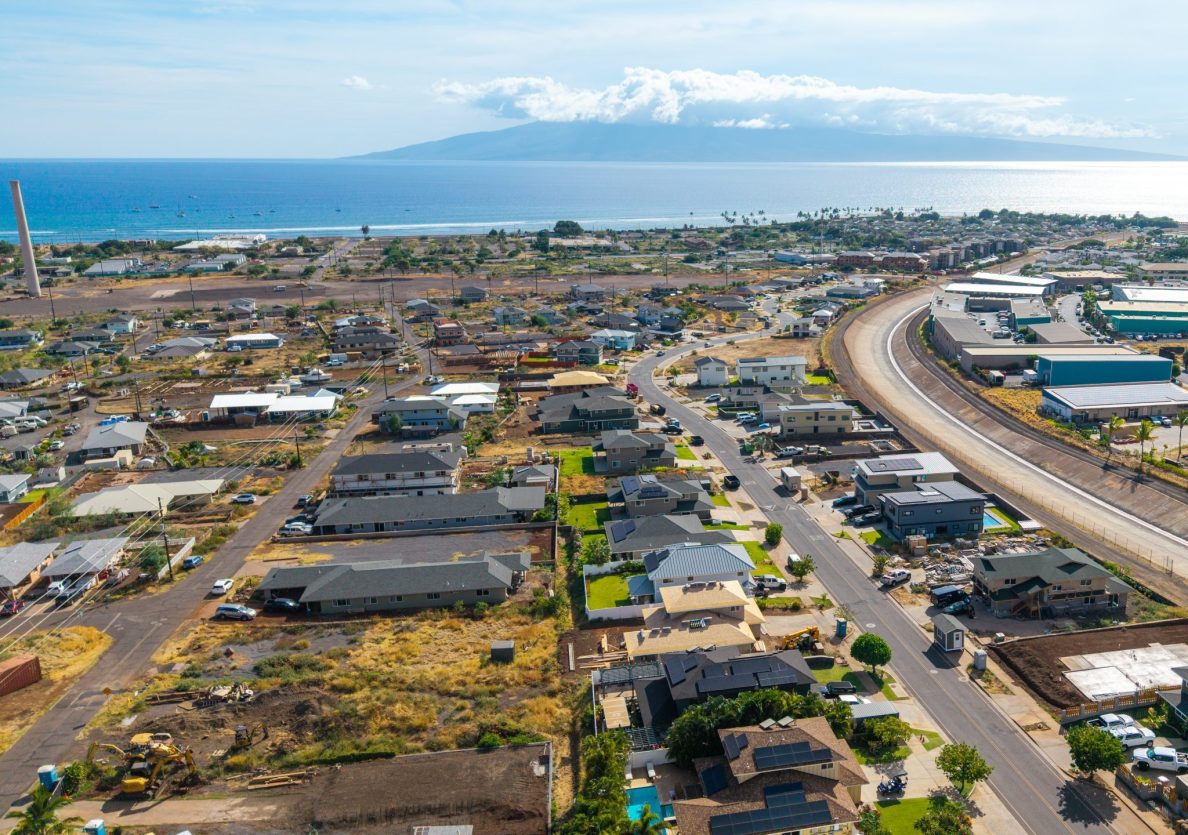
The Maui fires caused more than $5.5 billion in damage, destroyed more than 2,200 structures, killed at least 102 people and displaced nearly 13,000 residents. Many have expressed frustration over the pace of progress. As of Aug. 13, about 580 homes have been rebuilt, including single and multifamily units.
McKelvey said DCCA is in the best position to protect property owners from bad actors but has failed to do so.
DCCA staff declined repeated requests for an interview. Nhieu said in an emailed statement that the agency has warned homeowners to hire only licensed contractors for rebuilding and repair projects, pointing to statements after the 2023 wildfires and again after flooding caused by this spring’s Kona low storms.
“Unlicensed contracting complaints is one of the more common subjects of concern that RICO receives each year, particularly after natural disasters,” Nhieu wrote, referring to the agency’s Regulated Industries Complaints Office. “Homeowners must protect themselves through doing their homework up front.”
Survivors have reported problems with licensed as well as unlicensed contractors.
While scams are widely underreported, a Census Bureau survey from 2024 found that as many as three-fourths of disaster survivors in the United States received a possible scam offer within a month of the disaster.
“They should not feel bad about themselves for having fallen victim to this,” Rebecca Shea, director of forensic audits at the federal Government Accountability Office, said of survivors. “It is not their fault.”
Utrillo, who now lives with her husband and children about 10 minutes north of Lahaina, took the reins on her family’s build because she is conscientious and felt best equipped of her relatives to handle the stress of the project. She never thought she could be scammed.
A hairdresser in Kahana, Utrillo said she continues to have clients come in with stories similar to hers. She is speaking out because she doesn’t want anyone else to go through what her family did.
“It has to stop,” she said. “It’s just disheartening, there’s no words.”
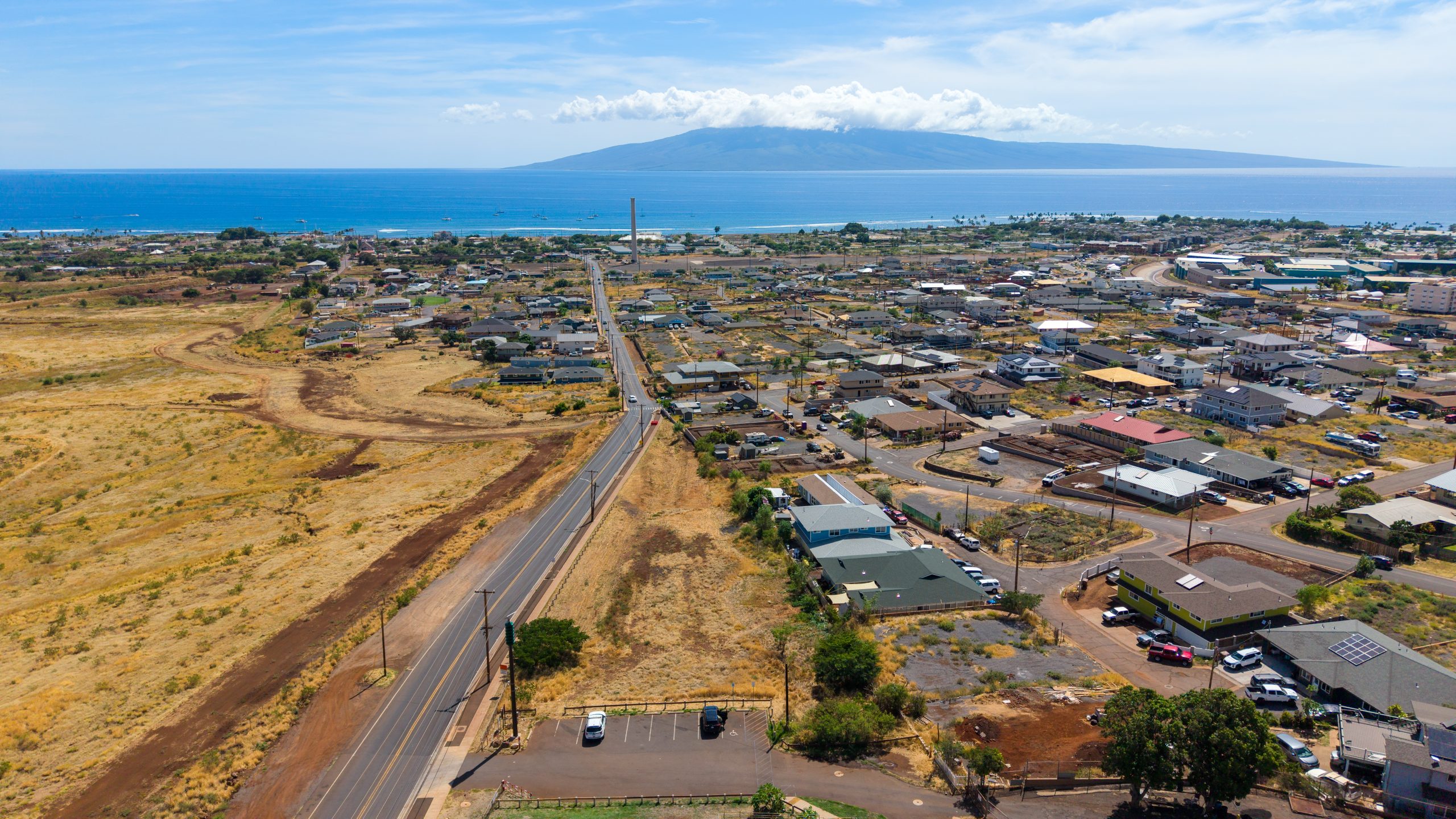
In response to a public records request from Civil Beat and Inside Climate News, the Maui Police Department released 10 reports filed by property owners after the wildfire that detail losses ranging from about $20,000 to more than $500,000 to unreliable or unscrupulous contractors. All were marked as civil matters not under police jurisdiction.
Some of the reports document that police urged homeowners to contact the state Department of the Attorney General. Police said they had dozens more reports that may be related to post-wildfire contractor issues.
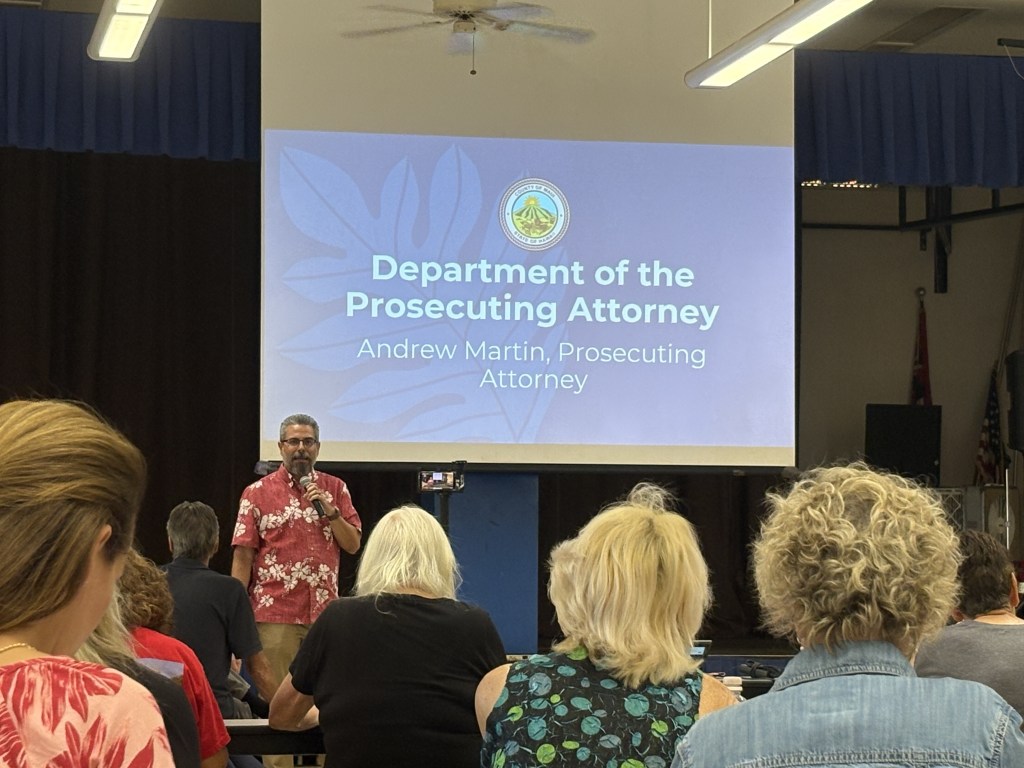
Martin, the county prosecutor, said his office has received dozens of tips about contractor fraud targeting wildfire survivors, but those likely only scratch the surface of a much bigger problem.
“This is the single most requested thing I’ve been asked to speak about over the past 12 months,” said Martin, who has given presentations about contractor fraud at community meetings in Lahaina and across Maui since last spring. “There are people that have been preyed on right in their own front yards.”
He said many residents who filed police reports found that nothing came of them because they were marked civil matters and never shared with the prosecutor’s office. He urged people to reach out to his office by phone and email if that happened to them.
Survivors Suffer Compounding Losses
After the fires, there was skyrocketing demand for a limited number of on-island licensed contractors. Tight rebuilding budgets, deadlines imposed by insurance companies and fears of losing temporary housing at any moment made it difficult to be discerning.
“It was the perfect scenario — the perfect storm,” said Archie Kalepa, a renowned Native Hawaiian waterman who filed a lawsuit last year against an unlicensed contractor he said cost him more than $200,000. “We lost our entire town, so everybody’s just trying to get anybody they can … There’s no checks and balances.”
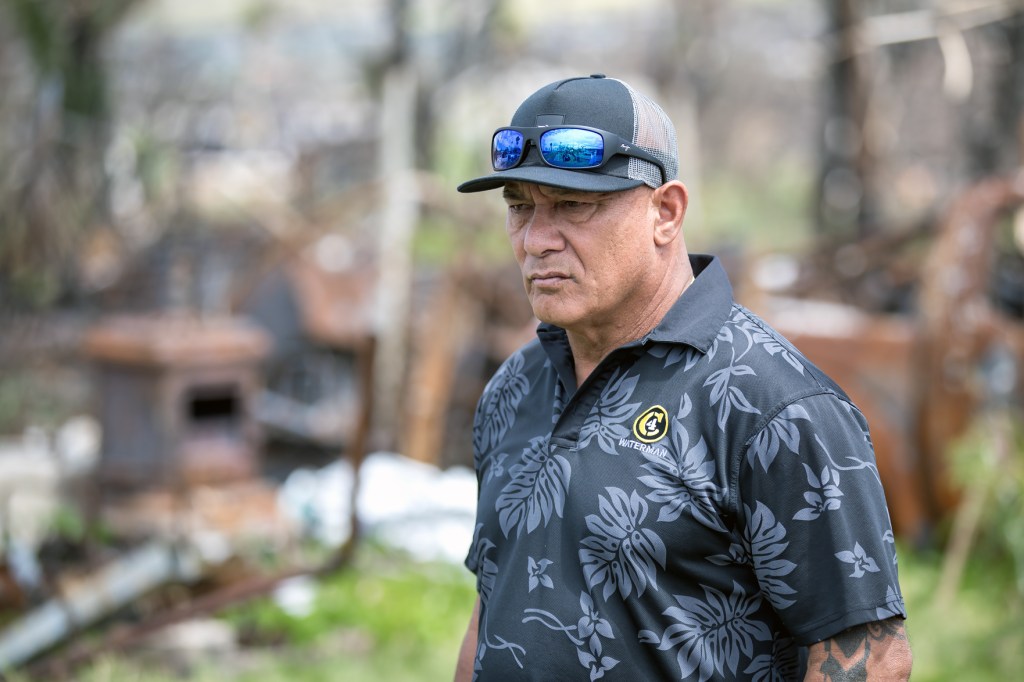
The Kalepas’ lawsuit has yet to be resolved more than a year after it was filed, and they’ve received no financial relief.
The issue has impacted a wide range of people, cutting across race, age and socioeconomic status.
Some contractors appear to primarily target residents who are more likely to be economically or socially vulnerable, according to community advocates and public officials such as Maui County Council member Keani Rawlins-Fernandez.
“They’re doing this to people who have the least amount of power,” she said. “They’re not going to do it to people who have money, who have attorneys on speed dial.”
Rick Nava, a Filipino community advocate who lost his home in the fire, said many Filipino residents have had negative experiences with contractors after the fire but are reluctant to come forward for fear they might not be taken seriously, in some cases because of their accent or limited English proficiency. Nava also said most people found contractors through word of mouth and worry that going to the authorities could alienate them from the close-knit Filipino community.
“They’re afraid that if they speak up, not only would he get in trouble, but maybe their friend too,” he said.
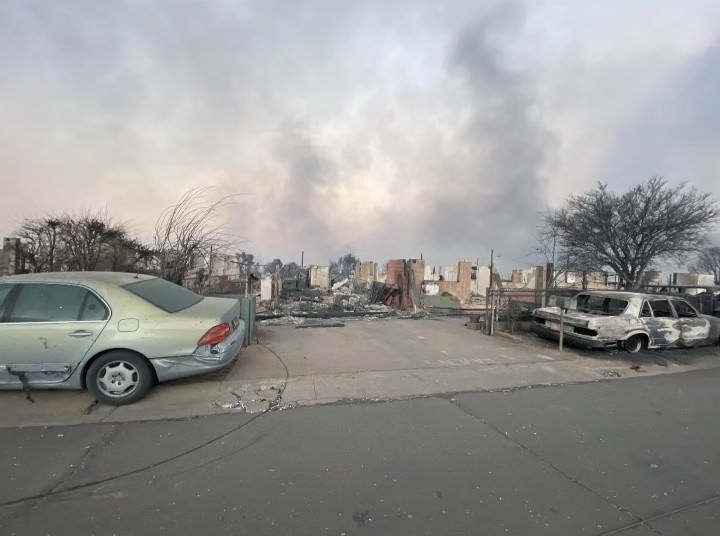
Based on census data from before the fires, one-third of Lahaina residents are immigrants — nearly double the stat for Maui County overall. Maui is about 28% Filipino, including people of mixed heritage. Lahaina has had a strong Filipino community for more than a century, a carryover from Hawaiʻi’s plantation era.
Many survivors of all cultural backgrounds are reluctant to come forward due to fear of retaliation or distrust in authorities, according to victims, advocates and lawyers.
Utrillo, who is managing her family’s Lahainaluna rebuild, said it took her months to report her experience with her contractor, who does not have the required state licensing, because she felt guilty about losing the majority of her family’s insurance payout. She cried almost daily and struggled with frequent panic attacks, she said, but her depression and anxiety turned into anger and a desire for accountability when she began speaking with other fire survivors who said they had similar experiences.
Multiple attempts to reach her contractor, Shaun Kama, for comment were unsuccessful. The phone number he used to communicate with Utrillo and other property owners has been disconnected, and he did not respond to emailed and mailed requests for comment.
Doug Reynon, 81, said Shane Haas, who is unlicensed, was working on a neighbor’s property when he approached Reynon and his partner and offered to fix shoddy work done by another contractor they hired to build a porch around their new tiny home in Wahikuli.
“He knows how to work the old man,” Reynon said. “His speech was like this: ‘I can correct all these for you, Uncle.’”
In total, the couple — both of whom were born in Hawai’i and grew up on Maui — said they paid Haas and the other contractor more than $52,000 to build the porch, construct an enclosed shed for a laundry machine and prep their lot for workers to connect their new home to electricity and water. However, much of the work was incorrect and unsafe, and Haas was often unable to provide receipts showing how he spent the money, Reynon said.
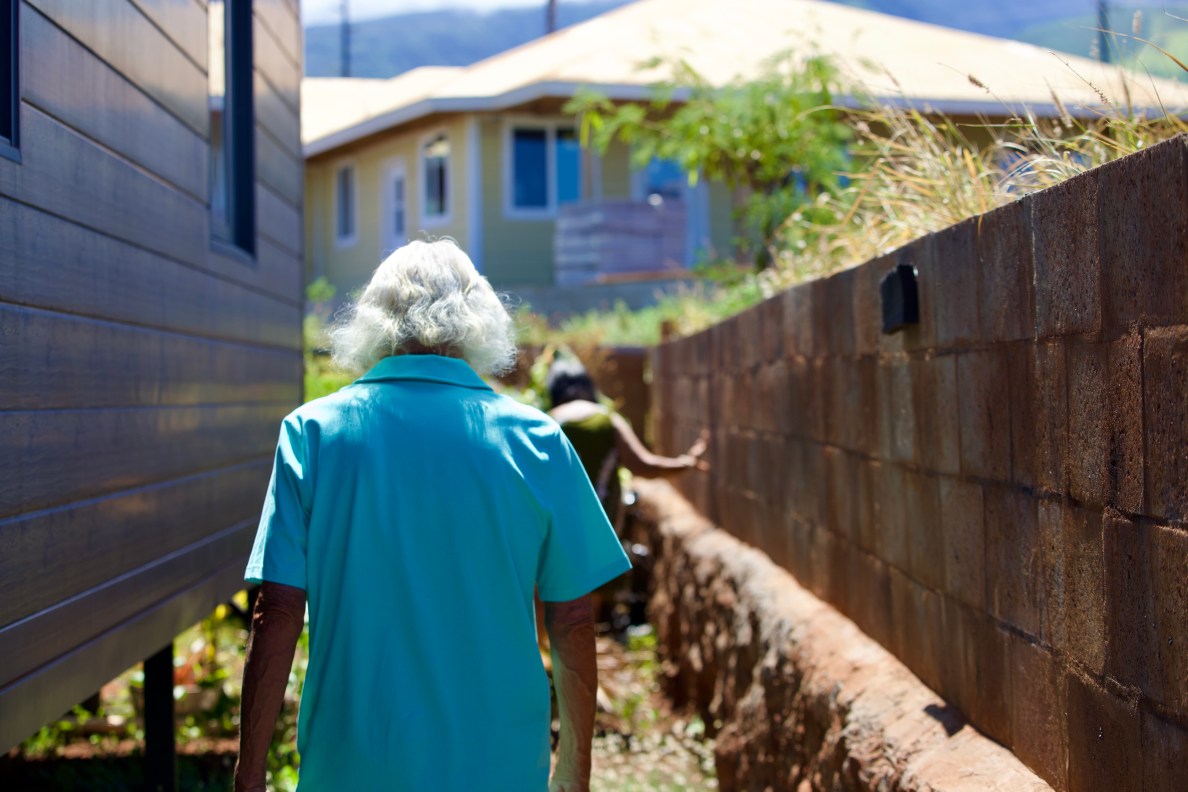
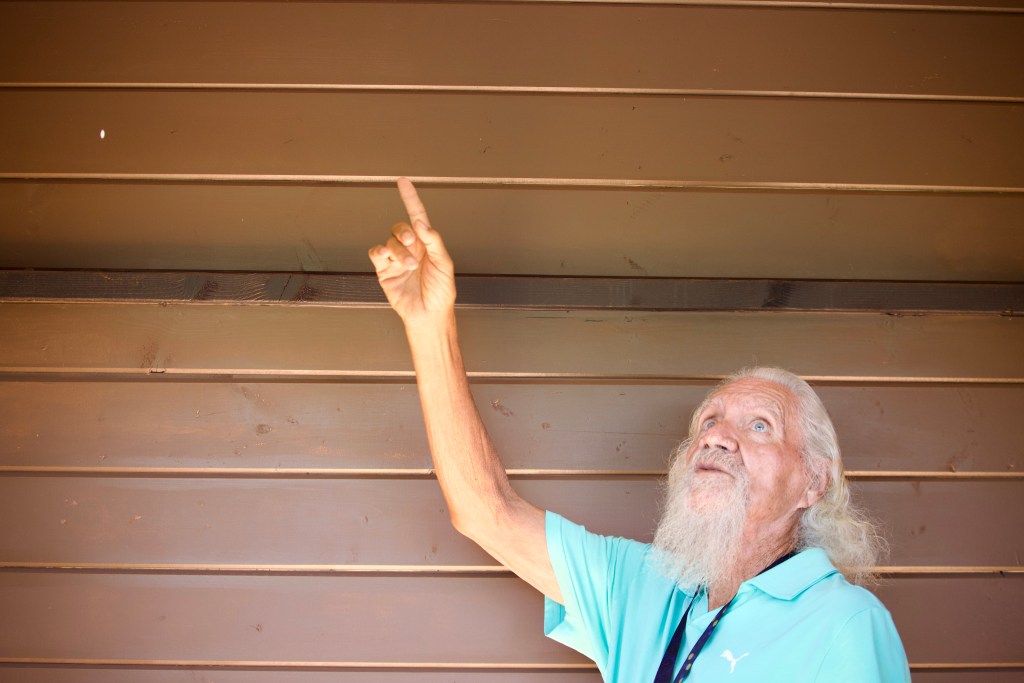
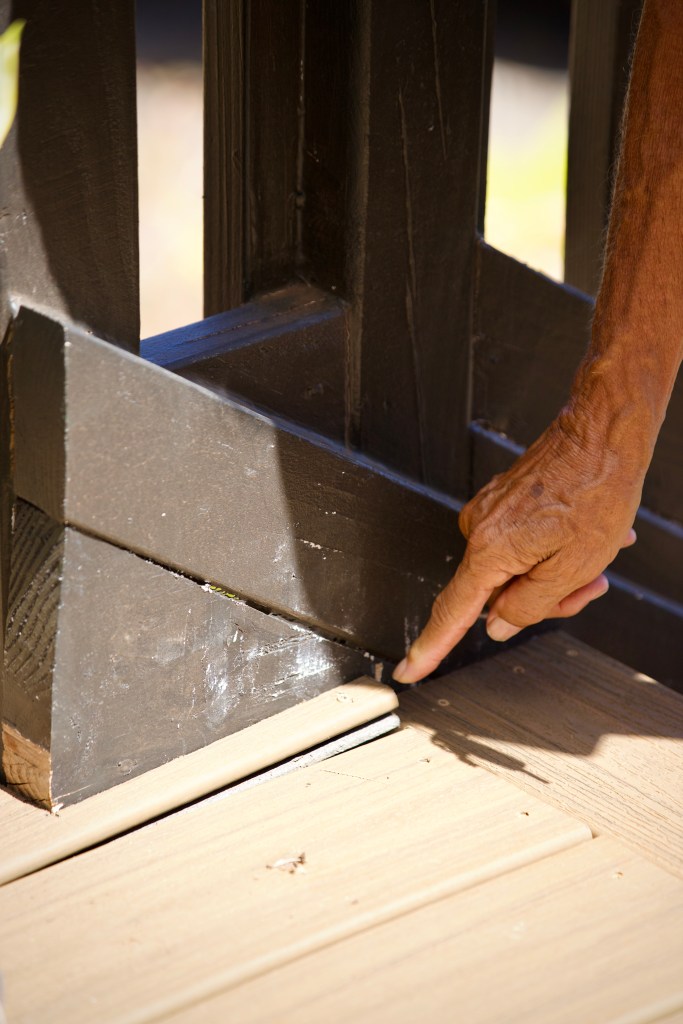
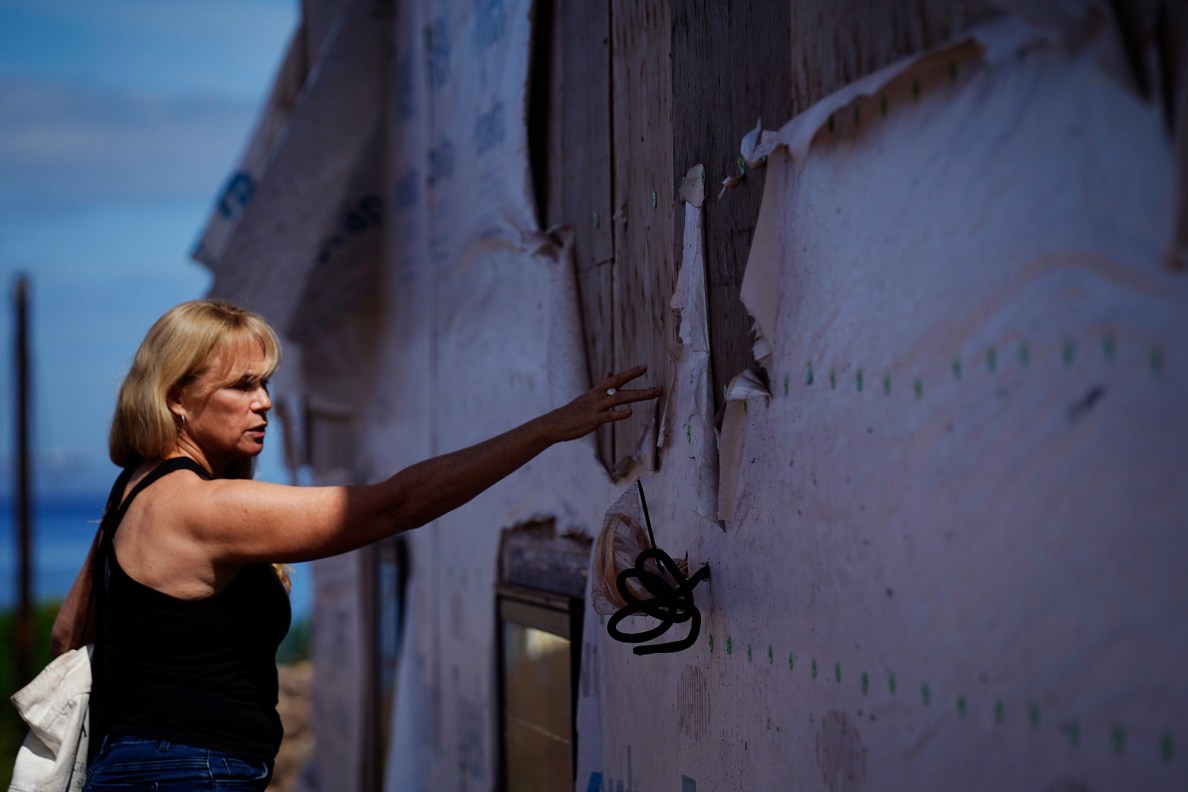
One sunny morning in June, the couple walked around their lot and along the deck built by Haas and the other contractor, noting construction flaws and safety hazards such as uneven steps, loose porch floorboards, holes in the laundry shed roof and crumbling concrete.
“It really pisses me off, because I could have done this. But my thing is, I’m too old to do it,” said Reynon, who worked in the construction industry for decades.
Civil Beat and Inside Climate News spoke to other fire survivors who described serious problems after hiring Haas to repair or rebuild their homes.
Kalepa and his wife, Alicia, were among the clients. They filed a lawsuit alleging that Haas and his partner Liana Kanno intentionally deceived fire victims, acting as contractors despite not having a license.
The Kalepas first met Haas and Kanno shortly after the fire. Kalepa managed a community hub out of his Leiali‘i home — which was damaged but not destroyed — on the outskirts of the 3-square-mile burn zone. Haas and Kanno delivered food, water and other supplies for victims, Kalepa said.
The Kalepas now believe Haas and Kanno planned those early interactions because they knew Kalepa was a respected community leader and they wanted to gain his trust, according to the lawsuit.
Haas provided a license number only after Kalepa requested it multiple times, according to the lawsuit, but it belonged to a different contractor, who said he never told Haas he could work as a general contractor under that license.
The newsrooms made multiple attempts to contact Haas and Kanno, without response. Myles Breiner, the attorney representing them in the Kalepas’ lawsuit, declined to comment. In court filings opposing the Kalepas’ request for a default judgment, Breiner wrote that Haas and Kanno “categorically deny Plaintiffs’ allegations and contest liability in every respect.”
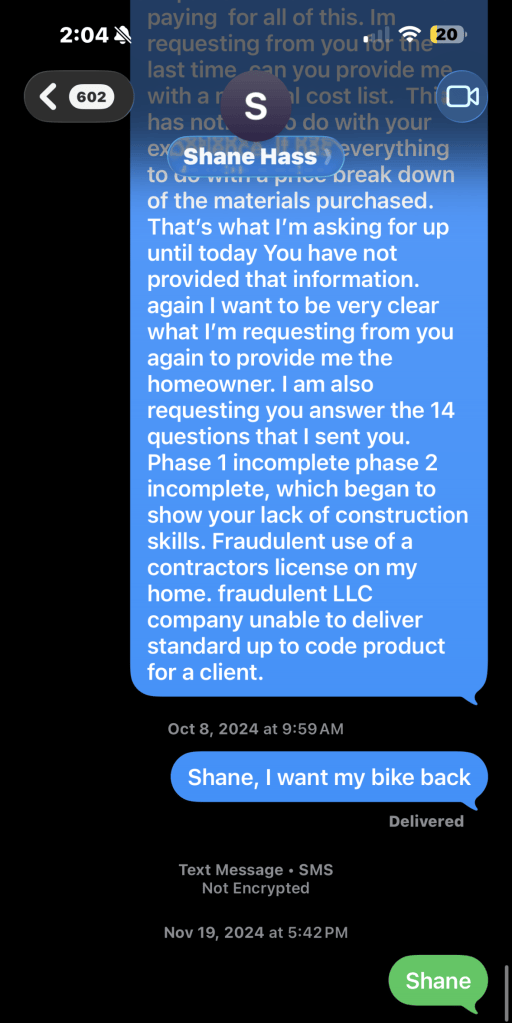
Since 2025, two other Lahaina homeowners have also sued Haas for similar complaints of unlicensed contracting and substandard work.
Kalepa said he hired Haas to oversee repairs on his smoke-damaged house in the spring of 2024. The project was supposed to take a few months, but the Kalepas soon fired Haas and Kanno for what their lawsuit called subpar and hazardous work. After more than two years, the Kalepas still haven’t finished repairs. Nor have they been able to recover the more than $200,000 that they gave the couple, nor the new, modified Surron electric bike that they provided as additional payment, according to the lawsuit.
That was the bulk of their insurance money, Archie Kalepa said.
“Now every month, every little bit of money that I have that we could be saving, we’re using to fix the house,” he said, sitting in his living room in May.
His words were punctuated by the whirring of power tools and the thumping of hammers, as family members and friends worked to repair the kitchen.
“Emotionally, mentally, physically, if you don’t let it go, it’ll drive you to a very bad place,” Kalepa said. “We just have to let it go and pray that karma takes care of people like this.”
The DCCA featured Kalepa as a community spokesperson in public service announcements warning people to avoid unlicensed contractors, framing his experience as a cautionary tale.
DCCA Complaints A Dead End?
Investigations by DCCA’s Regulated Industries Complaints Office can take years to complete and won’t help victims recoup lost funds. But the complaints can help the agency discipline a contractor or can become evidence in a civil or criminal case against the builder.
Because RICO receives a high volume of complaints annually — an average of more than 2,500 per year — not every complaint will lead to an investigation or formal enforcement action, according to DCCA’s Nhieu. He said the agency encourages complaining witnesses to pursue private options as well. That could mean filing a lawsuit.
Of the 12 complaints Nhieu identified as potentially related to post-wildfire recovery, three were against a company run by the contractor hired by Utrillo, Kama’s of One of One Certified Leaders of Action. Four were against JC Contracting, a licensed contractor about which community groups say they have received multiple complaints.
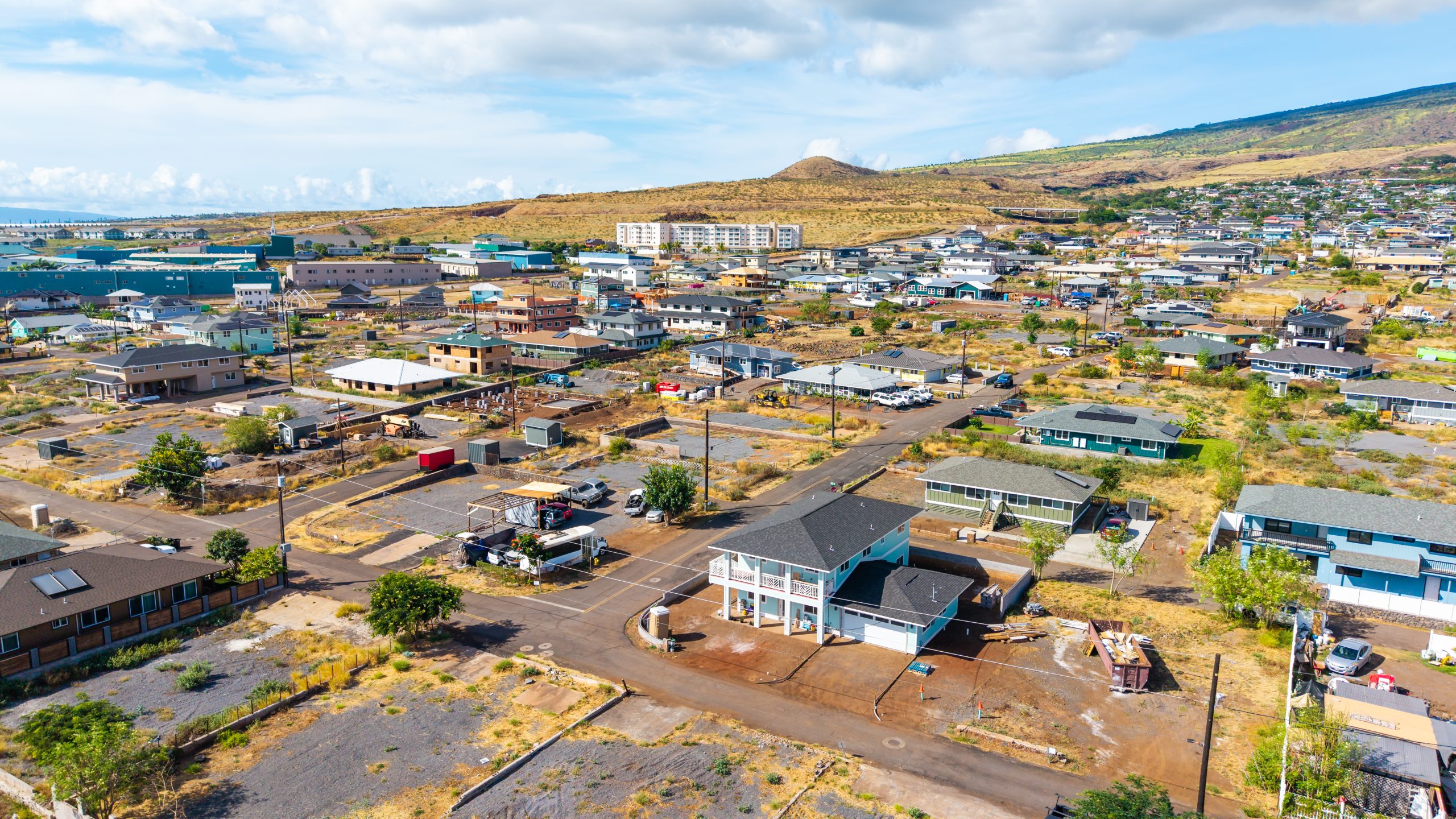
Searching DCCA’s online database, Civil Beat and Inside Climate News found 14 more RICO complaints filed post-wildfire against contractors identified by homeowners and advocates as repeat offenders, including Kama and JC Contracting. All are pending.
Fortunato “Jun” Corpuz, who owns JC Contracting, said in August that he was aware of the complaints, and state officials were either still investigating them or let him off with a warning. Most of the complaints were lodged by clients who were frustrated by the pace of rebuilding, which had been slowed down by shipping delays and building material shortages, according to Corpuz.
He said he didn’t know why he seemed to have more official complaints against him than other licensed contractors whose projects were delayed by the same factors, but he maintained that he did not think he should be put in the same bucket as unlicensed contractors knowingly taking advantage of fire victims.
“I just ignore it,” Corpuz said, referring to the complaints. “I just have to take it, because it’s not true.”
He said he had completed 14 residential wildfire rebuilds in Lahaina and was actively working on five more.
DCCA should be able to more efficiently and effectively crack down on bad actors and protect consumers, said McKelvey, the state senator. He said the agency is bogged down by bureaucracy and lacks legal clarity regarding which interdepartmental office is responsible for certain types of cases.
“There’s this finger pointing between all these different groups within DCCA,” he said. “It’s the biggest ‘not me’ agency I’ve ever seen.”

In the upcoming legislative session, McKelvey said he plans to work with his colleagues to incentivize DCCA to quickly take action against predatory or negligent contractors and streamline the agency’s process for investigating contractor fraud.
That is important because the line between criminal contractor fraud and a mere contract dispute can be blurry, and years often go by before criminal charges are brought against contractors accused of preying on survivors of natural disasters.
In Hawai’i and in many other states, prosecutors are required to prove that builders accepted payment for jobs that they never intended to finish, according to Martin, the Maui prosecutor. Otherwise, it can only be handled in civil court.
“It’s a high bar, and it can be difficult when you’re looking at a single instance,” Martin said. “What we’re interested in is patterns. What are we seeing in the community as a whole? What are contractors doing across multiple different properties?”
These cases are complicated and require extensive records and investigations to “follow the money provided to the contractor,” he added.
“That does take time, and I think that’s frustrating to a lot of people. But there’s no real way to rush that process,” he said.
Los Angeles County officials were expecting fraud after the fires there in January 2025, and the deputy district attorney in charge of the economic and labor justice unit, Ryann Gerber Jorban, said she first proposed a working group on contractor fraud within a week of the disaster. Her office worked in close collaboration with California’s Contractors State Licensing Board, which had experience on the issue from the Paradise fire in 2018.
Within two months they began planning stings — undercover operations — to catch unlicensed contractors soliciting work in the disaster zone, Jorban said. The stings resulted in 14 cases involving 15 contractors, which are now in the pretrial phase. A 15th case was referred to the office by the CSLB.
Jorban credited the licensing board with enabling her office’s swift action.
“Having the CSLB team put us at a real advantage because they were ready. … we worked together immediately,” she said. “Making those relationships ahead of time in government make it possible for us to react to an emergency much more effectively.”
PONO Legal, a Maui-based nonprofit legal aid organization focused on helping wildfire survivors, encourages residents to consult the group before signing contracts for construction work. The group’s website has guidance for working with contractors, verifying credentials and reporting wrongdoing.
Rhonda Alexander-Monkres, executive director of the Ho‘ōla iā Mauikama Disaster Long Term Recovery Group, wrote in an email that her organization helps homeowners with contractor problems file complaints and police reports, connect with legal assistance and find potential charitable funding sources to finish rebuilding their homes. The group is working with homeowners who have spent $150,000 to more than $600,000 on incomplete or substandard builds, she said, adding that Ho‘ōla is seeking donations to help them.
“These situations are heartbreaking,” Alexander-Monkres wrote.
- Maui Police Department: (808) 244-6400
- Department of the Attorney General: (808) 586-1500
- Department of the Prosecuting Attorney: (808) 270-7777
- PONO Legal: (808) 244-1580
- Hoʻōla iā Mauiakama Disaster Long Term Recovery Group Case Management: (509) 846-5101
Opportunities for recourse — such as administrative complaints and lawsuits — can take a long time, she added, and may not result in any recouped funds.
“Hoʻōla’s immediate focus is therefore helping the family identify a realistic pathway to complete the home,” she wrote.
Auweloa, of the Land Trust, said publicizing the names of problematic contractors locally can help ensure they don’t keep getting hired. She encouraged homeowners not to be embarrassed about speaking up and to consider consulting a lawyer.
“These families should be putting these contractors on blast,” she said. “The only people that should be embarrassed is the people doing this kind of business.”
Survivors Deal With The Fallout
Many victims — traumatized by the fire and exhausted after spending the past three years navigating the complicated processes associated with applying for rebuilding permits, seeking temporary housing and submitting insurance claims — feel forced to accept that some unscrupulous contractors may never be held accountable.
That’s how it feels for Krista Woodward, who in May was preparing to sue an unlicensed contractor who she said failed to account for nearly $500,000 of the $650,000 that she paid him to oversee the rebuild of her Wahikuli home. She had already filed a police report and a RICO complaint against the contractor, Russell Nielson of Taylor Grace Homes, and reached out to the county prosecutor’s office.
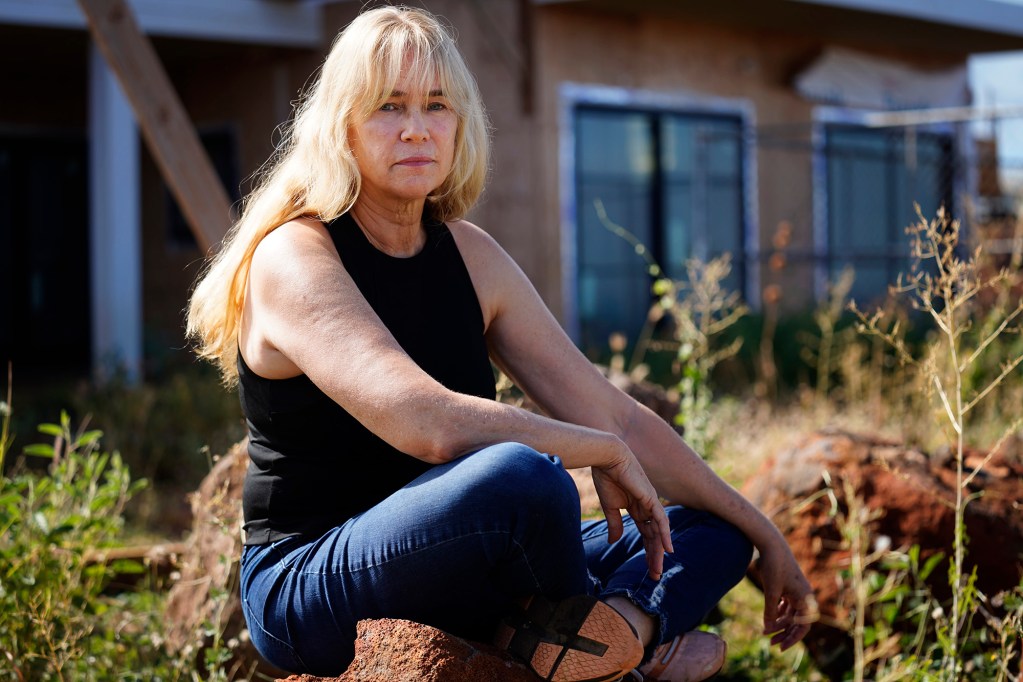
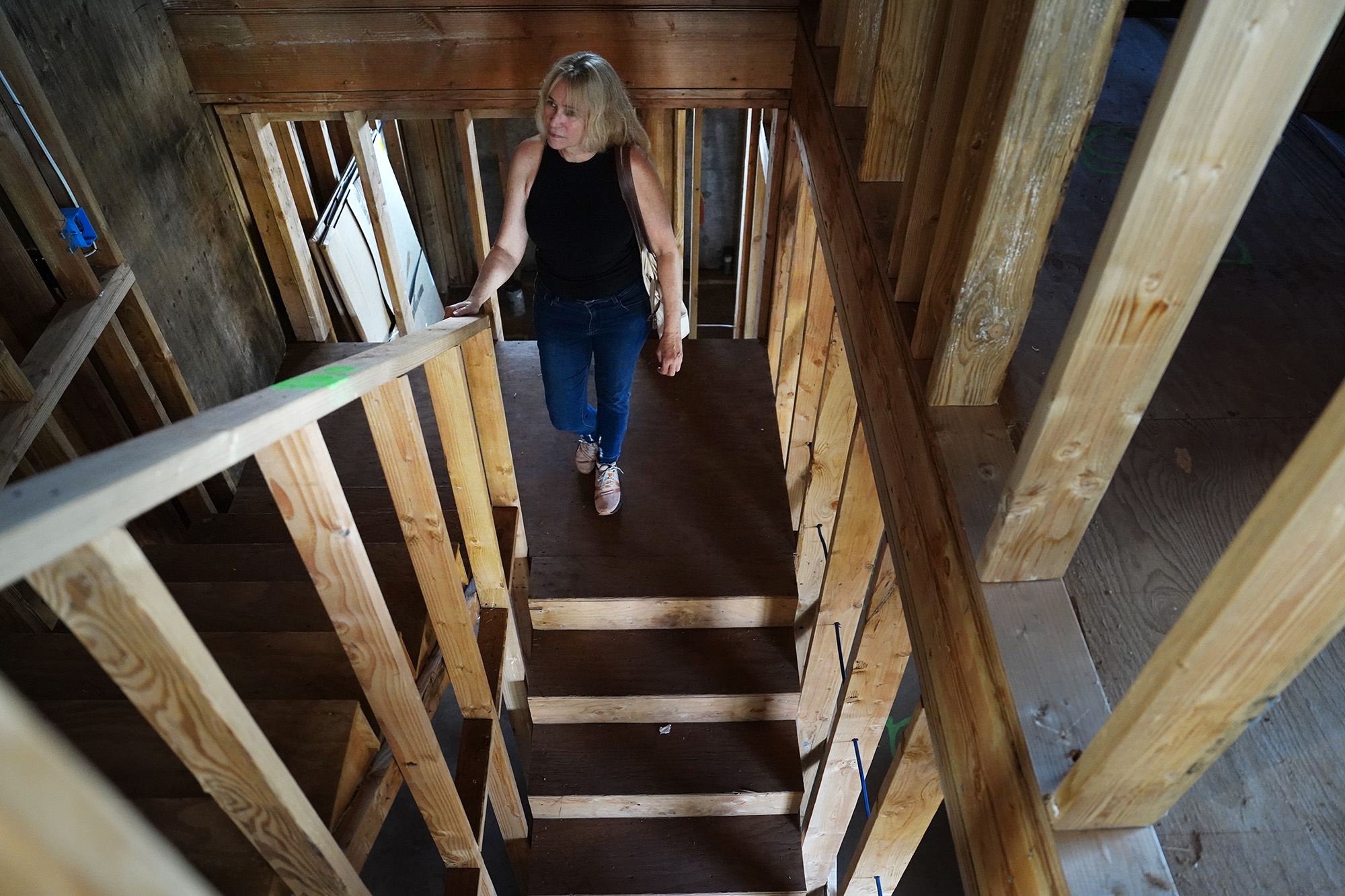
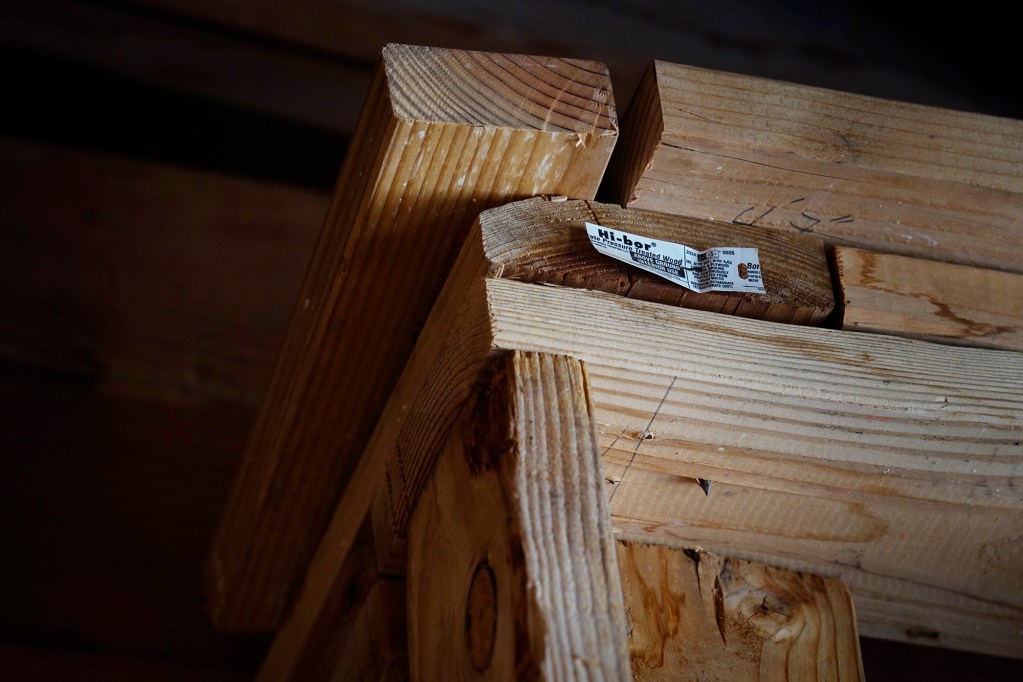
Nielson repeatedly strayed from construction plans without consulting her, she said, and falsely told subcontractors and other workers that he could not pay them because Woodward owed him money.
Since she stopped working with him in February, she’s had a hard time finding other contractors willing to take on the build he started.
Woodward said the contracting issues have caused her as much stress and trauma as the fires themselves.
But the resolution she was hoping for now seems out of reach. Nielson died by suicide in late May. DCCA ended its investigation into Taylor Grace Homes shortly after his death, and Woodward’s lawyer discouraged her from continuing to pursue a legal case.
Woodward was distraught after Nielson’s death, and her first thoughts were for his family, she said. She has now begun to accept that she may never recoup the money she paid him.
“For the sake of my emotional well being, I may need to let that go,” she said by email. “I am tired of standing in the headwinds.”
Some friends volunteered their weekends and carpentry experience to help her install her home’s windows and doors, but they don’t have the time or resources to continue. She recently got a $700,000 bid from a contractor for the job — far more than she can afford after the funds she lost to Nielson, she said. Woodward doesn’t see a path forward to finishing her home. The third anniversary of the fires was the hardest yet, and she didn’t leave her apartment — a temporary rental — all day.
She’s been disappointed with what she sees as a lack of support for survivors navigating the complexities of rebuilding while dealing with trauma and PTSD. After public officials spoke about the issue at the Aug. 12 meeting, she reached out to the county prosecutor’s office again and said she didn’t hear back.
“It’s not reasonable to put that all on us,” she said. “I hope that going forward we can do much better for survivors.”
Utrillo said she doesn’t know whether local or state officials will take any action against Kama. The rebuild is on hold until Utrillo can pull together the funds to restart the project, she said, adding that she had applied for and was waiting to hear back about grants.
“We have to pretty much start all over from scratch,” she said. “I’m so upset. To lose everything that my mom and dad worked hard for, and to maybe not even be able to rebuild?”
Despite the challenges, Utrillo said she would not give up. She wants her mother to enjoy the rest of her life on the property where she spent almost her entire adulthood.
Long before it was razed in the fire, the family’s modest blue and white house was where Utrillo’s parents had raised five children, and where they often spent hours tending to their garden’s abundant fruit, vegetables and flowers. Utrillo laughed gently when she recalled how the aroma of shrimp and moringa stew — made with homegrown ingredients — occasionally wafted through the entire house.
“I envision the house being built, and I envision bringing my mom home, and sometimes I just cry,” Utrillo said. “I have goosebumps already, just thinking about it, and I think about this all the time.”