Hawaiʻi County Council Could Extend Homeless Fund Before Audit Is Done
An impact report led the council to demand an audit of how $30 million had been spent. Now they are worried about starving crucial programs.
The Hawaiʻi County Council is deciding whether to push the sunset date for the Homeless and Housing Fund – before an audit they requested of it is even done.
The county has given over $30 million through the fund to local organizations serving homeless or at-risk individuals and families and those struggling with mental illness and addiction. The money comes from property tax revenue from luxury second homes.
However, some council members and residents have expressed concerns that the money hasn’t made a clear dent in reducing the homeless population on Hawaiʻi island. An audit of the program was requested earlier this year by the council to determine whether the money was spent effectively.
The audit was meant to help determine the future of the program, which currently sunsets in 2027, council members said at the time. But now they want to extend the fund for two more years.

Bill 192 would do that. It was introduced by Council Chair Holeka Inaba, who also co-introduced the resolution requesting the audit with Councilwoman Heather Kimball.
“We know that there is a lot of good things that came out of this allocation of funding,” Inaba said in a council hearing last month. “I can’t say everything was perfect and that there isn’t room for improvement.”
Bill 192 passed through committee in a 7-2 vote last month, with dissenting votes from Council members Dennis Onishi and Matt Kaneali‘i-Kleinfelder. It will be heard again by the council on Wednesday, then once again before a decision is made.
‘Imagine If We Didn’t Have These Programs’
Organizations that have received the funds welcome the extra time — and are pushing back against accusations that they haven’t been effective and don’t have financial oversight.
Les Estrella is the CEO of Going Home Hawaiʻi, which helps formerly incarcerated individuals reintegrate into the workforce and community. The organization also provides interim and long-term housing. It received $870,000 in fiscal year 2026.
The county fund has paid for first month rent deposits and program services such as probation compliance, life skills development and job search support. It also pays for repairs and maintenance of the agency’s housing units.
“The impact that you get from that is a productive worker that is contributing to the tax base and is working and providing services in the community,” Estrella said.
Without the funding — and with federal cuts leaving few options to replace it — he said those services could end or be curtailed.
Whether the fund should be permanent is up to the council, he said. But the extension would give the county more time to evaluate whether it’s been effective and for the audit to be completed.
“We want to extend it so all of the community partners … can have a conversation about this,” Estrella said. “Then the new County Council members too, can come in and be educated and digest this.”

“It’s not like they give us the money, and we can do what we want. That’s not how it works.”
Les Estrella, CEO of Going Home Hawaiʻi
Estrella welcomes the audit and doesn’t think it will find mismanagement. Like all nonprofits and companies receiving federal and state funds, Going Home Hawaiʻi already performs internal and external audits of its spending. It also has to submit quarterly reports and receipts to the county Office of Housing and Community Development, which oversees the fund.
“It’s not like they give us the money, and we can do what we want,” Estrella said. “That’s not how it works.”
The money the county spends on the organizations is far less than what it costs when an individual becomes homeless, said Stefan Harmeling, the Medical Director at Lokahi Treatment Center.
Lokahi Treatment Center provides mental health and addiction services. The organization received $260,000 from the fund in fiscal year 2026 for its Recovery and Housing Stability program.
Harmeling said an individual living on the street costs taxpayers through an overuse of emergency services, increased doctor visits, incarceration and public defenders, as well as damage that person can cause in a community.
“That’s less money going to parks and everything else that we use,” he said.
Even if the community doesn’t see it, Harmeling said he believes the fund has been successful. He cited the Point-in-Time Count, a periodic tally of the number of people living on the streets and in shelters, as evidence.
The fund was passed in 2022. And between 2023 and 2026, the number of homeless people on Hawaiʻi island dropped by 30% – the largest decrease of all the neighbor islands.
“We see them on the street and we’re like, ‘Man, there’s still more homeless,’” Harmeling said. “Imagine if we didn’t have these programs.”
“I hope this becomes permanent funding. Our challenges aren’t going to stop,” he added. “Only when we stop fighting do these challenges become overwhelming and overcome us.”
Two Council Members Object
Most council members seem to be fully support extending the Homeless and Housing Fund to 2029. But some would prefer to wait for the audit.
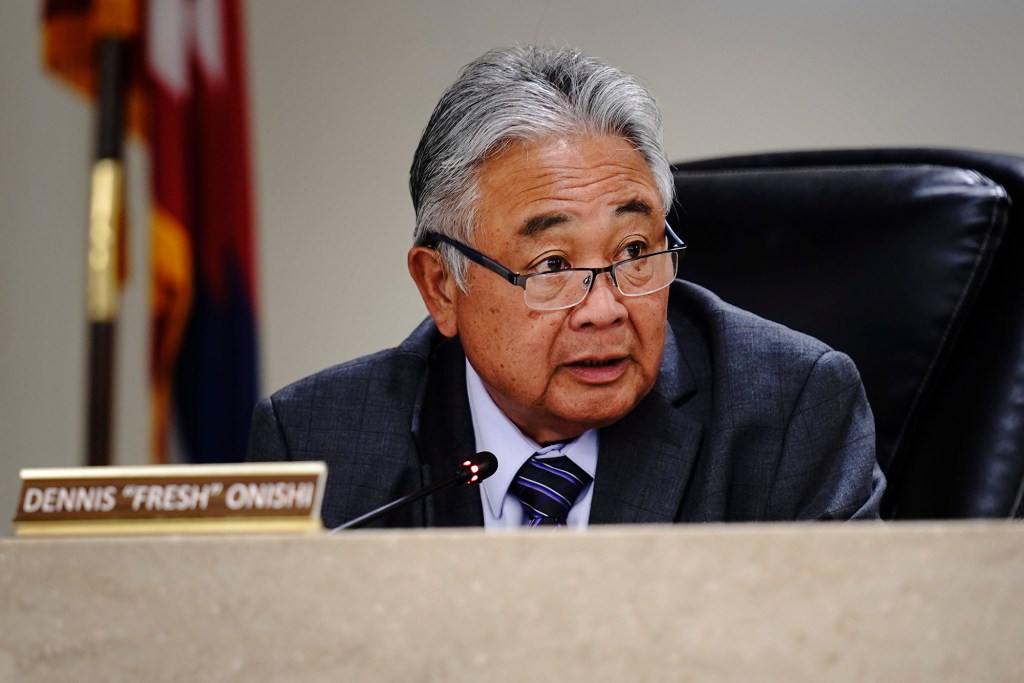
Onishi, who represents Hilo, said in last month’s meeting that the impact report the council got about the Homeless and Housing Fund last year raised questions he wants to audit to answer.
The annual impact report is produced by the Office of Housing and Community Development. It details the services organizations use the fund for and how many people used them. Onishi said the report wasn’t clear enough and didn’t provide the metrics used to determine if a program was successful.
“It’s all taxpayers’ money, and I know it’s on the higher end of these residents, but…we have other expenses that we looking at,” he said. For example, he said, it could instead go toward the wastewater system, which has a multi-million dollar shortfall.
Maxine Pacheco, who works in the county auditor’s office, said the council should expect the audit by the end of the year.
Puna councilman Kaneali‘i-Kleinfelder was the loudest critic of the fund during the meeting last month. He questioned whether nonprofit organizations should find a way to become self-sustaining and eliminate the need for funding.
“I haven’t seen the problem get better, and that’s what I expected these funds to do,” he said. “That’s where I start asking questions, and that’s where I get fussy.”

Other council members pushed back against Onishi and Kaneali‘i-Kleinfelder, saying Bill 192 would give organizations more time to find funding elsewhere and wind down operations should the fund end.
“We’re kind of in a place now where we need to extend it in order to make sure we don’t leave anybody in a really dire situation,” Kimball said. “Which I think could happen if we sunset it immediately.”
County Housing Administrator Kehaulani Costa said the fund is also helping improve the services that the organizations provide. Since the fund started, organizations that receive the money get together four times a year to talk about their programs.
“We were able to see how that ʻupena, how that net is connected, where it’s tied together, where the pukas are and things are falling through,” Costa told the council. “We’ll continue to evolve because that is already what’s occurring.”
Harmeling said the audit and concerns from the council and public are helping his organization learn, too. It inspired him to want to connect with the community more and show how the fund has benefited them.
“We’re putting in the work, but a part of our job is also letting our community know,” he said. “We have to understand that responsibility – that even when the community doesn’t ask, we have to tell them.”