

And so the race is set. With Hillary Clinton’s emergence over the past 36 hours as the presumptive nominee of the Democratic Party, both of America’s major political organizaitons have now selected who will represent them in the general election exactly five months from today.
While Clinton — the first woman to earn the nomination of a major American political party — ran pole to pole as the clear favorite to win the Democratic nomination, Bernie Sanders gave her a much stronger run down the field than anyone expected. On the Republican side, Donald Trump shockingly laid waste to an extensive, experienced field, far more emphatically than anyone imagined.
While both Clinton and Trump now largely have access to the organizational, financial and demographic support their parties provide, they aren’t alone as legitimate contenders. Former New Mexico Gov. Gary Johnson and former Massachusetts Gov. William Weld have teamed up as the presidential and vice presidential nominees, respectively, for the Libertarian Party. They are drawing stronger-than-expected support in early national polls, where the ticket is pulling 5 percent to 11 percent.
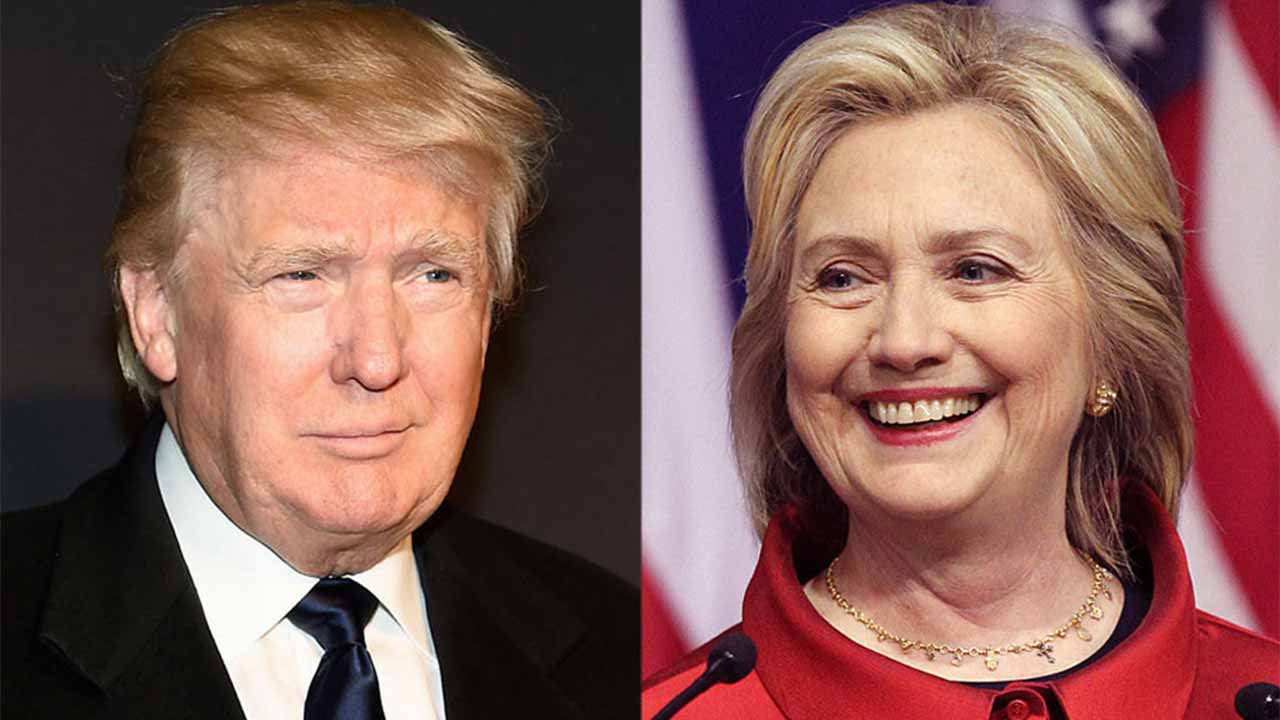
Whether Democratic, Republican, Libertarian or of some other party affiliation, all of the candidates will be working feverishly to earn voter support in the coming weeks and months. Which means voters have a significant responsibility here, too: to seriously evaluate the choices for November in a way that allows them to honestly answer the most fundamental and important question of the election season:
Who represents the best choice to lead America?
How each voter makes that determination is up to him and her. But we’re reminded, as we are every four years, of the increasingly monumental stakes behind that choice.
Americans like to think of themselves as different than (if not superior to) the people of other nations. While that idea is highly debatable, there is no doubt that America itself continues to play a singular role on the world stage and to enjoy the benefits — and shoulder the responsibilities — of being the leading world power.
As Hawaii voters join their peers nationwide in selecting the leader this fall who more than any other elected official will exercise that considerable authority, we should take more than a passing interest in making the best choice possible. Our collective kuleana — or responsibility — in this extends not just to our own state’s interests or to our nation’s interests, but to the world community America leads.
We offer the following suggestions as tools for assessing the quality of each candidate as you consider your choices over the next five months.
Experience. How has the candidate earned a living — not just recently, but throughout her/his career? What prior leadership positions has the candidate held, both in government and in the private sector? Does the candidate’s professional history offer demonstrable proof of adequate preparation not just to hold the highest position in American government, but to bring significant added value to that office?
Voters have a significant responsibility — to seriously evaluate the choices in a way that allows them to honestly answer the most fundamental question of the election season: Who in the field represents the best choice to lead America?
What values does that experience and that candidate’s actions lead you to believe he/she stands for? How would they reflect on our country’s reputation, both domestically and abroad?
Policy. Where do the candidate’s positions on policy and laws suggest he/she wants to lead the United States? Do experts in the areas corresponding to those policies and laws validate that approach as credible and likely to be effective, if implemented? Do the candidate’s positions bring fresh, helpful new thinking to priority issues for the United States?
Does the candidate have a history of coalition building to advance legislative and policy goals? What successes in this arena have characterized her/his previous work with government?
Temperament/Demeanor. Are the candidate’s actions and public remarks judicious and measured? Do they seem supported by a sound educational foundation and healthy intellectual curiosity about the world? Is the candidate one who can take in new information and modify positions as the environment and relevant facts change? At a time when government often seems broken, what evidence is there that she/he could broker the sort of honorable compromise that makes Washington work?
How has the candidate conducted himself/herself in public, not just recently, but through the years? Would the daily media spotlight that accompanies the presidency reveal behavior befitting the dignity and gravity of the office? Would the candidate’s temperament help to create opportunities for strong, productive relationships with other world leaders?
For serious voters, such questions might represent only the beginning of a rigorous evaluation. Those who feel strongly compelled might zero in on specific foreign policy positions, points in economic philosophy, statements on human and civil rights, and actions in support of government transparency and accountability.
That’s what democracy in action ought to look like — voters making serious, clear-eyed evaluations of those who put themselves forward as leaders competing to hold the top office in the land. Not casual bystanders of the campaign presented in the breathless, repetitive and frustratingly superficial minute-by-minute “coverage” of the presidential race.
The weeks ahead will provide ample opportunity to make sure we all exercise, with great care and a deep sense of duty, the responsibilities of being part of America’s democracy.
Choose wisely.