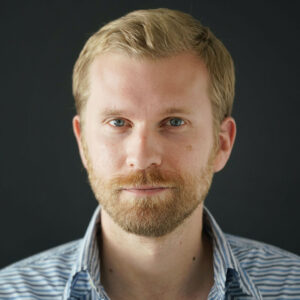
New Air Force Commander At Pearl Harbor-Hickam
Gen. Kenneth Wilsbach takes command of U.S. Pacific Air Forces.
Gen. Kenneth Wilsbach became the commander of the Pacific Air Forces on Wednesday at a ceremony at Joint Base Pearl Harbor-Hickam. Wilsbach is one of the Air Force’s most experienced fighter pilots with 71 combat missions under his belt. He takes on the assignment after coming from Korea where he was the deputy commander of U.S. forces on the peninsula.
He leaves the Korean Peninsula at a time of heightened tensions after North Korean troops blew up the joint liaison office in Kaesong last month. The office was where North and South Korea have held negotiations for the last three years. In the weeks after the destruction of the office, North Korea’s state run Korean Central News Agency announced that nuclear weapons were “the only way” for the North to defend itself.

In Hawaii Wilsbach takes over command from Gen. Charles Brown, who is going to the Pentagon to serve as the Air Force’s first Black chief of staff. Brown spoke out on the killing of George Floyd and his own experiences with racism in a video address to airmen in Hawaii and the Pacific just days before the U.S. Senate confirmed his appointment.
Before taking this assignment Wilsbach had eight prior postings in Asia and the Pacific, including his most recent assignment in Korea. As head of Pacific Air Forces he will oversee approximately 46,000 airmen conducting operations in Hawaii, Guam, Alaska, Japan, Korea and beyond.