

In an era when the U.S. Supreme Court’s controversial Citizens United v. FEC decision has given big businesses carte blanche to throw endless sums of money at U.S. elections, Monday’s SCOTUS rejection of a challenge to Hawaii campaign finance laws was welcome news.
The case involved A-1 A-Lectrician, a Honolulu company that sought to help defeat state Rep. Blake Oshiro in his 2010 bid for re-election. Oshiro wasn’t just any legislator, he was House majority leader, and in that role had played a key part in passage of Hawaii’s civil unions bill that afforded relationship recognition and protection for gay and lesbian couples.
This was three years before Hawaii’s passage of a marriage equality bill, of course, and the politics around recognition of same-sex couples were incendiary. Openly gay himself, Oshiro navigated the legislative process to move the bill toward final passage, winning kudos from LGBT voters and progressives, but angry condemnation from religious conservatives.

Coming from that latter camp, A-1 A-Lectrician CEO Jimmy Yamada and Russell Stewart sauntered into Oshiro’s re-election race with a wad of cash and chips on their shoulders. A-1 A-Lectrician spent $9,000 on print ads warning of “Freedom Under Siege” that proclaimed Oshiro “intent on the destruction of the family.
“We have representatives who do not understand the importance of the values that made our nation great,” one of the ads stated. “The first and most important of those is the family. Representatives such as Blake Oshiro and other representatives are intent on the destruction of the family.”
Problem was, A-1 A-Lectrician didn’t want to comply with Hawaii’s campaign finance laws, which include “extensive reporting” and record keeping among a “panoply of political committee burdens,” according to a lawsuit filed by the company and a group of attorneys known for legal challenges to pro-gay policies and laws.
Any entity that spends $1,000 or more in a Hawaii race must register as a political action committee, or face sanctions from the state Campaign Spending Commission and possibly criminal charges.
A-1 A-Lectrician didn’t want to comply with Hawaii’s campaign finance laws, which include “extensive reporting” and record keeping among a “panoply of political committee burdens,” according to its lawsuit.
The electrician firm challenged those requirements in 2010 and lost, and then lost on appeal to the 9th U.S. Circuit Court of Appeals in May — a case that also affirmed Hawaii’s ban on government contractors, of which A-1 A-Lectrician is one — giving political donations to state and county candidates.
The Supreme Court’s refusal Monday to hear the final appeal closes the door on the firm’s case for good.
In addition to striking a blow in favor of transparency and accountability in Hawaii elections, these decisions carry a measure of poetic justice: A-1 was represented in part by James Bopp, the ultra-conservative Indiana attorney who brought the case in the Citizens United decision, and James Hochberg, former head of Hawaii Family Advocates and a longtime opponent of civil union and marriage equality laws.
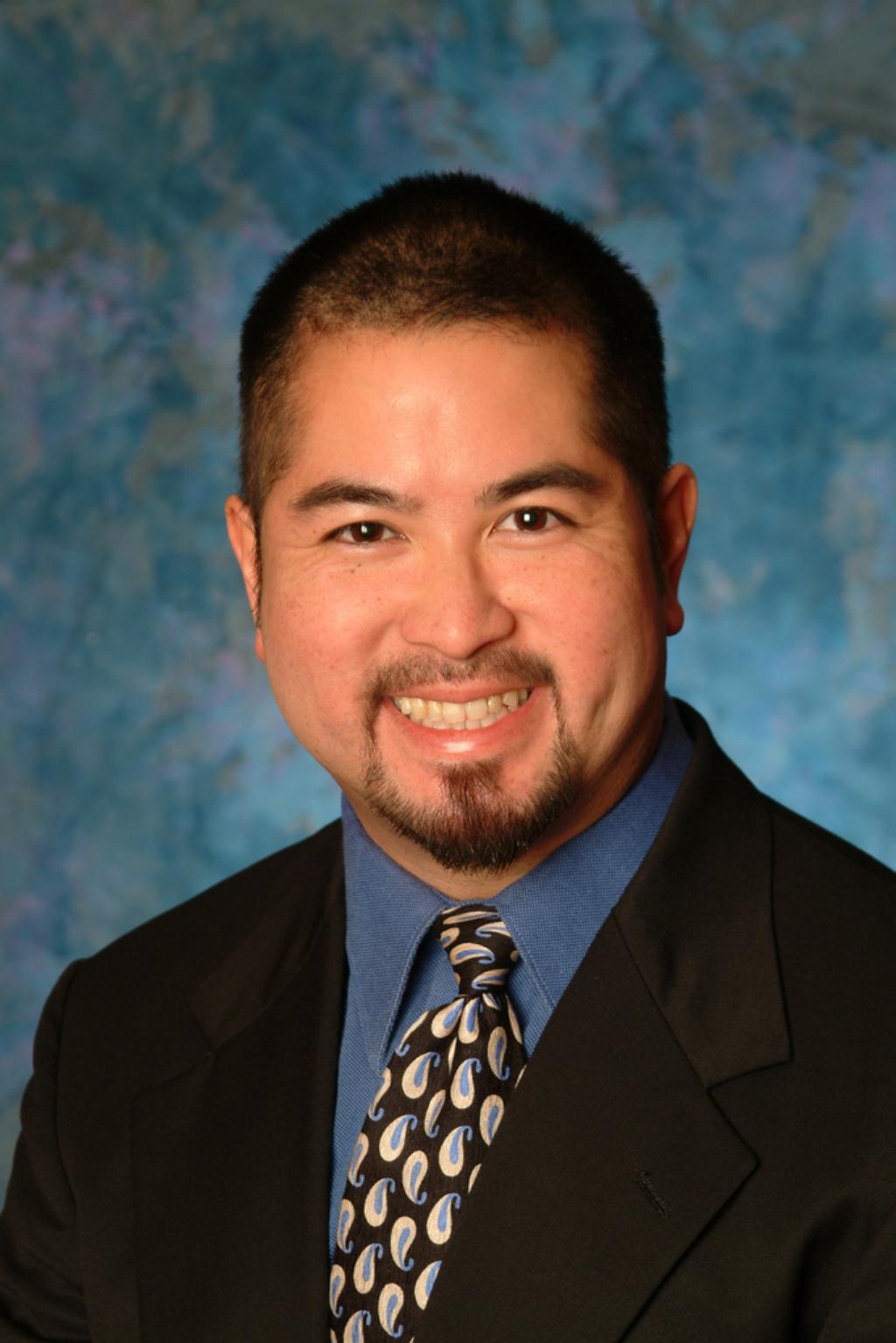
Lost to some in all this history is the fact that Oshiro handily won re-election in 2010 despite the intervention of A-1 A-Lectrician. He left the Legislature the next year to work for Gov. Neil Abercrombie as deputy chief of staff, and when Abercrombie lost his re-election bid last fall, joined Alston, Hunt, Floyd & Ing, one of the state’s leading law firms.
The best revenge, as they say, is living well.
Had A-1 A-Lectrician, Bopp and Hochberg won this case, Hawaii state and local elections might have begun to look a lot like the federal races — spend-a-thons dominated by shadowy organizations and the deep-pocket donors who hide anonymously behind them.
Civil Beat often rails against threats to transparency, openness and accountability around Hawaii elections, public records and public meetings. The recordkeeping, reporting and general accountability required by state campaign finance laws are one area, though, where Hawaii mostly gets it right.
Given its recent track record, SCOTUS might have been expected to rule differently. The court’s prudent rejection of a case with the potential to significantly change our politics for the worse will benefit Hawaii for years to come.