12 Civil Beat Stories That Made A Difference In 2018
From breaking news to months-long investigations, here’s a look at some of our best work this year.
Here at Civil Beat, impact is what drives us, and our ultimate goal is to make Hawaii a better place to live.
Major change doesn’t happen overnight, but after eight years in the Aloha State, we’re making progress. The close of 2018 seems like a good time to reflect on some of our recent stories that made national headlines, held the powerful accountable and, most importantly, impacted Hawaii.
They’re worth a second look.
We couldn’t have accomplished so much this year without readers’ help. Nearly 3,000 Civil Beat donors now support our nonprofit newsroom with their contributions. What follows is evidence that these donations are making a difference.
Don’t see your favorite story of the year on this list? Post the headline in the comments at the bottom of the article.
1. Are We Ready?
This special project dove deep into Hawaii’s preparedness for natural disasters. It was published in the wake of Hurricane Lane which, had it not mostly dissipated before reaching Oahu, could have been a catastrophic event.
In “Are We Ready?” reporter Marcel Honore explored the worst-case scenarios for Hawaii, and what’s being done to prepare for them.
2. Suicide Attempt Or Hate Crime? A Family Searches For An Elusive Truth
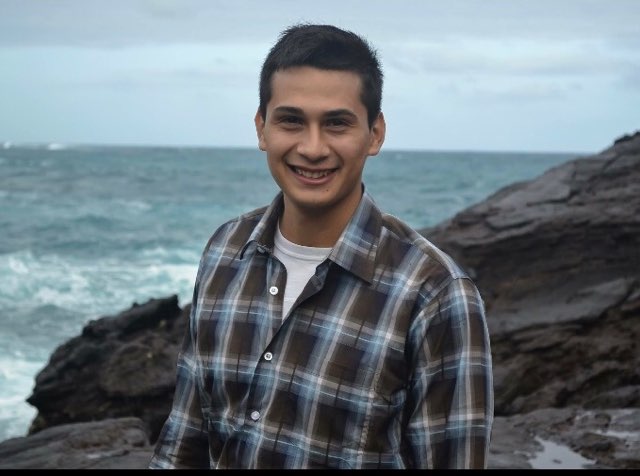
Aaron Salazar boarded an Amtrak train bound for Portland in May, but never made it to his destination. Instead, he was found unconscious alongside railroad tracks in California. Police said that Salazar jumped off the train in an attempted suicide. Salazar’s family said there’s no way he would have done that — they suspect he was the target of a hate crime because he is gay. And Salazar himself, who recently regained his ability to speak, says he didn’t jump.
Reporter Brittany Lyte interviewed investigators, Amtrak officials and Salazar’s family about the mystery. Four days after the story was published, the FBI stepped into the investigation.
3. This Remote Hawaiian Island Just Vanished
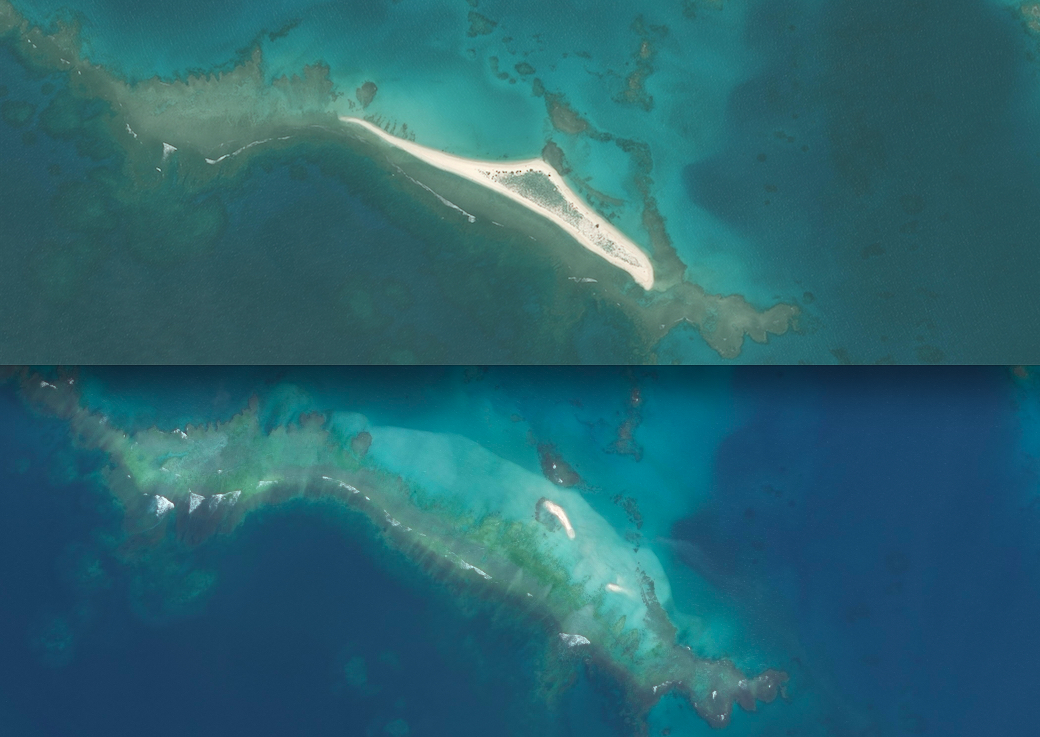
When a hurricane plowed through the Northwestern Hawaiian Islands, tiny East Island was washed away. Drone photos obtained by Civil Beat revealed the shocking extent of the damage. The story was picked up by dozens of national media outlets.
Just after the story broke, we published “The Shark Chasers” a multimedia project that explained how vital a habitat East Island was for animals like tiger sharks, green sea turtles and albatross.
4. Hawaii Supreme Court Overturns 30 Years Of Government Secrecy

Civil Beat secured a major victory for government transparency just last week when the Hawaii Supreme Court issued a ruling that overturned the strategy behind 30 years of government secrecy.
The case stemmed from a public records request that reporter Nick Grube filed in 2015 to gain access to city budget documents. Civil Beat mounted a legal challenge when Honolulu rejected our information request and the denial was upheld by the state Office of Information Practices.
The high court invalidated the most common excuse government agencies have used for decades to deny access to public records: that they were subject to the “deliberative process privilege.”
It’s a big win for journalism in Hawaii, but a bigger win for the public.
5. Offshore Podcast Season 3: ‘The Blood Calls’

In season 3 of the Offshore podcast, our team followed a young man on the journey of a lifetime. Adopted as a baby from the Marshall Islands, London Lewis found himself wondering about his birthplace and his birth family.
Civil Beat reporters helped Lewis connect the dots, bringing him closer to finding answers with each episode.
6. Black Market Babies
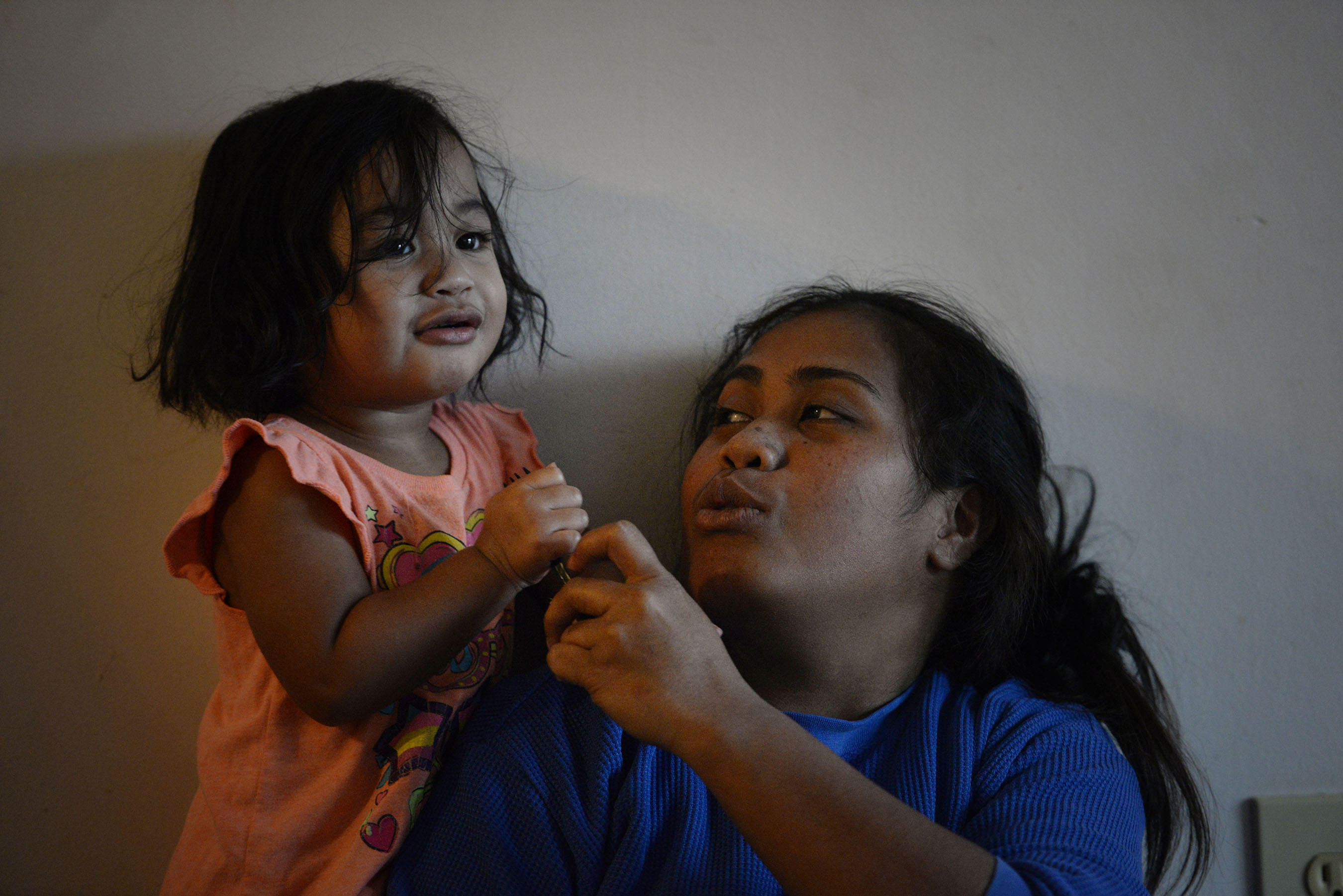
This special investigation into an illegal Marshallese adoption pipeline was sparked by information uncovered during reporting for the Offshore podcast.
Investigations editor John Hill and audio reporter Emily Dugdale teamed up for dozens of interviews with birth mothers, lawyers and adoptive parents and spent months digging into their stories.
7. Female Athletes Get The Short End Of The Stick At Some Hawaii Schools

Education reporter Suevon Lee’s story on how female athletes are treated in some Hawaii schools in comparison to their male counterparts was the impetus for change in our public school system.
After her story published, ACLU Hawaii filed a federal class action lawsuit against the Hawaii Department of Education over the gender inequity Lee uncovered.
8. #BeingMicronesian In Hawaii Means Lots Of Online Hate
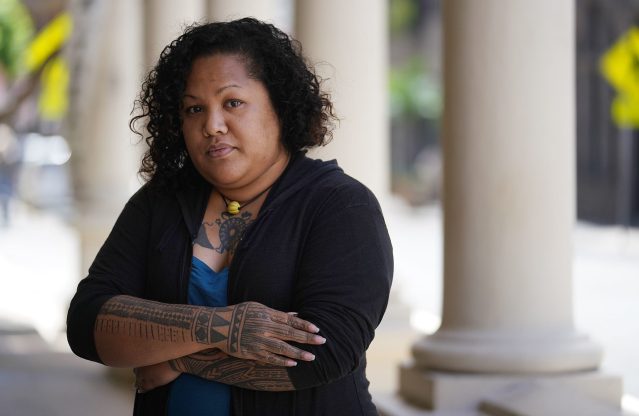
After seeing Micronesian people on social media sharing their personal stories of discrimination and racism using the hashtag #BeingMicronesian, reporter Anita Hofschneider looked into Hawaii’s often-overlooked racial tension.
Hofschneider was born and raised on the Micronesian island of Saipan, and her personal connection brought depth to the piece. Following the original story, which was widely read and shared, Hofschneider penned a powerful “Behind The Story” article explaining why she felt it was important.
9. Natural Disasters
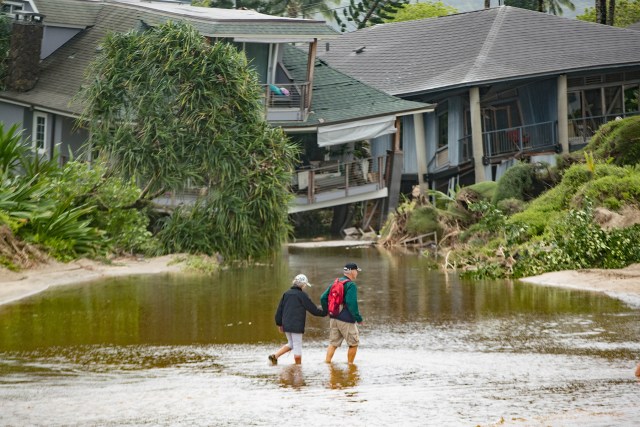
In-depth reporting may be our bread and butter, but Civil Beat reporters have breaking news chops as well.
This year, we provided extensive coverage of the flooding on Kauai, the Kilauea eruption and Hurricane Lane, including live blogs, social media coverage and live videos.
10. #MeToo
The #MeToo movement has sparked a national conversation about sexual harassment. In Hawaii, women came forward to tell Civil Beat their stories of alleged sexual harassment by powerful public officials, including the late Sen. Dan Inouye and former Hawaii House Speaker Joe Souki.
11. Elections 2018

Our 2018 primary and general election coverage included candidate Q&A’s from every candidate in the state who responded to our invitation to answer questions. In the final days before the primary and general elections, readers flocked to the Q&A’s and our elections guide before casting their ballots.
We also provided nonpartisan analysis of major and minor races, hosted in-person events and launched a new video series, Hawaii Civics 101, to make learning about Hawaii’s wonky politics a little easier.
12. A Family Struggles To Understand The Death Of Their Homeless Son

Bryan McKay Moorefield lived and died on the streets of Waikiki. Homeless for about a decade, he had a seemingly carefree existence, but was searching for a new way of life at the time of his death.
Reporter Brittany Lyte shined a light on one member of a community often overlooked in Hawaii.