

Honolulu Burger Joint And Meat Company Are Beefing Over This Trademark
Haleiwa’s decades-old Kua Aina burger spot is suing upstart Honolulu Meat Co. over the latter’s use of the name Kua Aina on burger patties and other meat products.
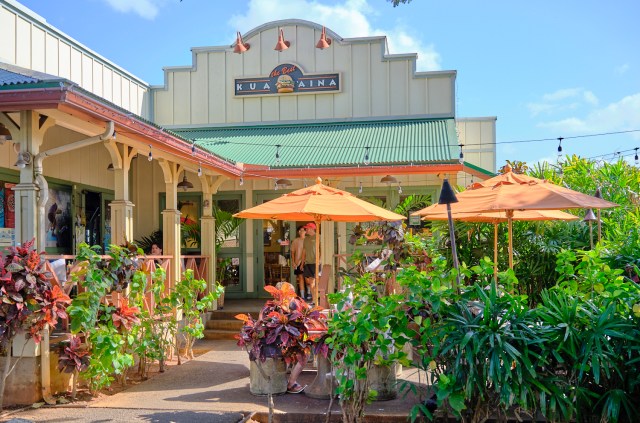
In the latest dispute involving the designation of the origin of Hawaii food products, a 47-year-old internationally known North Shore hamburger joint that’s spun off locations in Tokyo, London and Taipei has sued an upstart meat producer that’s using the restaurant’s trademarked name to sell hamburger meat and other products.
Kua Aina Sandwich Corp. filed its federal complaint against Honolulu Meat Co. on Tuesday, alleging that Honolulu Meat Co.’s use of the name Kua Aina on products like hamburger patties misleads consumers into believing the burgers are related to the North Shore eatery, which has owned the trademark Kua Aina for restaurant services since 1975.
Kua Aina’s attorney, Jim Bickerton, said Honolulu Meat Co., which incorporated in Hawaii in 2021, is “taking advantage of a well-established local name” to sell its meat products under the name Kua Aina Ranch. Now, Bickerton said, other restaurants that have nothing to do with the Haleiwa eatery are selling what they’re calling “Kua Aina” burgers made with Honolulu Meat Co. beef, causing further confusion in the marketplace.
“Consumers are likely to purchase and/or have purchased Defendant’s ground beef and other beef products based upon the mistaken belief that Defendant’s KUA ’AINA-branded products originate from, or are affiliated with or sponsored or endorsed by, Plaintiff,” the complaint says.
According to the U.S. Patent and Trademark Office, a trademark or trade name’s strength typically falls on a continuum, with some easier to register and enforce than others. For example, it might be hard to register a name like “Creamy Yogurt” since the name merely describes yogurt, the office says in a fact sheet on what constitutes an acceptable mark. Stronger marks are those considered arbitrary, like Apple for computers, or fanciful, such as made up words like Xerox for copying machines.
In the case of Kua Aina, the term translates as “country bumpkin” or “country hick,” Bickerton said, which places it on the arbitrary end of the spectrum.
“This isn’t like two companies calling their product Honolulu Water Company,” Bickerton said during a press conference announcing the suit.
Honolulu Meat Co.’s attorney, Paul Alston, was not available for comment.
The complaint asks the court to enjoin Honolulu Meat Co. from using the name Kua Aina to market its meat products and for damages and attorney fees.
As a trademark suit, the Kua Aina case differs from other recent matters concerning products like coffee, macadamia nuts and milk. But all focus on the same overarching issue: whether Hawaii products have been accurately labeled to show their origin.
A 2021 lawsuit against milk producer Meadow Gold, for instance, claims the company misleads the public into believing milk from the mainland was produced in Hawaii. In November, the Macadamia Growers of Hawaii launched an ad campaign urging the public to inspect packing to make sure nuts labeled as Hawaiian were grown in Hawaii.

