Candidates To Replace Calvin Say On The Honolulu City Council Offer Contrasting Approaches
A policy-minded newcomer and a restaurant owner face a longtime state legislator.
When council member Calvin Say retires next year, his successor will be tasked with representing much of urban Honolulu and its neighboring valleys.
It’s a big job. Council District 5 stretches from Kaimuki to Kakaako, including such diverse neighborhoods as Palolo, Manoa, Moiliili, Ala Moana and Makiki.
Three candidates are running — House Rep. Scott Nishimoto, nonprofit consultant Brendan Schultz and restaurant owner Bill Muneno — and they have different ideas of what a council member’s job should be.
While Schultz focused on policy proposals like investing more money in buses and changing the property tax structure, Nishimoto said he wants to help residents navigate municipal bureaucracy. Meanwhile, Muneno portrayed himself as a facilitator for figuring out solutions to the city’s difficult problems.
The Policy-Minded Newcomer
Schultz was born at Tripler Army Medical Center in Honolulu. His mother was a psychiatrist in the U.S. Navy, and he remembers being exposed to questions of war and peace when he was a kid and she got deployed to Iraq.
“I sort of had my political awakening at quite a young age,” he said.
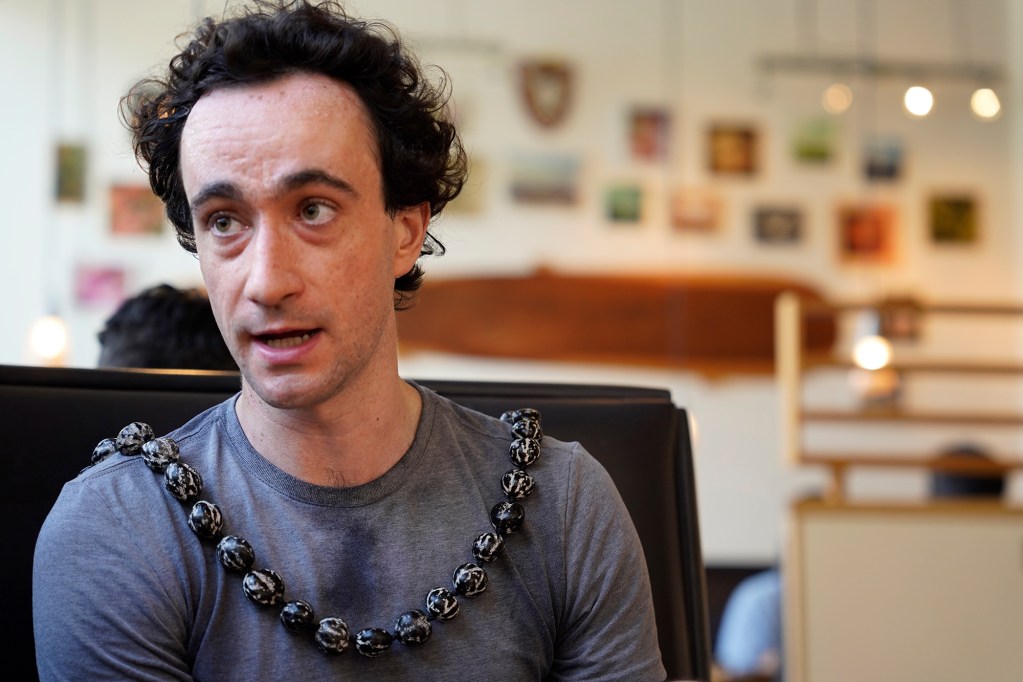
That led to spending his senior year of high school in Macedonia through a U.S. State Department program and earning a customized degree from Pitzer College in politics, philosophy and sociology.
Out of frustration with the Red Hill water crisis, he ran for the U.S. House of Representatives.
“I felt our federal government had failed us in a very tangible way — in a very obvious way,” he said.
Schultz received 4.8% of the votes during the 2022 primary election and came in fourth of six candidates. He said that he didn’t expect to win.
But this campaign is different. High housing costs and a lack of safe streets inspired his run for Honolulu City Council, and he said that he sees a path to victory.
It’s an uphill battle. To combat a longtime legislator with name recognition, Schultz focuses heavily on policy proposals.
He’s concerned about investors buying up property, and thinks that one big reason they do it is because of the city’s low property tax rate.
“Hawaii has become the cheapest hedge fund in the entire world,” he said.
Schultz wants to tax investment properties at a much higher rate, which he thinks would bring a lot more money to the city and allow everyone else’s property tax rates to go down. That extra money, he said, could also be used to fund things like affordable housing and better transportation networks.
Tax credits can encourage developers to build more densely in the urban core where infrastructure is already present, rather than in places like Manoa or Palolo.
“We have a lot of places in the urban core — you look at places like Moiliili — that would be amazing, walkable, phenomenal neighborhoods for working class families to live in,” he said.

“As far as public transportation infrastructure and where we’re putting our money, it seems obvious to increase the number — the frequency — of buses,” he said. “We have a very good route network. A lot of times, those buses come like once per hour, though. And if you need to get somewhere quicker, that’s not going to help you.”
He also wants to prioritize pedestrian safety through lower speed limits and raised crosswalks similar to speed bumps, with fewer parking spots close to them so that drivers can more easily spot when somebody is about to cross.
Schultz credits these policies to Hoboken, New Jersey, a city of 60,000 people which for the past seven years has boasted zero traffic fatalities.
The Community Advocate
Nishimoto avoided going into specifics on policy, saying that he needed to fully immerse in the job before solidifying his positions.
State lawmakers granted the counties the power to phase out short-term rentals during this year’s legislative session, with Nishimoto voting in favor. But he wasn’t sure whether he would take advantage of the new law as council member.
“It really depends on the neighborhood. Certain neighborhoods it may make sense, and certain ones it just is not in tune with what the community wants,” he said.
He also declined to get into details when asked how he would shift resources in the budget.
“I think it’s presumptuous to think you understand the budget when you’re not there,” Nishimoto said, citing his intimate experience with the state budget as the House’s lead on capital improvement projects.
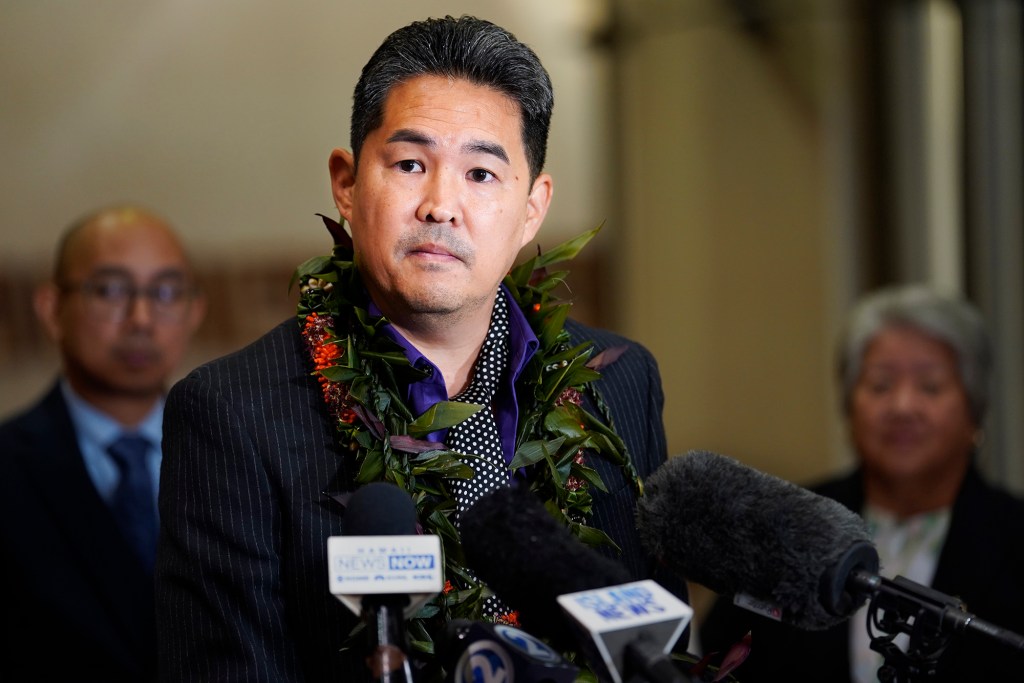
On improving road safety, he pointed to a bill that the governor signed in response to high school student Sara Yara’s death last year while she was crossing Kapiolani Boulevard. A driver with multiple prior offenses allegedly killed her in a hit-and-run, and House Bill 2526, introduced by Speaker Scott Saiki and co-sponsored by Nishimoto, increases the penalties for unauthorized driving of a vehicle.
Regarding homelessness, a recent U.S. Supreme Court ruling gives Honolulu more leeway to expand its law against sitting and lying on sidewalks in business areas, which Nishimoto supports.
“I feel like it’s more inhumane to keep them out there, and that everything that we can do to try to get them help and into shelters we should do,” he said. Shelter space is very limited, though, and both Nishimoto and Schultz support expanding the number of beds available.
Nishimoto and Schultz have differing philosophies of what it means to be an elected official, University of Hawaii associate professor Colin Moore said.
“My sense is that Nishimoto is closer to the advocate for the community side as opposed to the big policy questions side. And one is not better or more legitimate than the other,” he said.
Their websites illustrate the contrast.
Schultz lists specific ideas: increasing property tax rates to 2.5% for empty homes and 1.0% for homes being rented out or a city-wide speed limit of 20 mph.
Nishimoto establishes his family roots by recounting the experiences of his great grandparents, and he highlights his status as a community advocate who delivered infrastructure to schools through his House position.
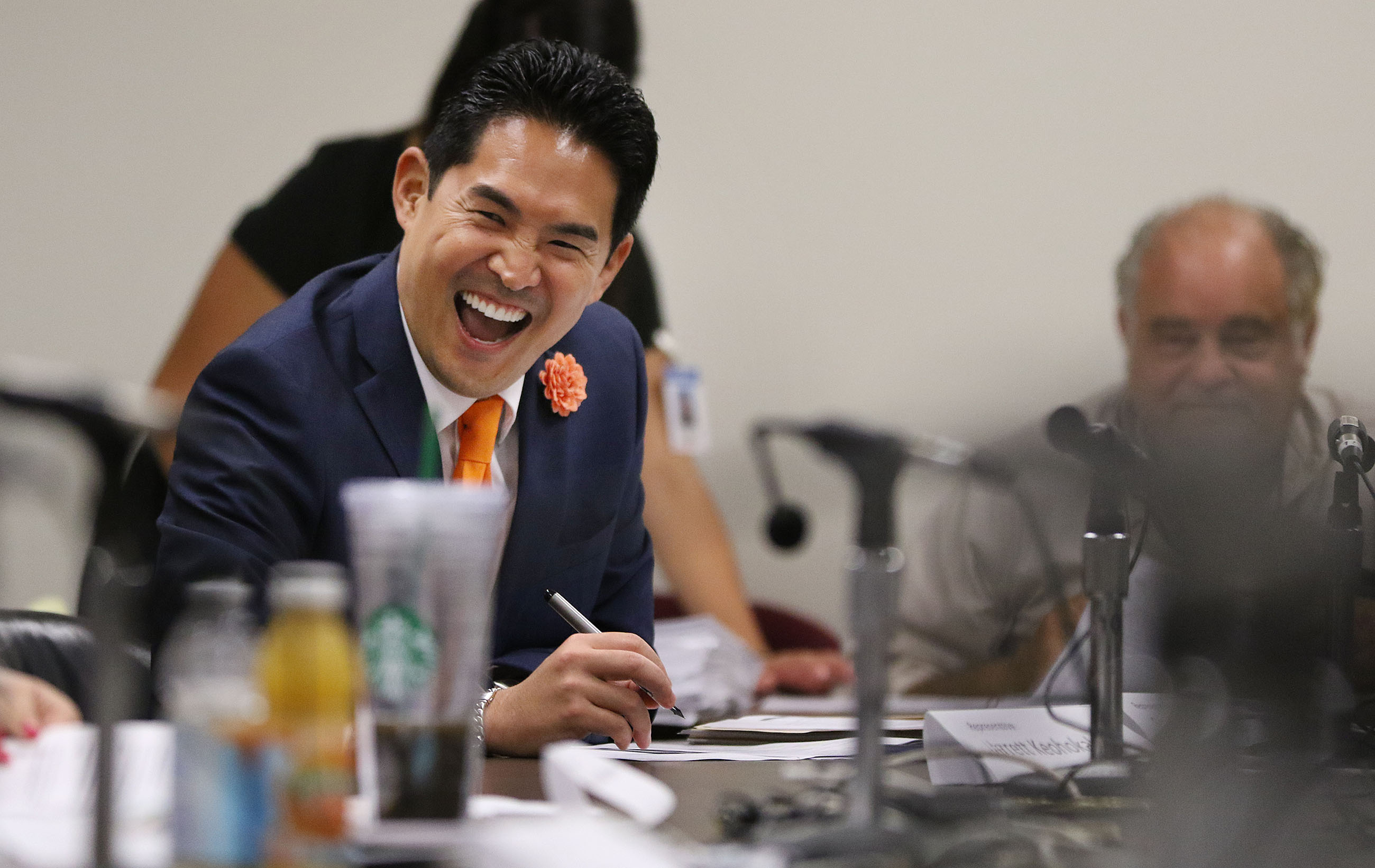
Electoral dynamics play a part, too. Nishimoto has a clear advantage in the race with over 20 years of visibility in the Legislature and a campaign fund that reported having about $155,000 at the end of 2023. His opponents have not been required to file their own campaign finance reports yet, but all three will have to file by the next deadline of July 11.
“If you’re the favorite to win, it’s smart politics to be vague on exactly what specific policies you would embrace,” Moore said.
Nishimoto instead emphasizes his focus on constituent services like dealing with missing street signage and helping people navigate the unemployment system.
“I pride myself on being accessible and responsive to constituents. It’s really what I’ve built my career in public service around. And that’s always going to be my priority,” he said.
He said that constituent calls to his office have recently been more about city issues than state. That helped influence his decision to run for the council, along with wanting a change of pace after so long in his current role.
While he currently wields power handling capital improvements on the House budget committee, if he wins, he would be one of nine council members rather than one of 76 legislators. He would also receive a much larger salary.
The Restaurant Owner
Muneno, the third candidate for the office, sees himself as a facilitator.
The owner of restaurant Growler Hawaii on Kapahulu Street, Muneno lacks the political background that his opponents have. He sees problems in his district: homelessness, parking, building permits, aging sewer systems.
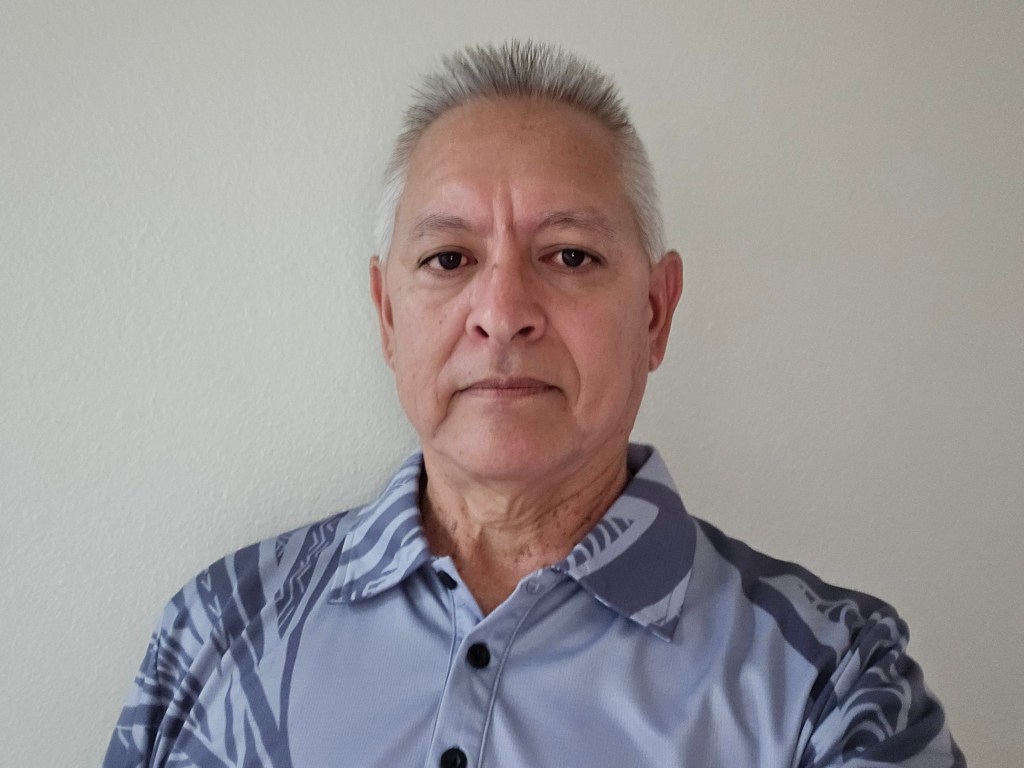
After grumbling for years to friends about the government’s slowness to fix and build things, he decided that it was time to run for office.
“I can’t say I have all the answers now, but I know there are people within the system with the knowledge and the intelligence to help find solutions,” he said.
He doesn’t have a website yet. So far, he’s not sure that he has enough content to fill one up. But he said that he and his family are working to make a campaign flyer that he intends to email and text to “anybody and everybody I know.”