

Miske Case: Prosecutors Agree To Negotiate Settlement Over Asset Forfeiture
The deal to settle over millions of dollars in assets is an indication that the government is seeking to avoid another long, complex and expensive trial in the case.
Federal prosecutors have agreed to work toward a negotiated settlement of the government’s civil forfeiture lawsuit targeting 27 properties held in Michael Miske’s name at the time of his death in December.
The deal between prosecutors and the San Francisco-based attorney representing the trust Miske established to hold title to his assets in the event of his disability or death is the first explicit indication the government is willing to cut a deal to avoid another long, complex and expensive trial in the case.
The disclosure came in a joint six-page stipulation asking for a five-month delay in the forfeiture proceedings to allow time necessary to prepare for and initiate settlement talks. The stipulation was filed in Honolulu’s U.S. District Court on Monday, and quickly approved by Magistrate Judge Kenneth Mansfield the same day.
“Counsel for Plaintiff and for the Miske Trust have been in frequent contact about various issues in the case, and said parties wish to, and are in the process of, pursuing a stipulated resolution of this action that avoids formal discovery, contested motions, and court intervention,” according to the court filing.

“However, in order to proceed further in that process, the parties require additional time,” according to the agreement. “Specifically, counsel for the Miske Trust needs adequate time to more fully acquire and digest the underlying facts of a case of this breadth, as to all of the individual defendant properties, before being in a position to meaningfully and productively pursue settlement in earnest.”
Those signing off on the statement include Edward Burch, representing Miske’s revocable living trust; attorneys representing three lenders holding recorded mortgages on Miske properties; and several lawyers from the U.S. Attorney’s Office in Honolulu who are handling the Miske forfeiture case.
Joining them is Stephanie Williamson, a trial attorney with the Department of Justice Money Laundering and Asset Recovery Section, Criminal Division in DOJ headquarters in Washington, D.C., an indication of the importance of the case to the government.
Miske faced trial alone last year after all 12 of his original co-defendants pleaded guilty. At least eight others also entered guilty pleas after being charged separately.
After a trial lasting almost six months, Miske was convicted on 13 counts including racketeering conspiracy, murder, kidnapping and assualt. The same federal jury then decided in favor of the government’s asset forfeiture. However, the entire case, from the indictment to the convictions and forfeiture order, was vacated after he was found dead in his cell a month before his scheduled sentencing.
Special Report
 Read all of Civil Beat’s coverage on the Michael Miske case. Subscribe to our free Morning Beat newsletter to never miss an update.
The government filed its civil forfeiture lawsuit in January. Burch filed a claim on behalf of the Miske Trust opposing the government’s forfeiture action, as did three lenders. The government followed with an amended and updated complaint in early May.
A hearing had been scheduled for June 26, but it will be held at a later date as a result of the stipulated delay.
Miske’s properties have previously been estimated to be worth between $13 million and $28 million. This includes $4,274,497 in cash and checks, real estate appraised for tax purposes at $8.8 million, several vintage cars with an estimated value of $400,000, a 2017 Ferrari F12 Berlinetta purchased on May 30, 2020, for $219,000, and some miscellaneous works of art.
By far the most valuable asset is an 8,206-square-foot luxury home boasting five bedrooms and seven bathrooms on a lot overlooking the ocean on Lumahai Street in Portlock.
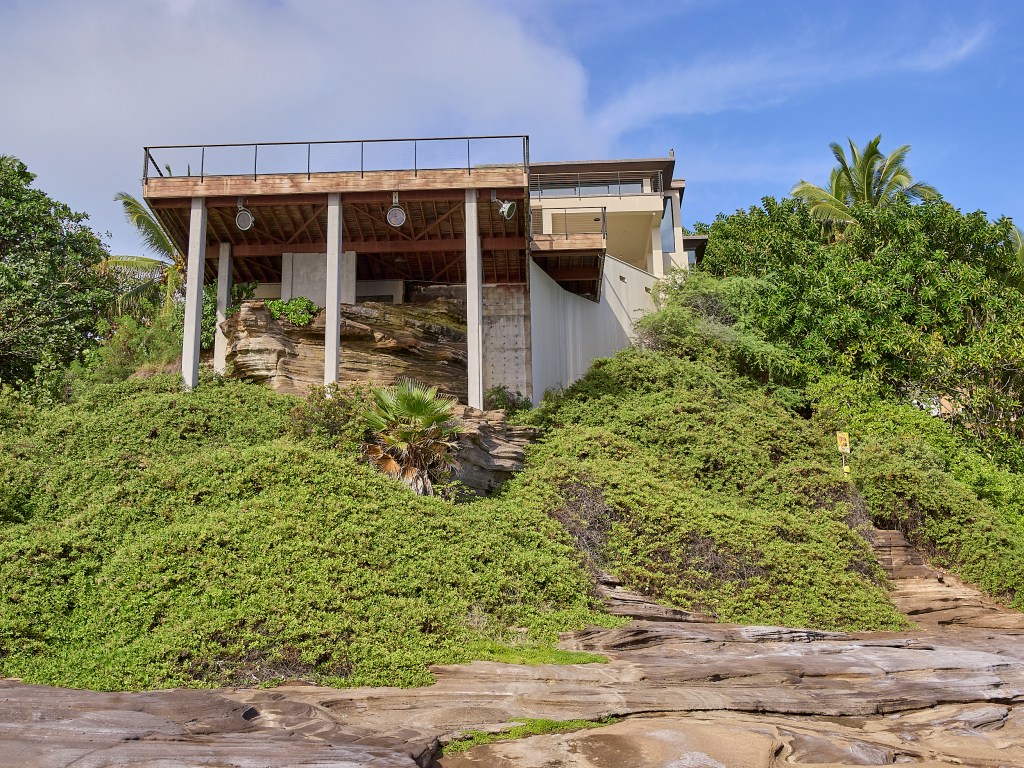
The agreement to try to settle the case appears to mean that an as-yet undetermined portion of the assets will be returned to Miske’s trust and its sole beneficiary, Miske’s granddaughter, identified in the court file only by her initials “N.M.” because she is a minor.
She is the daughter of Miske’s late son, Caleb, and his wife, Delia Fabro Miske, who was one of Mike Miske’s co-defendants in the racketeering case and was sentenced earlier this year to seven years in federal prison.
Miske had earmarked $200,000 from his trust to be set aside for his half-brother, John Stancil. However, in a last set of amendments to the trust written less than three months before his death, Miske directed that the payment to Stancil should only be made if his property were returned to the trust “in full.” A settlement between the government and the trust would preclude a “full” return of properties and scuttle the Stancil payment.
The trust made no provision for his mother or any other family member, although earlier versions of the trust had provided payments to a daughter several years younger than Caleb Miske. This provision was deleted in a 2016 rewrite of the trust.
Monday’s court filing also disclosed that the parties have agreed to explore the sale of “multiple non-currency … properties in an effort to preserve their respective values.”
Court rules allow such sales when property is subject to “deterioration, decay, or injury” while the case proceeds, if the expense of upkeep is excessive, or the properties are in default for failure to stay current in mortgage payments or taxes.
Although Honolulu property tax records show both Miske’s Portlock home and a residence in Kailua’s Enchanted Lake neighborhood are current on their tax payments through 2024, there are precedents in the case for selling off certain assets to protect their value.
Prior to Miske’s criminal trial, the court approved the sale of the fishing vessel Rachel and a Hawaiʻi Kai home because they were both deteriorating and in danger of losing value. The cash proceeds of those sales are among the properties the government is seeking to seize.
Similarly, the remaining real estate as well as other assets, such as vintage cars, the 2017 Ferrari and the Boston Whaler “Painkiller,” would appear similarly subject to deterioration or decay while in long-term government storage.
Miske himself envisioned selling the Portlock home in the event of his death. In his last set of changes to the trust, he directed that the property be sold “for fair market value by a qualified Realtor with experience in marketing and negotiating high-end property.”

