Kauaʻi Man Died On His Birthday After Airport Staff Encounter
In a lawsuit, the homeless man’s mother says her son was beaten to death.
On his 53rd birthday, Harley Morris arrived at Līhuʻe Airport in the early morning dark before the airline check-in counters and security checkpoints had opened. Morris wasn’t flying anywhere that day. He wanted to charge his cell phone. Newly homeless after his landlord raised the rent, he went to the departures lobby to find an outlet so he could coordinate plans for his annual birthday breakfast at Lilikoʻi Bar and Grill with his mom and two sisters.
The breakfast never happened.
Morris was detained by airport law enforcement officers, along with an airline employee, who called Kauaʻi police for backup with a disorderly man in the ticketing lobby. When police officers arrived on the scene about 4:30 a.m. on Feb. 26, they found Morris unresponsive on the road between the terminal and the public parking lot.
Police tried to resuscitate him. They also administered a dose of Narcan, an opioid antidote used to reverse an overdose. An ambulance transported Morris to Wilcox Medical Center, where he was pronounced dead. An autopsy would later reveal there were no opiates in his system, the family said.
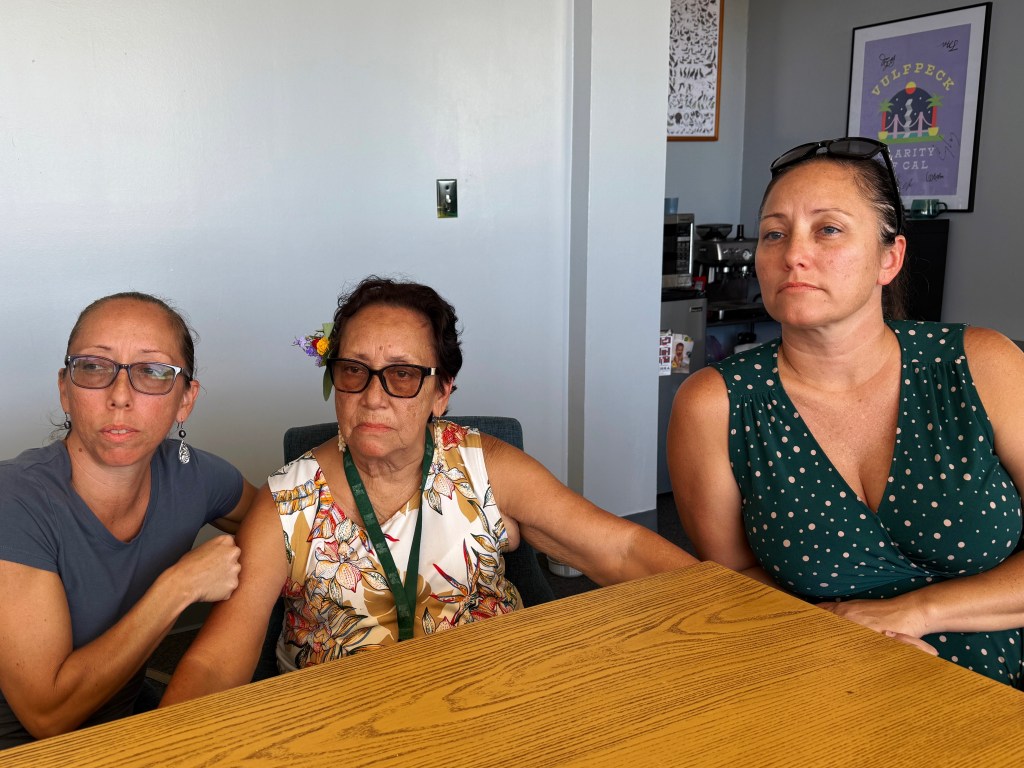
About the same time they would have been celebrating Morris’ birthday over eggs and lilikoʻi cheese danishes, Morris’ family — struggling to understand why he wasn’t responding to their phone calls and text messages — learned of Morris’ fate. Police detectives knocked on the door of the Līhuʻe residence of Morris’ 76-year-old mother Mary Bryan to deliver the grim news.
Last week, Morris’ mother filed a lawsuit alleging that her son was beaten to death. By the time police arrived on the scene, the lawsuit claims, it was too late: Airport security guards were found sitting on top of her son’s corpse.
“It’s a wrongful death, I’m sorry,” Bryan said. “I wish that he was here but he’s not so we have to speak up for him.”
The lawsuit names as defendants Barry DeBlake, an airport security guard, and Allied Universal Security Services, the company that hires security personnel to staff the airport.
DeBlake is a former Kauaʻi police officer who was fired in May 2024 after 23 years with the department for harassment and creating a hostile work environment by engaging in unwanted physical contact with a subordinate officer. In 2020, DeBlake was arrested for domestic violence of a household member at his Līhuʻe residence. The incident, which left a 29-year-old woman injured, occurred while DeBlake was on duty. Court records associated with the case are sealed.
The lawsuit claims Allied Universal’s decision to hire DeBlake despite a history of misconduct as a Kauaʻi police officer shows a “deliberate disregard for the foreseeable risks.”
A spokesperson for Allied Universal Security Services declined to comment on the lawsuit. DeBlake could not be reached for comment.
Bryan’s attorney, Matthew Mannisto, said he is working to uncover the identities of two unnamed defendants — a second airport security guard and an airline employee. Both, he said, are believed to have witnessed or participated in the events that led to Morris’ death.
The Hawaiʻi Department of Law Enforcement is investigating the death because it occurred at the state-run airport.
The injuries Morris suffered during the airport altercation, according to the lawsuit, include head lacerations, multiple wounds associated with head trauma and a black eye. The discovery phase is expected to uncover other critical details about how he died.
“I personally can’t be at ease or sleep at night until I know that there’s justice,” said Morris’ younger sister, Grace Crosby, 43.
Family Grieves A Life Cut Short
Morris’ family is struggling to understand how his life came to such a calamitous end. At the time of his death, he was homeless and working sporadic odd jobs. Although he had unchained himself from many of the totems of modern human life, he maintained a tight relationship with his mother and siblings.

His family describes him as an intelligent, nonviolent and caring man who kept company with people from many walks of life. Even when he was struggling himself, he would offer what little he had to help out others, even strangers.
His criminal history tells a different story. Morris’ record is an extensive list of traffic violations and other minor infractions dating to 1991. He served jail time for assault and theft.
“His life was going pretty well for about three or four years beforehand,” said Mannisto, who represented Morris in his most recent criminal case.
A Simple Childhood
For the first 13 years of his life, Morris was the man of his mother’s house, one without electricity near the old reservoir in Kapahi. From a young age he collected eggs from the family’s backyard hens and taught himself to fry and scramble them. He spent his childhood poring over books about history, war and foreign languages. From books, he learned to speak Japanese and Hawaiian. He read the Bible twice. When his sisters were born, his mother said he assumed some of the household chores while she juggled two or three jobs.
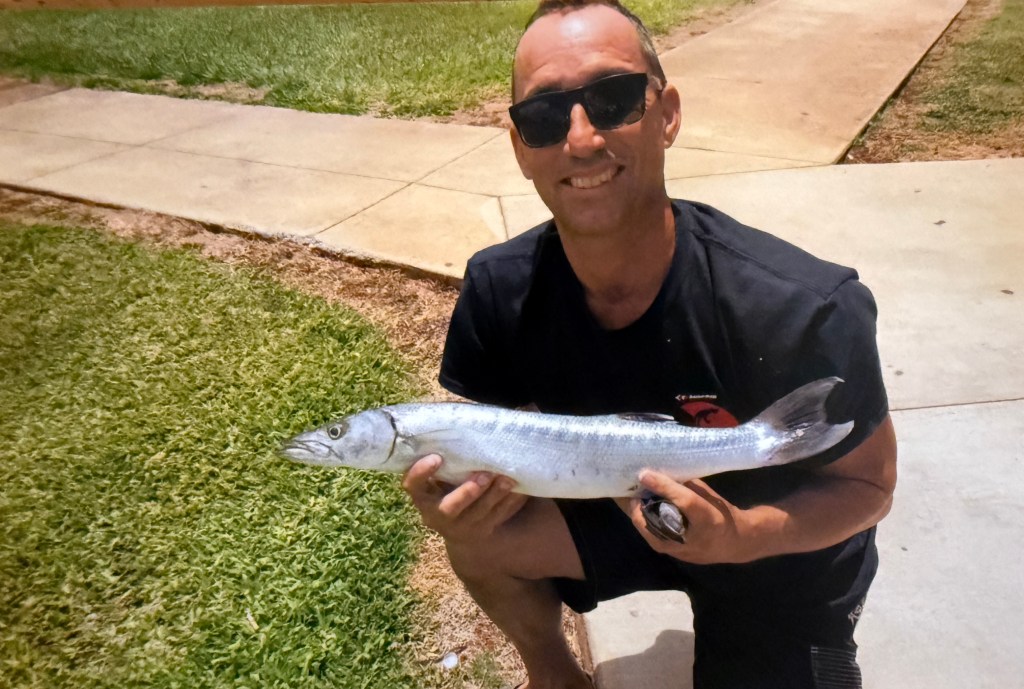
The other love of Morris’ life was the ocean. He taught himself, and later his sisters, to swim and pick ʻopihi along the shoreline. He loved to dive and fish. In high school he worked as a kayak tour guide alongside his big brother, taking tourists up the Wailua River or on overnight adventures along the rugged Nāpali Coast. He pooled his earnings with his mom’s, helping the family piece together a good, simple life.
In young adulthood, Morris tackled a wide range of work: washing dishes at hotels, granite and tile installation, aircraft maintenance. He bought himself a truck, took some college classes and attended retreats organized by Pukas Ministries, a nondenominational evangelical church that holds prayer service under a tent along Kūhiō Highway across from Keālia Beach.
Morris, who sometimes wore a sunrise shell around his neck, kept an eclectic group of friends. His family described him as a laidback family man who not only looked after his mother and grandmother but sought out opportunities to help the underdog.
“It was really a shirt-off-your-back kind of thing,” said Morris’ younger sister Naomi Bryan, 46.
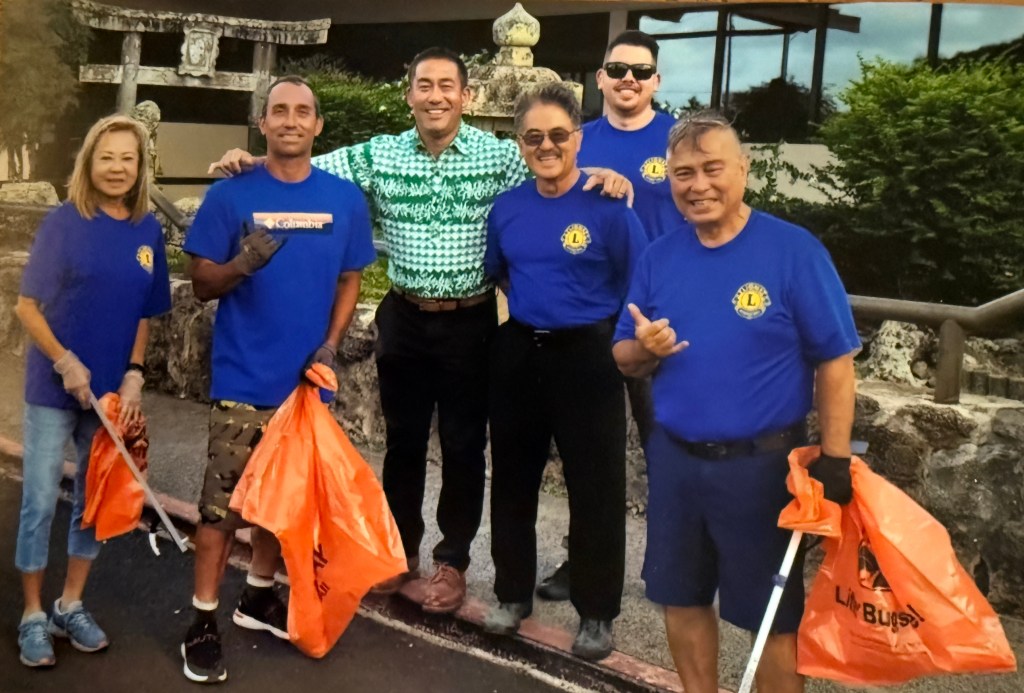
When a friend revealed he was having trouble holding down a job because he couldn’t afford childcare, Morris — unemployed at the time — became a babysitter to his twins. When a stranger at a bus stop told Morris he needed shoes, Morris gave him the pair on his feet. After his death, Morris’ family would learn about how he used to bring food to people living in beach camps.
On New Year’s Day, the family gathered at Bryan’s Līhuʻe home for lunch. Morris talked about receiving a rent increase he couldn’t afford at his Kapahi studio and mused about getting by for a while without a roof over his head.
The gathering would be the family’s last with Morris, who died on the birthday he shared with his older brother.
Civil Beat’s reporting on economic inequality is supported by the Hawaiʻi Community Foundation as part of its work to build equity for all through the CHANGE Framework; and by the Cooke Foundation.