Mākua Beach Parking Woes May Be Eased Under Kauaʻi Mayor’s Plan
Parking has been a problem for decades at the main access point shared by Mākua Beach and Hāʻena Beach Park. An effort to fix it may be gaining momentum.
In summer, akule populate the shallow, expansive reef that fringes Mākua Beach. Valued for their tastiness, the fish have lured generations of subsistence fishing families, with their giant surround nets and small fishing boats. Summer is high season for tourists, too.
The county-owned Hāʻena Beach Park is the gateway to Mākua Beach, also known as Tunnels Beach due to the underwater lava tubes that line its reef. And the park has fewer than 40 public parking spots fronting the main access point, so locals and visitors are often caught in a game of parking roulette.
Fisherman Billy Kinney, a lineal descendant of the scenic area, said he’s lost count of the number of times he’s missed out on akule fishing because there was no place to park.
“This is the epicenter for fishing in Hāʻena,” he said. “It’s a place where fish aggregate. Fishermen gather where fish gather. But mismanagement of the parking, and just the overwhelming amount of tourism, is pushing subsistence fishing families out.”
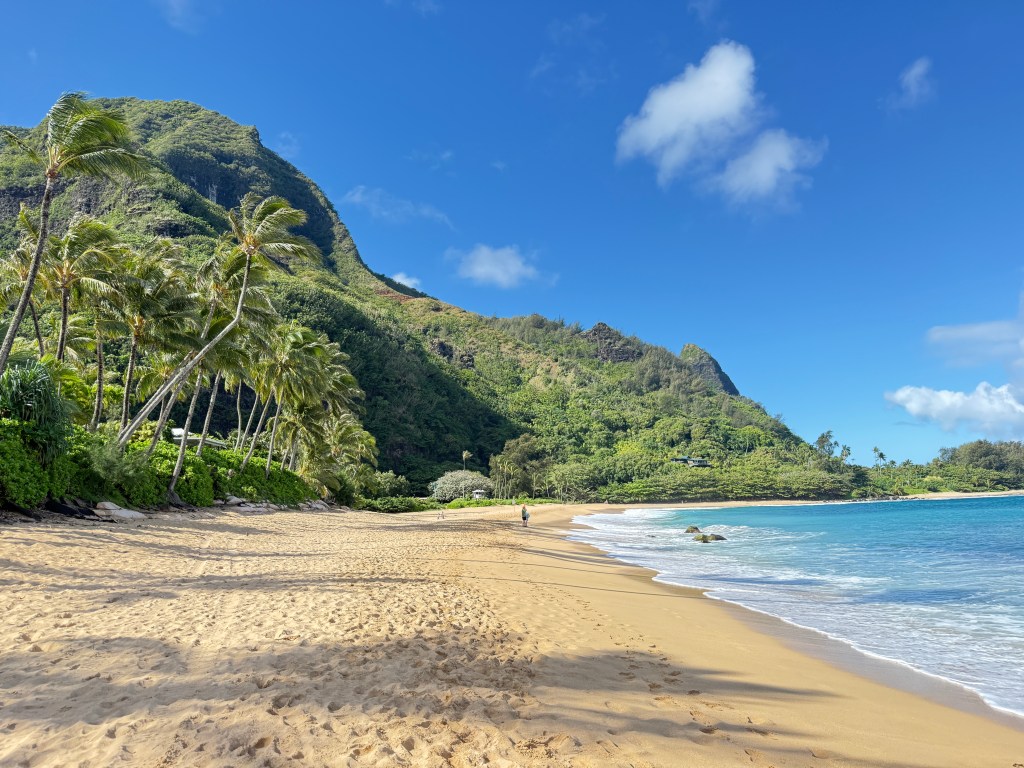
The parking problem has persisted for decades as the famous beach — known for its blue-green seascape, strong surf, reef, lava tubes and striking views of the pyramid-shaped mountain named Makana — doubled as a haven for local families and fishermen as well as a tourist hotspot.
Blueprint For Crowd Control
It got worse six years ago when the similarly named Hāʻena State Park less than a mile away adopted what has become a blueprint for state park crowd control in a bid to stave off overtourism, not only for the benefit of local residents and delicate natural resources but for the enjoyment of tourists themselves.
A redesigned Hāʻena State Park, debuted in mid-2019, has a 900-person daily visitor cap, an advance reservation system, resident-only parking and increased law enforcement. A partnership between the state and a community group puts lineal descendants of the Hāʻena area in charge of many aspects of park management.
Yet while new regulations have cleared up crowds and competition for parking spots at the state park, they haven’t completely resolved these problems. They’ve merely kicked them down the road to the county park, where visitors who fail to secure a reservation to visit the state park now pile up.
“Right now if you’re a resident and you want to go to the county park — good luck,” said Chipper Wichman, who contributed over many years to the development of new protocols to address overcrowding at the state park. “Every morning by 10 a.m. every single parking spot is taken. And there’s community consensus: This is intolerable. We’re going to fix it.”
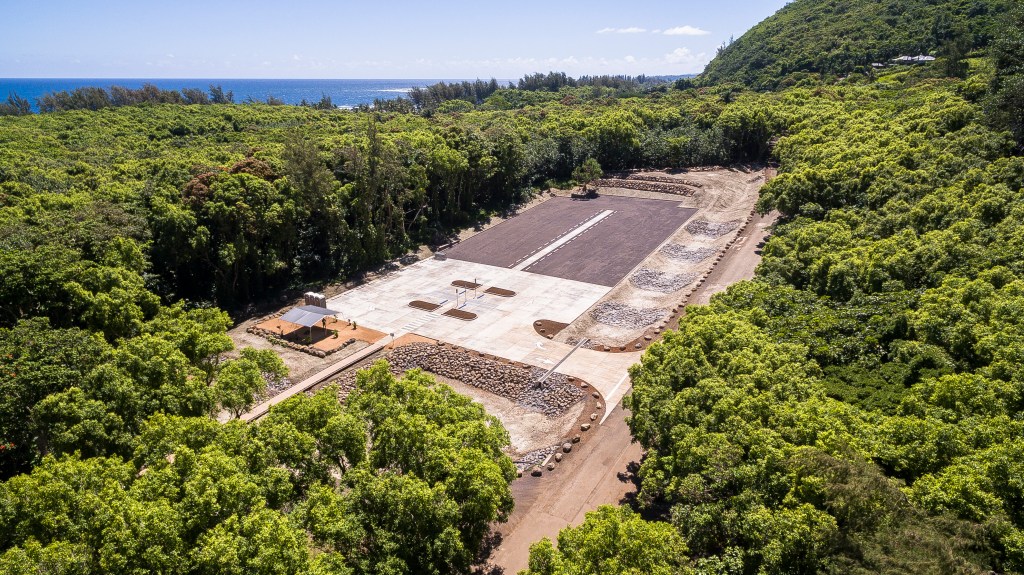
A proposal to transfer the ownership of Hāʻena Beach Park from the county to the state, proponents say, would allow the state to absorb the site into its already successful visitor management system down the road.
The idea has been batted around for years. It’s gaining new momentum now, people familiar with the project said, because soon-to-be term limited Mayor Derek Kawakami has made the transfer a priority, citing it as a goal he’d like to see through before his eight-year mayoral run ends next year.
Community Involvement
The state park’s management system has been successful in large part due to the strength of its partnerships with community organizations Hui Maka‘āinana o Makana, which manages the parking and online reservation system; Hanalei Initiative, which stood up an advanced reservation shuttle system; and Waipā Foundation, which offered its land as a shuttle staging and parking area.
Pua Chin, executive director of Hui Makaʻāinana o Makana, said community members want more than just a say in the county park’s future — they want an interactive role in managing it.

“I think many people feel disempowered when government steps in and makes decisions for them,” she said. “So this is going to be something that comes with a long community engagement process.”
A land transfer would not happen overnight. It would require buy-in from the mayor, county council and community members in Kauaʻi along with state parks officials and the Hawaiʻi Board of Land and Natural Resources.
Kawakami was unavailable for an interview for this story, county spokesman Alden Alayvilla said. The mayor said in a statement that the county has been in talks with state officials about a potential transfer for years and, to support the transition, he has offered to continue to fund and staff park maintenance and upkeep for a year after an ownership change.
“The state’s partnership with Hui Makaʻāinana o Makana and The Hanalei Initiative has made Hāʻena State Park a model for community-based management, expanding resident access while limiting visitors to protect the resource,” Kawakami said. “The next step is to incorporate Hāʻena Beach Park into that plan.”
State Parks Assistant Administrator Alan Carpenter was unavailable for an interview for this story, Hawaiʻi Department of Land and Natural Resources spokeswoman Patti Jette said.
State Vs. County Control
All agreed the county beach park management needed to be improved at a community meeting last month hosted by Hui Maka’āinana o Makana. Whether the county or state should be in charge was where public opinion differed.
Some opposition to the transfer is derived from a feeling that handing the park over to the state would reposition decision-making farther away from the people who care about its future.
“Our community has always expressed healthy skepticism of the state government simply because it’s a centralized bureaucracy headquartered on Oʻahu and it’s just harder to engage with it,” Wichman said. “We generally tend to think of the county as more community-friendly.”
A key component of a better-managed Hāʻena Beach Park would be a resident-only parking area, Wichman said. Generally, the community does not support adding more parking but improving management of the parking that exists.
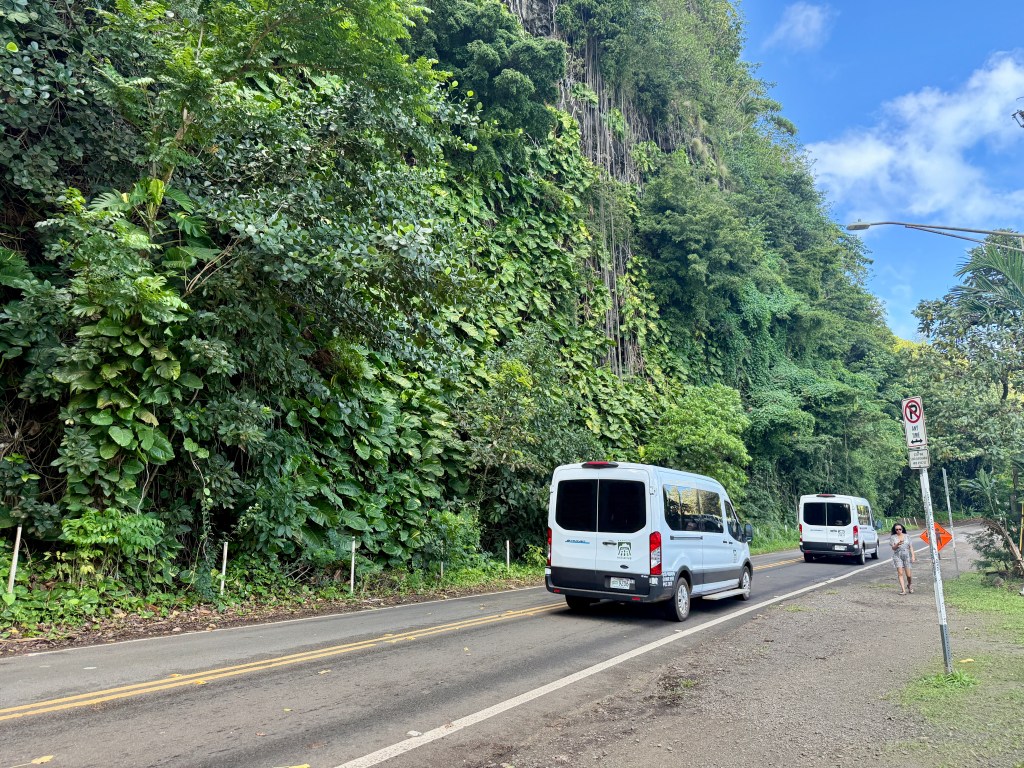
“I don’t think you could build parking to match the amount of people wanting to be there,” said Joel Guy, executive director of The Hanalei Initiative.
This summer, Hanalei Initiative staged a temporary intervention. The nonprofit, formed after a devastating 2018 flood to bolster community-led environmental and tourism management, deployed traffic guards to keep the highway clear of drivers waiting for a parking spot at the county beach park.
“Generally, people are out snorkeling for four hours so people will sit in line and wait and wait and wait for a spot to open up and it’s not a quick turnover,” Guy explained.
Funded with roughly $60,000 in grant money, the 90-day stopgap measure was widely considered a success. People who live in the area no longer had to dodge a backed-up line of traffic while driving to work or picking their kids up from school along the area’s narrow, winding highway.
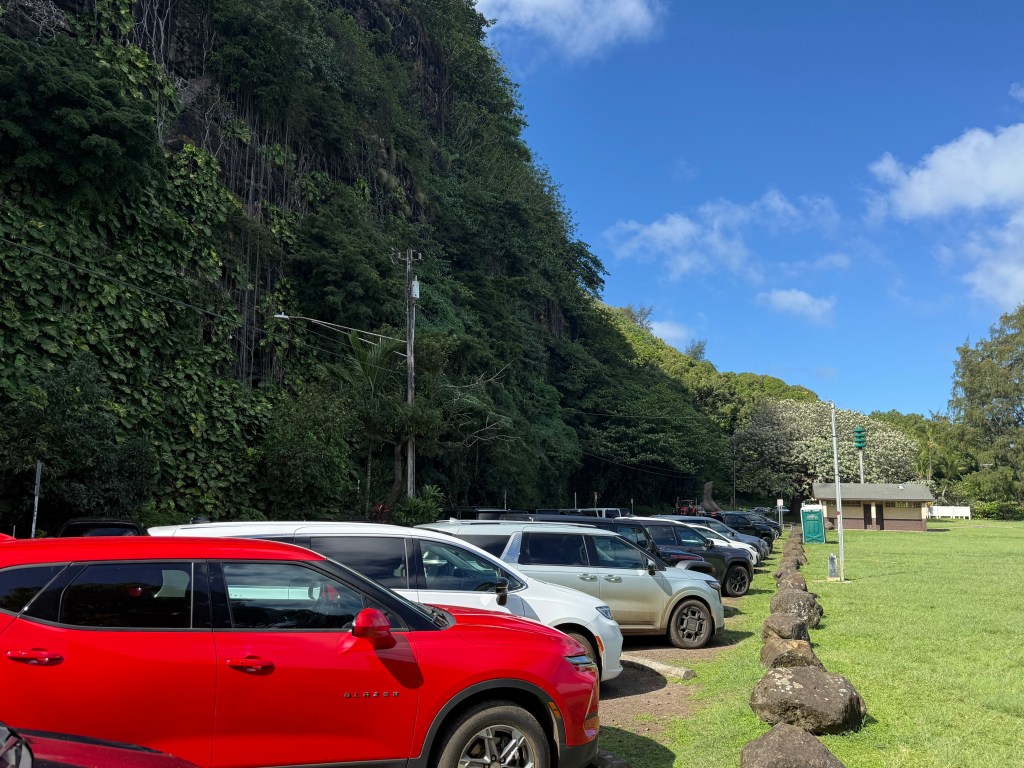
Yet while it cleared up highway congestion, it didn’t address the crush of crowds and competition for parking spots that so often leave residents and tourists alike feeling shut out.
“People pull up with their kids and their snorkeling gear, the concierge at the hotel told them to go there to snorkel, and there’s no parking,” said Guy, who was recently named to the Hawaiʻi Tourism Authority’s new advisory board.
So far this year the Kauaʻi Police Department has issued 133 parking infractions and responded to 69 calls for service in the Hā‘ena Beach Park area.
Civil Beat’s reporting on Kauaʻi is supported in part by a grant from the G. N. Wilcox Trust.