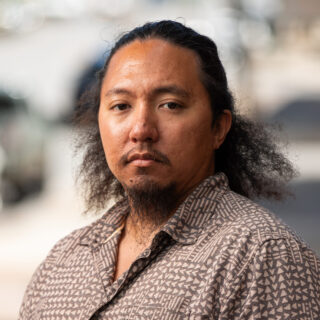
Hawaiian Homelands Could Get More Money Out Of ʻEwa Land Swap Deal
The proposed commercial center on donated West Oʻahu land has run into significant opposition this year. But the proposal has evolved and on Tuesday the commission agreed to move forward.
UPDATE: This story has been updated to reflect the commission’s vote on Tuesday morning.
The commission in charge of developing Hawaiian homelands unanimously approved a land swap proposal that skirts county zoning rules in a deal that proponents say could raise $100 million for the department over the next 65 years.
The developers of a proposed commercial center in ʻEwa, pitched as a revenue generator for the often cash-strapped Department of Hawaiian Home Lands, would be required to conduct a full environmental review of land it intends to donate to the department and provide residents of homestead communities in the surrounding area with about $160,000 annually as part of a community benefits package, according to draft lease terms made public Monday.
Those incentives were added after a meeting with beneficiaries in October, which was prompted by an initial rejection of the project a month prior. Russell Kaupu, DHHL’s lead land agent, told the commission that the project is an opportunity to generate revenue without spending any of the department’s own money.
“We don’t go out of pocket,” Kaupu said. “We aren’t putting money toward this project.”
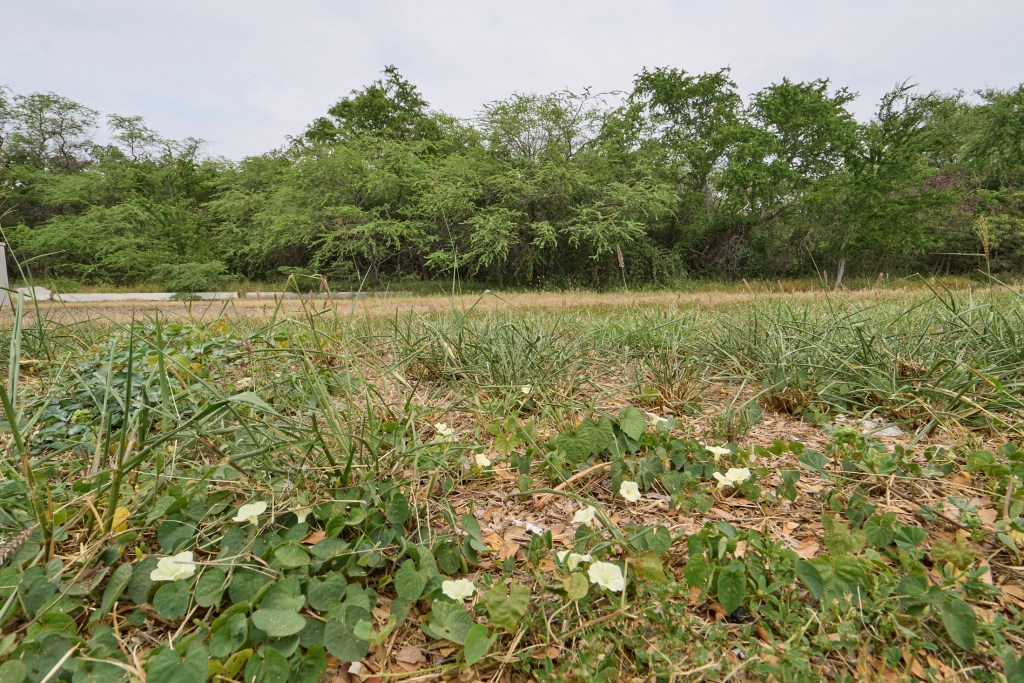
The project, which the commission will vote on Tuesday, is the brainchild of Kalanianaʻole Development, founded by developer Patti Tancayo and Nan Chul Shin, owner of the major contracting firm Nan Inc. Kalanianaʻole Development proposed purchasing that ʻEwa land, donating it to the department, and then leasing the land back from the state agency through a special purpose entity it controls to avoid county zoning rules that restrict commercial development at the site.
Kalanianaʻole Development is in the process of buying the 22-acre parcel from the Roman Catholic Church for just over $6 million. What exactly will go on the site hasn’t been decided yet. In addition to retail space, the developers in the past have floated the idea of medical offices and sports or entertainment facilities.
The target for revenues from the project are clearer. They would be used to fund projects intended to reduce the Hawaiian homelands waitlist that currently stands at more than 29,000 applicants.
Funds Heading To Homesteads
The homelands agency now is slated to get more money under a revised lease agreement with Kalanianaʻole Development, according to the draft lease.
Initially, the project’s base rent was set at 6% of the sale price for the land but has now been increased to 8%. That means the department would receive an initial base rent of $489,000, which would increase 10% every five years under a 65-year lease term.
One-third of that rent would be split among homestead communities in Kapolei as well as future communities the department has planned in ʻEwa. The total financial benefits to the homestead communities would increase in line with the rent hikes.
It’s not yet clear how those finances will be split up among the handful of homestead associations covered under the agreement. In the future, those funds will be stretched across more residents. More than 600 households are anticipated to occupy the newest phases of the Kauluokahi subdivison in East Kapolei while DHHL has said it would develop about 400 homes on land in ʻEwa Beach in the coming years.
At Tuesday’s meeting, the commission amended the agreement to have Kalanianaʻole Development negotiate with the homestead associations and to provide the financial payments directly to them as opposed to using the department as an intermediary, as was proposed under the draft agreement.
The department would also be entitled to 50% of revenues from the project after investors have been paid back a quarter of their initial investment. The amount investors have put into the project, and how long it would take to pay them back wasn’t made clear during the presentation Monday.
Base rent over the 65 years is expected to total about $40 million while DHHL’s share of revenues could be between $50 million to $60 million over the same period, according to Christian O’Connor, development director for Kalanianaʻole.
Project Faced Pushback
The project has faced heavy criticism from homesteaders and ʻEwa residents worried about the precedent the department is setting by using its powers to skirt stricter zoning rules for commercial projects instead of using the land for housing.
“Developers out there are salivating over this decision,” ʻEwa Sen. Kurt Fevella said.

Fevella, whose district includes the planned commercial center, said ʻEwa residents weren’t given a formal presentation by the developers. Fevella said that most of the residents at a town hall he hosted recently opposed the project. Some were concerned about the project creating additional traffic to the already congested Fort Weaver Road, the main thoroughfare for ʻEwa Beach.
The department held its own beneficiary meeting on the project in October that drew about 60 attendees. The vast majority supported the project, noting that the land comes at no cost to DHHL and that rent from the lease will benefit homestead communities, according to a written summary of the meetings.
However, several homesteaders in Kapolei testified on Monday that they felt misrepresented by their leaders at that meeting and in other forums and do not actually support the project.
There was also some consternation among testifiers at Monday’s hearing over DHHL Director Kali Watson’s ties to Kalanianaʻole Development. Tancayo, the organization’s president, was the vice president of a nonprofit Watson lead before taking over as director in 2023. Watson has so far recused himself from votes on the ʻEwa project and said he would do so again on Tuesday.
Healani Sonoda-Pale, a community advocate, told the commission that she supports the project for the revenue it could bring in that could aid the department in developing more housing. She also vouched for Tancayo’s experience as a housing developer. Tancayo herself is on the homelands waitlist.
“This matters because it demonstrates that the project is being advanced by someone who understands firsthand the urgency of building homes for Hawaiians,” Sonoda-Pale said.
Developers Promise Clean Up
The developers have promised to address traffic and environmental concerns raised at various meetings about the project.
O’Connor said that the developers will finance the expansion of a nearby intersection to include additional turn lanes to help alleviate traffic congestion.
During heavy rains, water would flood from a portion of the property onto Fort Weaver Road. O’Connor said those drainage issue are also being fixed.
“That’s the whole idea: try to make it better, not worse,” he said.
Under the draft lease, the developers would be required to pay for environmental remediation of the property if necessary. The land was formerly used as a slaughterhouse and industrial base yard for storing heavy equipment.
Dan Ford, whose company was hired to do a preliminary assessment of the property, identified several items that need to be removed and investigated for possible contamination. The initial environmental assessment by Ford & Associates found evidence of possible chemical and petroleum leaks from abandoned vehicles, fuel drums, gas cylinders and car batteries left on the property. However, Ford said he doesn’t believe contamination is widespread.
Kaupu, the lead land agent for the proposed project, said the commission would have the authority to review environmental reports and oversee the project as it moves along.
“If we are uncomfortable,” Kaupu said, “we are free to walk away.”