

How Far Will $500M Go To Clean Up Army Bombs Left In Hawaiʻi?
Gov. Josh Green has requested billions in investments for the military to continue training on state lands, including funds for cleaning military waste. Native Hawaiian groups say the community should spearhead the cleanup.
The U.S. Army appears poised to end its stay on at least a portion of the thousands of acres of land it currently leases from the Hawaiʻi government, which includes areas that steadfast advocates hope to rehabilitate.
Gov. Josh Green last month proposed a $10 billion investment from the U.S. Army to address myriad issues in return for extending some of its state leases, a sum that includes $500 million for environmental remediation and clearance of hazardous military waste.
Just how much safety that money can buy is unclear, especially in light of the military’s long track record of failing to fully clear lands it has polluted with chemicals and explosives. But Mālama Mākua, a Native Hawaiian advocacy group, is keen to learn from shortcomings in previous efforts, particularly on the island of Kahoʻolawe. And the organization wants the community — not the state or Army — to lead the cleanup.
Questions linger over whether the Army might use eminent domain to seize the land without paying for it once its leases expire in 2029, whether the governor should be negotiating over a cleanup some maintain the military is required to complete at any cost and what role Native Hawaiians should play in determining the fate of land seized from their ancestors.
Green has suggested that the ongoing discussions give the state and the community some breathing room.
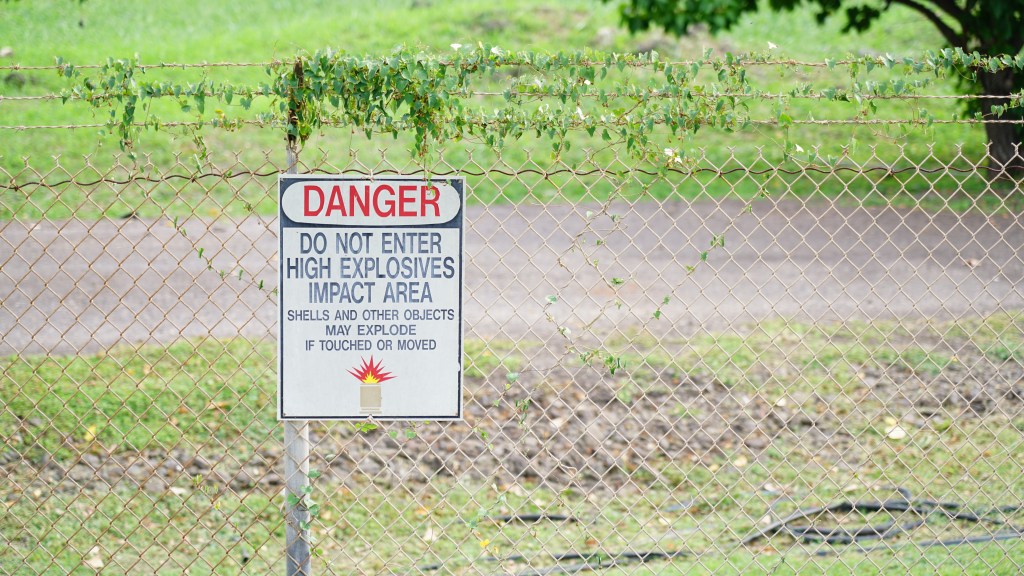
In the governor’s nine-page letter to U.S. Army Secretary Daniel Driscoll, among the things the $500 million would cover is clearing unexploded ordnance, known as UXO. That is $100 million more than what the U.S. Congress allocated to clear unexploded munitions from Kahoʻolawe, which faced decades of naval bombardment. That money ran out before the smallest of the main Hawaiian Islands could be cleared.
UXO have plagued parts of Hawaiʻi for decades. They are unpredictable, hazardous to the public and make land off-limits for any real use. Members of Mālama Mākua say they want to take their time with the remediation.
“It’s not a five-year plan we envision,” William Aila of Mālama Mākua said. “It’s at least 50 years.”
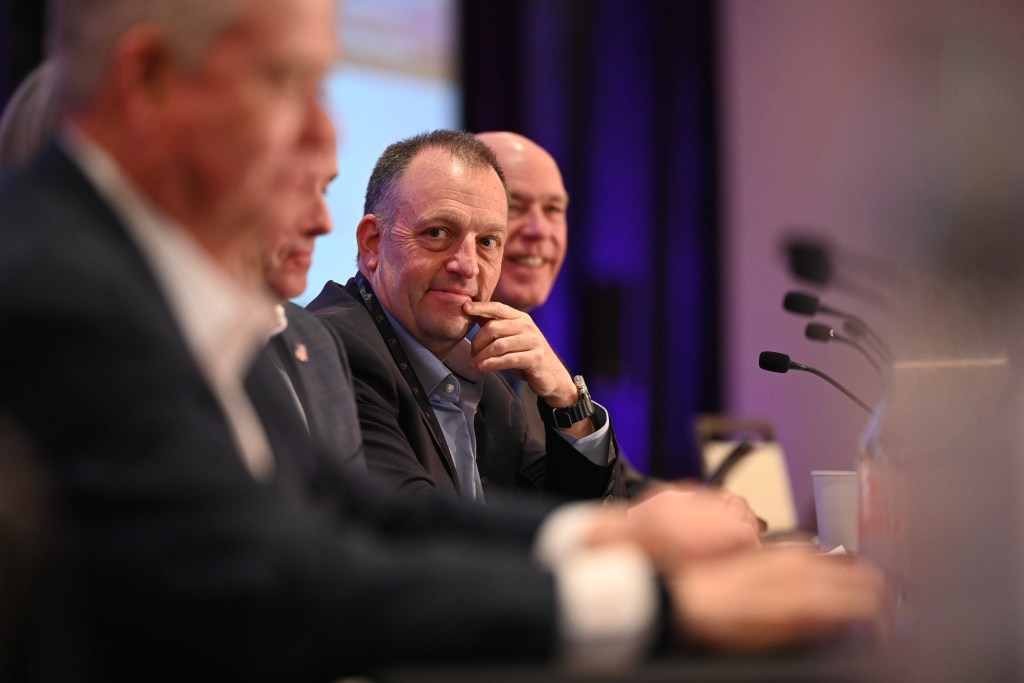
Aila sits on Green’s newly appointed lease negotiation committee, which held its first meeting on Tuesday last week.
Although he was not consulted about the $500 million figure, Alia said, he added that it could provide an endowment for work to continue into the future.
“Right now, zero is set aside, right? First we’ve got to get to the table and see if the Army is really serious,” he said. “Let’s try to see if there is an agreement that people can — I don’t think they will ever be happy with it — live with.”
Green’s letter alluded to the military being open to an endowment for the clearance work, although the Office of the Governor has not released any further details. In a statement, it said it’s still the early stages of negotiations, including the committee discussions that just started.
The military and state are in active talks, Green said in a press release last week, noting that there was not the sense of urgency as previously felt, “so we can have the time we need to protect community values and advocate for Hawaiʻi’s interests.”
Bombs In The Backyard
Eighteen of the 115 active or abandoned military sites in Hawaiʻi are considered high risk, according to ProPublica, an investigative news nonprofit. An additional 25 sites are medium risk, according to the Department of Defense’s risk assessment rubric.
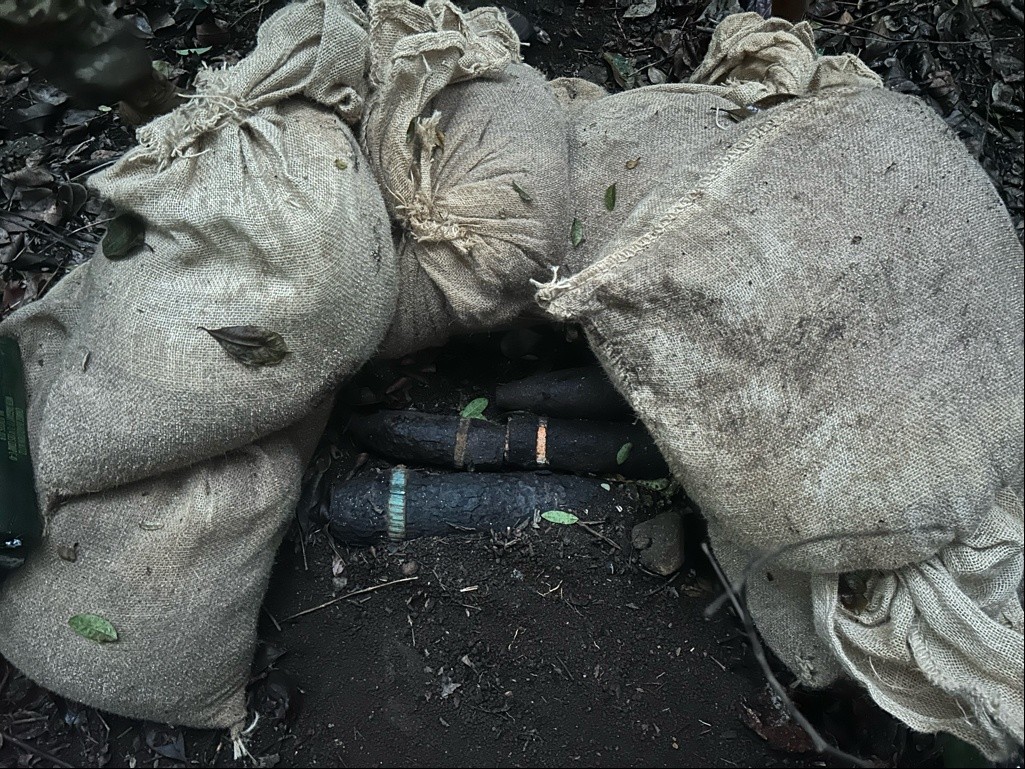
ProPublica’s 2017 “Bombs in Our Backyard” series made public the data on over 40,000 unsafe sites, estimating that about $2.8 billion would need to be set aside to address hazards in Hawaiʻi.
Hawaiʻi ranked fourth among states with the most expensive issues to address, with Waikoloa Maneuver Area, a former training site on the Big Island, taking up an estimated $1 billion to clear by its planned 2062 completion date. It was last used in 1946.
In 2016, the military deemed the cleanup of Mākua Valley — parts of which it wants to continue to use — all but complete. The year before, two landscape contractors were injured when they hit a tank round while cutting grass within the Mākua Military Reservation; this year, Army disposal technicians conducted explosives removal across four sites in the valley.
Learning From ‘The Target Isle’
The U.S. defense force has left a mark on more than 100 sites throughout the island chain, with a cleanup bill worth billions of dollars, according to Department of Defense estimates.
Kahoʻolawe, perhaps the most notorious site, is not included because it was returned to the state in 1993 with a congressional promise of $400 million for cleanup, including $44 million for the State of Hawaiʻi. By the time the cleanup budget was spent, a quarter of the 44-mile landmass was still littered with unexploded ordnance and spent munitions.
Among those clearing the land was Michael Naho’opi’i, a former U.S. naval officer and now executive director of the Kaho’olawe Island Reserve Commission. The commission oversees continued island rehabilitation efforts and Naho’opi’i has consulted Mālama Mākua on what the Waiʻanae organization hopes to do with the land.
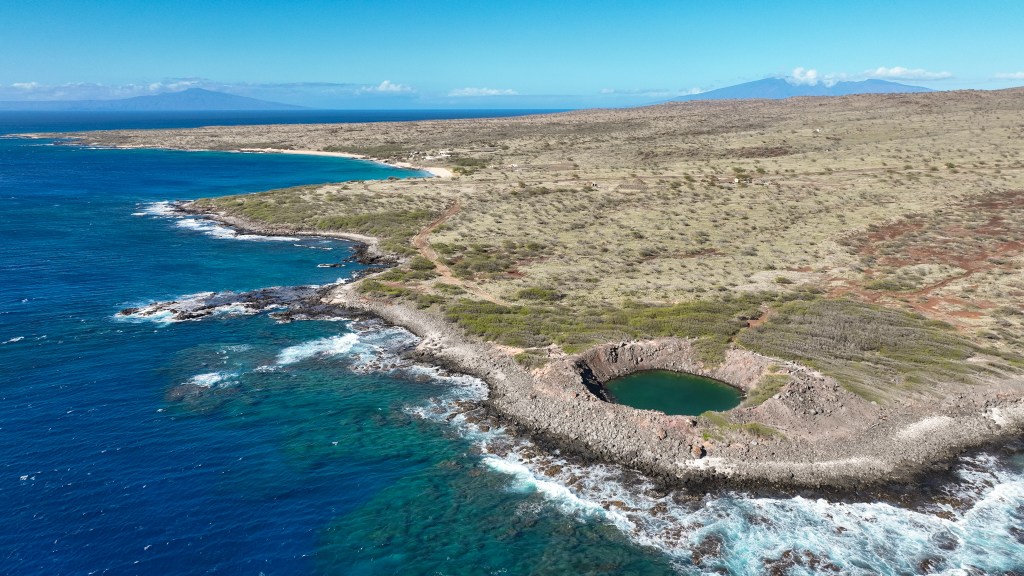
The 1993-2004 cleanup budget for Kaho’olawe, when adjusted for inflation, would have been almost $400 million more than what Green has identified for future rehabilitation efforts on other islands. Naho’opi’i believes it could be enough.
The work should be far easier because the parcels are connected to the rest of Oʻahu’s infrastructure, Naho’opi’i said, unlike Kahoʻolawe, where everything – including people – had to be shipped onto the island, often known as “the target isle.”
“This was the 90s, so we did everything on paper… We had digital cameras but we didn’t have apps where you could record all your information and we didn’t have cell phone coverage,” Naho’opi’i said.
“It’s more complicated than people think it is. And it’s not just the UXO clearance,” he added. “It’s the management, it’s the documentation, it’s the logistics, it’s the infrastructure that’s going to make it hard. But they’re on a populated island, there’s infrastructure nearby. They’re not building it themselves and they’re not building it on a target like we were.”
A Long Game
The military fired bullets, artillery, mortar ammunition, rockets, missiles, mines, grenades and other explosive materials into Mākua Valley before 2004, when it stopped live-fire training.
But Mālama Mākua wants community members to be trained to clear the spent, empty and unexploded rounds — a process organization president Lynette Cruz hopes will end better than past cleanups overseen by the military.
“We have met some of those UXO guys. They’ve been trained to remove UXO but would be a lot better if they train the community how to do that,” Cruz said. “Otherwise, we may end up with something very much like Kahoʻolawe.”
Aila of Mālama Mākua says if the $500 million — or whatever amount is ultimately allocated to remediation — is placed in an endowment, interest from that fund could support using a locally cultivated workforce.
The organization has asked the military for cost estimates for remediation in the valley but has not gotten a response, Aila said. Between brush maintenance and explosive ordnance disposal, the nonprofit estimates it would cost about $10 million annually, which would be easily covered by the interest earned on an endowment.
In his letter to Driscoll, the Army secretary, Green says top defense officials in Washington, D.C. have indicated they’re open to setting up an endowment for UXO cleanup. It’s a risky move, Naho’opi’i believes, especially in light of the potential liability issues.
The University of Hawaiʻi could play a role. Both Mālama Mākua and the governor have suggested that the university could provide research as well as a future workforce to help remediate the valley. That workforce could develop technologies to help other parts of the world, too.
Technological advances should also speed things up, Naho’opi’i said, as drones and other technologies have been developed to find spent and unspent munitions far faster than before.
But, Naho’opi’i said, technology is not a silver bullet.
Mālama Mākua is still resolved to see the land returned to the community, not the state, so it can start the work. That’s one of the reasons Alia says it’s important that the community do the work on lands seized years ago.
“There’s this continued feeling of resentment that’s generational,” he said. “It’s because the grandparents and the great grandparents remember this happening and they shared with their children and grandchildren. So it’s a hurt that hasn’t gone away. The only way it’s going to go away is for the valley to come back and for us to to rehabilitate it — not the Army, not anybody else, not the state.”
Civil Beat’s coverage of climate change and the environment is supported by The Healy Foundation, the Marisla Fund of the Hawai‘i Community Foundation and the Frost Family Foundation.

