

Palm-Killing Coconut Rhinoceros Beetle’s Discovery In Hilo Stokes Fear
The Hilo community has been crying out for better protections from the state Department of Agriculture and Biosecurity.
A coconut rhinoceros beetle has been found in Hilo on Hawaiʻi island, stoking anger and dread in a community that has long warned about how the palm-killing beetle could decimate the landscape.
A female coconut rhinoceros beetle was found dead in a state-owned bait trap Monday in the northeastern part of Hilo International Airport, officials confirmed Thursday.
It’s the second time the invasive pest has been detected on the windward side where communities have long feared how the beetles could impact their verdant landscape. It’s prime habitat for the beetle, posing a major threat to the region’s agriculture and environment.
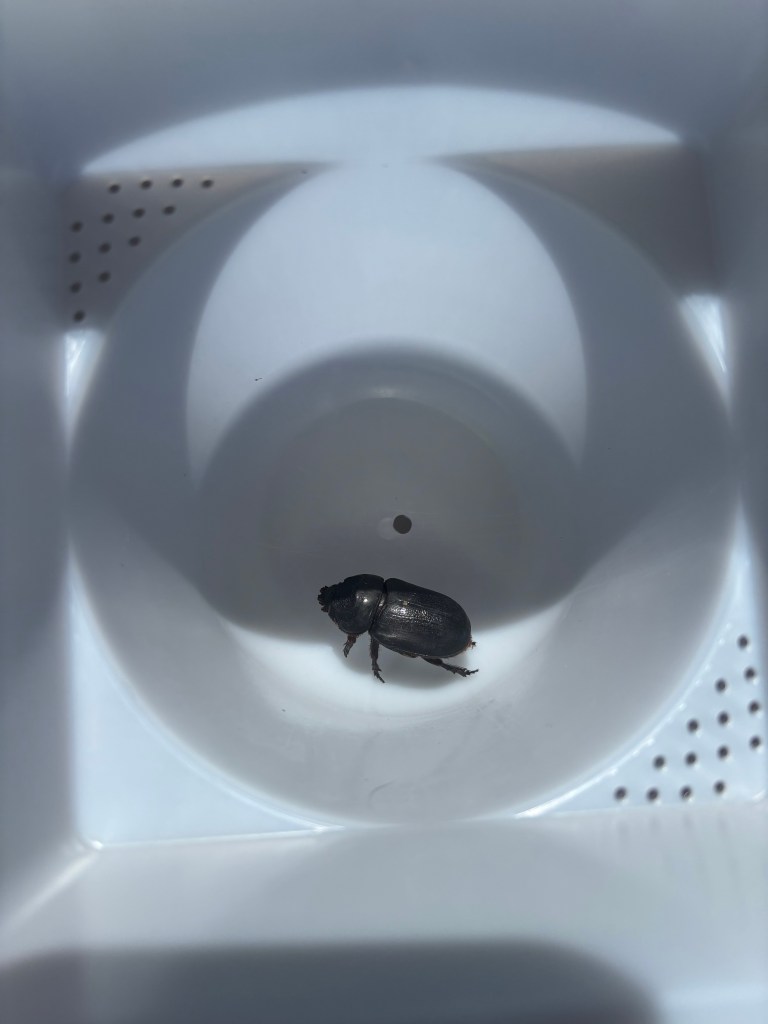
Little is known about where the beetle came from or how long it was alive before being trapped. But the community – which has lobbied for better protections from the state for more than a year – is preparing for the worst.
Leila Kealoha, executive director of the Native Hawaiian nonprofit Pōhaku Pelemaka, has started reaching out to the Hawaiian homesteads community in Keaukaha, east of Hilo’s airport. Those residents rely heavily on coconuts and other crops that have been known targets for the voracious beetles.
“This is a direct threat to our food system and our cultural practices. This is an emergency — a pandemic on our food sources,” Kealoha said.
Once the Big Island Invasive Species Committee detected the beetle on Monday, staff checked every bait trap in the Hilo area. No additional specimens were found, but committee program manager Franny Kinslow Brewer cautioned that “there’s just so many possibilities when it’s a single beetle.”
It’s unclear whether the Hilo detection came from the island’s Kona side, which has been infested with beetles for months, or if it hitchhiked by plane, she said.
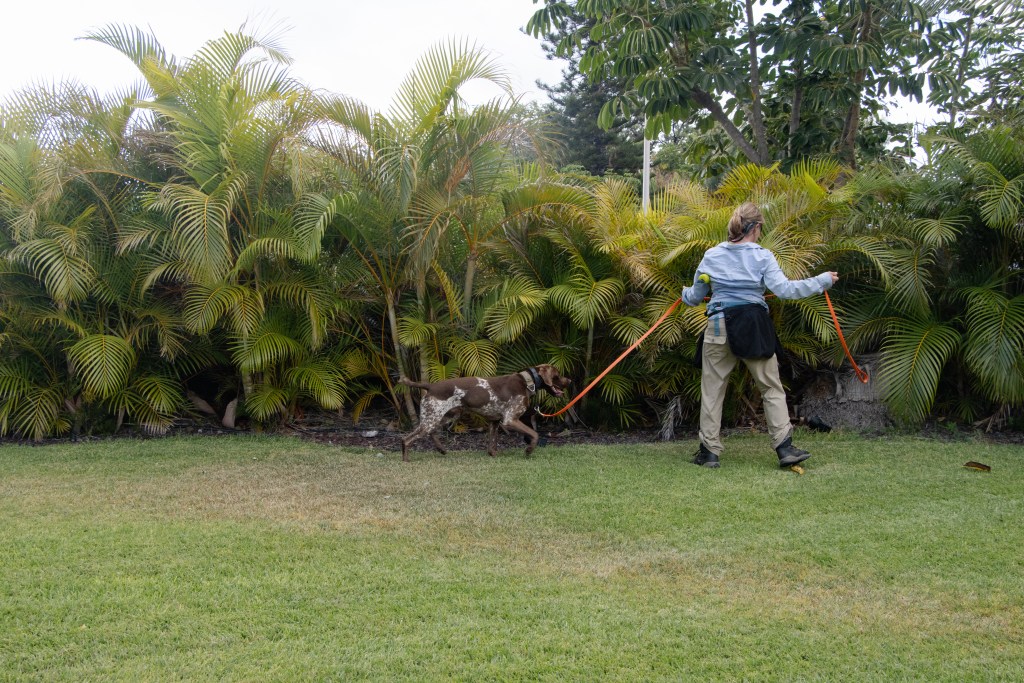
The invasive species committee is collaborating with the county, state and Hawaiʻi Detection Dogs to conduct surveys of mulch and green waste around the detection site. Additional bait traps are also being deployed.
The beetles, which breed in green waste, mulch and decomposing flora, will be far harder to contain than in Kona.
“On the Kona landscape it’s pretty obvious where the organic material is decomposing, it’s all lava rock,” Kinslow Brewer said. “In Hilo we have a lot of wild trees that are just growing in unmanaged lots so that means there’s a lot of unmanaged material on the ground.”
This is the second detection of CRB in Hilo. A dead beetle was found last year in retail mulch, believed to have been shipped dead from Oʻahu.
Pōhaku Pelemaka, alongside the Hawaiʻi Wildlife Fund, petitioned the state last year to impose restrictions on the outbound movement of material that might harbor the beetles and their larvae from the Kona Coast.
The Department of Agriculture and Biosecurity oversees those regulations but has been criticized for failing to implement or execute them, with county and state lawmakers making their frustrations and grievances known in several letters to Gov. Josh Green.
“I don’t feel that they understand the urgency,” Kealoha said. “It’s just like little fire ants and coqui — they’re too busy being reactive to these things that it’s hard to be proactive.”
The Hawaiʻi County Council is moving to join the Maui County Council in urging the state to get its act together. It will consider a resolution July 22 drafted by Kohala council member James Hustace that calls on the biosecurity department to immediately implement its interim rules, educate the public about them and dedicate a biosecurity staff member to oversee the compliance program.
The scarab beetles, native to Southeast Asia, have been in Hawaiʻi for more than a decade and are among the state’s most destructive pests. First discovered at Joint Base Pearl Harbor-Hickam in 2014, the beetles were contained on Oʻahu until 2023, when they made their way to other islands.
Kauaʻi is now infested, while Maui, Lānaʻi and Molokaʻi are fighting increasingly frequent detections. The pest’s impacts statewide have been forecast between $500 million and $1 billion over the next 10 years.
“Hawai‘i Grown” is funded in part by grants from the Stupski Foundation, Ulupono Fund at the Hawai‘i Community Foundation and the Frost Family Foundation.

