Keep Hawaiʻi's Reef Fish Where They Belong — On The Reef
The Board of Land and Natural Resources must protect these resources for Hawaiʻi’s people and future generations.
August 24, 2026 · 4 min read

About the Authors


Hawaiʻi’s coral reefs are foundational to Hawai‘i’s environmental health, food security, cultural continuity and economic resilience. Yet the aquarium pet industry seeks to resume removing hundreds of thousands of native reef fish from these living systems every year for export and private profit.
Across our islands, Native Hawaiian organizations, community groups and the vast majority of residents have called for an end to commercial aquarium collection. Hawai‘i’s county governments have joined that call, with all four county councils unanimously taking action opposing the industry. As the Board of Land and Natural Resources now considers whether to resume issuing commercial aquarium collection permits, it should heed this remarkable consensus across Hawai‘i pae ‘āina: Hawaiʻi’s reef fish belong on Hawaiʻi’s reefs.

Ideas showcases stories, opinion and analysis about Hawaiʻi, from the state’s sharpest thinkers, to stretch our collective thinking about a problem or an issue. Email news@civilbeat.org to submit an idea or an essay.
The question before the Board is not — as industry supporters suggest — whether commercial-scale extraction can be managed under certain conditions or how many fish the industry might be allowed to take. The question is whether removing native reef wildlife from Hawaiʻi’s waters for ornamental display and private profit is an appropriate use of public trust resources — particularly when our reefs face unprecedented cumulative stresses, and when communities across the state are asking that these fish be kept on our reefs.
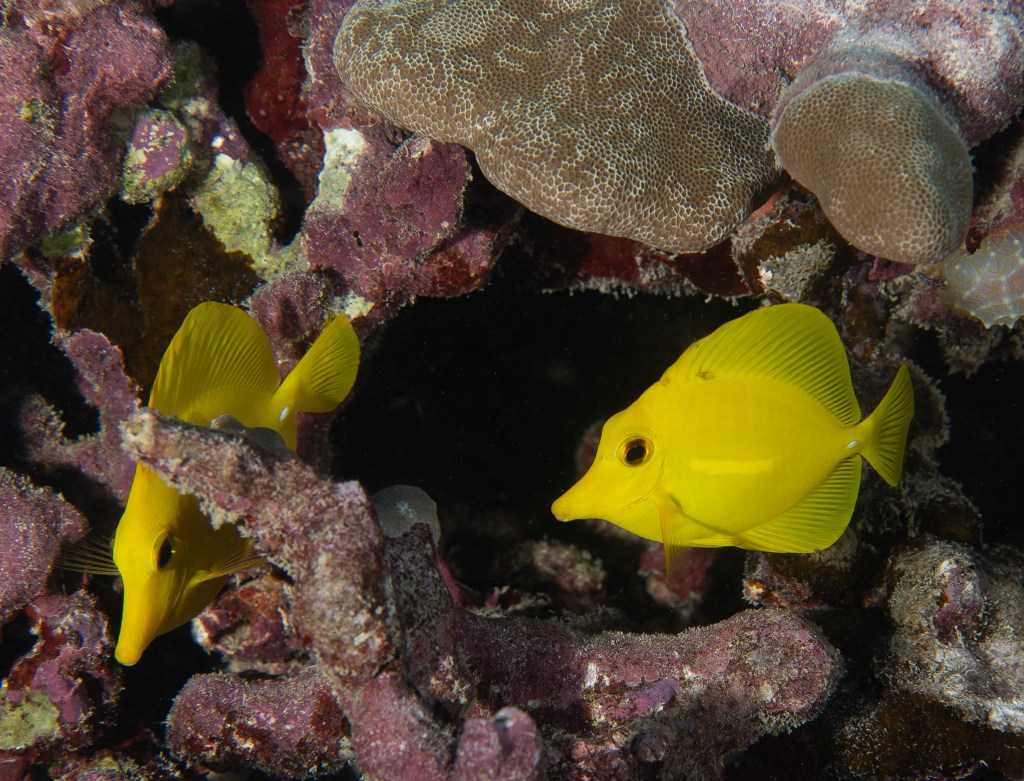
Herbivorous reef fish such as lau’īpala (yellow tang), kole and other native grazers play critical ecological roles. By controlling algae and cleaning reef surfaces, they create space for young corals to settle and help reefs recover after disturbances. Protecting healthy populations strengthens food webs and the broader resilience of our reefs. Their value is renewed every day they remain in the ocean.
For Native Hawaiians and kama‘āina, nearshore ecosystems are also sources of identity, knowledge, nourishment and responsibility. Reef fish are named in the Kumulipo, Hawaiʻi’s origin chant, and hold places in customary practices and ecological relationships understood through generations of close observation. The values of mālama ʻāina, aloha ʻāina and kuleana call on us to care for these relationships, take only what is needed and ensure abundance for those who follow.
Our reefs are not commodities. They sustain subsistence fishing and cultural practices, protect shorelines and support biodiversity, education, recreation and our visitor economy. Any fish exported for ornamental display is removed not only from an ecosystem, but from a continuing relationship among people, place and future generations.
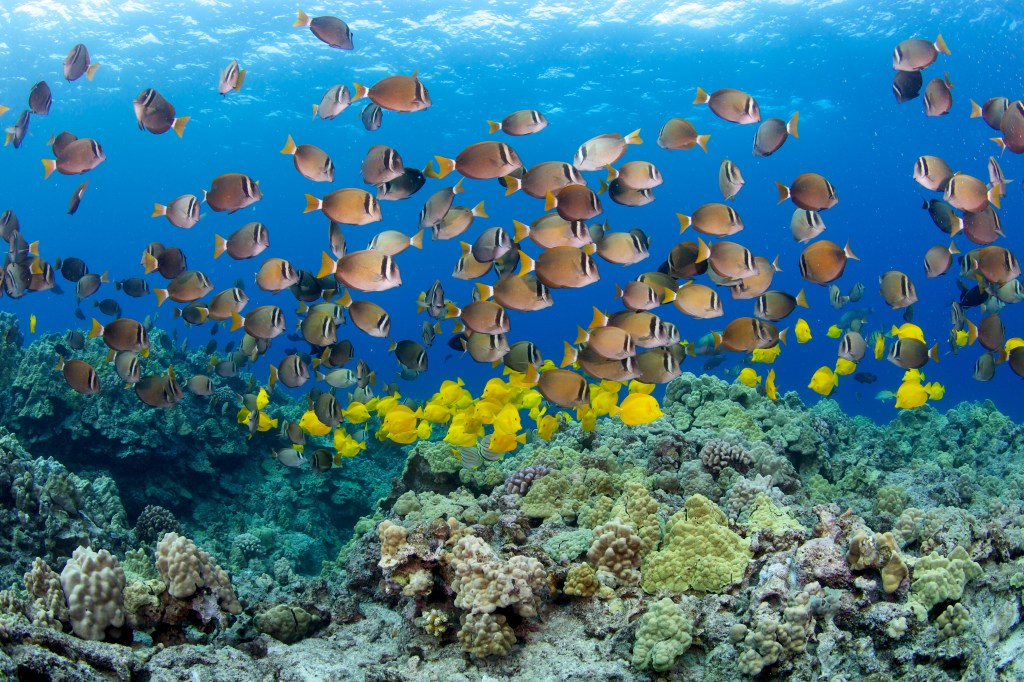
Commercial aquarium collection did not cause all the challenges facing Hawaiʻi’s reefs, and prohibiting it will not solve them all. Hawaiʻi could not, on its own, stop warming seas or ocean acidification. But we can decide whether reef fish already confronting those pressures should also be commercially removed from our waters. Protecting fish that help reefs function and recover is a meaningful action within our control. Precaution in the face of accelerating climate impacts is not an abandonment of evidence; it is responsible stewardship and part of the board’s obligation under Hawaiʻi’s constitutional public trust doctrine.
There is also a better path forward. Hawaiʻi aquaculturists have successfully bred yellow tang, the species most sought after by aquarium retailers on the U.S. continent. Marine ornamental aquaculture can advance science and meet consumer demand without removing fish from ecosystems that need them.
The public has spoken with resounding clarity. Hawai‘i’s cultural values, ecological needs and public trust responsibilities point in the same direction. The board now has the opportunity to make the policy choice that best protects these resources for Hawaiʻi’s people and future generations. It should adopt rules prohibiting commercial aquarium collection statewide and keep Hawai‘i’s reef fish where they provide their greatest value: on Hawai‘i’s reefs, sustaining culture, food security, healthy ecosystems, resilient communities and generations yet to come.
 Sign up for our FREE morning newsletter and face each day more informed.
Community Voices aims to encourage broad discussion on many topics of community interest. It’s kind of a cross between Letters to the Editor and op-eds. This is your space to talk about important issues or interesting people who are making a difference in our world. Column lengths should be no more than 800 words and we need a photo of the author and a bio. We welcome video commentary and other multimedia formats. Send to news@civilbeat.org. The opinions and information expressed in Community Voices are solely those of the authors and not Civil Beat.
Read this next:

Local reporting when you need it most
Support timely, accurate, independent journalism.
Honolulu Civil Beat is a nonprofit organization, and your donation helps us produce local reporting that serves all of Hawaii.
ContributeAbout the Authors