OHA Board Approves First Round Of Emergency Funding For Kaʻū
Native Hawaiians in hardest-hit areas of Big Island eligible for $184,000 in relief funds after Hurricane Lala passes by South Point.
Trustees with the Office of Hawaiian Affairs voted Monday afternoon during an emergency meeting to deploy the first round of funding for Native Hawaiians in two areas of the Big Island most devastated by Hurricane Lala.
Native Hawaiians make up 34% of the population in Kaʻū and Ka Lae, also known as South Point, according to U.S Census Data. That’s just over 3,000 people.
The board voted to immediately re-deploy over $184,000 left over from OHA’s I Ola Emergency Relief Fund, which was originally used to support Hawaiians impacted by the federal government shutdown last year, then redeployed during the March Kona lows.
Trustees noted that they plan to meet again to vote on releasing funding for other parts of the state.
The first round of funding will also include nearly $154,000 worth of gift cards left over from the I Ola fund as well as the ʻInaʻi Kōkua Gift Card Program. The gift cards, worth between $175 and $2,000 are for Foodland, KTA and Home Depot.
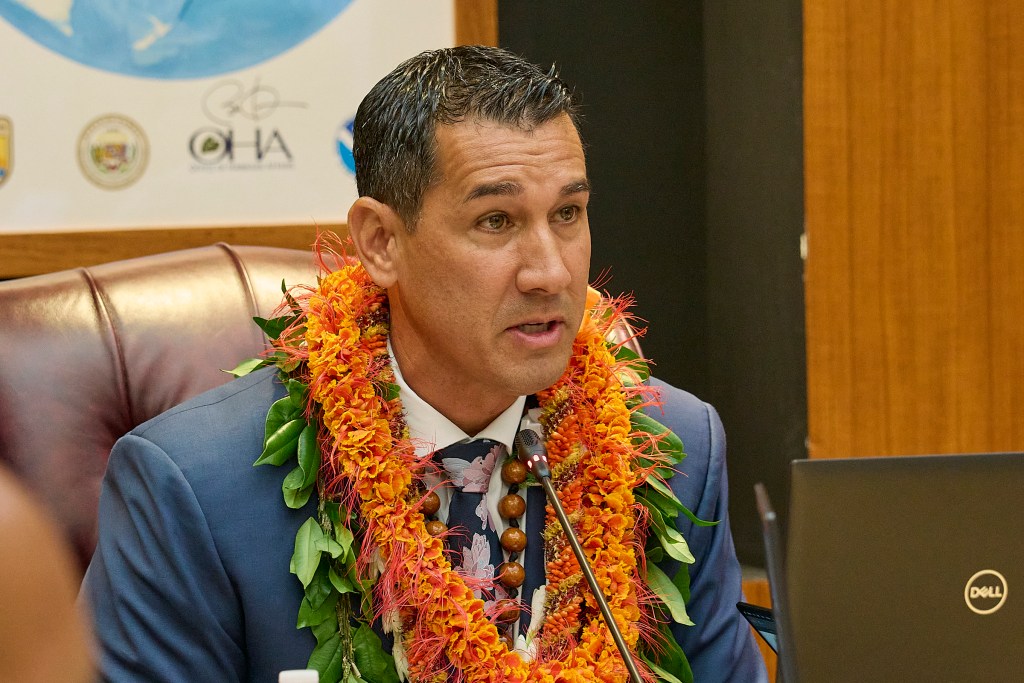
The I Ola funding, which is administered by the Hawaiian Council, will go to Native Hawaiian individuals, as well as community organizations and resource hubs serving Native Hawaiians in the two areas, interim CEO Summer Sylva said during Monday’s meeting. The community hubs that receive the funds, Sylva said, would have discretion to spend the money as they need.
“We give some latitude, but that latitude is safeguarded, if you will, because their reputation, their record of service and their place in that community as trusted servants,” Sylva said. “We want to give them maximum flexibility, maximum autonomy, to go ahead and get those needs met.”
People who testified before the board urged trustees to consider releasing funds for beneficiaries in other parts of the state, too. But because the emergency meeting’s agenda only addressed Kaʻū and Ka Lae, the board could not do so immediately.
Board chair Kai Kahele said that members would either come back at another emergency meeting or add agenda items to OHA’s scheduled Aug. 27 meeting.
“This is this board stepping up for the most disaster-affected community in the state,” Kahele said. “And they need our help and they are going to need our help now.”
Iwi Kūpuna Interment Concerns
Trustees also expressed concern during Monday’s meeting about the devastation of a cemetery in the Kaʻū town of Nāʻālehu and how the state will handle and reinter iwi kūpuna.
The county-owned cemetery was torn apart by floodwaters over the weekend, lifting caskets and bones and scattering them around the town.
A coordinated effort to address the unearthed remains has already begun, Kahele said in the meeting. The effort is being coordinated by the appropriate state departments, Hawai‘i County, Honolulu’s medical examiner, as well as the University of Hawaiʻi’s forensic anthropology team and OHA, he said.
“They are moving very quickly and they realize that this is a major issue,” Kahele said.
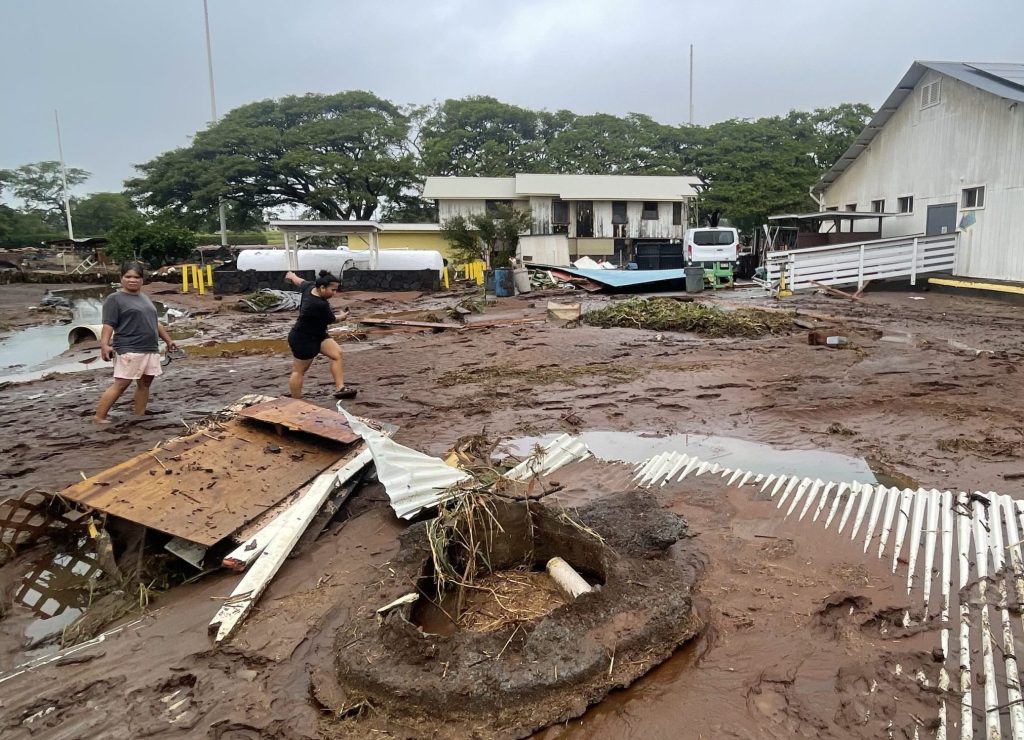
Hawaiʻi has experienced two major natural disasters in the span of six months – the Kona lows and now Hurricane Lala. And OHA’s emergency relief funds from the first still haven’t been completely distributed.
Some trustees raised concerns that OHA does not have the framework to handle emergencies.
“I would really like to see from this storm on, and for emergencies such as this going forward,” Oʻahu Trustee Kalei Akaka said, “that we’re able to have a department within OHA to handle matters such as this.”
OHA needs to be able to respond to emergencies without always having to seek outside assistance, Akaka added.
As of Aug. 5, just 86 applications requesting OHA’s assistance from the Kona lows had been approved, amounting to about $1 million distributed. A total of 156 applications are still in the review pipeline.
That information, at-large trustee Keli‘i Akina said, shows that the organization’s ability to distribute funds needs to be improved.
“We want to do that before we embark on more distribution,” Akina said.
The board, he added, needs to “evaluate the processes that have been used with I Ola in order to ensure the most efficiency and accountability as we quickly move forward to meet the needs of Lala.”