Kalo Farmer Faces Pro-Development Candidate In Upcountry Maui Council Race
Bobby Pahia and Jon Yokouchi are racing to fill the seat that Yuki Lei Sugimura has held since 2016.
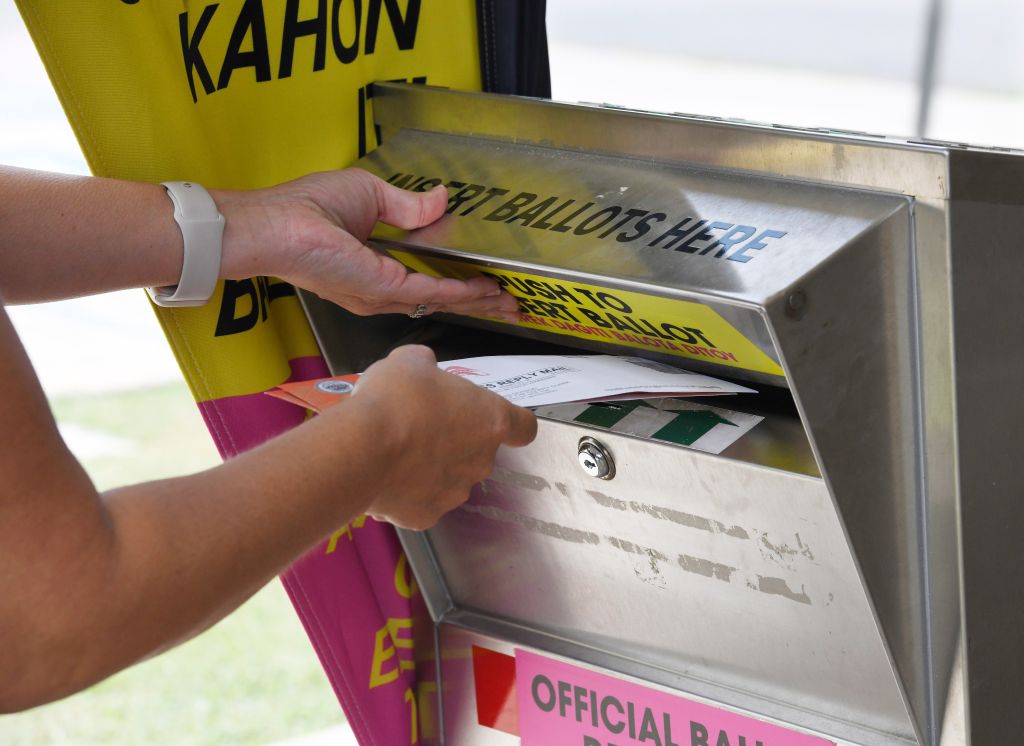
Come January, Maui will have a new person representing Upcountry on the County Council for the first time in a decade, serving as the community’s voice as officials navigate everything from water scarcity and housing affordability to long-term economic growth.
Native Hawaiian kalo farmer Bobby Pahia and business owner Jon Yokouchi, both political newcomers, are vying for the seat currently held by Yuki Lei Sugimura, who is stepping down to run for mayor in the Nov. 3 general election. Although the two men identified similar priorities, they come from vastly different backgrounds and advocate for starkly different approaches to tackling the issues facing the district and county as a whole.
Pahia, who pulled well ahead of the other three candidates in the primary election with a little more than 40% of the vote, would be a more progressive voice on the council, and has earned the endorsements of groups such as the Sierra Club, the Kānaka Movement, the Maui Pono Network, the Hawai‘i Government Employees Association and the Maui chapter of the International Longshore and Warehouse Union.
Yokouchi finished second in August’s primary with 19% of the vote, and represents a more moderate to conservative voice. He has been backed by the West Maui Taxpayers Association, the Maui Hotel & Lodging Association, Plumbers-Fitters UA Local 675 and the local chapter of the International Union of Painters and Allied Trades.
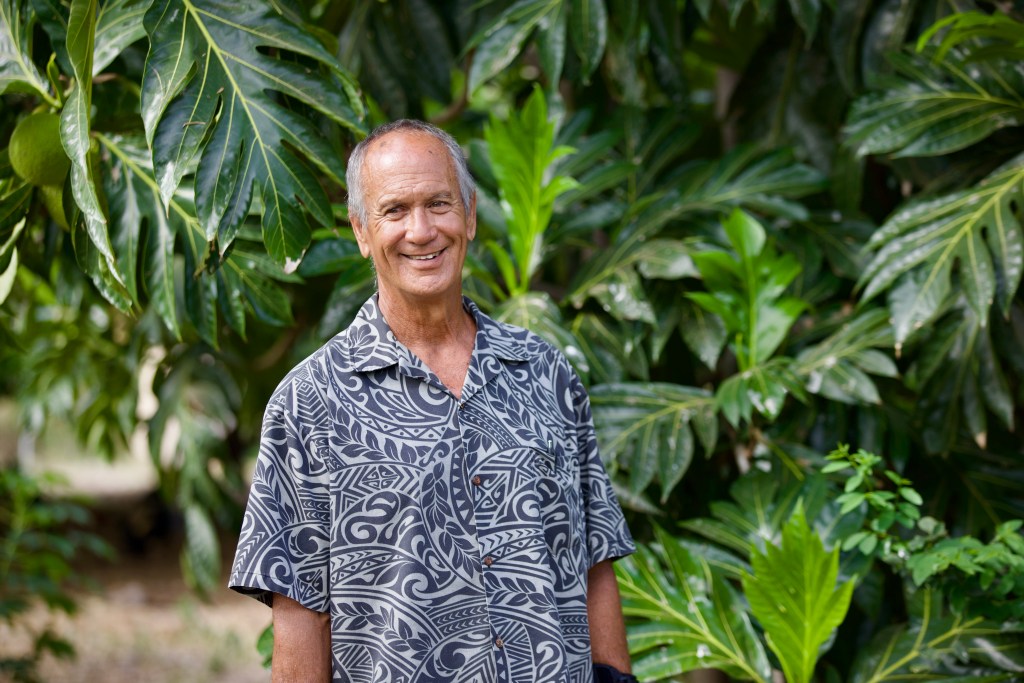
Pahia, 70, said he decided to run for office because he believes the community needs more leaders who make residents feel like their concerns are being heard, and who inspire people to be more civically engaged.
“I want to create a pathway for my children and grandchildren, our local people, to be able to afford to live here in Hawaiʻi,” he said. “Legislation and policy plays a big role in creating that pathway.”
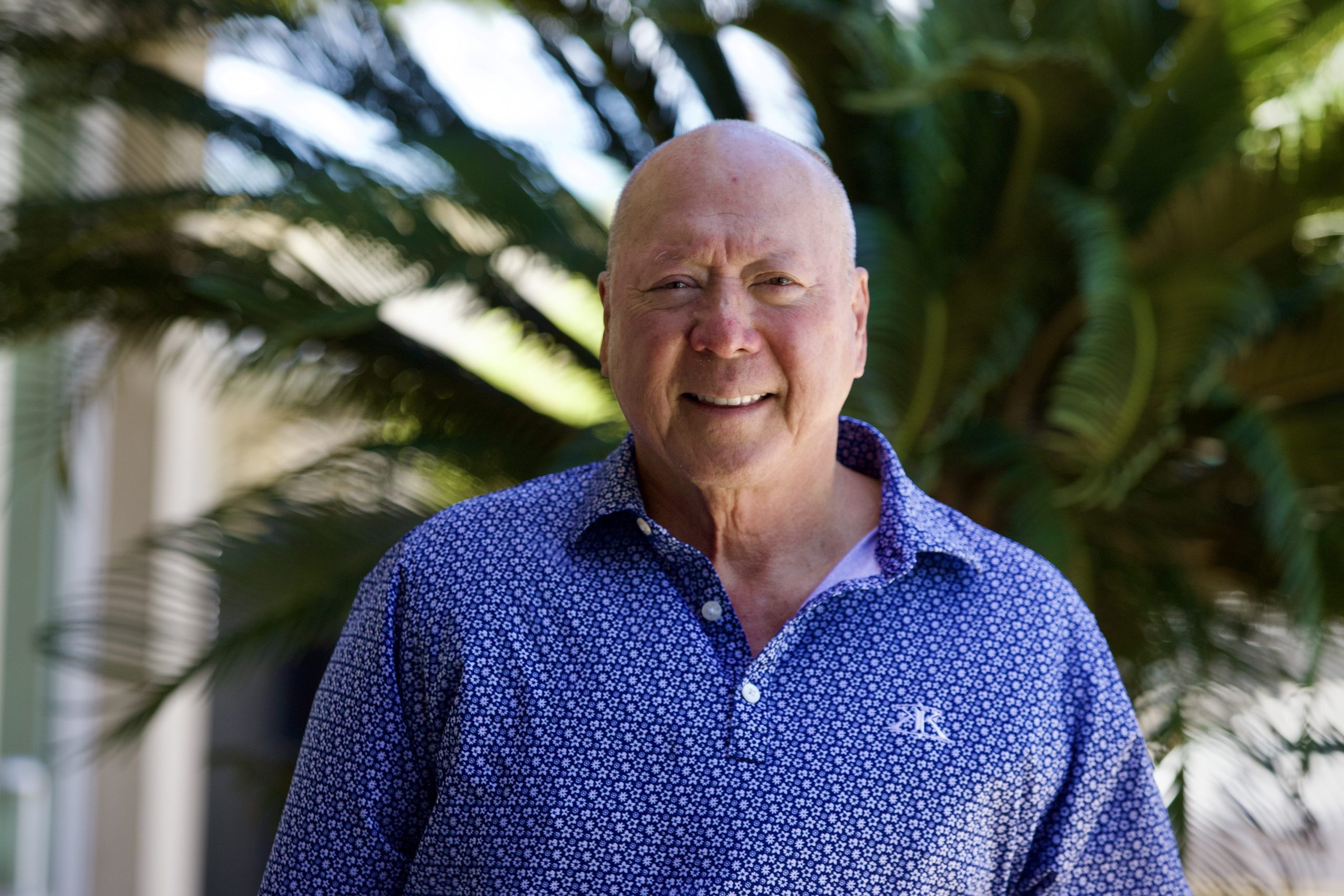
Yokouchi, 67, said he was inspired to run by his father, Masaru “Pundy” Yokouchi, a prominent real estate developer and philanthropist perhaps best known for being the driving force behind plans to construct the Maui Arts and Cultural Center. The elder Yokouchi died in 2006.
“I learned from an early age that we should always try and give back to the community,” he said. “I figured I would run and give the people an option.”
This year’s council races are especially noteworthy because they give Maui residents a rare chance to reshape the political power dynamics of the county’s nine-member legislative body. Two members of the conservative-leaning majority — Sugimura and Council Chair Alice Lee — are not running for reelection, and at least two other races are expected to be competitive.
Candidates must live in the geographic area they are seeking to represent, but residents across the county can vote in every race.
Water Management
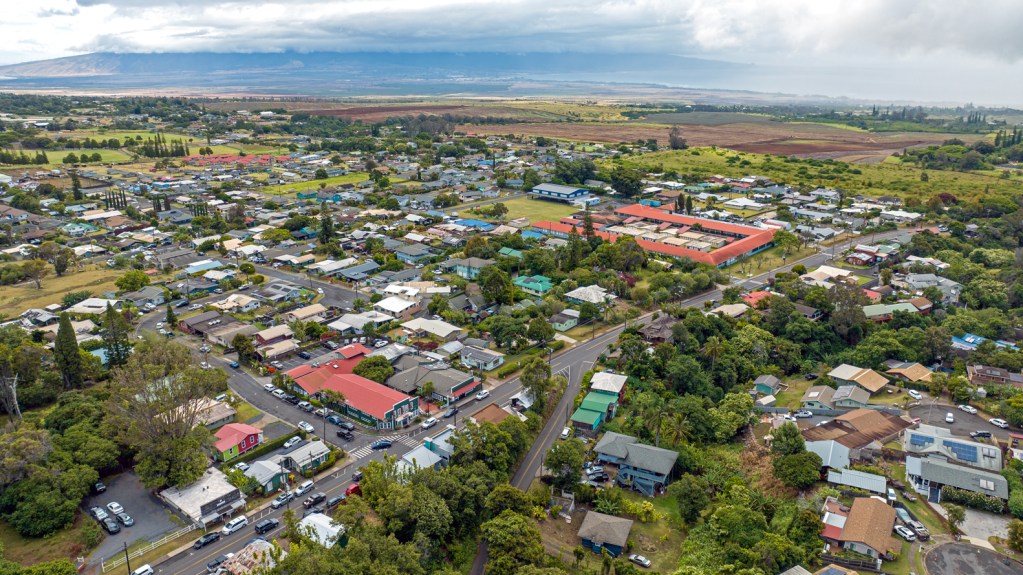
Upcountry neighborhoods largely rely on surface water pulled primarily from streams and reservoirs in East Maui, not groundwater wells. As a result, the community often endures the harshest consequences of drought conditions, which have become more frequent and severe in recent years.
Pahia and Yokouchi agree that the problem is urgent, with more than 1,400 households and other entities waiting to be hooked up to county water, stifling growth and negatively affecting the region’s agricultural community. Pahia says returning the local water supply to public ownership should be an integral part of the solution, whereas Yokouchi argues against trying to reclaim control of water infrastructure from private companies and said officials should focus on drilling new wells.
In 2024, a proposed plan to allow a Chicago company to drill one or more wells to provide water for Kula residents was quickly rejected after residents raised concerns that it would drive up their monthly water bills and hand control of the local water supply to a private developer with no ties to Maui.
The 75-mile-long aging ditch system that carries water — a resource protected as a public trust in Hawaiʻi — from East Maui to Upcountry and Central Maui was originally designed to irrigate sugar plantations that shut down decades ago, Pahia said. But he said an agricultural company owned by a Canadian pension fund continues to influence how much water is diverted to local communities.
“They were granted access to that because it was a very big, if not one of the main economic drivers before tourism came about,” he said, sitting at a picnic table at Hawaiʻi Taro Farm in Waikāpu late last month. “But the sugarcane industry doesn’t exist, and they still want the water.”
In the 2022 election, about 64% of voters expressed a desire to reclaim control of that water system and approved the creation of the East Maui Water Authority to manage it. Four years later, the infrastructure is still held by the agriculture company Mahi Pono — a joint venture between Canada’s Public Sector Pension Investment Board and California-based Pomona Farming — which is able to pump millions of gallons from East Maui streams every day.
Rather than a foreign company determining how much water is available to residents and using the region’s limited natural resources to support crops that often don’t remain on the island, Pahia said, decisions about water should be made by people who live on Maui and who understand the needs of the local community.
“A lot of that water can be diverted to address all those people waiting on that meter list. It can allow more agricultural development,” said Pahia, who serves on the advisory board to the East Maui Water Authority. “Water can address a lot of things, but it’s a resource that was really never decided by the people. It was decided by special interests.”
As a council member, Pahia said he would prioritize working with the state to streamline transfer of the East Maui water system to county control and pushing for more innovative ways to finance repairs to and long-term investment in the infrastructure.
Yokouchi said county officials should direct their energy toward identifying where new wells could potentially be drilled, repairing the systems already managed by the county and investing in larger rain catchment reservoirs and storage.
“The county has to fix their existing water systems,” he said.
He added that the county pays very little to Mahi Pono for water, and it would be more expensive to move to public control of the water supply.
“The county is paying the lowest rate — 6 cents per 1,000 gallons,” he said. “So if the county goes after the water, the price of water is going to go up automatically because the county will have that water infrastructure now and have to rebuild and fix the ditches and all of that stuff.”
Cost Of Living A Central Concern
Both candidates have made the county’s high cost of living a central pillar of their campaign.
Yokouchi said the most obvious way to tackle the issue is to approve new residential and commercial building projects.
“If you want development, I’m your guy,” he said. “I want balanced development.”
Development projects would create construction jobs in the short-term, he said, and once completed, they would expand the housing stock and provide more opportunities to open commercial businesses.
“We should be building up. I think we should build more condos, where a younger generation can live there and build equity,” Yokouchi said. “Then when they get older and more successful, they can buy their own home.”
The Yokouchi family has owned homes and businesses all over the island for decades, he added, and that has informed his understanding of where different types of development make sense. While Upcountry is defined by its quiet and untouched nature, he said Central Maui has many opportunities for growth.
“I don’t want developers to be adding those rich homes just so they can make more money,” he said. “And one big thing is that I did not accept any money from construction unions, and that is pretty important… so I can’t be told what to do by them.”
Pahia said just focusing on development is a short-sighted solution to the county’s affordability problem.
“We don’t have an endless supply of land or water or beaches,” he said. “We really need to take stock of our natural resources, because that’s the basis of any type of growth, whether it be residential, whether it be business … Then that can give you a good foundation to inform how you plan.”
One of his top priorities as a council member would be to advocate for and identify ways to build a more diverse, self-sustaining local economy that encourages more money to remain in the community, he said.
“We cannot keep on relying on the two major economic drivers in the state, which are tourism and the military,” he said.
Before colonization, people on Maui were able to feed, clothe and otherwise sustain themselves using homegrown materials, Pahia said. Now, he said the county imports the overwhelming majority of its food products, in addition to thousands of other commodities.
“We need to create a more circular, more holistic type of economy based on what we’re already bringing in,” he said. “For example, building material. We could grow a lot of our building materials here. That would cut the costs of housing tremendously, and it could create another industry for our community, and keep the profits here.”