

Third Non-Citizen This Year Charged With Voting Illegally In Hawaiʻi
In the previous cases, one defendant changed her plea to guilty and another faces a December trial
A Polish man living in Hawaiʻi was charged last week with illegally voting in a U.S. election, authorities said, the third such case in the state this year.
Dawid Nalepa allegedly voted in the 2024 general election while understanding he was not a U.S. citizen, a press release from the U.S. Department of Justice said.
Nalepa, 45, arrived in the United States in about 2020 through a visa waiver program but stayed longer than he was supposed to before applying for permanent residency, the press release said. DOJ spokesperson Aislinn Affinito said that Nalepa voted on Kauaʻi.
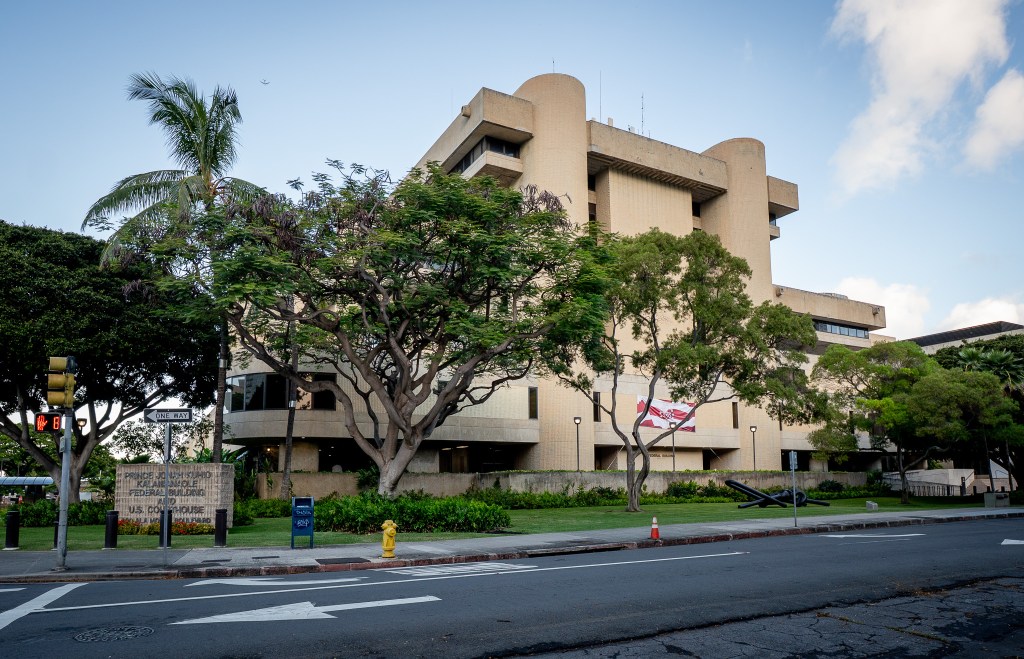
The charges against Nalepa come amid a campaign by the Trump administration to prove that voting by non-citizens is so commonplace that it threatens the integrity of elections. Research, including by conservative organizations such as the Heritage Foundation, has found that it is very rare and there is no evidence it has swayed elections.

The official charge against Nalepa is unlawfully voting as an alien, a misdemeanor, which carries a potential sentence of up to a year in prison and a fine of up to $100,000. The court has no jurisdiction over Nalepa’s immigration status but immigration authorities could pursue separate action against him, including ordering him deported.
The other two cases in Hawaiʻi involved Maui residents — both women — who emigrated legally from the Philippines.
In the first case, Remedios Alasaas, 66, a Kahului resident, pleaded not guilty in June to voting in elections in 2022 and 2024. She is set to go to trial in December.
Hers was the first such case in Hawaiʻi in at least four decades.
In the second case, Bernadette Acaso, 19, was accused in July of voting in the 2024 general election. After initially pleading not guilty, Acaso changed her plea to guilty in October and is to be sentenced in January.
Both the Maui cases came to Maui County Clerk Moana Lutey’s attention, she said, when the women “reported to us that they were not U.S. citizens.” Lutey said she then referred their cases to the FBI.
The justice department did not disclose further details about Nalepa’s case, and no court records were immediately available, so it wasn’t clear how his case came to the attention of authorities or who his attorney was. No hearing date has been set in the case, said Affinito, the justice department spokesperson.

