Honolulu Businesses Hurt By Rail Construction Find City Help Falls Short
It took years for the city to set up a program helping businesses that were negatively impacted by rail construction. Now, that program is underutilized and insufficient, business owners say.
Two years after it finally got off the ground, a grant program aimed at helping small businesses around Dillingham Boulevard weather the massive rail construction underway there is barely making a difference, and city leaders acknowledge it needs fixing.
Whether those changes to the Transit Construction Mitigation Fund can be made in time to help keep those Kalihi businesses afloat as the construction in the almost 2-mile corridor ramps up and ends by around 2031 remains to be seen.
Business owners say they appreciate the city’s offer of help. But they also say the maximum yearly award of $10,000 is too small to offset the impacts of essentially turning Dillingham into a traffic obstacle course, and the application requirements are too onerous for many of their peers.
“Not many people qualify,” Hawaii Sewing Supplies manager Joseph Hong said in an interview. His business was one of only five awarded a grant from the city last application cycle, Honolulu City Budget Director Andy Kawano said, out of 30 that applied.
City officials say the fund is still a work in progress.
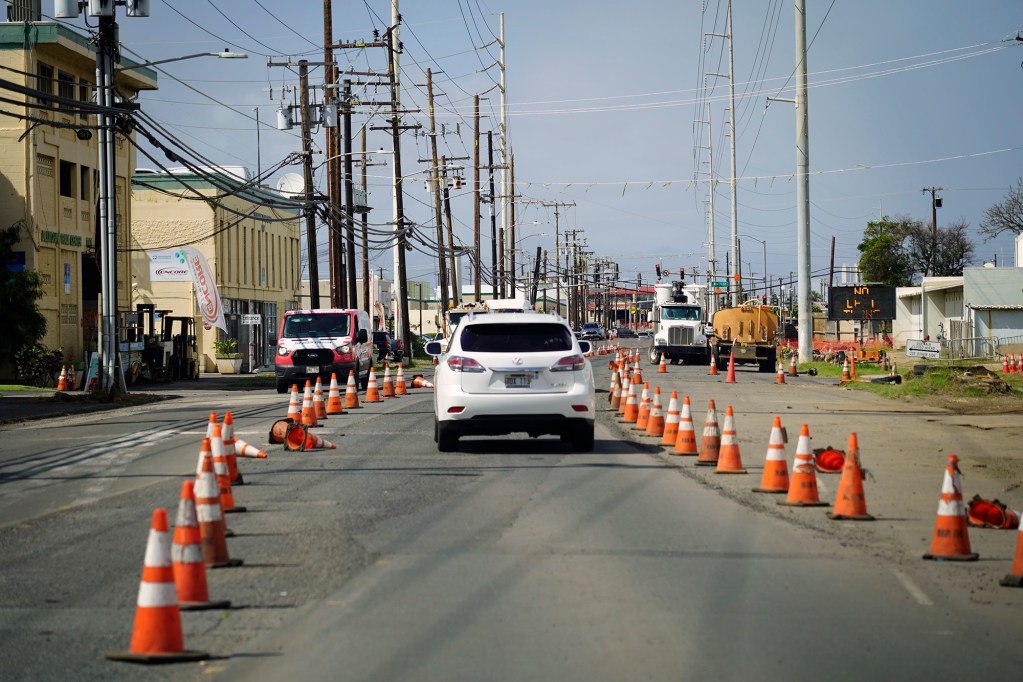
“We’re trying our best to make sure that these businesses have a lifeline,” said Honolulu City Council member Tyler Dos Santos-Tam, who co-introduced a bill two years ago with fellow Kalihi-area council member Radiant Cordero to finally get that fund off the ground. “I think what we’ve found over the past two years is that we need to continually revise the program to meet the needs of those businesses.”
Long History Of Sputters
The idea of giving money to local businesses negatively impacted by rail construction has been a work in progress for at least the past 10 years.
When council members first created a fund in 2015, as construction was pushing through Central Oʻahu, they gave it only vague requirements on how money could be spent. At the time, those members weren’t even sure whether they could use money allocated for rail construction or if they would have to scrounge money from somewhere else.
It turned out, as the city’s legal counsel determined, that they would have to scrounge. The city ended up not putting any money into the fund and didn’t create requirements for distributing it.
Then, a couple years after creating the empty fund, council members allocated $2 million in tax breaks for affected businesses. Those tax breaks, which then-Mayor Kirk Caldwell opposed, were never distributed.
By mid-2023 — when rail crews were digging up Dillingham to relocate underground utilities lines and traffic was reduced to a one-lane slog in each direction — Dos Santos-Tam and Cordero attempted to revive the dormant fund by adding requirements for the budget department to finally dole those dollars out.
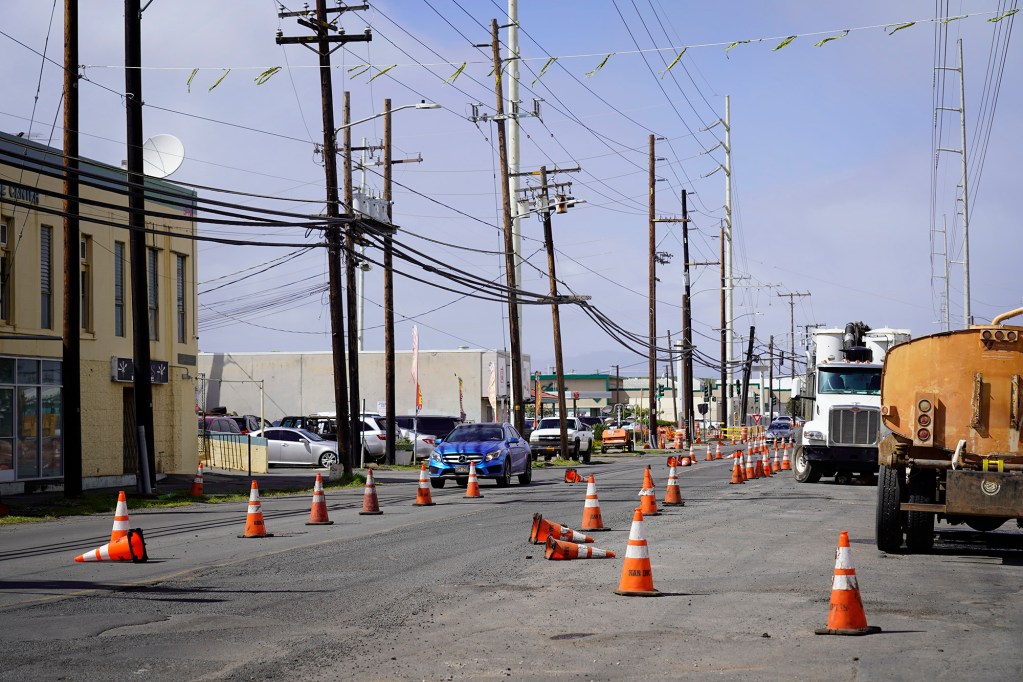
They limit the grant program to small businesses in the area by setting a cap on yearly revenue and number of employees, they set the maximum grant amount to $10,000 per business per year.
Council members allocated $250,000 to the newly revived fund, enough to pay about 20 businesses after administrative costs. This year, they boosted the amount of money available for grants to $400,000 with the intention of paying 40 businesses and allocating new money each year.
Business owners along Dillingham said the combination of rail construction along the road — which made it difficult for their customers to walk around or pull into parking lots — as well as the Covid-19 pandemic has hurt their revenues.
Hong, the sewing supply store manager, said the Kalihi business’ yearly revenue used to be between $500,000 and $700,000. Now, he said, it’s down to between $200,000 and $300,000 each year – which the city’s offer of $10,000 doesn’t come close to covering. Hong said the award paid for three months of rent. He also said three of the store’s four employees – including himself – have reduced their salaries to reduce business expenses.
“It helps,” Hong said of the grant, “but very little.”
Myong Hui Yagisawa, who opened her sushi restaurant Boulevard Snack along Dillingham in 2008, agreed with that sentiment. She said her revenue used to be about $100,000 each year but that it’s dropped to about $55,000.
Like Hong, Yagisawa was a recipient of the city’s $10,000 grant last application cycle, and she said it was helpful to pay for a couple months of rent but not sufficient to make up for her losses.
“Not enough people are coming,” she said.
Learning For The Future?
The expectation was to pay out $10,000 grants to 40 businesses this year, Kawano said, “but right now we’re not sure.”
He said the application flow has been “relatively slow,” with only six applications submitted as of Friday. The application portal opened Oct. 20 with an original deadline of Nov. 6, but officials extended the deadline to Dec. 15.
That’s a repeat of the initial application cycle earlier this year, when the portal opened Jan. 27 and the deadline was extended from Feb. 7 to Feb. 21. Thirty businesses ended up applying that cycle.

After the initial application cycle, Dos Santos-Tam and Cordero co-introduced a new bill to expand eligibility for the city’s grant program.
The move raised the revenue limit from $750,000 each year to $1 million and scrapped the requirement for there to be 15 employees or fewer, since having a lot of part-time employees could inadvertently disqualify a small business, Dos Santos-Tam said.
Other requirements to participate in the grant program include being majority-owned by city residents, doing business within a block of active rail construction, opening at least 12 months prior to the start of active rail construction in the area and showing at least a 10% decline in revenue in 2023 or 2024.
Looking forward, Dos Santos-Tam said, it could be worth reducing the amount of paperwork required of applicants. He said the $10,000 ceiling is a way to give grants to the most amount of businesses possible using available funds, but that it could be worth tinkering with that calculation. In Los Angeles, businesses receive up to $60,000 for lost revenue due to transit construction.
Dos Santos-Tam, who was the council’s budget chair before council chair Tommy Waters reorganized the council’s leadership structure, doesn’t have as much sway as he used to for adding money to his priorities. Council member Val Okimoto is the new budget chair, and she voted against the bill that revived the fund in 2024.
In a text message, she said she wants the city to prioritize supporting the small businesses who are actually being targeted.
“Before increasing funding,” she said, “it’s important to understand why only a few businesses applied in the first round whether that’s an issue with outreach, eligibility, or how the program was set up.”
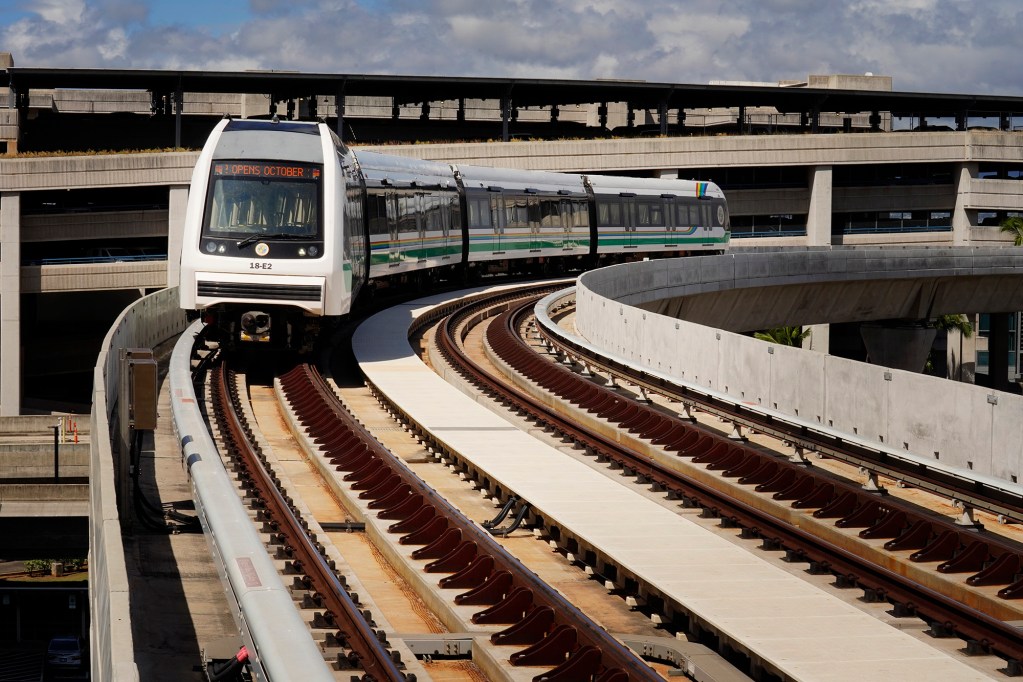
Still, the funding for small businesses pales in comparison to the rail’s overall budget of over $10 billion. The project, now branded Skyline, is billions of dollars over budget and more than a decade behind schedule. It opened its second leg last month, which includes a stop at the airport, and doubled ridership from about 5,000 people a day to about 10,000.
The Dillingham corridor is one of the most difficult sections for construction because of the density of utilities that need to be moved, and the challenges there are a key reason for the budget hikes and delays. That utility relocation work is scheduled to be completed by late 2026 so the third leg of the guideway can make its way into town, where more small businesses in its path await.
“Not every program that we do is going to be exactly perfect,” Dos Santos-Tam said. “But it’s incumbent on us to try to make it work as best as we can and make changes when we get new information.”
“Hawaiʻi’s Changing Economy” is supported by a grant from the Hawaiʻi Community Foundation as part of its work to build equity for all through the CHANGE Framework.