

Amid Funding Fears, Food And Farming Bills Fared Better Than Expected
Lawmakers, farmers and agriculture advocates found tens of millions of dollars for key infrastructure projects this legislative session.
Defying the pessimistic predictions of agricultural leaders and advocates, the Legislature agreed to invest well over $100 million into farm projects and programs during the 2026 session.
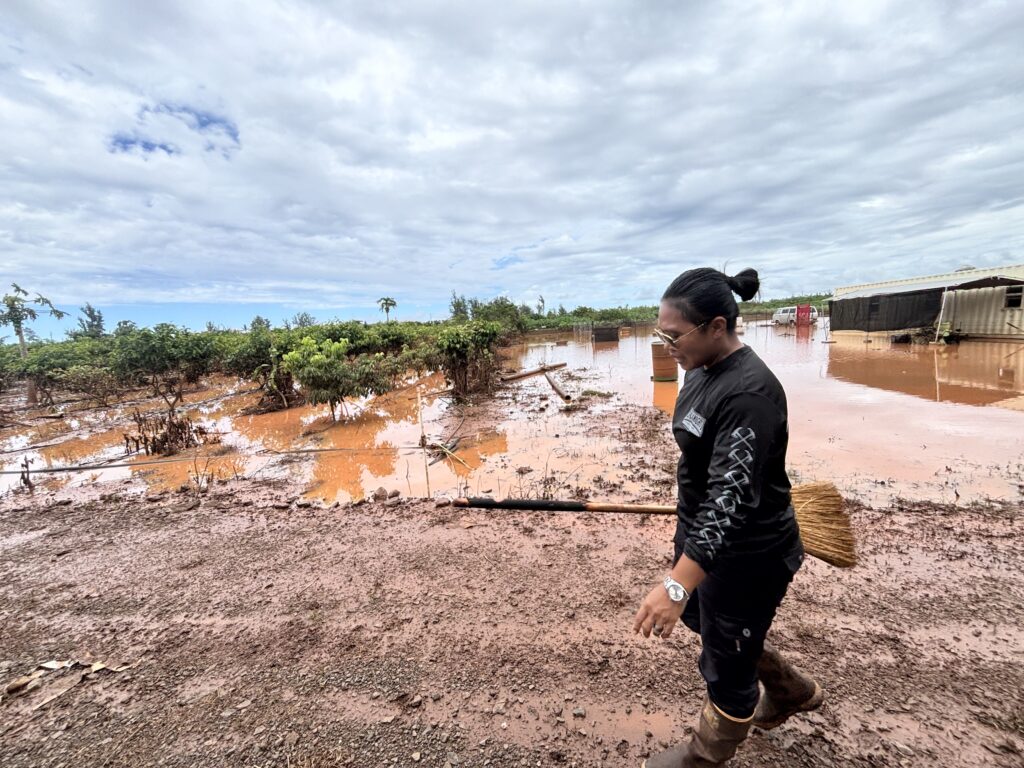
Those interests had faced federal funding cuts, pressure on tax breaks and general budget constraints. Then March’s Kona low storms dealt another blow that made a successful session feel even less likely, according to Hawai‘i Farm Bureau director Brian Miyamoto.
“But honestly, we did better than we expected,” he said.
The measures all await Gov. Josh Green’s sign-off in the coming months. If approved, the cash infusions will be felt statewide, with hefty allocations to agencies to cover the ever-inflating cost of rehabilitating the Wahiawā Dam and its spillway, which threatened to fail during March’s record rains.
Additional money has been set aside for the state to fortify miles of irrigation on Kauaʻi, finish a long-neglected Oʻahu agricultural park and fund a University of Hawaiʻi biosecurity research facility.
Food security and farmer-focused programs were not neglected either. The Legislature voted to inject funding into food banks and shipping subsidies for local farmers, while also agreeing to finally find a way to define what constitutes bona fide agriculture.
“We were able to do better than I think a lot of people expected,” said Sen. Tim Richards, vice chair of the Agriculture and Environment Committee.
Advocates are celebrating an additional $800,000 being allocated to the Farm to Families program, which pays to get local produce in food banks while helping alleviate concerns about federal funding cuts to the Supplemental Nutrition Assistance Program, formerly known as food stamps. That would add to about $500,000 set aside for the program last year. The Legislature also passed two measures to smooth access to the program, including for the elderly.
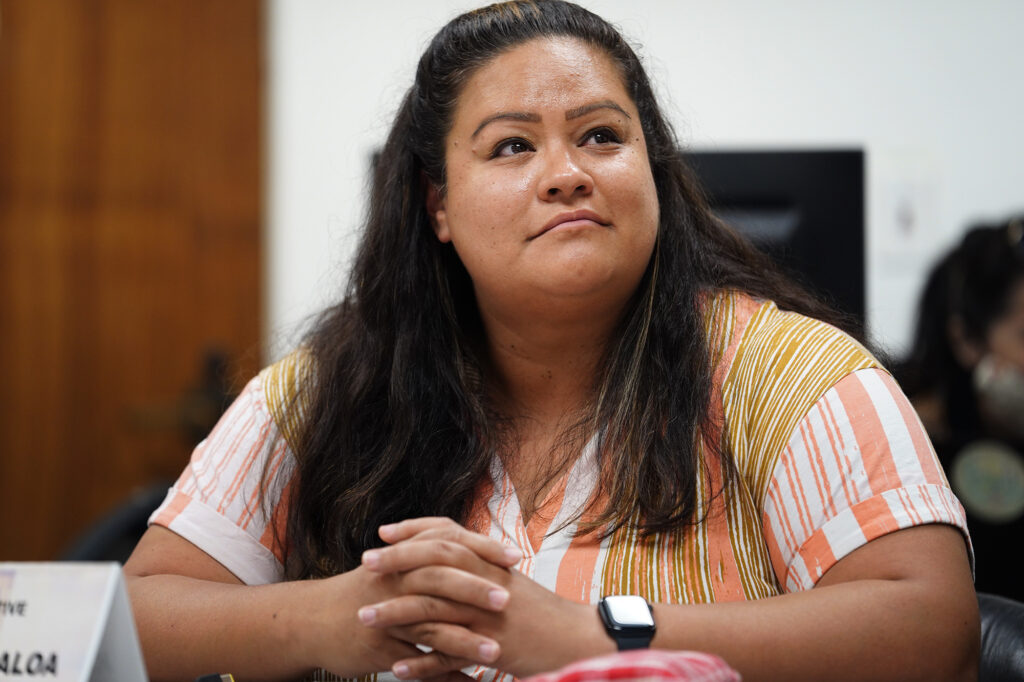
“The need is definitely greater but this funding of nearly a million still helps and gets food from farmers to our local families,” Rep. Kirstin Kahaloa said. “I think it’s important we were able to fund something … Dedicated funding for a program like this is ultimately important.”
Agriculture and food systems advocacy groups introduced hundreds of bills this year. The Hawaiʻi Farm Bureau, for one, introduced nine bills, five of which made it past the final hurdle of conference committee. The nonprofit meanwhile monitored 600 pieces of legislation and testified on 170 bills.
Twenty-three food and agriculture bills monitored by Hawaiʻi Food+Policy, run by nonprofit Purple Maiʻa and students from the University of Hawaiʻi West Oʻahu, succeeded — one fewer than last year.
Friendly Negotiations
Lawmakers allocated the largest slice of their funding to the Agribusiness Development Corp. — tens of millions of dollars to rehabilitate agricultural water systems, which brings its project budget to almost $130 million this biennium.
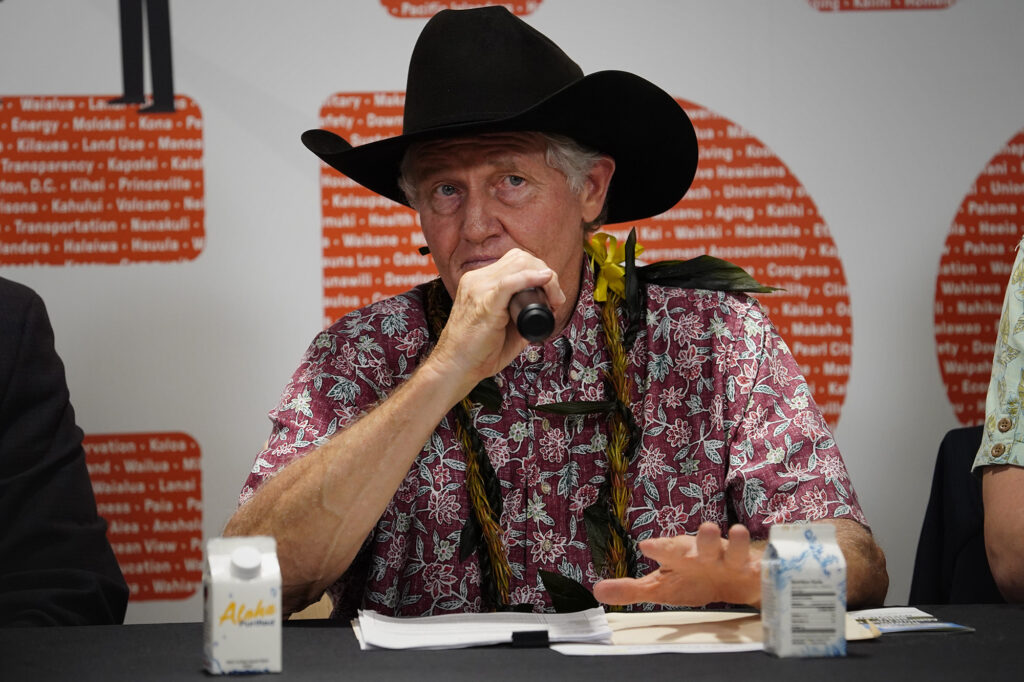
The ADC has also been given extraordinary powers to condemn land and infrastructure, so long as the governor approves the Legislature’s plans, which proved controversial during the session. But Richards, who introduced the legislation, says the passing of Senate Bill 2169 “was a big yee haw for me.”
That’s because the Big Island senator has plantations’ legacy irrigation systems in mind which, in large part, are falling into disrepair on a patchwork of private and government-owned lands.
“If we are serious about agriculture, we need to get it all under one roof so we administer it cohesively and we maintain it systemically,” Richards said. “It’s not the government coming in with a hard hammer, it’s a friendly situation. It allows the ability for landowners to negotiate.”
But advocacy groups raised concerns about the corporation’s track record of managing its finances, projects and leases. That was especially true for its environmental record on Kauaʻi, where it has breached federal Clean Water Act rules.
“No agency with ADC’s track record should be entrusted with that kind of unchecked authority,” Earthjustice attorney Elena Bryant told lawmakers in April. “Just a few years ago, this Legislature considered dissolving ADC altogether. It would be a serious mistake to now grant it even broader powers over our public trust resources.”
The ADC has been overhauled since then, however, with a new director and improved transparency. And Richards said the legislation does not aim to give the ADC unchecked power to seize property.
Investing In Agriculture
The eminent domain legislation comes atop close to $12 million for the construction and refurbishment of irrigation systems in West Kauaʻi, where the agribusiness corporation controls approximately 28,000 acres. The corporation has for years expressed interest in investing further in the region’s agricultural output, including shared facilities with the Department of Education.

More than $9 million is allotted for emergency improvements to the Koke’e Ditch Irrigation System and the remaining funds are intended to help increase efficiencies in the Kekaha irrigation system reservoirs.
The projects add to the multiple initiatives the government-owned corporation is juggling. They include a $17 million slaughterhouse, a $22 million post-harvest facility and more-than $6 million processing facility on Oʻahu.
There’s also money for the ADC to purchase more land, which Rep. Kahaloa said will be crucial to help support farmers and ranchers and create a manufacturing pipeline.
This year’s appropriations add approximately $17 million to last year’s budget, bringing the corporation’s total funding to almost $130 million in general obligation funds.
That doesn’t include funding allocated as part of the green fee revenues, which includes $7 million more for the corporation to help it develop the Food and Product Innovation Network, a series of shared facilities for food manufacturing.
Lawmakers ponied up another $40 million for the state Department of Agriculture and Biosecurity in this year’s budget, including $15 million to finish construction of the Royal Kunia Agriculture Park on Oʻahu.
The state has owned the land for the park for 20 years and the agriculture department has asked for additional funding to install water lines to make it farmable. Improvements for the Kahuku Agriculture Park have similarly been funded after years of waiting.
Lawmakers mostly passed housekeeping measures for invasive species, as the agency continues to build up capacity to prevent the spread of pests. The University of Hawaiʻi received $3.7 million to build a dedicated facility for biosecurity research.
The sheer amount of funding going toward agriculture, in spite of a difficult session, is a sign lawmakers are getting more invested, Miyamoto said, as they also put $1 million in subsidies for interisland shipping for farmers, which increased by 25% in January.
“Is it going to be enough? Not at all,” Miyamoto said. “But does it help? Yes.”
“Hawai‘i Grown” is funded in part by grants from the Stupski Foundation, Ulupono Fund at the Hawai‘i Community Foundation and the Frost Family Foundation.

