

Oʻahu Voters Could Give Native Hawaiians More Sway In The City
A new Office of ʻŌiwi Resources and Cultural Stewardship on Oʻahu could be modeled after a department in Maui County.
Maui County now has its own agency focused on preserving natural and cultural resources, giving residents, especially Native Hawaiians, a voice in future development, and ensuring that government documents are translated into ʻōlelo Hawaiʻi.
Voters on Oʻahu will be asked if the City and County of Honolulu should create an agency modeled after Maui’s department. A charter amendment question proposes creating the Office of ʻŌiwi Resources and Cultural Stewardship along with a cultural advisory council to help guide its work.
Proponents believe the new office could help protect burial sites, reinvigorate use of the Hawaiian language in the city, guide development and increase citizen participation in county government.
Entrepreneur Keoni DeFranco wrote the proposal to the charter commission last year. He said it’s necessary to have one agency focused on integrating traditional knowledge and stewardship practices into county planning.
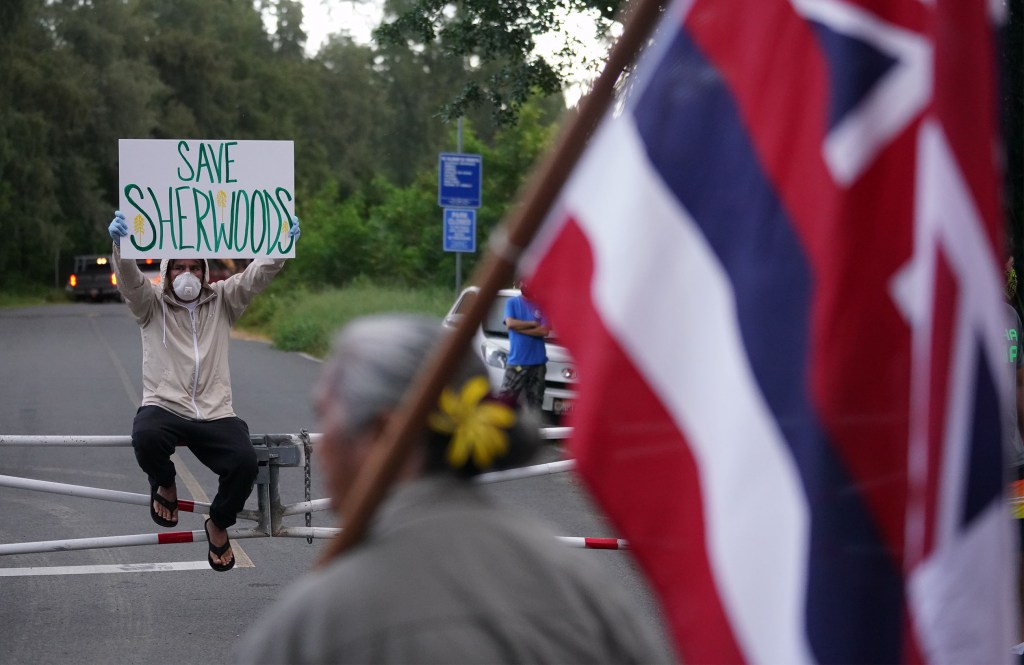
He hopes the new agency could safeguard cultural resources and help rebuild trust in local government.
“In a lot of our communities, there’s a lack of trust within city and county operations, they feel a bit disillusioned,” DeFranco said.
Some of this new office’s responsibilities overlap with functions performed by the Office of Hawaiian Affairs, created in 1978 to improve the condition of Native Hawaiians.
But supporters of the county ʻōiwi resources agencies say these new departments are in a better position to work on county-level issues, unlike OHA, which is a statewide agency. OHA has even officially supported the Honolulu charter amendment as a “practical proposal” to protect Native Hawaiian rights.
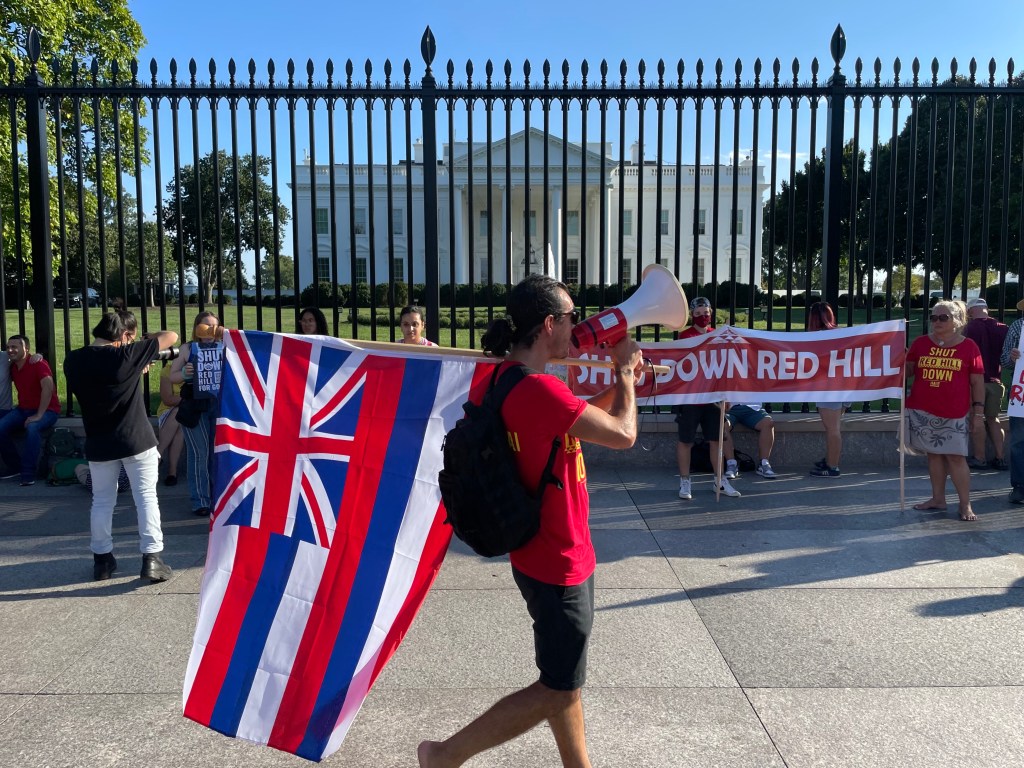
Across the state, lawsuits over the handling of Indigenous resources have stalled projects — from the Honolulu rail line to the ongoing controversy over the Thirty Meter Telescope on Mauna Kea.
Maui council member Keani Rawlins-Fernandez sees the ʻōiwi resources department as a way to head off those kinds of disputes by working with both developers and county officials to warn them of culturally sensitive areas, such as places with a preponderance of ancient burials, and get input from communities long before shovels go into the ground.
The ʻōiwi resources department also would play an important role in providing input on long-range planning, translating Honolulu County documents into ʻōlelo Hawaiʻi, and ensuring that the language is used throughout the county.
“There is a ‘Hawaiʻi Culture’ that is this blend of Indigenous people and immigrants from the plantation era,” Rawlins-Fernandez said, “But it’s important for us to ensure that the first peoples of this place — their culture, their language — not just barely survives, but it thrives and grows.”
What Are ʻŌiwi Resources?
Neither Maui County’s charter nor Honolulu’s charter amendment define ʻōiwi resources.
Kaponoʻai Molitau, director of ʻōiwi resources for Maui County, said it represents all of the natural and cultural resources in Hawaiʻi.
“We’re thinking about our ʻāina, we’re thinking about our wai, our lani, our honua,” Molitau said, adding that ʻōiwi resources also include iwi kūpuna — remains — and mineral rights.
And in guiding the county in managing those resources, Molitau said, is the understanding that they are all finite and can be depleted if not managed properly.
What Would The New Office Be Responsible For?
Honolulu’s ʻōiwi resources agency would be placed in the mayor’s office. Its director would be appointed by the mayor and subject to confirmation by the City Council.
The director’s duties would include working with community organizations to elevate local priorities, promoting the participation of Hawaiian practitioners and experts in government, promoting healthy ecosystems, guiding the city in the proper usage of ʻōlelo Hawaiʻi, and working with the council and city agencies to ensure proper management of ʻōiwi resources.
DeFranco suggests the Honolulu office should mirror the Maui department, with three divisions focused on safeguarding land and iwi kūpuna, preserving natural and cultural resources, and uplifting Hawaiian voices in government decision-making.
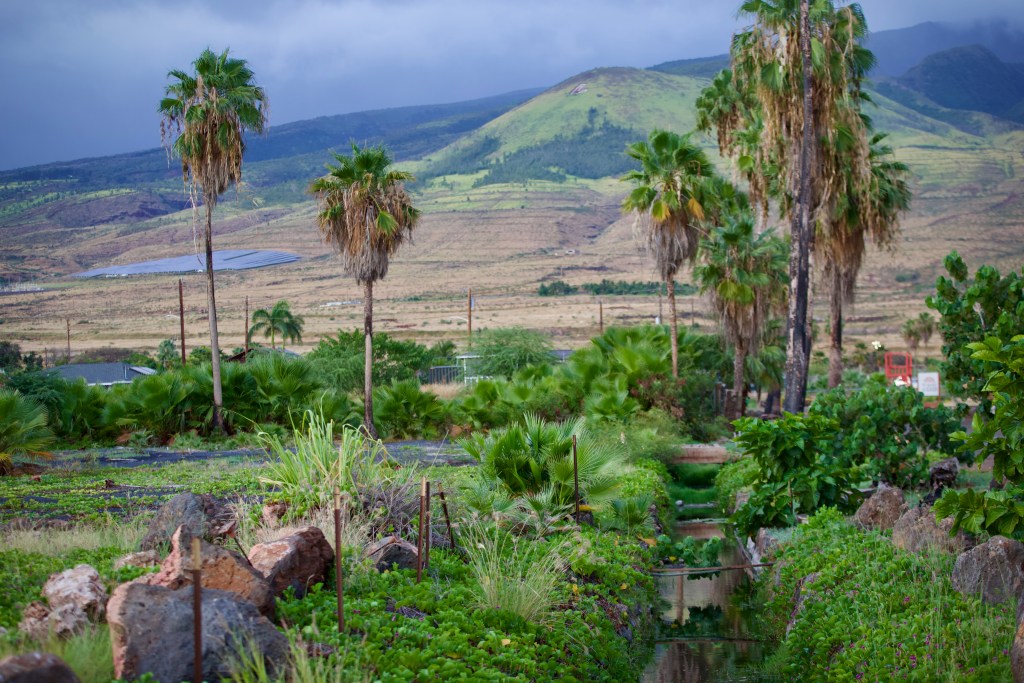
On Maui, the department also became the distributor of cultural grants previously overseen by another office totaling about $500,000 per year.
It also has its own archeologist responsible for weighing in on historical preservation and burial laws that may affect county projects and other developments. It takes on some of the responsibilities usually handled by the state’s Historic Preservation Division, which oversees the treatment of iwi kūpuna but is often backlogged with projects.
The Maui agency has assisted in restoring remains washed away from the Nāʻālehu Cemetery on the Big Island, and is currently leading efforts to restore a royal complex in Lahaina as well as the ancient waterways that once ran through the area that have returned in the aftermath of the wildfires.
It’s not yet clear how much the new office could cost to implement in Honolulu. Maui County budgets just over $1.6 million annually for the operations of its department.
What Can Honolulu Learn From Maui?
On Maui, department leaders spent the first year mapping out the agency’s goals and outlining a strategic plan to guide its work through 2030. DeFranco, who wrote the Honolulu proposal, suggests Oʻahu’s office should do the same, spending time in listening sessions to hear what communities on the island need from the office.

The charter amendment also calls for the convening of a cultural advisory council of “kūpuna, cultural practitioners and community representatives to propose policy and advise the mayor and the council on issues affecting ‘ōiwi resources.”
DeFranco envisioned having a representative from each of Oʻahu’s six traditional moku (Waiʻanae, Waialua, Koʻolauloa, Koʻolaupoko, Kona and ʻEwa), as well as a representative with experience with ancestral burials or historic preservation, a land stewardship expert, a student and a kūpuna.
Molitau said it’s imperative the office uplifts voices from communities across Oʻahu.
He also believes it’s important for the director of that office to be on equal footing with the other executive branch directors in the county — and to act as a check on the other departments in advocating for the preservation of natural and cultural resources and the protection of sacred spaces.
The ʻōiwi resources proposal did not receive any opposition as it moved through the Honolulu Charter Commission. The city Department of Planning and Permitting, however, raised concerns that its responsibilities could overlap with the Oʻahu Historic Preservation Commission.
That could be a problem if the two groups make conflicting recommendations or if there’s confusion over which office is supposed to weigh in on cultural resource matters on behalf of the city, Planning Director Dawn Takeuchi Apuna said in written testimony.
In lieu of creating a new agency, Takeuchi Apuna suggested improving existing consultation processes or creating an advisory body to provide cultural expertise and gather input from communities.
In Maui County, the charter was also changed to require the Department of ʻŌiwi Resources and the county planning department to work together on long-range projects. That provision is not included in Honolulu’s amendment.

