Voters Bring On New Faces To Tackle Old Issues In Neighbor Island Councils
Kauaʻi, Maui and Hawaiʻi county councils will have plenty of fresh perspectives following the election. But will that be enough to change the status quo?
It’s a seminal moment for the local lawmaking bodies on the neighbor islands as 11 newly elected leaders across three counties prepare to join the ranks for at least the next two years.
The councils on Maui, Kauaʻi and the Big Island have distinct goals, practices and procedures, but they’re all facing similar challenges. Voters last week made their choices based on the candidates’ messaging on many of the same core issues, including storm recovery, housing, affordability, development, wastewater, vacation rentals and food security.
The role is nonpartisan, but incoming council members have a range of political leanings and affiliations. And while the Maui County Council is clearly moving in a more progressive direction following the general election, the change coming to the other two councils is less clearly defined.
In all three counties, new members bring a willingness to get their hands dirty alongside incumbents, whether that’s in the literal sense of cleaning up after recent natural disasters or in digging into longstanding issues that have perplexed and plagued the islands. The newly elected members have also shared a strong and growing interest in engaging Hawaiʻi residents and working at the grassroots level.
The counties are still several weeks out from the official swearing-in ceremonies, but the political intrigue has already begun.
Maui Council’s Move To The Left
Maui County is on the verge of a major political shakeup, with progressives set to reclaim control of the county’s powerful nine-member council for the first time since 2022.
The council has been dominated by a five-member centrist majority, which currently consists of Council Chair Alice Lee in Central Maui, Yuki Lei Sugimura representing Upcountry, Kauanoe Batangan in Kahului, Nohelani U‘u-Hodgins on the North Shore and Tom Cook in South Maui. But come January, the council will swear in three new members, two of whom are expected to join the existing progressive voting block — which includes incumbents Tamara Paltin of West Maui, Gabe Johnson of Lānaʻi, Keani Rawlins-Fernandez of Molokaʻi and Shane Sinenci of East Maui — and create a 6-3 majority.
Political action committees and other donors invested big money in several council races, the bulk of which went to candidates who were not in the progressive faction. In particular, For A Better Tomorrow, the super PAC affiliated with the state’s influential carpenters union, spent hundreds of thousands of dollars supporting Cook, Batangan and other candidates widely considered friendly to developers, according to electioneering reports filed with the Campaign Spending Commission.
With Lee stepping down and Sugimura’s failed mayoral run, some change was inevitable. In Central Maui, that change is expected to be fairly minimal, as centrist candidate Marvin Moniz — the longtime Department of Transportation airports manager endorsed by Lee — prepares to succeed the current chair.
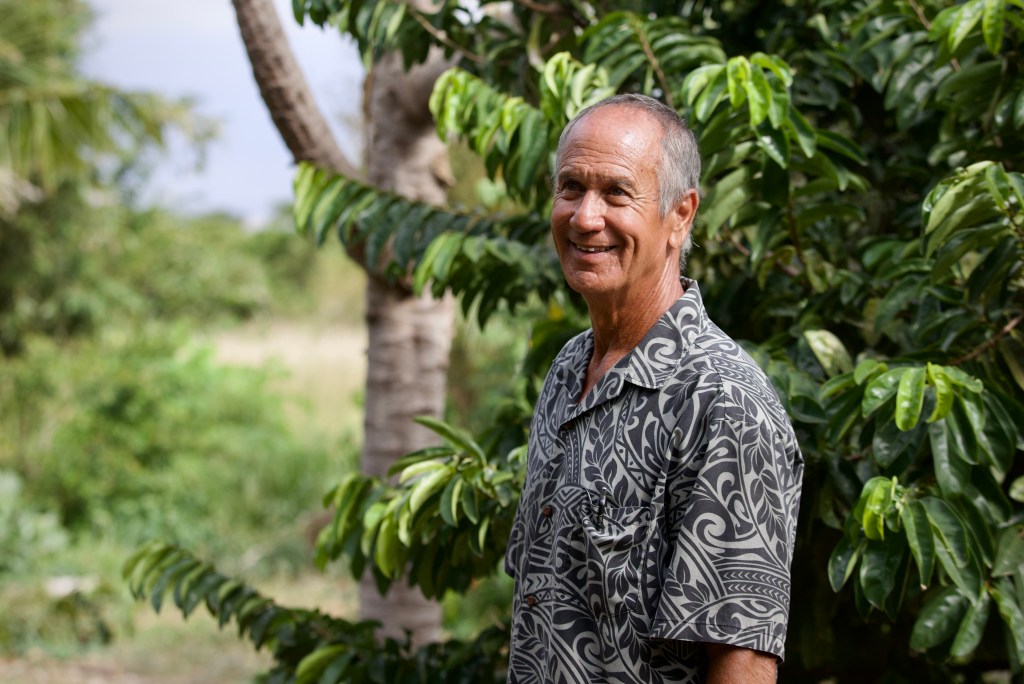
Bobby Pahia, a well-known Native Hawaiian kalo farmer who has been embraced by progressives, defeated business owner Jon Yokouchi in the race to represent Upcountry and will assume the seat Sugimura has held for more than a decade.
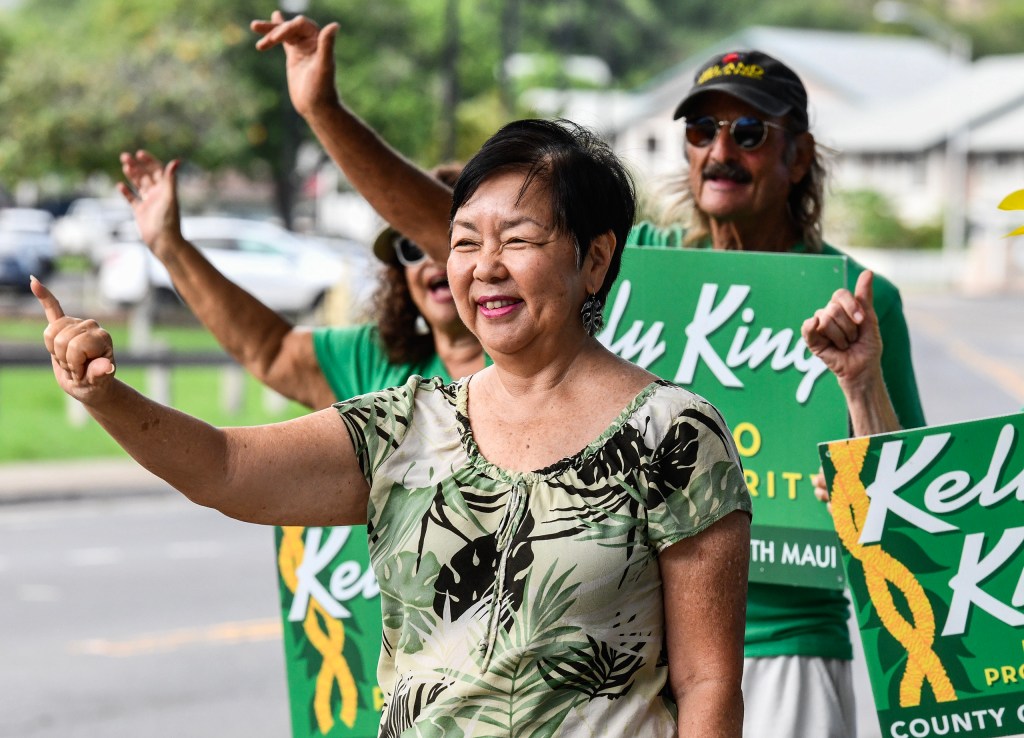
In South Maui, former council member Kelly King represented another win for progressives. King came out on top in a tight race against Cook, who narrowly defeated her in the 2024 election just two years earlier.
Some people were surprised by King’s 47% to 42% victory given her prior loss and the deluge of money that PACs and other donors poured into Cook’s bid for reelection, according to Colin Moore, a political scientist at the University of Hawaiʻi.
“This is a pretty clear and unambiguous win for the progressives on Maui,” he said. “I don’t think there’s any other way to look at it.”
Moore added that despite the super PAC money that flowed to Cook, a general contractor, he thinks, “Republicans and conservatives were demoralized in this election and didn’t turn out to vote. Democrats were charged up, and most of those voters were going to support Kelly King.”
Moore and other political observers have said that the council races, much like Maui’s closely watched mayoral race between Sugimura and Mayor Richard Bissen, would be closely watched and highly consequential. The new progressive majority will take the reins as the council prepares to tackle the ongoing wildfire recovery, major residential development proposals and the long-term management of local water infrastructure.
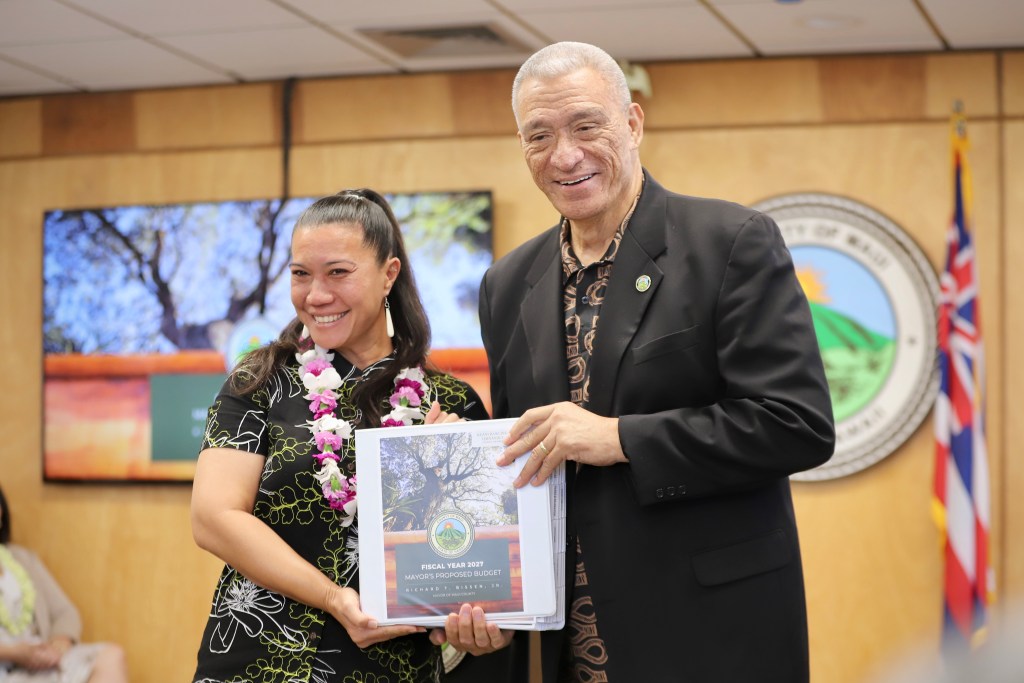
The shifting political tides could have a major impact on the implementation of Bill 9, the legislation that lays out Bissen’s plan to phase out thousands of short-term vacation rentals.
“In some ways, this election was a referendum on Bill 9,” Moore said. “The voters clearly supported it because most of the progressives who ran and those who won — including the mayor — were for it.”
Almost immediately after Bill 9 was approved and signed into law late last year, council members began disagreeing on how to craft another bill — introduced by Cook — that could potentially allow roughly 4,500 of the roughly 7,000 affected units to be rezoned to allow for short-term rental use. The rezoning bill was ultimately approved by the council in June, but prior to the final vote, Rawlins-Fernandez, the Molokaʻi representative who ran unopposed this election, said the legislation catered to lobbyists and rental property owners and betrayed the many Maui residents who supported Bill 9 because they wanted to reclaim housing for residents.
“It’s an election year,” Rawlins-Fernandez said at the time, noting how candidates were receiving questionnaires asking how they planned to rebuild public trust. “We’ll continue to fight alongside our residents that are fighting for housing, to provide shelter for our residents, and making this place our home, not just somewhere to exploit and make business profits off of.”
Despite criticism from those who said the legislation would negatively affect the local economy and lead to lawsuits against the county, Bill 9 appears to have maintained support. It has also given progressive candidates a concrete issue to rally around, Moore said.
Big Island Has A Lot Of Listening To Do
The Hawaiʻi County Council will have four fresh faces come December. Lloyd Enriquez, Ikaika Rodenhurst, Zed Kaʻapana Aki and Manu Powers will represent districts 4, 5, 6 and 7 after winning open seats left by three termed-out members and Michelle Galimba, who chose not to run again.
Despite nearly half of the council being new to lawmaking, they all bring strong ideas about how to fix longstanding issues. Four Native Hawaiian members are preparing to take their seats at the table, making a total of at least five members who identify as Hawaiian, including Council Chair Holeka Gaba Inaba, and that shift could bring new attention to protecting or promoting Hawaiian cultural practices and protecting the land from outside development.
However, a dramatic shift in priorities might be unlikely. “What they have been talking about are very concrete community issues,” Moore said, adding that the new members don’t appear at the outset to be particularly ideological nor focused on different issues than past council members.
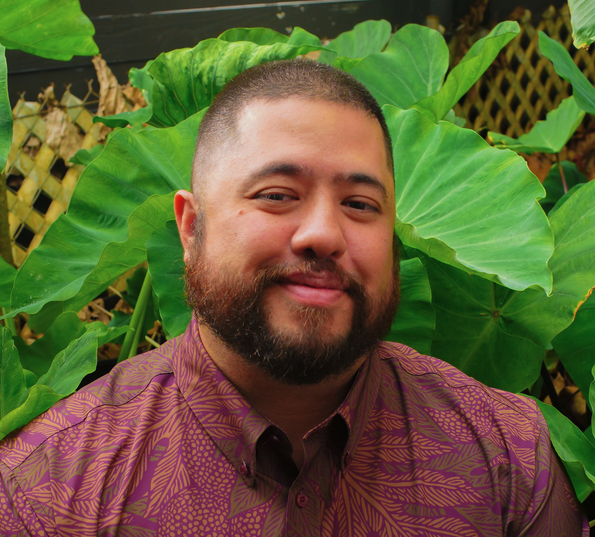
That said, as the housing shortage drags on and storm recovery efforts have been delayed, it’s clear that some voters were motivated by the promise of change.
This is evident in the fact that the two candidates who formerly served on the council, Eileen O’Hara in District 4 and Guy Enriques in District 6, were both defeated on Tuesday.
Aki, who narrowly beat Enriques, said his win made it clear voters in South Kona and Kaʻū are unhappy with the status quo.
“People want change,” Aki said. “We just never seem to be able to get the help that we deserve … People are at the point where they’re saying enough is enough.”
Name recognition definitely helped O’Hara and Enriques, Moore said, but in close-knit communities like Puna and Kaʻū, a history on the council can hurt a candidate too.
“It’s hard to run as a change candidate if you’ve been on the council before,” Moore said. “And it’s about people’s relationship in these small districts with the candidates themselves.”
Though planning has just begun, all four members already agree on one priority — making the government more transparent.
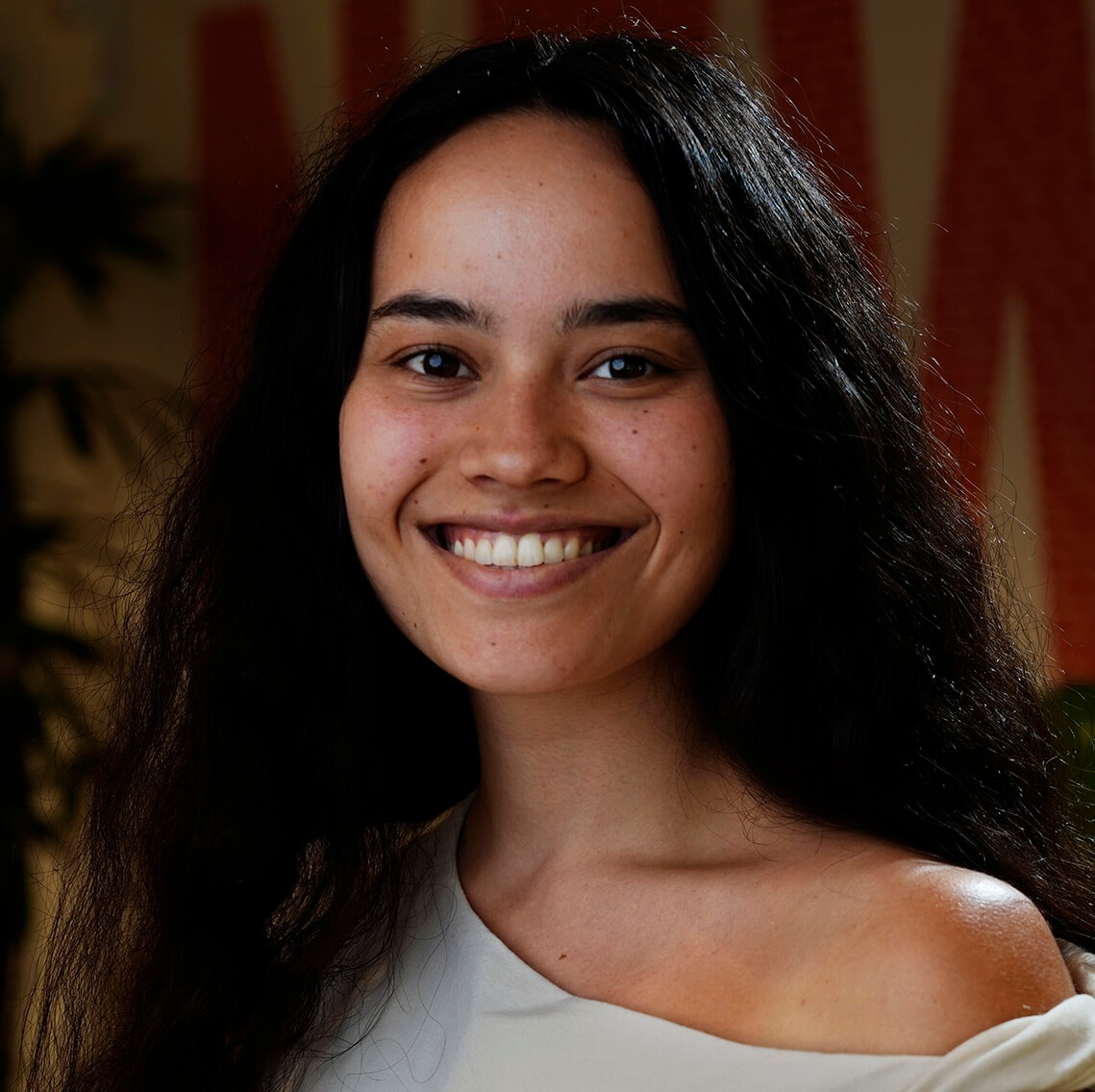
Powers relied heavily on grassroots campaigning and was the only council candidate on the island who outright rejected money from powerful unions and PACs. Instead, she took a community-centered approach, raising small donations from individuals and going door-to-door to meet residents.
It’s a strategy she doesn’t plan to abandon once she takes office. “I hope part of my legacy,” Powers said, “is that I will have made the county council more accessible to the community.”
The county has reached a critical point where longstanding issues, such as the island’s deteriorating wastewater system, cannot be ignored. If the council wants to make necessary change, Powers said, they need support from the community. “And we know we’re not going to get it unless people understand exactly what’s happening,” she said.
Her team has already hired a youth ambassador, a position funded by her own money, and is developing an engagement model using social media, town halls and newsletters to educate residents about how local government works.
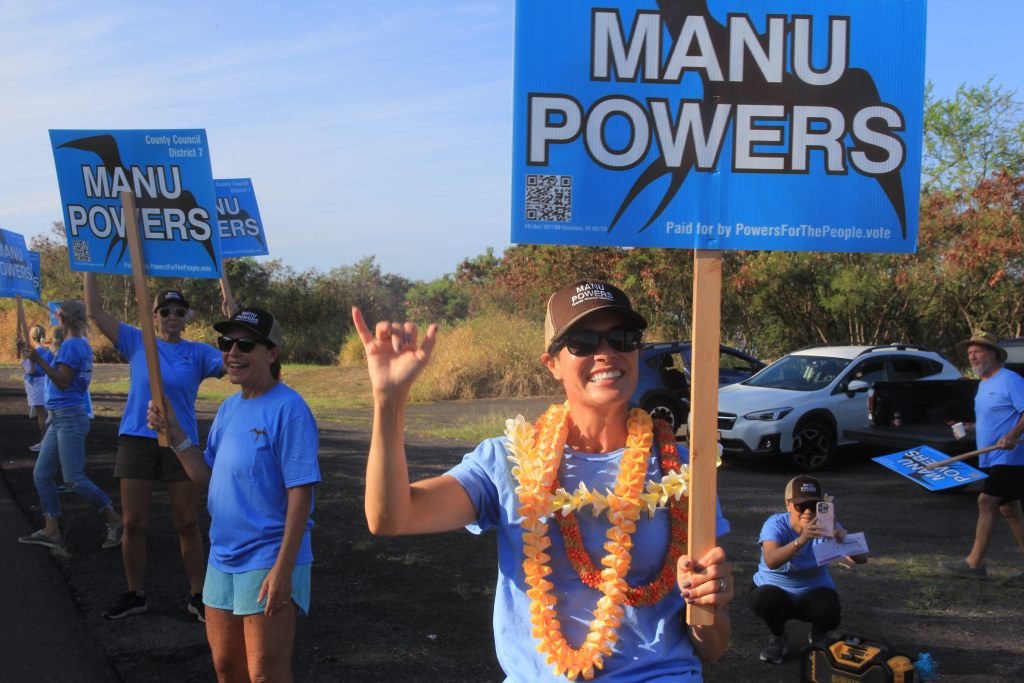
Powers hopes to leverage community organizations for solutions and fiscal support in addressing longstanding challenges and engaging residents throughout the lawmaking process.
“I’ve seen philanthropy be really successful in solving very practical issues and their willingness to do so,” she said. “We need to look outside of the box and not just at the county budget to solve these problems.”
Aki also wants to work closely with the community in shaping his priorities as a councilman. He’s already begun putting together a schedule of town halls in each community in his district and with local organizations. The feedback he gets there, he said, will form his list of projects and a plan for his time in office.
“When we meet together we’re gonna have to come up with almost like an aspirational document, one that says what we want out of community,” Aki said.
Like Powers, Aki is already drumming up ideas for how to ensure residents are engaged in the decision-making process. He said his team is exploring the idea of creating a podcast to educate and empower his constituents.
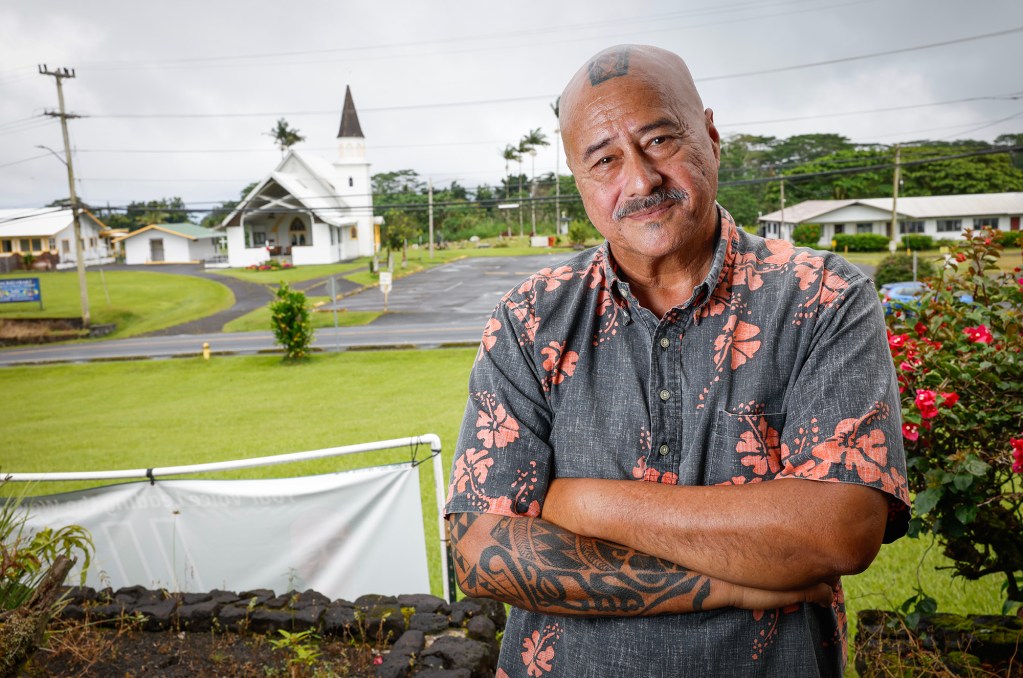
Enriquez also wants to hear from a wide range of constituents. During his campaign, he emphasized the importance of civic engagement, encouraging all Puna residents to vote, even if it wasn’t for him.
“People feel that their voices aren’t heard,” Enriquez said. He added that he hopes to “represent my people from that grassroots level.”
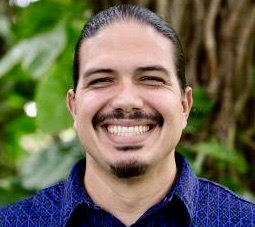
He wants to see county and state offices in all the island’s nine districts. That plan, he said, would kill two birds with one stone – it would connect the community to their leaders and help alleviate traffic.
Enriquez also wants to engage young citizens. His granddaughter encouraged him to run for office, and he wants to ensure that her generation has a voice.
“We go to work to provide a better life for our keiki,” he said, “but we need to reach out and hear from them what they want for their future.”
Rodenhurst told Civil Beat that he’s waiting to speak to his community before deciding what policies to promote. But he’s already set on one idea – creating more spaces for locals to meet one another in person.
“District Five, we’re at a disadvantage where we don’t have as many physical places to gather as other districts,” he said. “And that really drops our connection.”
Building public spaces is critical to getting people engaged and to meet people where they are at, Rodenhurst added. In the meantime, he wants to tailor his engagement to each individual resident, whether that’s through text, email, social media or in person.
Progress, he added, is “something we have to do together. It’s gotta be a kākou effort.”
Kauaʻi Council Is Ready To Get To Work
Four first-time candidates — Todd Ozaki, Michelle Kaleiohi Correa, Dane Smith and Paul Noboru Applegate — will take their place on the Kaua‘i County Council alongside incumbents Fern Ānuenue Holland, Arryl Kaneshiro and Addison Bulosan.
Jan TenBruggencate, former Kaua‘i bureau chief for the Honolulu Advertiser, said it’s rare for so many first-time candidates to be elected, but it shows that they ran excellent campaigns that had them out in the community and active on social media.
It’s only the second time in 30 years that four of the council’s seven seats were open at once, as three members ran for mayor and another termed out. That opening presented a rare opportunity to fundamentally change the lawmaking body’s makeup, and it’s left open the question of who will chair the council after Mel Rapozo, who won his bid for mayor.
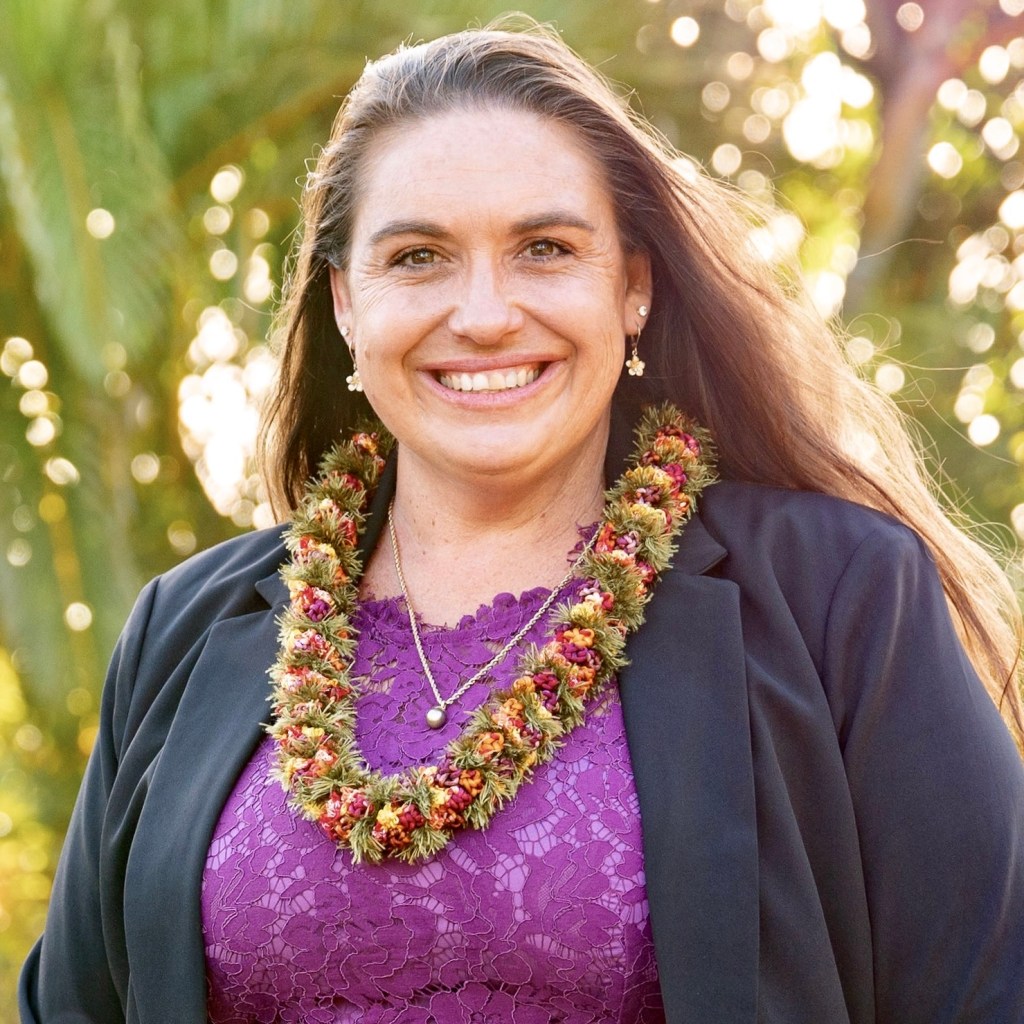
The top vote-getter was Holland, which has some political observers questioning if Kaua‘i is leaning to the left politically. She is open about wanting to see less reliance on tourism, fighting pesticide use, and working to reduce property taxes for generational families.
Holland ran a grassroots campaign, taking no political action committee, union or corporation donations, and she’s the first woman to finish in the top council spot in 14 years. The last was Nadine Nakamura, who is now speaker of the House of Representatives. And it’s only Holland’s second term, having barely clinched the No. 7 spot two years ago.
Political action committees contributed significant dollars to other candidates. For A Better Tomorrow spent over $90,000 on Ozaki and Smith.
TenBruggencate said Holland’s popularity suggests a more progressive lean on the part of the voters. But based on the campaigns he observed, it looks like many of the council members want to get down to the basic work of governing by addressing infrastructure, housing, solid waste, transportation and other issues.
“We have a pretty strong cadre of folks who would fall into that camp and who might push back if too much effort were being spent following political liberal leanings instead of the blocking and tackling of running a county government,” he said.
Over the years, Kaua‘i’s council has largely been made up of longstanding community members with a mix of business interests, government experience and concerns about growth. While it has had some intense periods of ideological splits, it hasn’t been very polarized in recent years. One of the more recent contentious proposals was a 2013 bill requiring pesticide disclosures.
Current council members Bulosan and Kaneshiro, who was first elected to the council in 2014, said ever since then the council has focused on collaboration and cohesion, even when there are disagreements between members.
“We can’t get anything done when we’re fighting,” Kaneshiro said.
Bulosan said he’s excited to have four new perspectives on the council because it will encourage the governing body to look for improvements in its functions and practices.
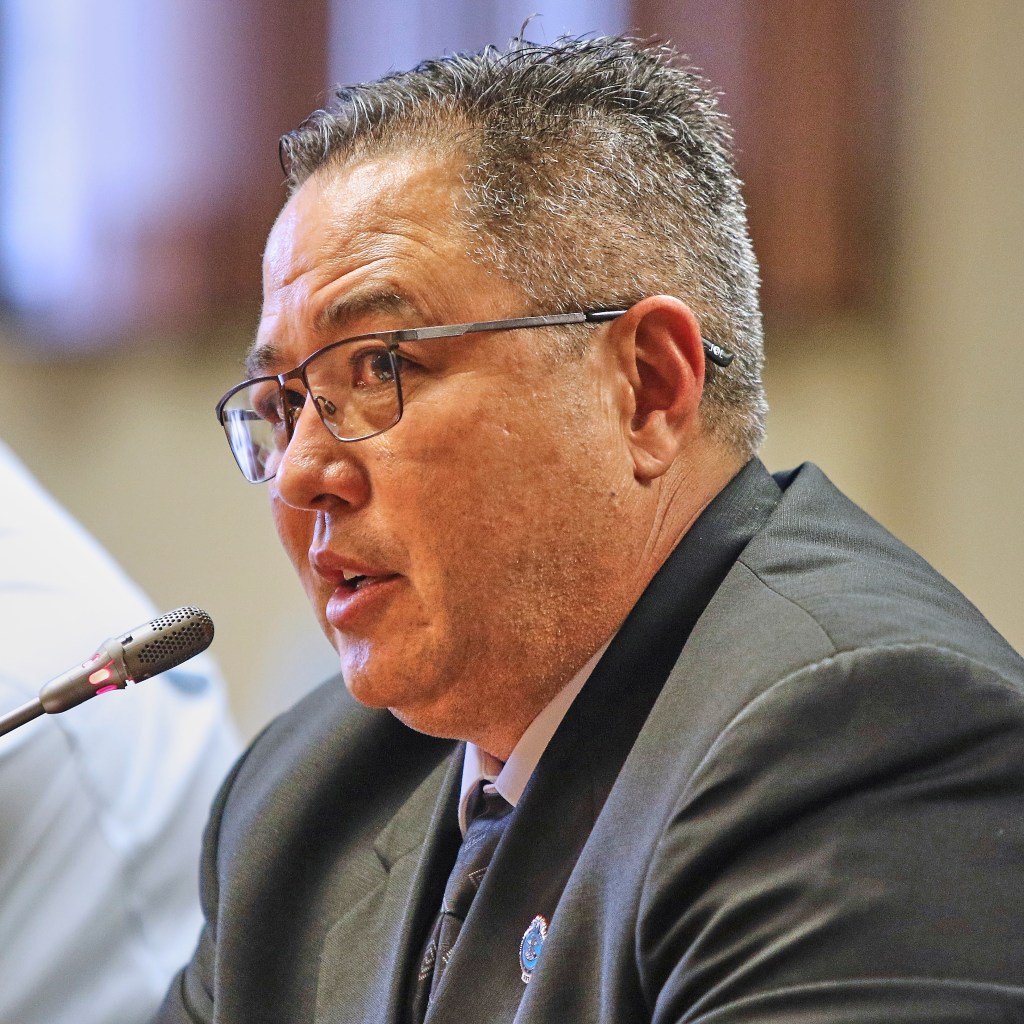
Holland shares that excitement. She’s especially looking forward to working with Michelle Kaleiohi Correa, a Native Hawaiian woman, as the council has long been made up of a majority of men.
Bulosan said he would have liked to see more new female council members. Women have never filled more than two Kaua‘i council seats at a time. On the other county councils around the state, which all have nine members, women have filled four, five and at times six of the seats. He was also disappointed that the council didn’t gain more LGBTQ+ representation.
The four newcomers bring different experiences working in county government. Correa manages the Waimea Neighborhood Center, Todd Ozaki is an executive assistant to the mayor and Capital Improvements Program manager, Dane Smith is a retired Kaua‘i fire captain and Paul Applegate is a retired Kaua‘i police captain.
“I think it’s going to be a pretty good dynamic where you have people who have worked on the executive side and know how things work on that side and have dealt with the council,” Kaneshiro said.
The council will also have for the first time in several years members who reside on the Westside and rural North Shore.
Smith, who lives in Wainiha, said the housing and infrastructure challenges that community members in that area are experiencing are amplified versions of what the island’s residents are facing as a whole. He added that since the council seats are at-large, the roles also require candidates to make sure they’re reaching potential voters around the entire island, not just where they live.
Smith moved up from being the ninth vote-getter in the primary to the sixth in the general. Other candidates largely maintained the same spots between the two elections.
Still, Moore said he doesn’t foresee big changes to the council’s direction. “I don’t think you can really read some ideological shift into these results,” he said.