

 Cory Lum/Civil Beat/2022
Kamehameha Schools’ Admission Policies May Face Legal Challenge
An anti-affirmative action group wants the school to end its policy of giving preference to Native Hawaiians. The school promises a vigorous defense.
 Nathan Eagle/Civil Beat/2024
Civil Beat Series On Threats To Northwest Hawaiian Islands Wins National Award
‘Guardians Of The Deep’ took readers to the farthest tip of the Hawaiian archipelago.
 Craig Fujii/Civil Beat/2025
Struggling And Lost On Oʻahu’s Streets, Woman Says Yes To Help
A psychiatrist set out to find a 33-year-old Hilo woman who battles homelessness and addiction after a failed medical intervention.
 Kevin Fujii/Civil Beat/2024
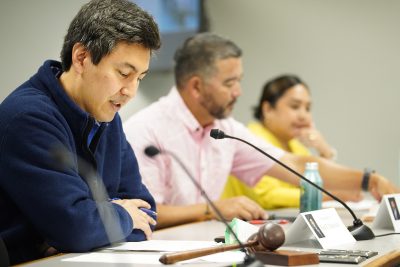
Hawaiʻi’s Legislative Committees Shouldn’t Be A One-Person Show
It sends a message that the people’s voice doesn’t matter unless it aligns with a legislative chair’s priorities.
 Cory Lum/Civil Beat/2021
Less Than Half Of Hawaiʻi Teachers Went To High School In-State
Only a third of educators in a recent survey said they felt well-prepared to integrate Hawaiian language, culture and history into their lessons.
 Kevin Fujii/Civil Beat/2025
Photo Essay: These Field Trips Help Hawaiʻi Pups Find Forever Homes
The Hawaiian Humane Society’s ‘Īlio Explorers program allows volunteers to take a pup on a daylong field trip, which helps alleviate stress for shelter dogs and ready them for adoption.

Learn About One Of Hawaiʻi’s Deadliest Threats
Drowning remains a leading cause of death across the islands — even for locals.
 Cory Lum/Civil Beat/2020
Army Secretary Wants Deal On Hawaiʻi Training Lands By End Of 2025
Gov. Josh Green raised the possibility that the feds could take state land if Hawaiʻi doesn’t find ways to compromise.
 April Estrellon/Civil Beat
Report: Future Jobs Growth In Hawaiʻi Likely Concentrated In Low-Paid Work
New report says increases are expected primarily in areas such as food preparation, transportation and health care support — all lower-paying work.
 David Croxford/Civil Beat/2025
Hawaiʻi Expands Effort To Keep Women Out Of Jail
Addressing the underlying trauma and substance abuse issues that many non-violent women offenders struggle with can put them on a better path — and save taxpayer money too.