

Civil Beat Builds On Steady Momentum With Strategic New Plans
This newsroom has been around for 15 years, the last one with me in charge. Time to take stock of what we’ve been up to lately and where we’re headed.
As Civil Beat celebrates its 15th anniversary, I am marking a milestone, too: My first year at the helm of this ambitious newsroom. It seems like a good time to revisit progress on some of our recent initiatives.
But first, a sneak preview of what’s next.
Later this month we’ll launch a new tool called Digital Democracy in collaboration with another nonprofit statewide newsroom, CalMatters. The web platform will allow you to look up most anything related to Hawaiʻi’s Legislature, from bills introduced to campaign contributions received, from testimony to voting records. It’s an exciting extension of our Let The Sunshine In government transparency efforts led by my predecessor in this job, Ideas Editor Patti Epler. She and I will fill you in more about Digital Democracy very soon.
On the statewide front, Civil Beat has always been committed to covering all of Hawaiʻi, but much of our focus has been on its capital, Honolulu, and largest population center, Oʻahu. With other media coverage of the neighbor islands waning, it’s time for us to step up our efforts there, too. We don’t intend to compete with essential sources of local news, but we do want to bring our special mix of watchdog and explanatory journalism to more of the state. A generous grant from the Google News Initiative will get us started.
We believe in listening before acting, so we’ve launched a survey of Kauaʻi and Hawaiʻi island residents, to complement a similar survey we did last year of Maui residents. That outreach will culminate with community listening sessions early in 2026. If you live on either island, please contribute your insights and share the survey with your friends and family, neighbors and co-workers.
We’ve Been Busy In The Community

We hosted 52 public events this year, one for every week. They ranged from Pop Up Newsrooms in libraries and at farmers markets to Civil Cafes with the governor, Honolulu’s mayor and others. Just before the second anniversary of the wildfires, we held a Listening Session with Maui residents at the J. Walter Cameron Center in Wailuku. What we heard there informed two subsequent stories, about lingering post-fire mental health needs of keiki and the significant gap between insurance payouts and the cost of rebuilding.
Our Pipeline Project to bring more people from these islands into our newsroom has already resulted in six interns with local roots, a bootcamp for local high school journalists and a renewed commitment to mentoring UH journalism students. Later this month, we’ll co-host Journalism Day 2025 with the Hawaiʻi Scholastic Journalism Association at our Kaimukī headquarters.
We’ve Been Ambitious In Our Journalism
For our Frontlines Of Climate Change series looking at how global warming is affecting people around the Pacific, we sent journalists to the Solomon Islands to document a decline in tuna stocks, the Big Island to explore the challenges of cattle farming in a drought and the Marshall Islands to check on why ʻulu trees are dying. Watch for that third story about breadfruit by Thomas Heaton in the coming days, and others in the coming months.
We also increased our grassroots coverage through new beats in economic inequality and issues related to women and Native Hawaiians. All three of those beats have drawn support from people who share our belief in their importance and urgency.
As budget cuts and dismissals rained down from the Trump administration, we took a measured approach. Rather than lunging at every rumor or shift in priorities, we offered context through stories such as Marcel Honoré’s look at the impact of federal job losses on conservation efforts to protect endangered birds and Jeremy Hay’s coverage of how the uptick in immigration sweeps is affecting the Kona coffee harvest.
We’ve Stayed True To Our Mission
Civil Beat’s North Star has long been “journalism with a purpose, to stimulate positive change.”
This year, we have been proud to play that role on a variety of subjects, ranging from Christina Jedra’s stories about the “Renovation Aloha” reality TV series skirting the Honolulu city permitting process, which led the city to yank a building permit and fine the home flippers; to Madeleine Valera’s coverage of the end to rent subsidies threatening to leave tenants at the YMCA homeless, which led the state to step in on their behalf; to an investigation by Stewart Yerton and Blaze Lovell into missteps in the Kauhale Initiative that led the Legislature to require an audit and greater oversight of the state’s tiny homes for the homeless.
Of course change doesn’t solely rely on the government; sometimes it comes about when individuals are inspired to take action. In recent weeks, stories about drownings and ocean safety by Megan Tagami and Caitlin Thompson caught the eye of the YMCA of Honolulu as well as a local donor, who covered the costs of additional swim lessons. And Brittany Lyte’s narrative about a family’s efforts to help their missing homeless aunty, medevaced from Hilo to Honolulu after being mugged, caught the eye of a psychiatrist, who was able to coax her off the streets of Sand Island and into treatment.
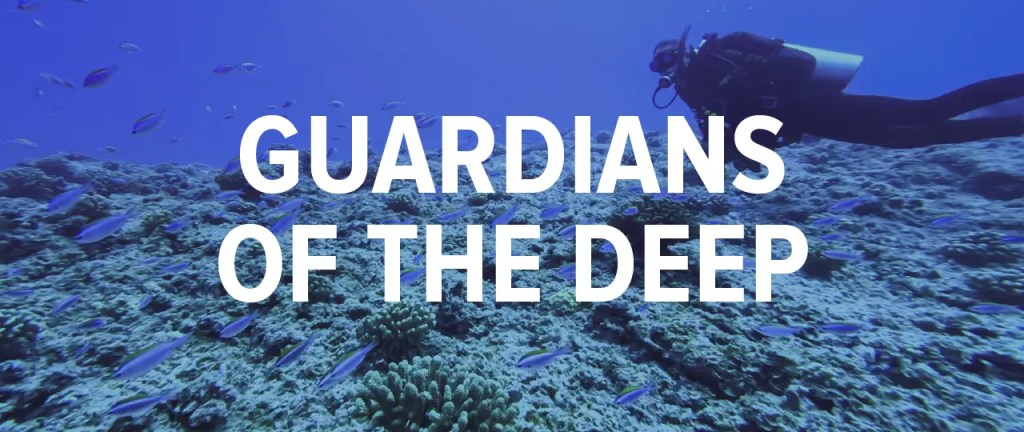
Our Guardians Of The Deep project published last fall, in which Civil Beat’s Nathan Eagle took readers to the far reaches of our island chain with the National Oceanic and Atmospheric Administration, has been used by scientists to advocate for continued protection of the marine sanctuary. The series received national recognition, too: an Online Journalism Award and a National Headliners Award. Judges said it “brought the scientific process to life with on the ground reporting, strong visuals and an approachable voice-infused storytelling that married science with Native Hawaiian wisdom.”
For years while I lived in Northern California, I enjoyed reading ChronicleWatch, a now-defunct San Francisco Chronicle column about things that were broken in the Bay Area. It seemed like a perfect fit for Civil Beat and, just before Thanksgiving, we launched Fix It! with a column by Matthew Leonard asking our readers to email us tips. Many of you responded and since then we’ve written dozens of Fix Its about such problems as nonworking park lights, wrecked public bathrooms and temporary streetlights that seem to stay in place forever. For each, we tell you who is responsible, then keep an eye on repairs to let you know what’s happened.
It’s been an eventful year and I wanted to personally thank so many of you for helping me settle in here at Civil Beat and in the islands. The calls, the emails, the coffees, the hikes — all give me the fuel to keep moving forward. Your willingness to talk to our journalists and help them get to the bottom of things is also invaluable. Your contributions no matter how small are put to good use, too. As I often say, we quite literally could not do it without you.
We know we can’t fill every puka, but we intend to keep evolving, trying new things and doing old things in new ways. I’m eager to hear your thoughts and hope you will join us for the next 15.


