Kauaʻi Water Utility Hawks $1.3B Plan To Overhaul Century-Old System
The repairs are needed to protect the island’s drinking water and ensure sufficient supply to face the growing wildfire risk, officials said.
With a $1.3 billion price tag, a plan to completely rebuild Kauaʻi’s faltering water system promises to better protect residents from wildfire risk, aid the island’s affordable housing expansion and fix century-old infrastructure before it fails and halts the delivery of drinking water to faucets.
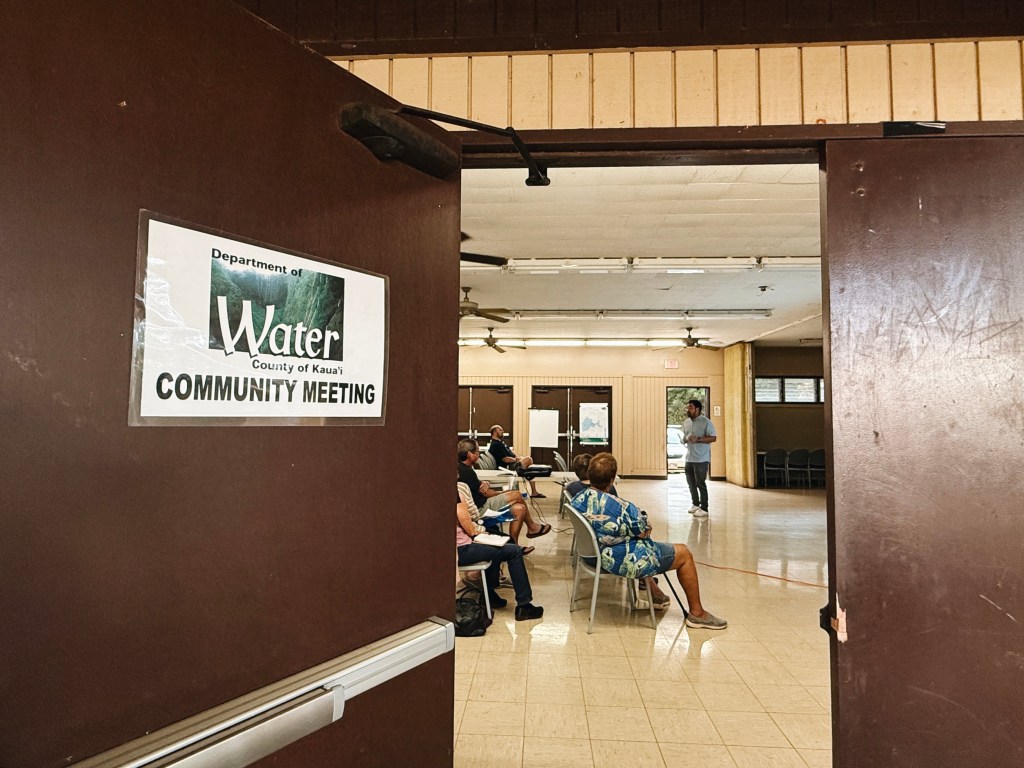
The county water utility began lobbying for its proposal to residents last week at a series of community meetings, saying it would expand and repair infrastructure built more than 100 years ago.
The agency currently operates under a water plan published in 2001. The plan maps out dire infrastructure fixes that remain 60% unfinished. It’s so out of date that Kauaʻi Department of Water manager Joseph Tait, who took the agency’s helm in November 2021, tossed it out in favor of starting over.
Starting over looks like this: 150 water system repairs and upgrades, with 70 of those projects prioritized for completion in the next 20 years at a cost of $680 million. Under this approach, many of the system’s less crucial inefficiencies would remain unaddressed for decades to come.
The plan has been in development for more than three years. If approved, it would be the utility’s first guidebook to systematically upgrade its aging infrastructure. Currently, county water crews wait for a valve to break or a pipe to burst, then rush out to fix it.
When it’s complete, the plan will require approval from the state Commission on Water Resource Management. Tait said the agency will likely seek that approval early next year.
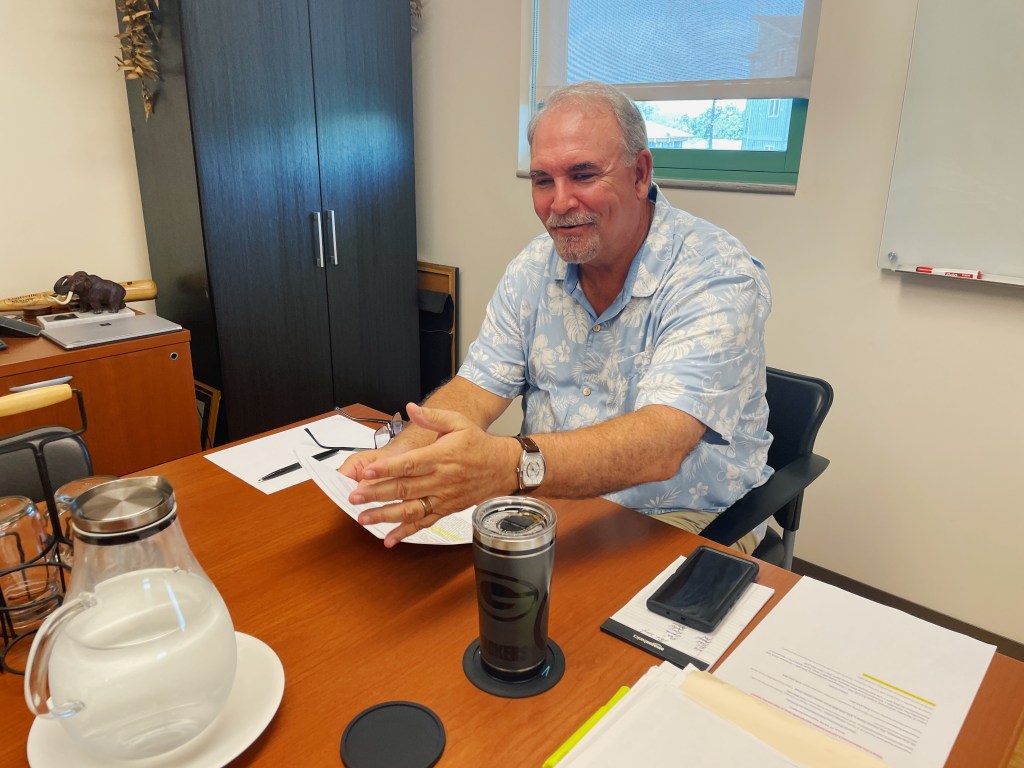
“This is our Bible and it has to go through, otherwise there’s just no plan at all for this island’s water,” he said at a public meeting last week at the Kōloa Neighborhood Center.

Water rates have remained flat on Kauaʻi for the last 12 years. But the department is poised to request a rate increase to cover costs associated with the new water plan. It’s likely to be a significant hike for the utility’s 88,000 customers, Tait said.
Ratepayers can’t be asked to cover all the expenses associated with infrastructure expansion and improvement, however. That’s why Tait said he’s counting on securing “a tremendous amount of money” from federal grants in the coming years. The utility will also seek out state funding, grants and loans.
‘It Was Almost The Next Lahaina’
The county manages nine independent water systems. The absence of connections between them makes large parts of the island particularly vulnerable to wildfire. Those concerns were heightened by the 2023 blaze that destroyed much of the historic Maui town of Lahaina, killing 102 people.
“My biggest worry about Kauaʻi’s water system is not the water system — it’s fire protection,” Tait said. “All these systems are divorced from each other. If you’ve got a fire in Anahola, they’re not going to get help from the water system in Kīlauea or the water system in Kapaʻa.”
The stakes are not theoretical.
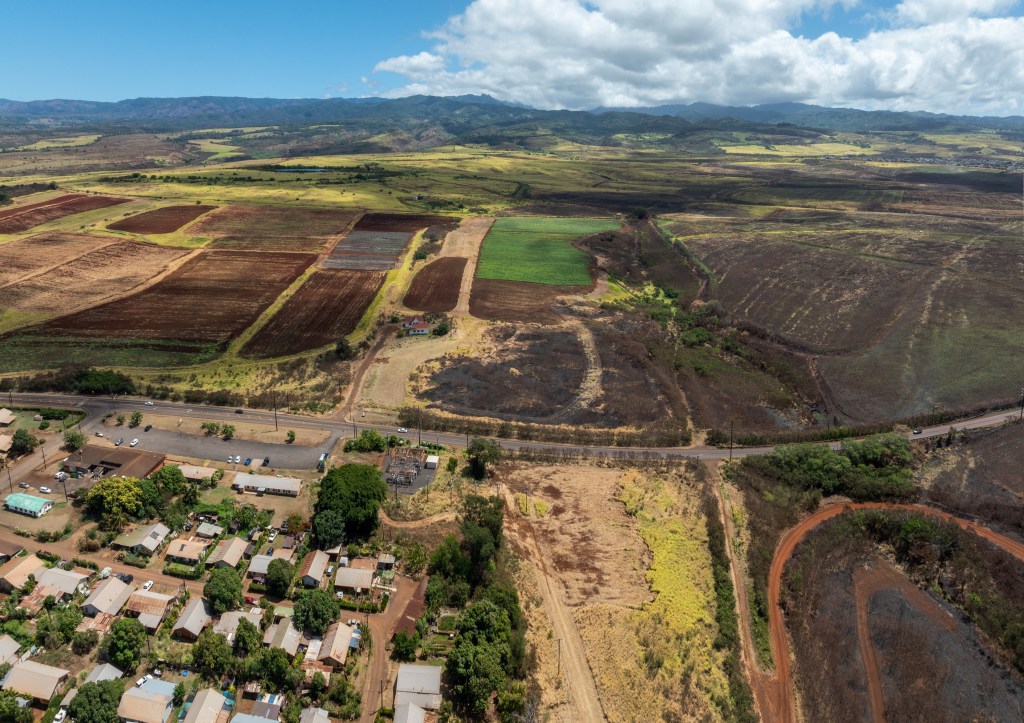
In July 2024, fast-moving flames ignited the fringes of Kaumakani Village, a historic plantation camp community owned by Gay & Robinson. The camp is hooked up to a private water system ill equipped to supply water for fire suppression. When Tait got the call for help, the best he could do was send over a water tank truck. But that, he said, was depleted in minutes.
Fire crews saved the camp by dropping water from helicopters. But it was a close call that deepened anxieties about the danger posed by wildfire on the island’s arid Westside and the island’s overall lack of water system connections.
“It was almost the next Lahaina,” Tait said.
Farther north, a pump failure in April at the Maka Ridge pump station, a crucial water source for Hanalei and Anini Beach residents, led the county to ask affected residents to reduce their water usage until early July when the system was finally repaired.
It took months for the water department to receive parts shipments to restore the system. To avoid a full water service outage, affected residents were asked to turn off appliances that automatically draw water, such as ice machines and irrigation systems, and refrain from washing their cars.
What the county didn’t publicize during that time was the heightened wildfire risk posed by the water system failure.
“Can you imagine, while that was down in the middle of a very dry summer, what the fire risk was like then in that area?” Tait said. “There would have been no one to come to the rescue.”
Water Key To Affordable Housing Growth
The water utility’s ability to rehabilitate the system is vital to another far-reaching problem: An acute shortage of affordable homes that’s forcing residents to leave the island for better housing prospects and higher wages.
Many challenges are holding up affordable housing development, including the inability to deliver drinking water to certain parts of the island due to a lack of infrastructure. Plenty of planned developments await a plan for adequate water delivery.
Tait said the island has more than enough water supply to meet growing residential demand. The problem is accessing that supply.
“Look at this gap,” Tait said, pointing to the negative space between the Kekaha-Waimea and Hanapēpē-ʻEleʻele water systems on a map.
He points to another gap. Then another. And another. So much of the island lacks access to the kind of water supply it takes to fight fires and develop more housing.
“We didn’t even have a map prior to my coming here,” he said, “but I wanted us to have a map to show the residence where our vulnerabilities are.”
One reason for the water utility’s poor performance has been persistent staff vacancies. Staff simply can’t keep up with a mounting workload. More than a fifth of the agency’s 119 positions are vacant.
The biggest challenge to recruitment is low pay coupled with the island’s high cost of living. The starting salary for an engineer is $51,000.
Civil Beat’s reporting on Kauaʻi is supported in part by a grant from the G. N. Wilcox Trust.