Kawakami Tops Belatti In Hawaiʻi Lieutenant Governor’s Race
Meanwhile, Gov. Josh Green’s well-financed campaign coasted to an easy win over his three little-known opponents in the Democratic primary.
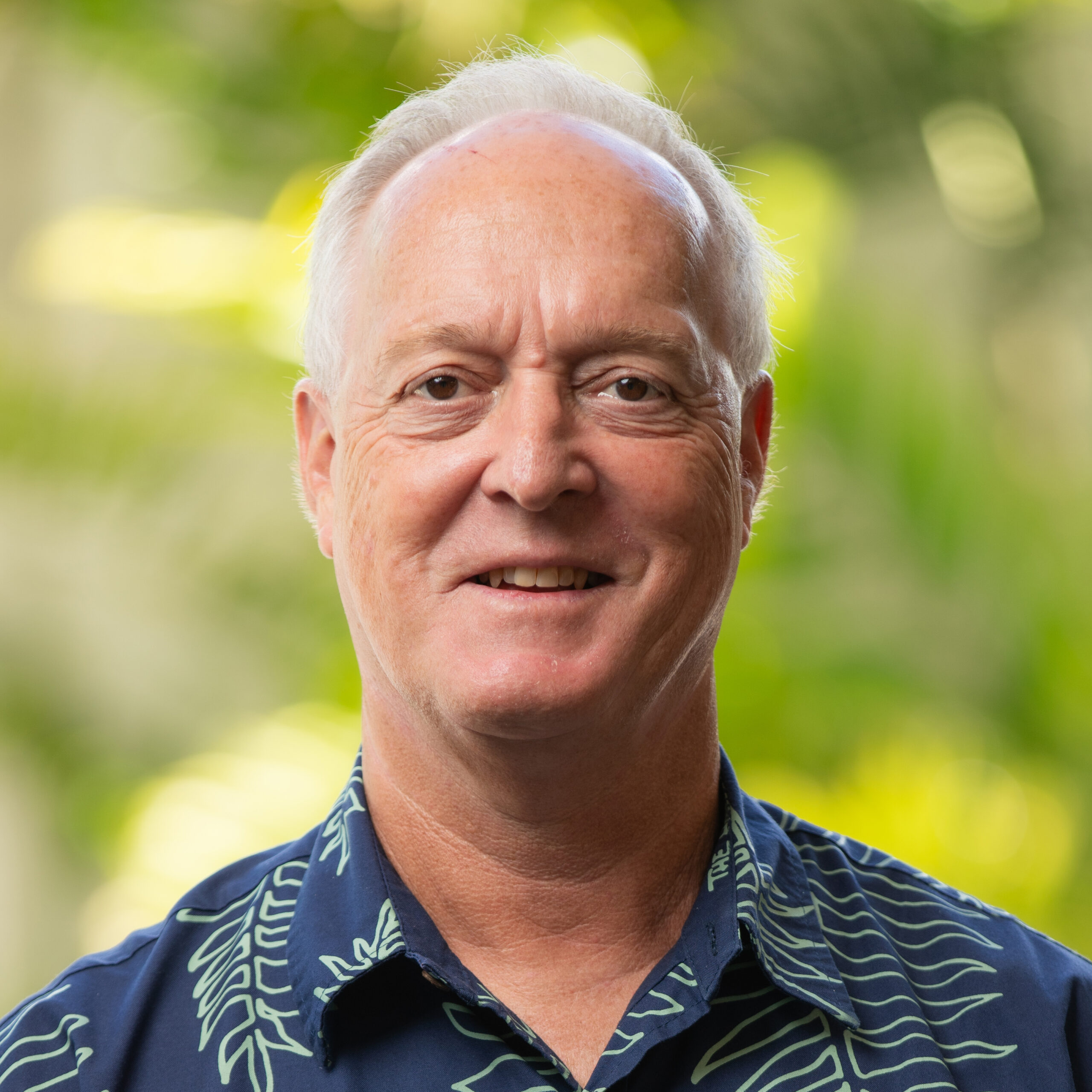
Kauaʻi Mayor Derek Kawakami overwhelmed state Rep. Della Au Belatti in the Democratic primary for lieutenant governor, a critically important race that launches Kawakami into the upper reaches of state politics.
Results released Sunday showed Kawakami leading with 62.2% of the vote to Belatti’s 24.5%. Honolulu lawyer John Choi trailed the others with 5.8%.
Kawakami took the stage at his election night campaign gathering Saturday in downtown Honolulu to make an emotional speech thanking his supporters, and also his primary opponents. He praised Belatti and Choi “for bringing out the best in our team, and bringing out the best in myself.”
“We’ve got to come together if we are going to move this state forward,” he said in remarks broadcast on Hawaiʻi News Now.
Gov. Josh Green, meanwhile, cruised to an easy primary election win by securing 81.8% of the Democratic vote. Three other Democrats filed to run against Green, but none of them reported raising or spending any money on the race this year, while Green amassed nearly $3.5 million to finance his reelection bid.
Sunday’s vote count included both mail-in and in-person ballots, about 280,000 votes in all — 274,000 mail-in and about 6,000 in-person votes. Some legislative races were still too close to call on Sunday.

The lieutenant governor’s race was was ripped wide open earlier this year by the ongoing public corruption scandal that engulfed incumbent Lt. Gov. Sylvia Luke. She suspended her campaign for reelection around the time she received a target letter from the state Attorney General’s Office. She was indicted last month on charges of criminal conspiracy to commit bribery, bribery by a public servant and falsifying candidate committee reports. Four others including former top state officials were also indicted in the case.
Luke’s troubles prompted the locally popular Kauaʻi mayor Kawakami to announce in March he would run for lieutenant governor, and Belatti withdrew from a planned run for Congress in late May to join the LG’s race as well.
While the lieutenant governor’s job has few official duties, the office has long been an important political stepping stone for ambitious Hawaiʻi politicians. Alumni of the office include four former governors as well as Hawaiʻi U.S. Sens. Mazie Hirono and Brian Schatz.
Kawakami had a major advantage from the start this year thanks to a richly endowed political action committee called For A Better Tomorrow. That independent expenditure committee, also called a super PAC, is backed by Pacific Resource Partnership, a consortium made up of the 6,000-member Hawaiʻi Carpenters Union and more than 250 contractors who employ them.
The super PAC and the Kawakami campaign are not permitted to coordinate their efforts, but for months For A Better Tomorrow swamped the Hawaiʻi media ecosystem with television, print and online advertising praising Kawakami’s character and record. Last month, the PAC reported it has spent more than $2 million in support of his candidacy.
Kawakami, 48, has campaigned on his collaborative leadership style and his accomplishments as mayor of Kauaʻi. He told audiences Hawaiʻi residents are deeply worried about the cost of living and housing, and described his administration’s focus on affordable housing that led to development of 500 affordable homes. He also stressed he was the only candidate in the race with executive government experience.
He was first elected to the Kauaʻi County Council in 2008 at age 31, and served two terms there. Gov. Neil Abercrombie appointed Kawakami to the state House in 2011, and he served two full terms in the House before running successfully for the Kauaʻi council again in 2016.
From there, Kawakami went on to easily win election as Kauaʻi mayor two years later, and was reelected mayor in 2022 with more than 70% of the vote in both the primary and general elections.
In the early days of the pandemic in 2020 Kawakami attracted statewide attention when he announced “Kauaʻi is on vacation,” and urged tourists to stay away. He imposed an islandwide curfew, and Hawaiʻi National Guard troops were deployed to help police staff the checkpoints and enforce quarantine. Not everyone was pleased, but many regarded those actions as bold steps that were necessary to protect public safety.
Belatti, who stresses her independence, served almost 20 years in the state House. She is a former House Democratic majority leader who occasionally clashed with Green when they were both in the Legislature, and she has campaigned on her efforts to stop the “corrupting influence” of political action committees.
She cited her work in support of Act 11 this year, which she described as one of her most important accomplishments as a lawmaker. That measure aims to curb the flow of so-called “dark money” by limiting the impact of the 2010 U.S. Supreme Court ruling known as Citizens United, which allowed unlimited contributions by corporations to political action committees.
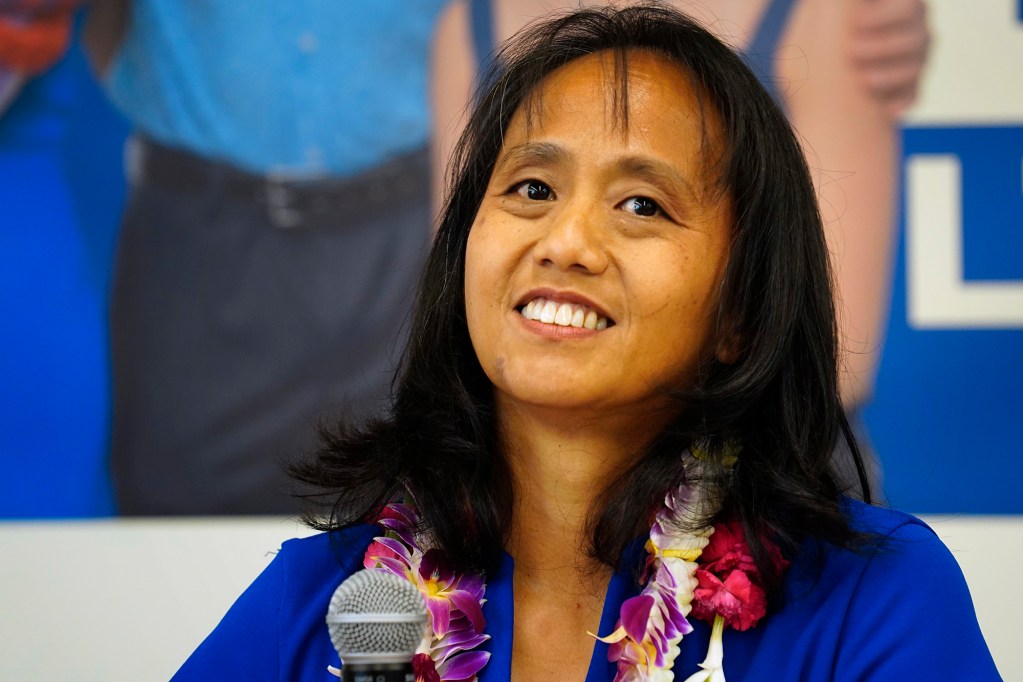
Belatti, 52, is associated with the more liberal wing of the Democratic Party, and served as chair of the House Health Committee before she was elevated to the position of vice speaker in 2017. She also served as chair of the House Health and Homelessness Committee, and became the House Public Safety Committee chair in 2024 overseeing state prisons and disaster preparedness.
Kawakami was endorsed by the Hawaiʻi State Teachers Association, State of Hawaiʻi Organization of Police Officers and the United Public Workers union as well as an array of unions associated with the construction industry.
Belatti was backed by the Hawaiʻi Government Employees Association and the left-leaning coalition called the Indivisible Hawaiʻi Statewide Network.
Once the primary campaign is wrapped up, Kawakami said, “the first thing that I need to do is make sure my wife and my family know that I absolutely love them. I’m going to make up a little bit of lost time with all of them because I have been on the road.”
As for his political agenda, Kawakami said he is driven by “folks who are marginalized or feel like they don’t belong or they don’t matter. I want to make sure that everybody knows and understands that they’re important, that they have worth, and that’s the folks that we’re fighting for.”
Belatti said in an interview she texted Kawakami to congratulate him on his win, but made it clear she will remain engaged in state politics. Her mission in the immediate future, she said, is to agitate in the final months of her term as a state representative for a special session of the Legislature to pass a blanket ban on campaign donations from state contractors.
“The governor of course himself can call us in if he has the political courage to do this, and the political will to clearly close the contractor loophole,” she said, “which we’ve been desperately trying to do and have had roadblocks put up by various legislative and executive leaders in the past.”
Belatti said she was proud of the efforts of her supporters. “I was just floored by how much people wanted a choice,” she said.
“The odds were long that we were going to win this because of the late entry, the $2 million that clearly was spent, the amount of mailers and TV ads that were played,” Belatti said. “Those were very difficult things to overcome.”
Governor’s Race
Green this year faced a remarkably weak field of three little-known fellow Democrats in the primary, and it showed. Kailua resident Lauren Kapoliahi’iaka Shim received 5% of the vote, Big Island resident George Lucas-Tadeo got 3.6% and David “Duke” Bourgoin, who ran unsuccessfully for governor against Green in 2022, received 2%.
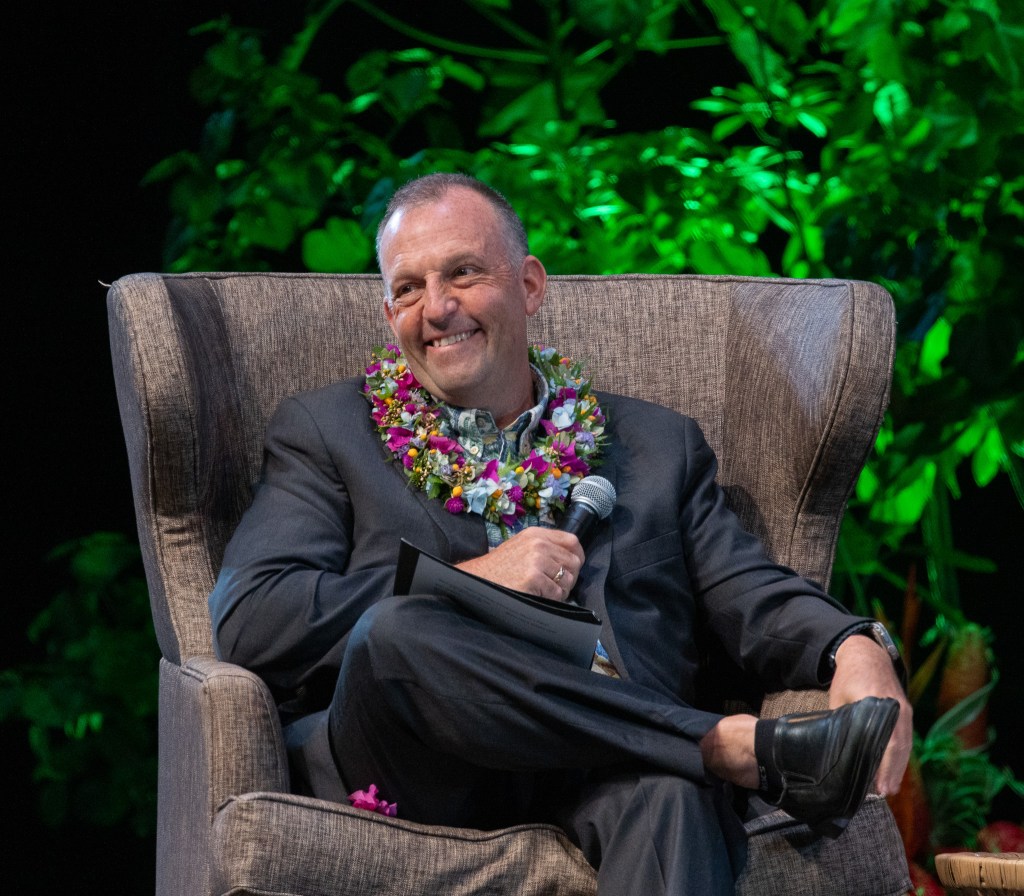
Green has suggested his consistently high approval ratings of 60% or more in polls during his time as governor helped deter any prominent Democrats from entering the race. University of Hawaiʻi Manoa political scientist Colin Moore agreed with that appraisal.
“Sometimes you get a candidate who doesn’t have a chance, but at least there is some level of name recognition,” Moore said of this year’s field of Democratic challengers in the governor’s race. “This is beyond that.”
“The number one reason, I think, is that Josh Green is a popular governor who has raised a lot of money, and I don’t think that he can be beat,” Moore said before the primary. “No one wants to run a race they think they have no chance of winning.”
Green has also pointed to his administration’s response to two major crises during his time as governor, which were the deadly Lahaina wildfire in 2023 and flooding from the Kona low storms in March. He described the state response as “pretty competent and compassionate,” and said people recognized that.
In the Nov. 3 general election, Green and Kawakami will face Republican Gary Cordery, the clear GOP primary winner with 66.6%, and LG candidate Daniel Anthony who prevailed over three other candidates with 31.1% of the vote.
Green has run a low-key reelection campaign so far, but promised last month to kick that up into a “full-tilt campaign. You will see ads, you will see me talking story and sharing my vision for Hawaiʻi.”