

When No One Is Watching, Part 3 of 4
JR sat in a car at 1 a.m., fuming.
On that night in Waiʻanae in September 2008, the 18-year-old had had his fill of listening to his brother and the brother’s girlfriend argue. And he was famished.
JR noticed that, though the main part of McDonald’s across the street was closed, the drive-through window was still open.
So he got out of the car and walked over.
Sorry, the cashier said, we don’t serve pedestrians. In JR’s memory of that moment, the worker shooed him away with a wave of his hand, as if he were a fly.
JR recalled that there was an aluminum baseball bat in his brother’s car. He walked across the street, pulled out the bat and returned to the McDonald’s window.
He banged on the window and asked again if he could get some food. That same irritating wave of the hand.
Then he wound up and smashed one of the windows. He walked to the window where the cashier had been and shattered it as well. He went after the menu board and a closed-circuit TV screen, too.
The damage would come to more than $14,000. The police found him by the road nearby and arrested him for criminal property damage and booked him at Oʻahu Community Correctional Center.

‘I Felt Like My Life Really Sucked’
After graduating from Waiʻanae High School in 2007, the young man who would later be known in court documents as John Roe 121 — JR — had gone off to college in California, where he was supposed to be on the boxing team.
JR had shown promise. He had won the lightweight kickboxing title as a senior in high school, rating a short item in the Honolulu Star-Bulletin newspaper.
But he lasted only two weeks at the college. He got cold feet about performing on the boxing team, and after a few months living on the Big Island looking in vain for work, he was back on Oʻahu — familiar, yes, but with painful memories lurking from one end of the island to the other.
The state had removed him from his parents when he was 6 and placed him with a neighbor. After a few years, she said she could no longer handle the troubled boy and asked Child Welfare Services to find him another foster home.
That’s how he ended up with John Teixeira, a single man who took in nearly 60 boys over two decades. Teixeira enjoyed a stellar reputation with state caseworkers for his seeming ability to handle difficult boys.
Skilled or not, he filled a crucial need for CWS. Caseworkers believed there were few other places to put such boys.
It solved the state’s problem, but at a hidden cost. Teixeira beat JR and other boys. And he sexually molested JR 100 times, a judge would later say in a civil case.
Now JR and other boys who had been victimized were left to find their way as adults.
JR had not told anyone about what had happened to him in the Teixeira foster home. But on the night he smashed up the McDonald’s, he could not hold back the deep well of anger he blamed mostly on his time there.
“I felt like my life really sucked,” JR recalls.
The early lives of JR and Teixeira’s other foster boys were shaped not only by the trauma of being removed from parents deemed unfit to raise them, but also abuse and neglect in their new home that was intended to be a refuge.
Their stories are unique, but also emblematic of the lives of other foster children who age out of the system while still trying to cope with what they’ve been through.
Some of Teixeira’s foster boys did well. Others have struggled with addiction and homelessness. Several amassed serious criminal records, including one who was killed by other inmates at an Arizona prison.
And the foster dad who abused them? He, too, would face hardship.
But he would not have to answer for what happened at his foster home for more than a decade.
‘Aunty Sandy’ And A Boxing Mentor
After JR vandalized the McDonald’s, he spent three weeks in jail before being bailed out. In early 2009, his case finally came before a judge.
JR had one thing going for him — people who cared enough to come to the courtroom to be his advocates.
One was Sandy Van. She and Teixeira had met in Waimānalo after Van boarded her horse at a stable on the property where Teixeira lived with the boys.
The two had started a business to train and sell horses. They bought a property in Waiʻanae that included two houses, one for Teixeira and the boys, the other for Van.
When Teixeira moved to the Big Island in 2007, JR asked to stay with “Aunty Sandy” and finish up his senior year in high school. Van, who had witnessed Teixeira hitting two of the other boys, agreed.
JR’s other supporter in the courtroom that day was Fred Pereira, his coach at the Waiʻanae Boxing Club.
In the early 1970s, Pereira made a habit of talking to Westside kids who got into trouble. Soon they were coming to his boxing gym. Pereira, a foster dad himself, was known to his boxers as “Pops.”
“I give them everything I have,” he told Midweek in 2008, around the time he came to court to speak on behalf of JR. “More than anything I show them how much I care.”
After the half-hour hearing, the judge made her decision: All JR would have to do is stay out of trouble for five years and the whole ugly incident would be wiped from his record.
It turned out to be far more complicated than that.
A Chance Encounter
Sharon Fernandez-Thomas had not seen her son Rahiem Morris for a dozen years.
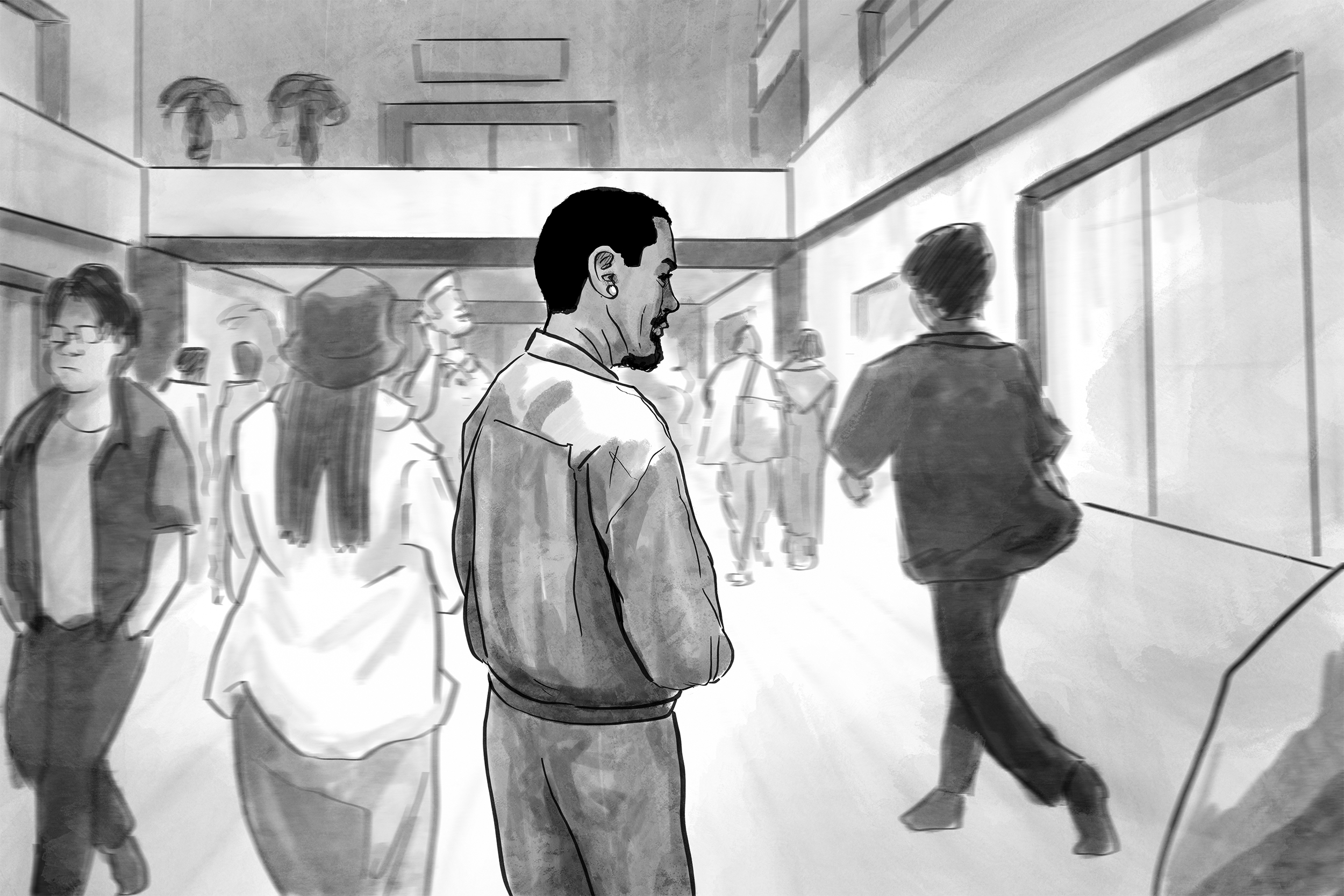
Then one day in 2010, as she was shopping at the Ala Moana Center, she noticed a head bobbing in the crowd that looked familiar.
“Rahiem!” she called out.
The young man looked around and approached the woman calling his name.
“Do you know who I am?” she recalls asking.
He didn’t hesitate: “My mom.”
It was an unexpected reunion. The state had taken Rahiem from Fernandez-Thomas’ home in 1998 and placed him in foster care — first with her sister and, after she died, with John Teixeira.
The state terminated Fernandez-Thomas’ parental rights. She remarried and moved to Virginia and lost track of Rahiem.
And now here he was again, a young man of 18.
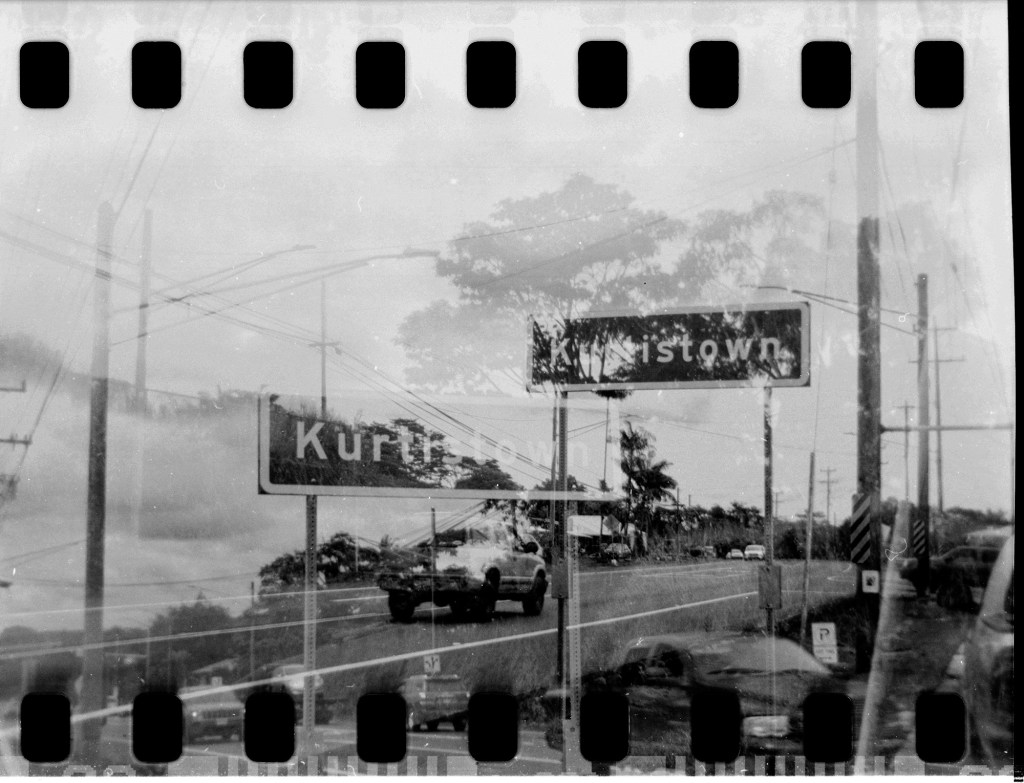
Two years earlier, Rahiem had moved with Teixeira, who by then had become his legal guardian, to Kurtistown, near Hilo. But one day he ran away from that home and refused to go back.
He told police that Teixeira had hit him, bloodying his lower lip. In the past, he said, Teixeira had beaten him with extension cords, sticks and hangers.
Big Island police arrested Teixeira and he was charged with abuse of a family member, but the case was dropped. Child Welfare Services asked Sandy Van if Rahiem could move in with her and she agreed.

After that chance encounter with his biological mother at the Ala Moana Center, the two reestablished a relationship. But Fernandez-Thomas said Rahiem told her nothing about the abuse he had suffered. She speculates now that Rahiem knew how much she stewed over injustices and wanted to spare her from becoming obsessed with what had happened to him.
After the long separation, she was getting to know Rahiem all over again. In some ways, he was just like her. He would shake his leg when he got up to go to bed, like she did. He liked to make goofy jokes. When someone asked him how tall he was, he’d answer “5 feet, 12 inches.”
After leaving Van’s house, he lived with his father for a time. Then he found a girlfriend and moved in with her.
They had three children together, and the whole family would squeeze into his mother’s apartment in Ala Moana for Thanksgiving and Christmas. But Fernandez-Thomas said it was far from domestic bliss.
He didn’t grow up. He was still a teenage boy.
Sharon Fernandez-Thomas, Rahiem’s mother
Rahiem would show up at her apartment with the kids in tow after his girlfriend kicked him out. Sometimes, he would set up a tent in his father’s backyard and sleep there with the kids.
Photos of Rahiem at that time show two very different young men. On one hand, he was still the kid with an ingratiating if slightly mischievous smile. On the other a stone-faced, street-smart operator.
The chaos in Rahiem’s life was becoming more apparent. His Instagram feed is filled with videos of him taking long hits from spliffs and bongs, and drinking with friends, alternating with photos of his children.
He’d call his mother at 3 a.m. and ask her what she was doing.
“Sleeping, what do you think?” she’d reply.
Other times he’d appear out of the blue at her door, trying to catch his breath. She assumes he was running from some encounter with the law.
“He didn’t grow up,” Fernandez-Thomas said. “He was still a teenage boy.”
In 2017, when Rahiem was 24, the law finally caught up.
The Other Boys
A judge would later find that Teixeira, a single parent with no special training, was in charge of too many boys to properly supervise them. At any given time, he was the foster dad or legal guardian of at least eight boys at once.
“He had far too many children in his care with significant unmet needs which posed a danger to themselves and others,” Judge Kevin Morikone wrote.
Teixeira had his own ideas about how to turn foster boys around, denying them psychotropic medications that doctors recommended in some cases or, in JR’s case, refusing to cooperate with their schools’ suggestions for services.
And, of course, it was all unfolding in an environment that included repeat allegations of abuse being committed by some of the older boys, and by Teixeira himself.
In an interview in May, Teixeira said he was proud of his record as a foster dad: “I got them to turn around and be good citizens instead of crime.”
The exception, he said, was JR.
“There was no saving him,” he said. “He was the worst.”
But the record shows that many of his boys were not turned around.
One former foster boy was included on Crimestoppers Honolulu in 2007, well on his way to running up an extensive criminal history. Another was featured on Hawaiʻi’s Most Wanted in 2012, suspected of assaulting and stealing from a cab driver while on probation.
Gregory Ritter was one of Teixeira’s first foster boys and Teixeira later became his legal guardian. Three months before Ritter would have graduated from high school, he “just left,” Teixeira later said in a deposition.
By age 29, he had racked up 60 arrests and 17 convictions. In 2009, serving a 33-month sentence in a federal prison in California for being a felon in possession of a firearm, he got into a fight with other inmates. He died two days later.
Some of Teixeira’s foster boys have steered clear of legal trouble and appear to be doing well, including one who is a financial manager at a car dealership in Washington state and another a marketing entrepreneur in Los Angeles.
Others have histories of domestic violence or have been ordered by courts to get drug treatment. For some, the crimes have been minor but suggest they are coping with profound problems.
‘He Really Isn’t OK’
Hoku Freitas accused Teixeira in 2003 of sexually molesting one of the other foster boys. A CWS investigator looked into it and said she was unable to substantiate Hoku’s allegations. Instead, she discredited Hoku.
But the teen Hoku had named as a victim said in a deposition years later that Teixeira had twice tried to perform oral sex on him.
In high school, Hoku had been so fast and agile that colleges were showing an interest in giving him a track scholarship, according to his sister, Catalina Freitas-Estores. He won a long jump competition in his age division in 2000, leaping farther than some of the adult winners.
One day, instead of running track, he ran away from Teixeira. He lived on the street with his brother for more than two years, ending up in a detention home. By 2010, Hoku had disappeared so thoroughly from Catalina’s life that she posted his photo on social media with the message, “Miss you brother.”
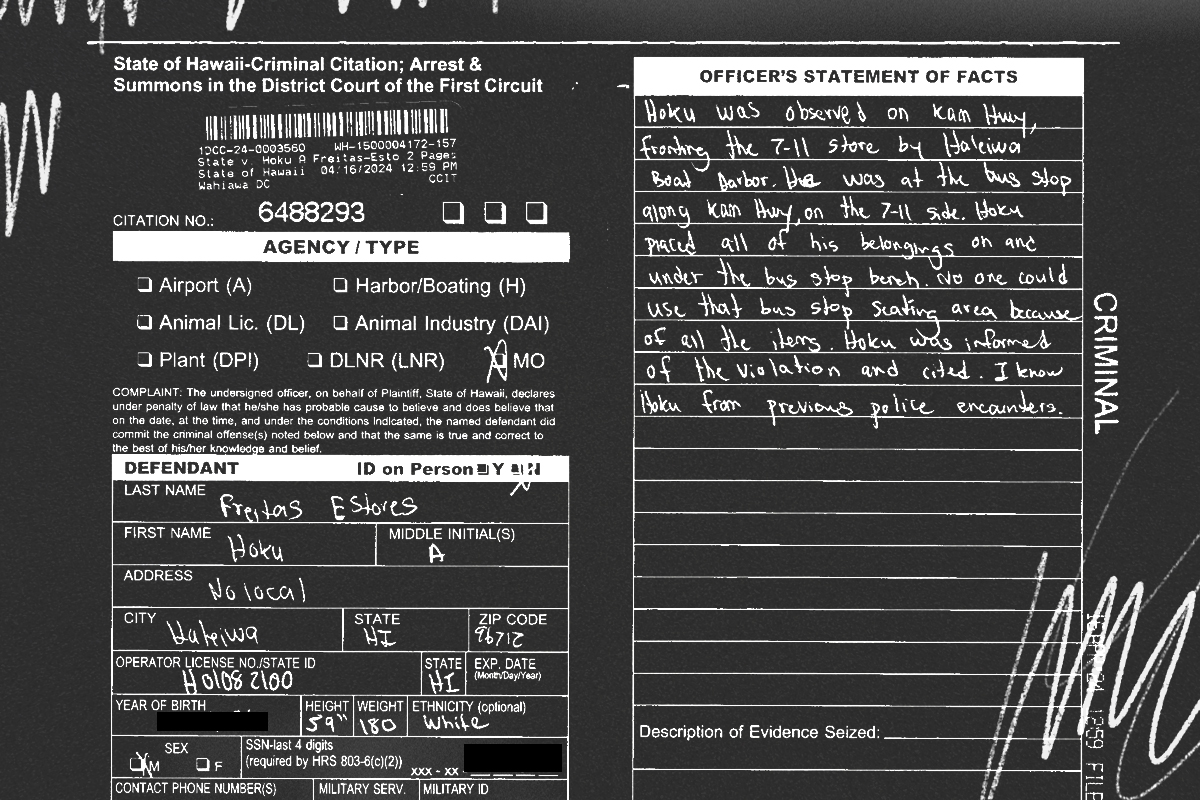
His record includes no serious convictions. But since 2018, he’s been cited more than 30 times for the violations associated with homelessness — camping without a permit, entering parks after dark, smoking in public places, littering.
The citations track his movements from Haleʻiwa to Waikīkī and back.
Catalina, who lived close to Hoku while she was in a foster home in Waimānalo run by Teixeira’s mother, felt abandoned by her older brother when he ran away. But when she found out recently about his allegations against Teixeira, and got a glimpse of why he ran, she wanted to do something for him.
She invited him to her ʻEwa Beach home, and gave him a tent, some groceries and $100.
When she visited him in Haleʻiwa recently, he offered to buy the car she was driving with bananas. He told her Bank of Hawaiʻi was watching him.
In a brief interview, Hoku said he made up the accusations against Teixeira because he was angry and didn’t want to move with him to the Big Island. He said he saw nothing more serious than Teixeira twisting boys’ nipples, and that he was never victimized.
But he also allowed that he can’t remember much.
“I don’t know what the hell was going on, to tell you the truth,” he said. “I’ve got my own problems right now that I’m worried about.”
His sister says those problems are severe.
“It’s not just the drugs,” she said. “He really isn’t OK.”
A Broken Deal
For Rahiem, the legal trouble turned out to be more serious.
On Jan. 6, 2017, he and another man were charged with first-degree burglary for breaking into a residence in ʻEwa Beach. It was the first time he had ever been charged with a crime.
At first, prosecutors were inclined to be lenient, and a judge gave him a deal similar to JR’s — stay out of trouble and all would be forgotten. It took only four months for that deal to unravel.
Weed showed up in his drug tests and he failed to sign up for drug treatment or anger management.
At his next court date, the prosecutor was feeling far less charitable.
His lawyer said Rahiem was using drugs because he had broken up with the mother of his children, and was homeless. But now they were back together.
The judge gave him four years of probation.
In the midst of his legal troubles, Rahiem was contacted by JR, his foster brother. JR was filing a lawsuit against Teixeira and the state. Would Rahiem be willing to testify about his own experiences?
Rahiem, JR would later recount, said he would.
‘When You See Me, You Don’t See I’m Lost’
About a year after the judge put him on probation, Rahiem came home to his girlfriend at about 5 a.m. after an all-night party. They argued, and she said she couldn’t deal with his irresponsible behavior anymore. She said she was done.
But Rahiem said what looked like irresponsibility hid something deeper.
“When you see me,” Rahiem told her, “you don’t see I’m lost.”
The girlfriend went back to sleep at 5:30 a.m. and woke up again about 7 a.m. She walked out to the garage.
Rahiem was hanging by a neon green shoelace from an aluminum railing of the opened garage door. She cut him down with a knife, but could not support his weight, so the two of them fell straight to the ground.
She tried to perform CPR and called 911.
Rahiem’s mother said he’d always call her when he was in trouble. But not that day.
Instead, she started getting calls from an unknown number. She didn’t answer the first time, but when the same number kept calling, she finally did. It was Rahiem’s girlfriend, calling to break the awful news.
Rahiem’s heart stopped three times in the ambulance, Fernandez-Thomas said, and each time the paramedics revived him. At the hospital, the doctors told her that Rahiem had already suffered brain damage and she had to decide whether to take him off life support.
Relatives wanted to give Rahiem the chance to fight for his life. But Fernandez-Thomas remembered watching an episode of “Criminal Minds” with her son that showed someone in a vegetative state.
“He said, ‘Mom, if I ever get like that, I don’t want to live’,” she said.
She decided to let him go.
She arranged to donate his liver and lungs. His heart, she said, was too damaged.
A Message From God
After his plea agreement in the McDonald’s case, JR kept getting into trouble — and much of it had to do with his attempt to make his own family.
He started seeing a woman who lived across the street from his last foster home in Waiʻanae, 12 years older and with six children. It was a tempestuous relationship. Police were called and the girlfriend got temporary restraining orders. After one incident, as the police were on their way, an anguished JR punched himself on the face and neck.
In the midst of all of this tumult, they had a son. They named him after JR.
But JR’s legal troubles were just beginning. Three years after his plea agreement, the court finally noticed that he had not been complying. He had been arrested several times, mostly for domestic matters involving his girlfriend. He’d also failed to report to the court supervision branch as ordered and admitted he smoked marijuana a few times a month.
He was arrested and spent four months in jail, until a judge released him to boxing coach Pereira and resentenced him to five years of probation.
But he kept messing up. Cocaine. Alcohol. Blowing off probation check-ins.
In October 2018, JR was finally released from probation. He had a new girlfriend, and she was the first person he ever told about what had happened to him in Teixeira’s home.
Around that time, JR became a carpenter. His new profession, he said, calmed his mind and got him on a better track.
His angry outburst at McDonald’s, he would later say, led him to waste 10 years of his life. There was nothing to be done about that.
But then, driving one day, he heard a radio ad from a law firm looking for victims of childhood sexual abuse.
JR interpreted it as a message from God: He was meant to seek justice for all he’d been through.
Come back tomorrow for Part 4: When No One Is Watching
How We Did These Stories
To report and write these stories, Civil Beat relied on thousands of pages of documents, including those that became public in a civil lawsuit filed by a plaintiff known as “John Roe 121,” who we call JR in the stories.
Among those court files were summaries of confidential Hawaiʻi Department of Human Services memos, file notes, assessments and communications in the cases of JR and other foster boys under the care of John Teixeira, as well as state child welfare policies from the time.
Several of the key players, including Teixeira himself, were deposed in the lawsuits. Civil Beat examined these transcripts, as well trial testimony from expert witnesses, state officials and John Roe 121.
Civil Beat interviewed JR, as well as other former foster boys and their relatives, witnesses and experts. We also obtained and reviewed related police reports, court records in several separate cases, property records, business records, probation files, an autopsy, social media and stories published over the years by other media outlets.
We reviewed reports written by the state and by federal regulators measuring the performance of Hawaiʻi’s child welfare system.
The stories do not name the individuals who were victims of sexual abuse in keeping with Civil Beat policy. Others were found by the judge in the civil lawsuit to have abused younger children, but because they were never charged in criminal court, they are not named.
Civil Beat’s investigation into foster care received support from the Fund for Investigative Journalism.
When No One Is Watching examines a foster home rife with sexual and physical abuse for two decades as a case study of dysfunction in Hawaiʻi’s child welfare system.
Reporting by John Hill. Illustrations by Will Caron. Photography by Kevin Fujii. Graphics and art direction by April Estrellon. Project editing by Amy Pyle and Jessica Terrell.
About the Author
Help power essential news and information