

Candidates, Start Your Engines. It’s Time To Tell Voters What You Stand For
If you’re on the ballot in Hawaiʻi in 2026, there’s a survey coming your way. It’s a chance to tell voters where you stand on key issues.
And then, all of sudden, the 2026 election year became a lot more interesting.
Two years ago, many candidates faced little opposition heading into the primaries.
Not so this time around, when more than 300 candidates filed paperwork by Tuesday’s deadline to run for one of more than 100 offices open this election year.
They include a batch of younger candidates who want to bring fresh ideas to the state’s political landscape.
Along with high-profile races like the one for lieutenant governor, there are compelling contests for House and Senate districts, the Maui and Kauaʻi mayors, seats on county councils and trustee positions at the Office of Hawaiian Affairs.

And voters will also decide who will make up the state’s congressional delegation.
As a service to readers, this week Civil Beat is sending all the candidates a custom-made survey with questions related to their chosen office.
These surveys have become a fixture of Civil Beat’s election coverage and allow candidates to explain how they’re qualified to represent their constituents, and how they plan to solve the major problems in their district or the state. For the first time, each survey also will include a question that came directly from constituents themselves, which we have been soliciting via social media over the last few weeks.
We will then publish the candidates’ responses by the time ballots start arriving in the mail on July 21 and we’ll host them along with other relevant information as part of an election guide on our website.
What Matters To Voters?
Each candidate survey has 12 questions and we’re giving them room for detailed answers, which will be lightly edited for length and clarity before we publish them.
We have asked candidates to refrain from using AI to write their answers or to generate their photos.
Here is a sample of some of the questions we have prepared:
Gubernatorial candidates will be asked how the state can be better prepared for the increasing frequency of damaging and dangerous weather events, and how they intend to make housing more affordable.
And how will the candidates for lieutenant governor go about restoring public trust in an office overshadowed by the ongoing bribery investigation?
With plans to move more of Maui’s water supply under public ownership, how do Maui council candidates plan to manage the county’s water future, and how will they approach the impasse over the phase-out of several thousand vacation rentals?
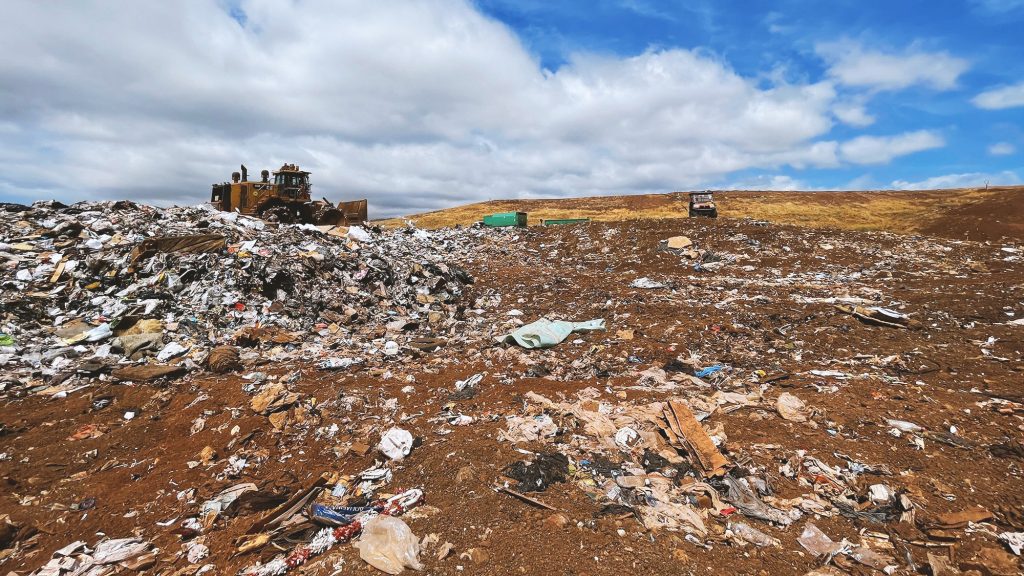
Kauaʻi voters are facing an estimated $43 million price tag for the seventh expansion of the Kekaha landfill, and a looming deadline to replace cesspools that many homeowners can’t afford. What will the Garden Isle’s mayoral and council candidates have to say?
On the Big Island, candidates will be asked about the long-stalled Hu Honua biomass energy plant, and how they would tackle traffic congestion around Kailua-Kona and the Puna-Kea’au-Hilo corridor.
What will candidates for OHA trustee positions do to justify a recent 62% salary raise and what should the organization be advocating for in the lease negotiations for Army training grounds?
In Honolulu, council candidates will be asked to talk about the future of the city’s rail system, and to share an out-of-the-box idea that could solve a county problem.
If you’re a candidate and you don’t see a survey email from Honolulu Civil Beat land in your in-box this week, please contact us at candidate@civilbeat.org.

