Remembering Hawaiʻi’s Biggest Stories Of 2025
Economic worries, the longest federal shutdown in U.S. history and a chaotic tsunami evacuation kept residents on their toes in 2025. And those weren’t even the most important Hawaiʻi news stories of the year.
It was a year that started with a deadly fireworks explosion and ended with a plea from Honolulu’s mayor and law enforcement agencies for residents to mark the end of 2025 in a safer way.
In the months between, Hawaiʻi residents faced a chaotic tsunami evacuation, marked a major milestone in Maui’s wildfire recovery efforts, struggled with rising food insecurity and pressured the Office of Hawaiian Affairs to push for a stronger role in state land negotiations with the military.
Throughout the year, federal policy changes and executive orders dominated headlines. State institutions and politicians scrambled to keep up with threats to climate research, nonprofit funding cuts, immigration raids and threats to food assistance programs. Hawaiʻi’s attorney general filed or joined more than two dozen lawsuits against the federal government.
Hawaiʻi lawmakers surprised many by passing the nation’s first-ever state green fee, taxing tourists to pay for climate projects. The Maui Ethics Board reversed a “gag order” that would have prohibited members of the public from talking about any ethics complaint they filed against a county employee. Honolulu’s long-beleaguered rail project finally reached the airport. This year also saw major shakeups at three of the state’s police departments.
As we look toward 2026 — a year of stories yet to be told — here are the stories that rose to the top of the list for Civil Beat’s reporters, from efforts to combat state corruption to what a tsunami warning told us about the state’s readiness for disaster.
Family Party Ends In Tragedy

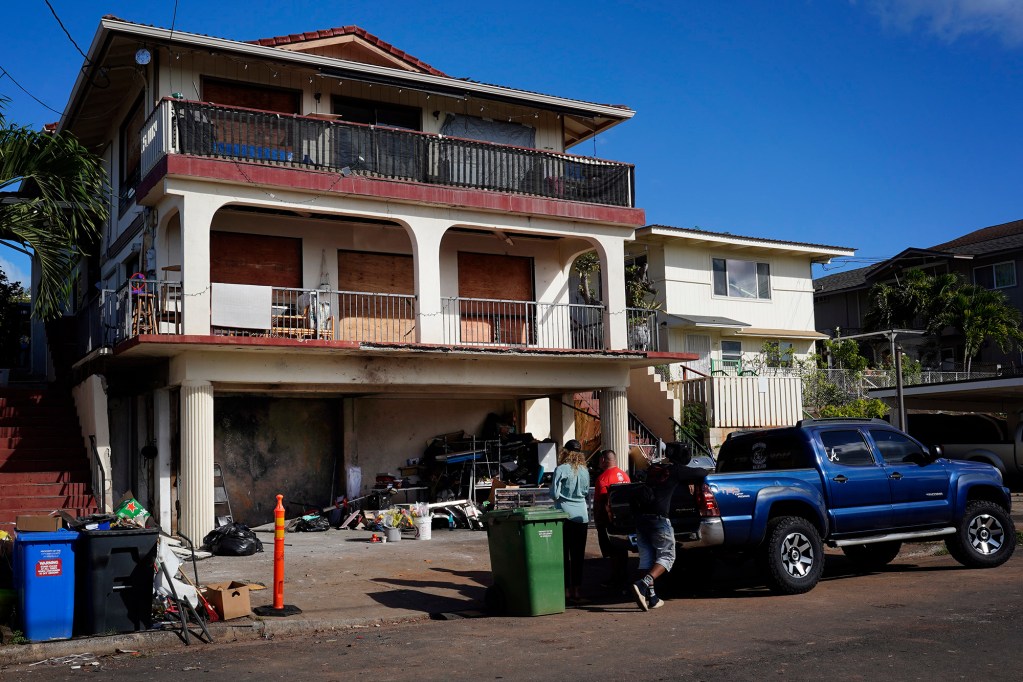
2025 began in mourning as an explosion of illegal fireworks at a family party in the Salt Lake neighborhood of Oʻahu killed six people, injured 20 people and led to the arrest and release of 12 people pending investigation.
The explosion led state officials to ramp up their crackdown on illegal fireworks to prevent another tragedy. Hawaiʻi tried to strengthen its fireworks rules in a potential break from the past, when the state failed to pursue leads and prosecute fireworks outlaws after confiscating large caches of pyrotechnics.
But despite the state’s new focus on enforcement, the company tied to an illicit 2022 shipment worth $2.7 million got permits from county fire departments to continue selling firecrackers.
Are Efforts To Combat Corruption Dead?
Jan. 20 will mark four years since former Rep. Ty Cullen recorded a man handing a state lawmaker $35,000 in a paper bag as part of a federal bribery investigation that launched a yearslong push to reform government in Hawaiʻi.
Civil Beat broke that tidbit in March. But what’s become of that man, the lawmaker he handed the cash to, and a slew of reform measures intended to correct Hawaiʻi’s political system that has allowed corruption to flourish?
So far, nothing, though the U.S. Department of Justice insists its investigation is still ongoing.
The monetary exchange became one of the year’s biggest political stories. Recently, some began pushing lawmakers to open an investigation into the $35,000, but they may drop the issue after being informed that any probing on their part might interfere with the feds’ activities.
Hawaiʻi Child Welfare On The Defense
Following several shocking child abuse deaths, the state’s Child Welfare Services tried to limit the release of public information about how it had handled the cases. Civil Beat revealed that Hawaiʻi releases far less information than some other states about its actions in child welfare cases that result in deaths or serious injuries.
In a lawsuit prompted by Civil Beat’s reporting, the Hawaiʻi Supreme Court forced CWS to release the redacted foster care and adoption files of Ariel Sellers, a 6-year-old girl starved and beaten to death, allegedly by the foster parents who later adopted her. The files revealed that experts and the state discounted clear evidence of abuse.
The state also suffered a setback when a judge ruled that it must release exhibits in a lawsuit brought by a former foster child abused by his foster dad, the subject of a four-part Civil Beat series.
Rail Reaches Urban Core, But Has Ways To Go

The Honolulu rail route at long last reached two important destinations in 2025 — the airport and Kalihi’s Middle Street Transit Center — after more than a decade of construction.
The mayors of Honolulu, Maui, Kauaʻi and Big Island announced in December plans to ask the Legislature to extend the rail tax until 2055, which would raise billions of dollars in additional funding for neighbor island transportation projects.
The Legislature will decide if the surcharge, which was supposed to be temporary, will be extended for another three decades.
Public Outcry Shapes Military Lease Talks
In May, the U.S. Army suffered a setback in renewing leases to training grounds on the Big Island when the state land board rejected its environmental studies. That raised the spectre that the federal government could take thousands of acres of state land by eminent domain, marking one of the largest land grabs by the U.S. since the overthrow of the Hawaiian Kingdom and subsequent annexation.
Many in the Hawaiian community pushed for greater involvement in the negotiation process. Gov. Josh Green convened an advisory group, but members already feel sidelined.
The Army wanted a deal by the end of the year, although Green believes that’s not feasible. Instead, he wants portions of a benefits package that he estimates to be worth billions of dollars to go forward as the state and Army work on a long-term deal. Army Secretary Dan Driscoll appeared open to the idea, which would include funds for housing.
Inmate Suicides On The Rise
The state correctional system struggled with a rash of suicides at Hawaiʻi’s largest prison, the Hālawa Correctional Facility, and suicides inside have generated several lawsuits alleging mental health services in the prison are inadequate. Outside inspectors who inspected state facilities described conditions for mentally ill inmates as atrocious.
The public was also given a rare and disturbing view of life in the Oʻahu Community Correctional Center during the trial of three men accused in the gang-related murder of prisoner Chris Vaefaga. Inmates testified Vaefaga was beaten to death while corrections officers stood by and did nothing. The Circuit Court jury that heard the case acquitted the three inmate defendants of manslaughter charges.
Hawaiʻi Still Falls Short On Anti-Drowning Efforts

Hawaiʻi has the second-highest resident drowning rate in the nation, and drowning is the leading cause of death for children under 15. Yet historically, the state has done very little to prevent drownings, leaving it up to under-resourced counties and grieving families to push for basic ocean safety improvements. With expanding ocean safety resources and more enthusiasm at the state level than ever before, we’ll be watching whether the number of residents’ drownings decreases.
Tulsi Gabbard Makes It Big

Over the years, Civil Beat has tracked former Hawaii congresswoman Tulsi Gabbard’s rise from Democratic maverick to Trump loyalist as she was appointed by the president to lead the nation’s intelligence apparatus as Director of National Intelligence.
Though her nomination was met with skepticism on both sides of the aisle because of her lack of experience and questionable liaisons, the Senate confirmed her in February in a 52-48 vote along party lines.
Immigration Crackdown In Hawaiʻi
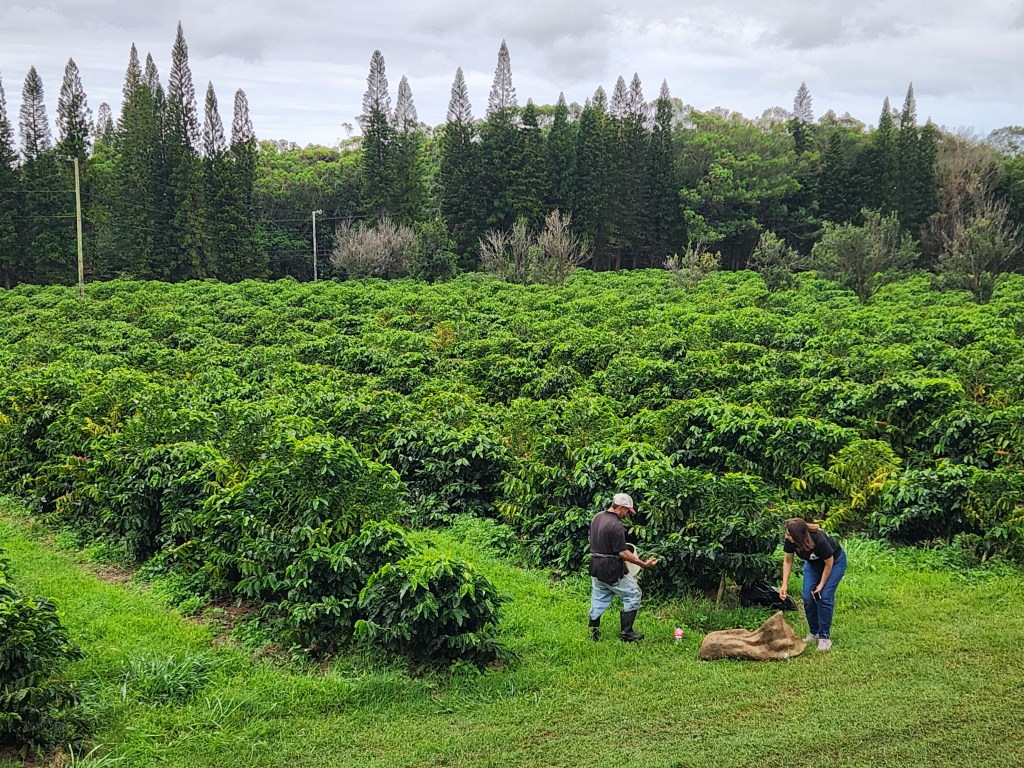
Federal agents conducted raids and arrested immigrants across Hawaiʻi, from workers at Big Island coffee farms to janitorial staff on Kauaʻi. Between January and July, immigration arrests in Hawaiʻi nearly quadrupled from the year before.
On Maui, armed federal officers rousted from their beds a houseful of Filipino teachers recruited to help meet an educator shortage. In what experts said was a first, agents arrested an Oʻahu man accused of illegally entering the United States, who had no other criminal record, after tracking him down through records of his transactions sending money to family in Mexico.
New Data On Public Salaries
A number of public employees will see major hikes this year, Civil Beat’s updated public salaries database shows. That includes police, county lawmakers and state and local directors and executives. Some of those hikes starting July 1 ranged between 5% and 50% – among the largest increases since 2011 when we launched the database.
More than half of Hawaiʻi’s government employees will see far more modest raises between 2% and 4%.
Tsunami Warning Offered Lessons
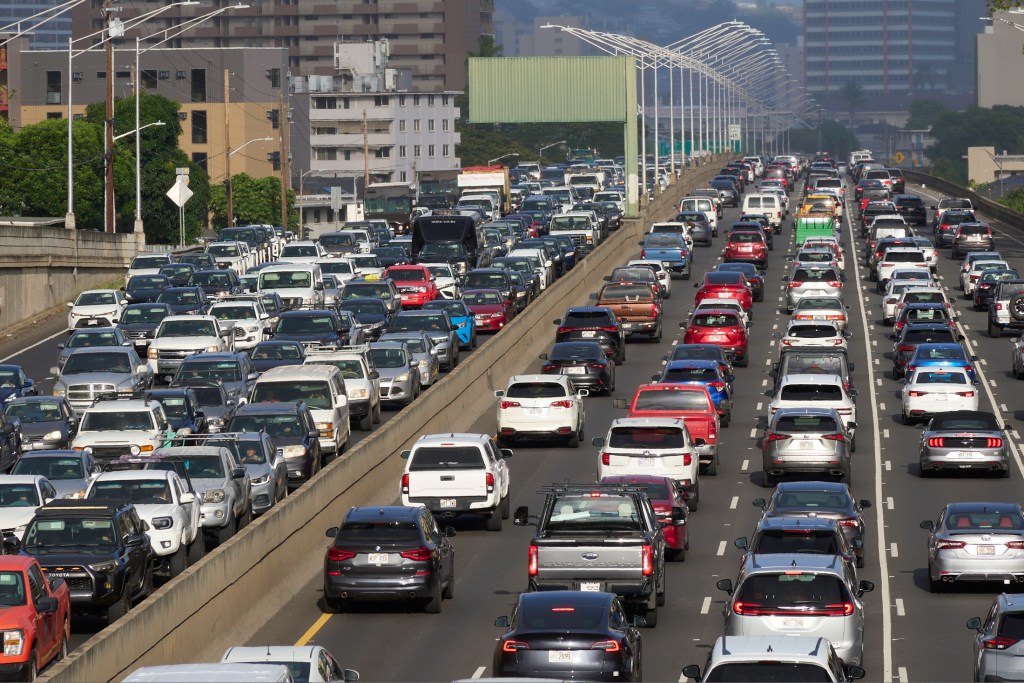
A July 29 tsunami warning offered a glimpse into how prepared the state is — or isn’t — for future natural disasters, demonstrating widespread gridlock as residents fled the coast.
One lesson officials noted: Evacuation doesn’t have to mean driving deep into the valleys. Instead, where possible, residents and visitors can also move to a higher floor in tall buildings or walking up the hill, ideally reducing the amount of vehicle traffic on the roads.
Hijacking Funds For Hawaiians

We wound down the year with an investigation with ProPublica into Native Hawaiian defense contractor Christopher Dawson, accused of hijacking a federal program meant to give Indigenous people access to more government contracts in exchange for the promise they would use the profits to help their people. Prosecutors say Dawson, who died by suicide in 2024, embezzled millions of dollars that should have been used to uplift Native Hawaiians and instead spent it on his own lavish lifestyle, which included luxury homes, private jets and polo.
Republicans in Congress have since seized upon the scandal to attack the program as part of a broader agenda targeting diversity, equity and inclusion initiatives in government.
Mahalo for trusting Civil Beat to tell Hawaiʻi’s stories in 2025. We look forward to continuing to improve and expand our local news coverage in the months and years ahead.